
Mental math skills Normal Multiplication Worksheets for Ages 3-8
3 filtered results
Difficulty Level
Grade
Age
-
From - To
Subject
Activity
Standards
Boost your child's numeracy with our engaging Mental Math Skills Normal Multiplication Worksheets! Designed for ages 3-8, these worksheets provide an interactive way for young learners to strengthen their multiplication skills through mental math strategies. With colorful illustrations and age-appropriate problems, children will enjoy practicing their calculations while developing confidence in their math abilities. Our resources aim to make learning fun and accessible, fostering a love for numbers from an early age. Perfect for classrooms or home learning, these worksheets help establish a strong foundation in math for lifelong success. Start enhancing your child's mental math skills today!
Favorites
With answer key
Interactive
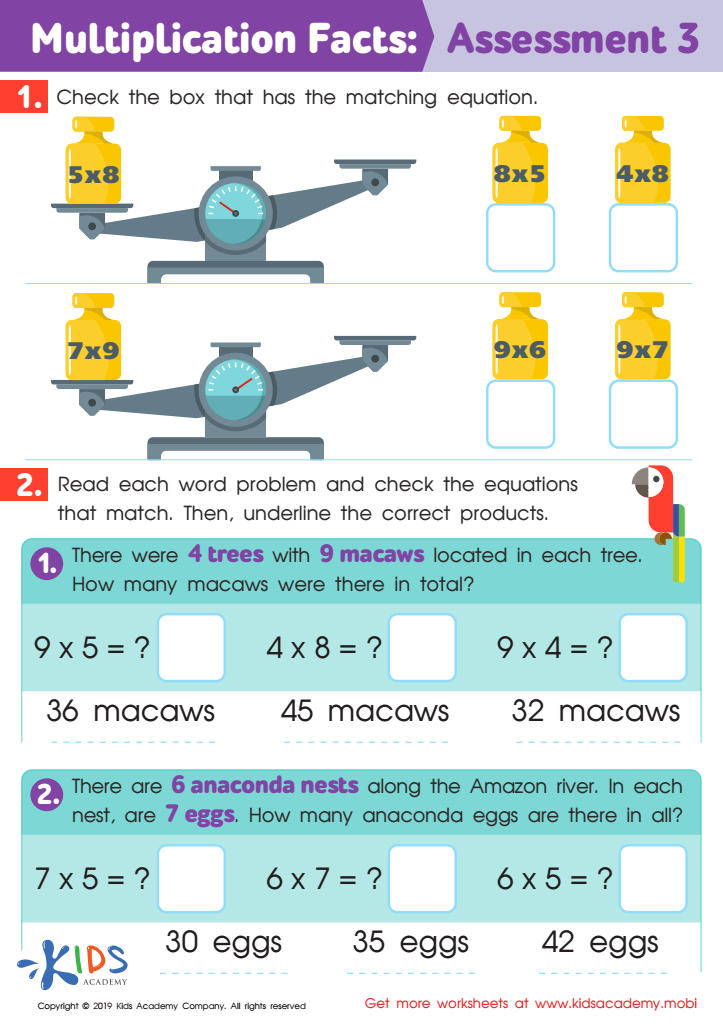
Multiplication Facts: Assessment 3 Worksheet
Test your kid's maths skills with this easy to use worksheet! Help them check the box that matches the equation in the first part, then read each word problem and underline the right answers to the second part. Assess your child's muliplication knowledge and find out where they need extra help.
 Assign to My Students
Multiplication Facts: Assessment 3 Worksheet
Worksheet
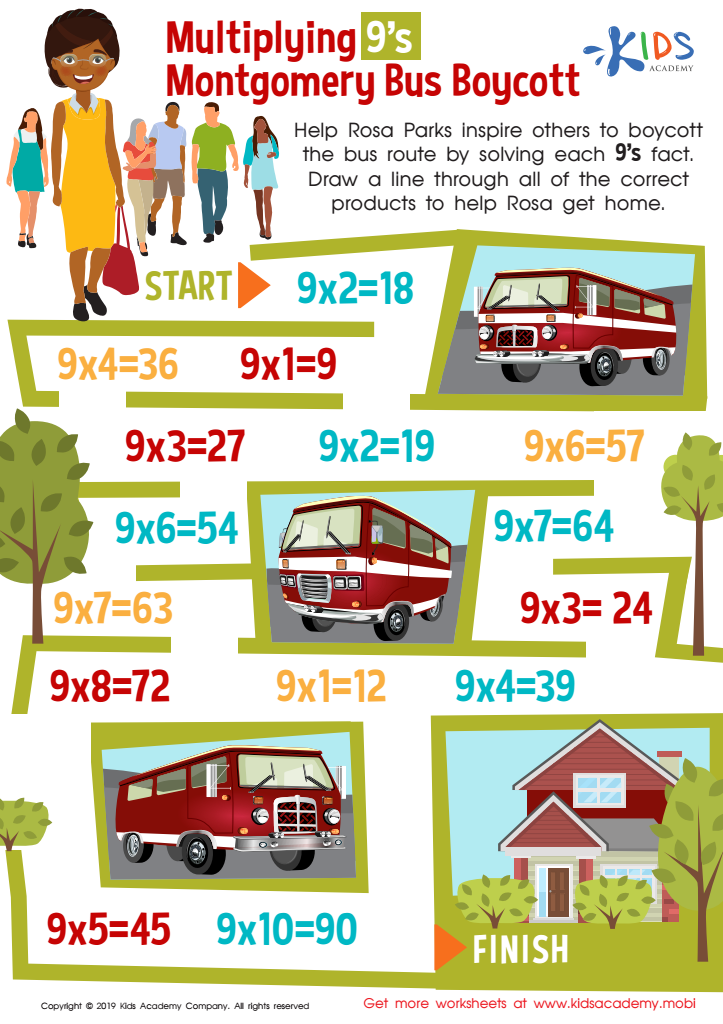
Multiplying 9’s Montgomery Bus Boycott Worksheet
As your students learn math, the numbers get bigger. This worksheet is great for learning the nine times table. Help Rosa Park get home - ask them to solve each multiplication fact, then draw a line through the correct products. Encourage your students to stand up for what's right!
Multiplying 9’s Montgomery Bus Boycott Worksheet
Worksheet
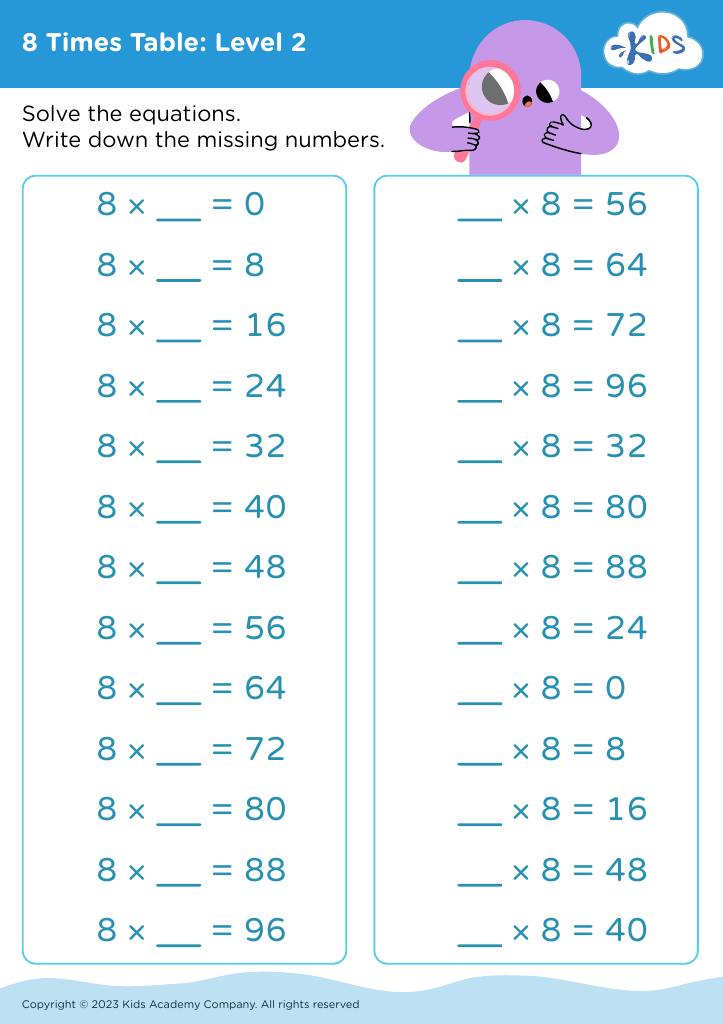
Join Kids Academy for Free
Who is primarily going to use this learning content?



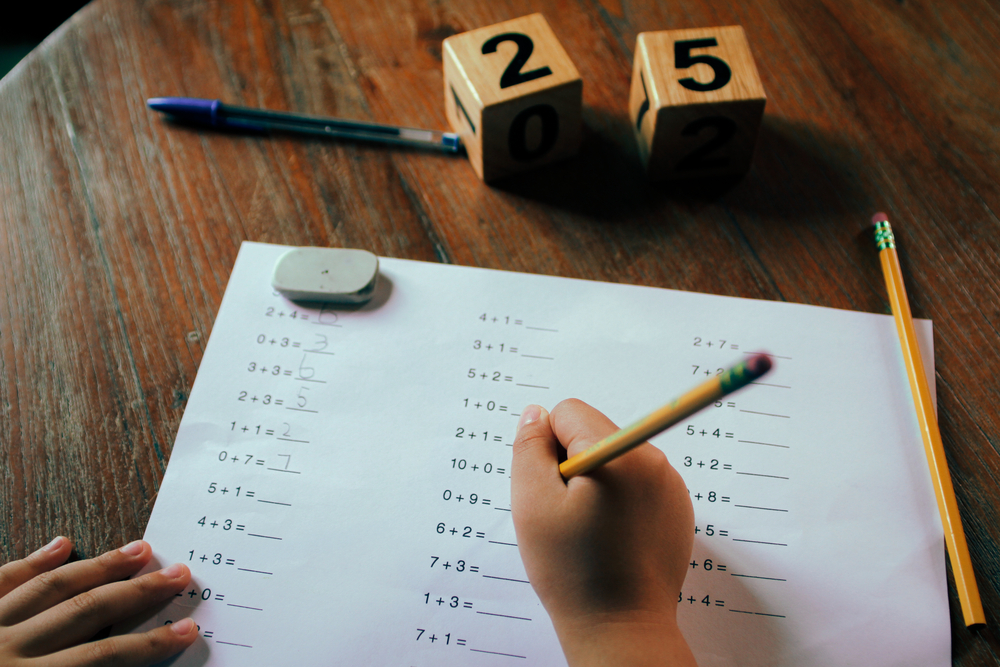




Mental math skills, especially normal multiplication, are crucial for children aged 3-8 as they form the foundation for mathematical understanding and problem-solving abilities. Developing these skills early fosters critical thinking, as children learn to manipulate numbers flexibly and confidently without relying solely on calculators or paper. It encourages them to approach mathematics with a positive attitude and a sense of achievement.
Additionally, mastering multiplication at a young age contributes significantly to overall academic performance, as multiplication is foundational for more complex mathematical operations such as division, fractions, and algebra. When children can visualize and process mathematical information mentally, they become more adept at tackling challenging concepts as they progress.
Equally important, mental math enhances cognitive development; it exercises memory, concentration, and logical reasoning skills. Furthermore, it encourages a culture of perseverance and resilience, as children learn that mistakes are part of the learning process.
Parents and teachers should prioritize mental math in their educational approaches. By doing so, they equip children with invaluable tools that will benefit them academically and personally, instilling in them a lifelong appreciation for mathematics and its practical applications.








