Multiplication practice Normal Multiplication Worksheets for Ages 3-8 - Page 2
26 filtered results
-
From - To
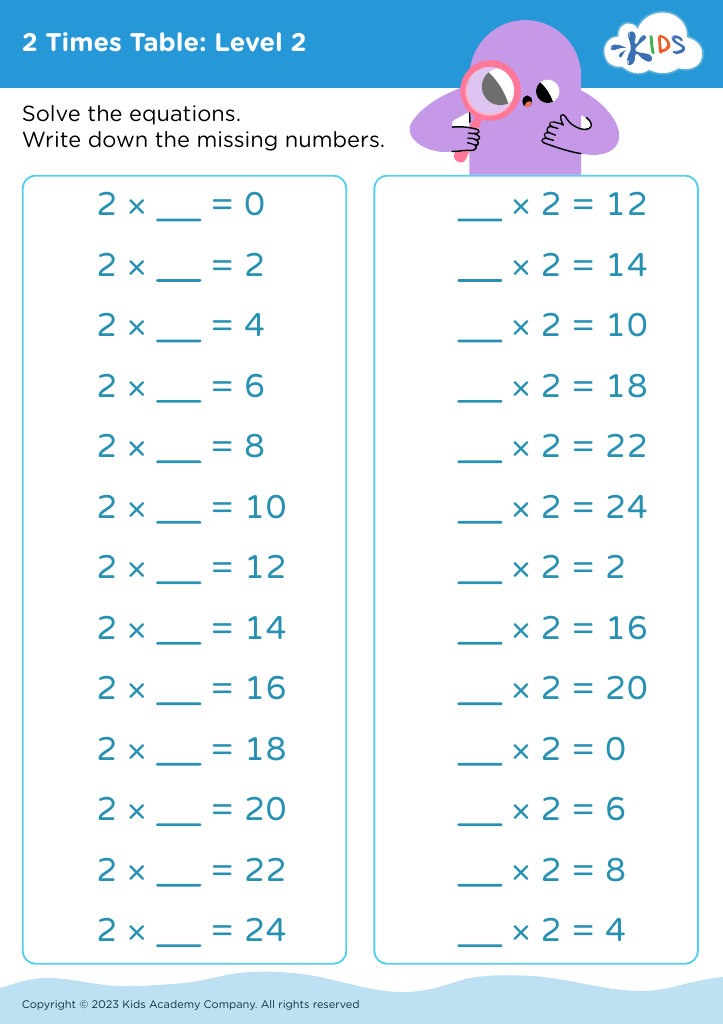
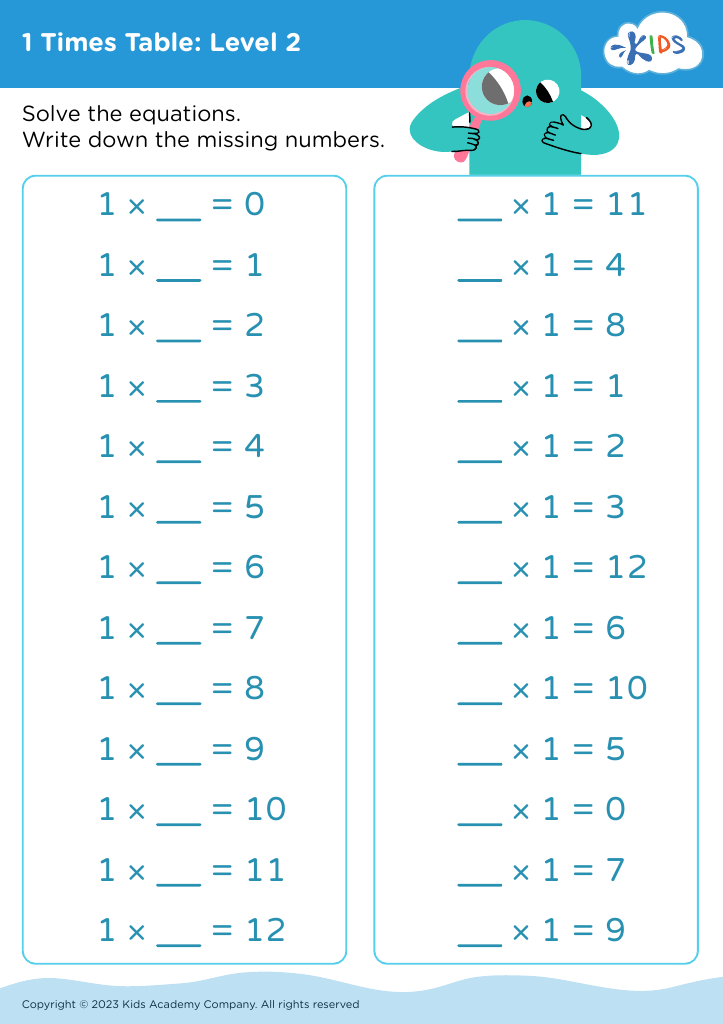


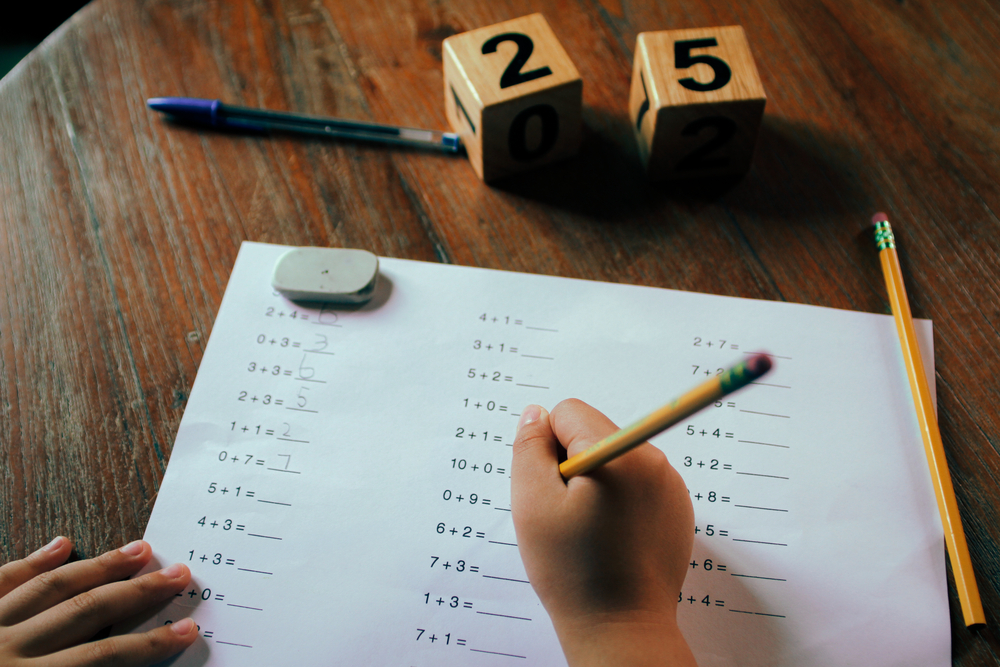





Parents and teachers should prioritize multiplication practice for children aged 3-8 because foundational math skills are crucial for their cognitive and academic development. At this young age, children's brains are highly receptive and can easily absorb new concepts. Introducing multiplication early helps build a strong mathematical foundation that will benefit them throughout their education.
Multiplication is more than just learning times tables; it fosters critical thinking and problem-solving skills. It encourages children to recognize patterns, understand concepts of grouping, and develop logical reasoning. Mastery of multiplication supports future learning in more complex areas of mathematics, like division, fractions, and algebra.
Additionally, developing confidence in math helps children approach the subject with a positive attitude. Early success in multiplication can boost self-esteem and reduce math anxiety, setting the stage for a lifelong appreciation of math.
Furthermore, multiplication skills are directly applicable in everyday life. Understanding multiplication helps children with practical tasks such as calculating costs, understanding time, and measuring quantities in cooking or crafts.
In summary, incorporating multiplication practice for young children supports cognitive development, builds a robust academic foundation, and enhances life skills, ensuring they are better prepared for future educational challenges and daily life activities.








