Addition Practice Normal Place Value Worksheets for Ages 3-8
5 filtered results
-
From - To
Welcome to our Addition Practice Normal Place Value Worksheets designed for children ages 3-8! These engaging worksheets introduce young learners to the fundamental concepts of addition and place value in a fun and interactive way. Tailored to develop early math skills, our activities help children gain confidence as they practice adding numbers while understanding their placement within the tens and units. With colorful illustrations and age-appropriate examples, these worksheets make learning exciting and accessible. Perfect for home or classroom use, our resources aim to foster a love for math while laying a solid foundation for future learning. Start your child's math journey with us today!
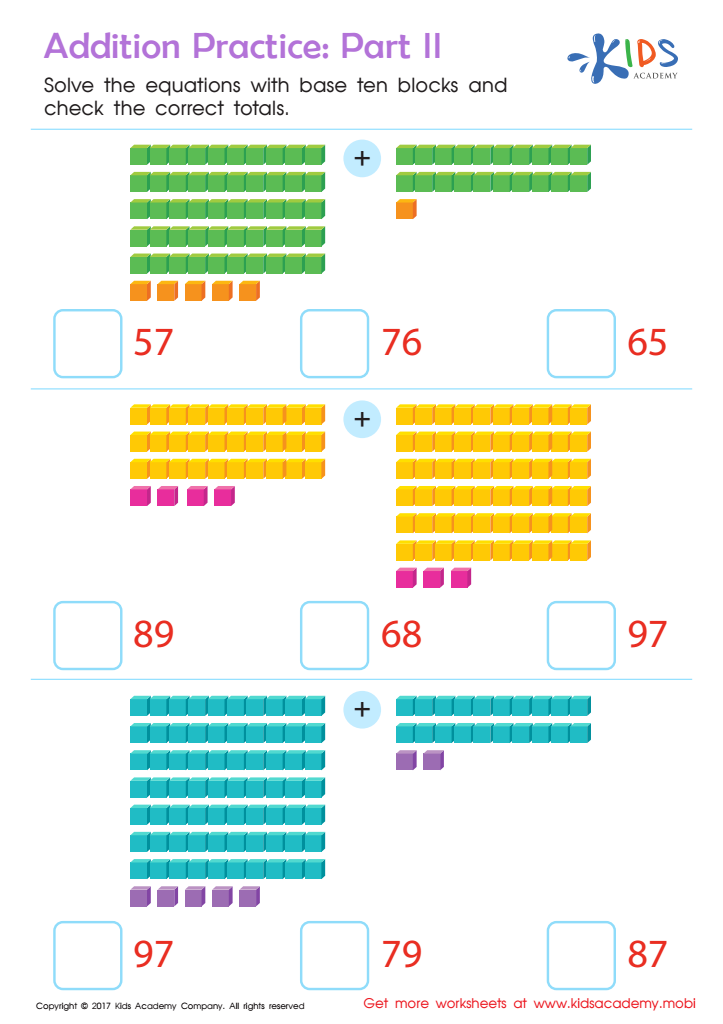
Addition Practice Sheet: Part 2
 Assign to My Students
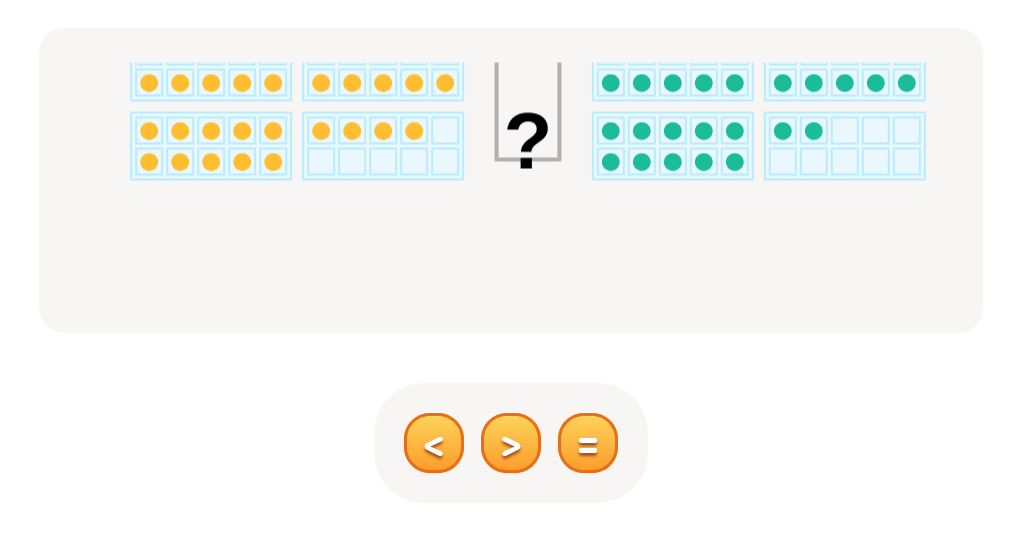

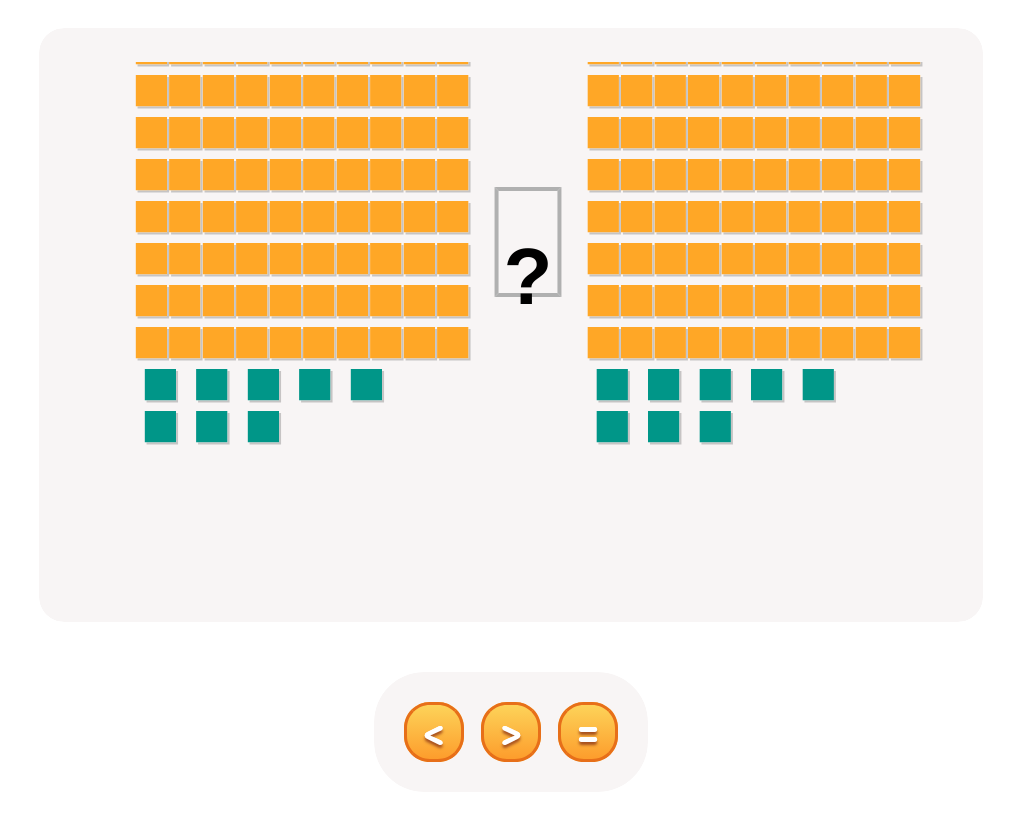
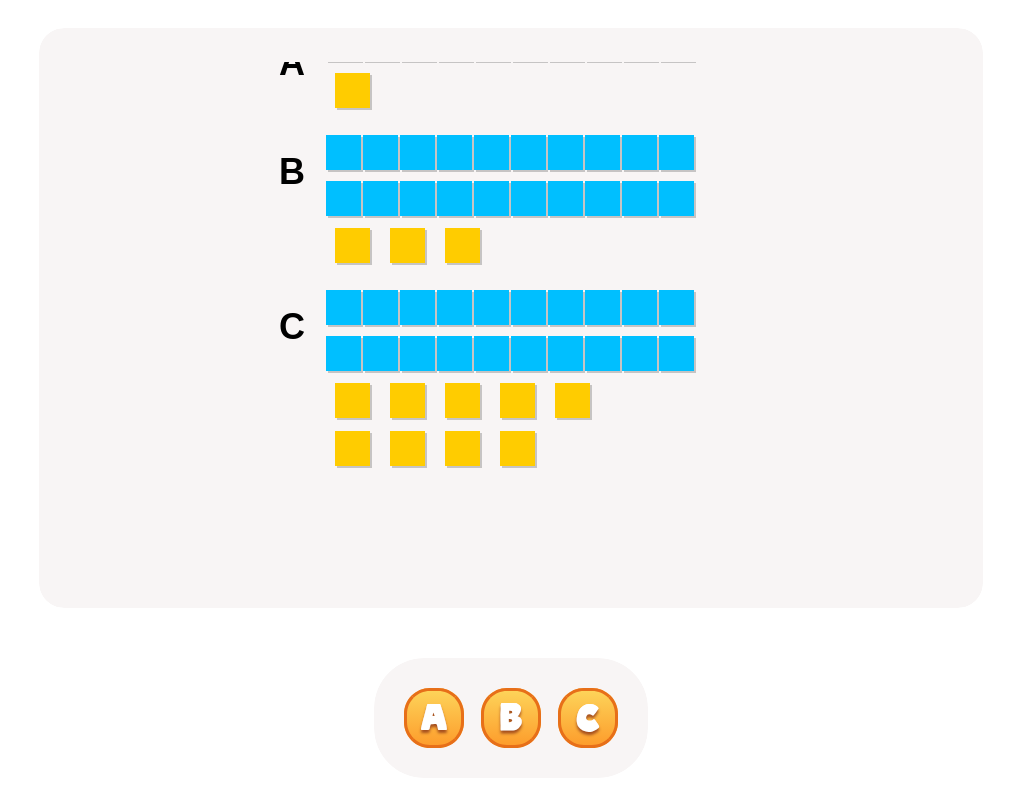
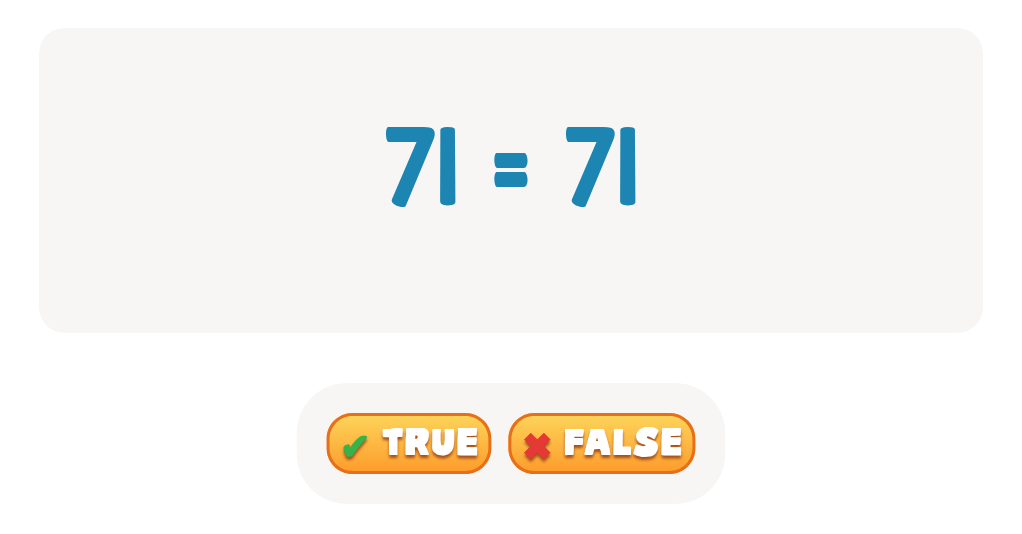
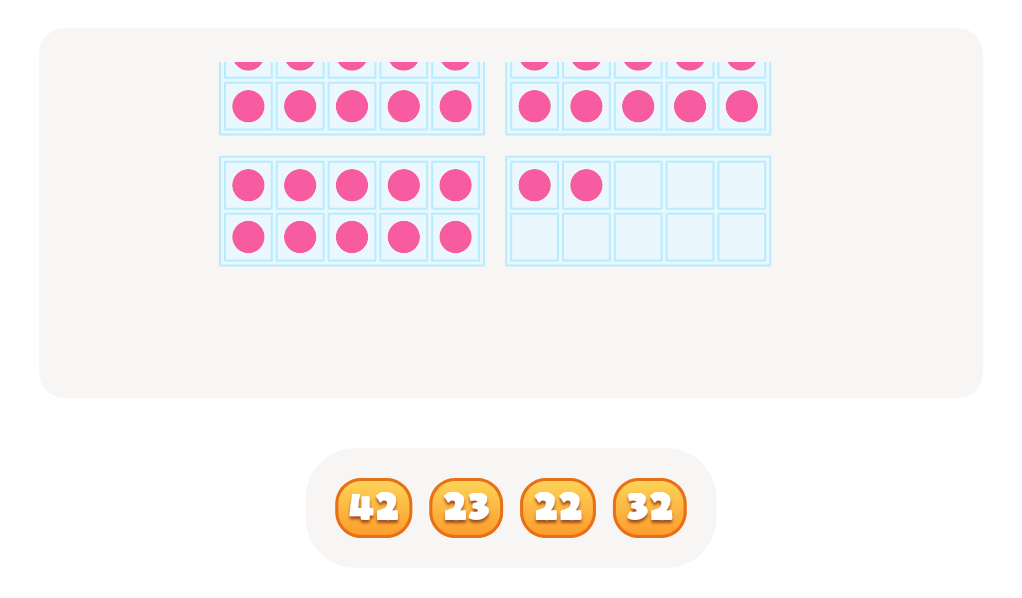
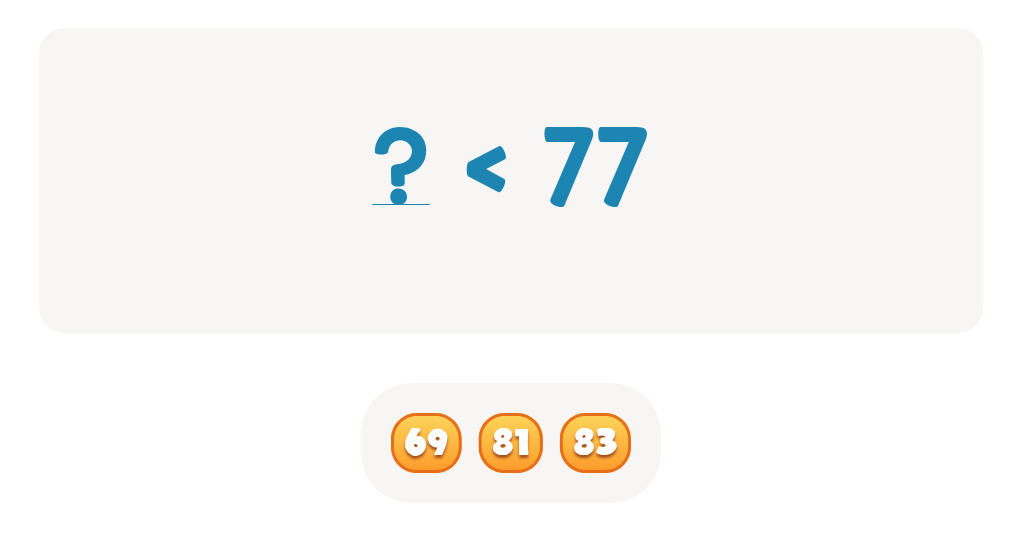
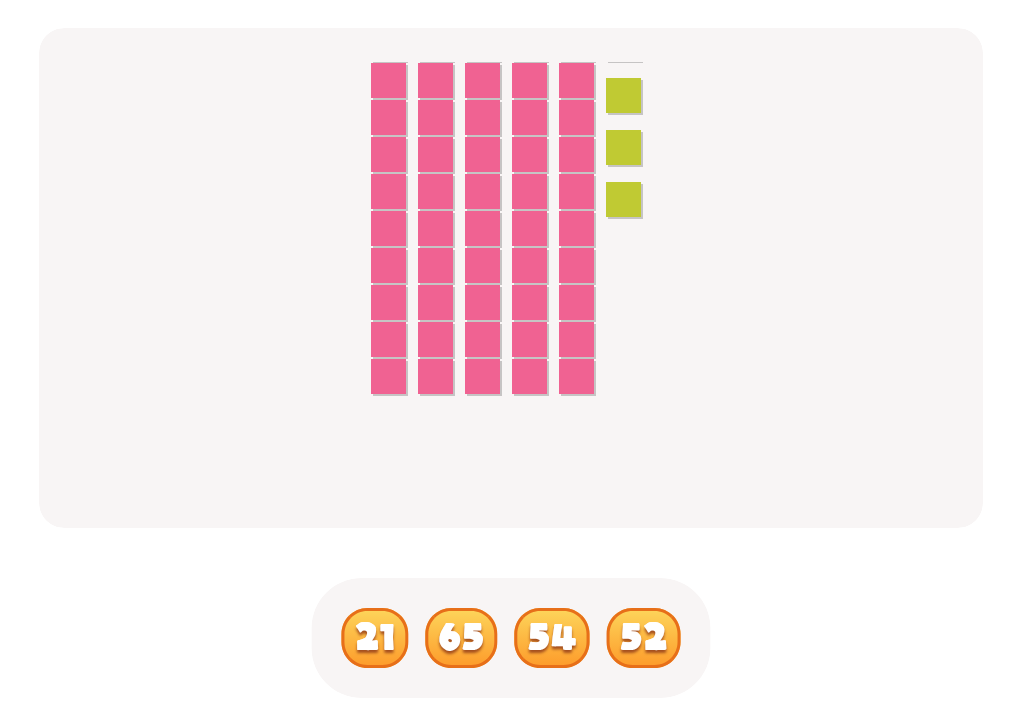
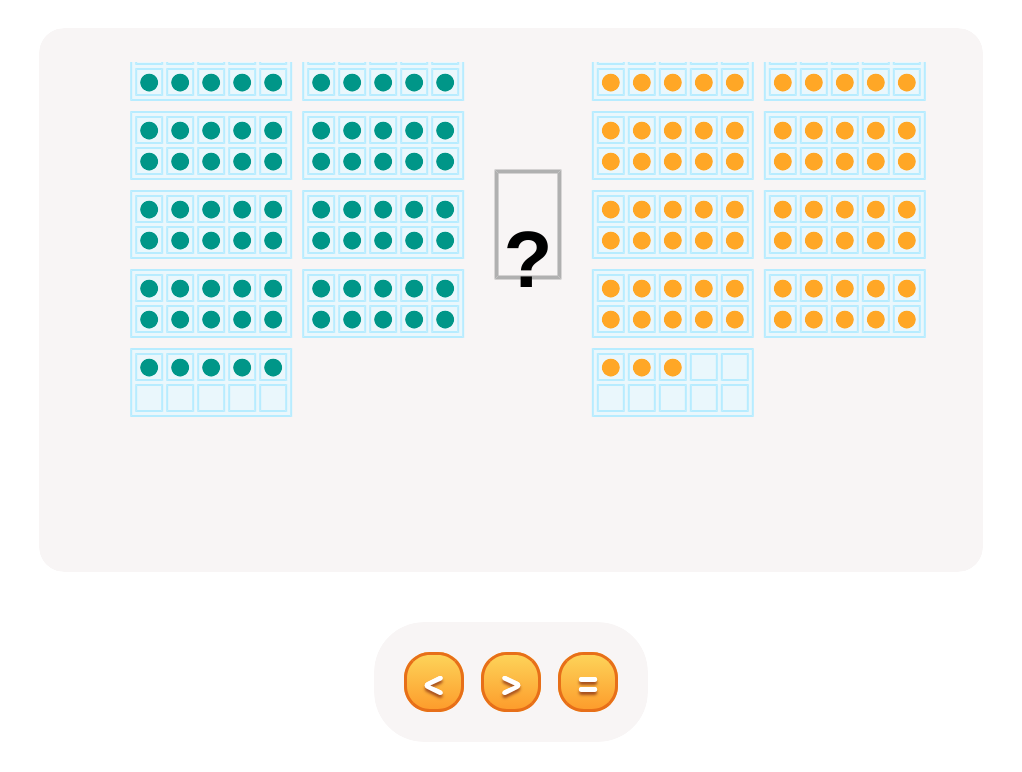
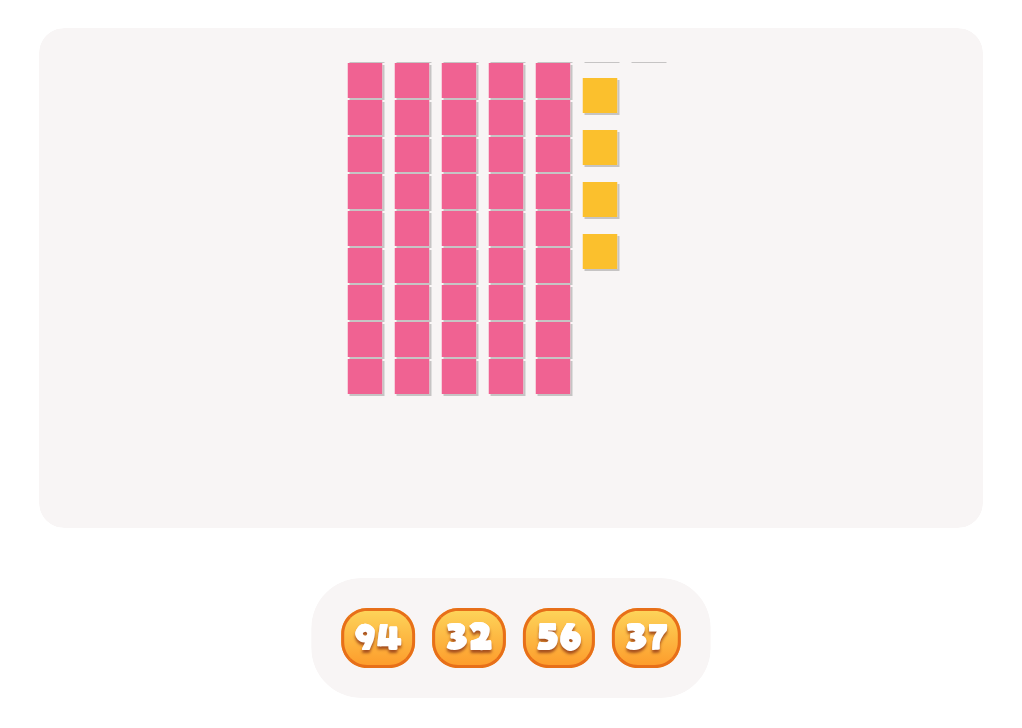
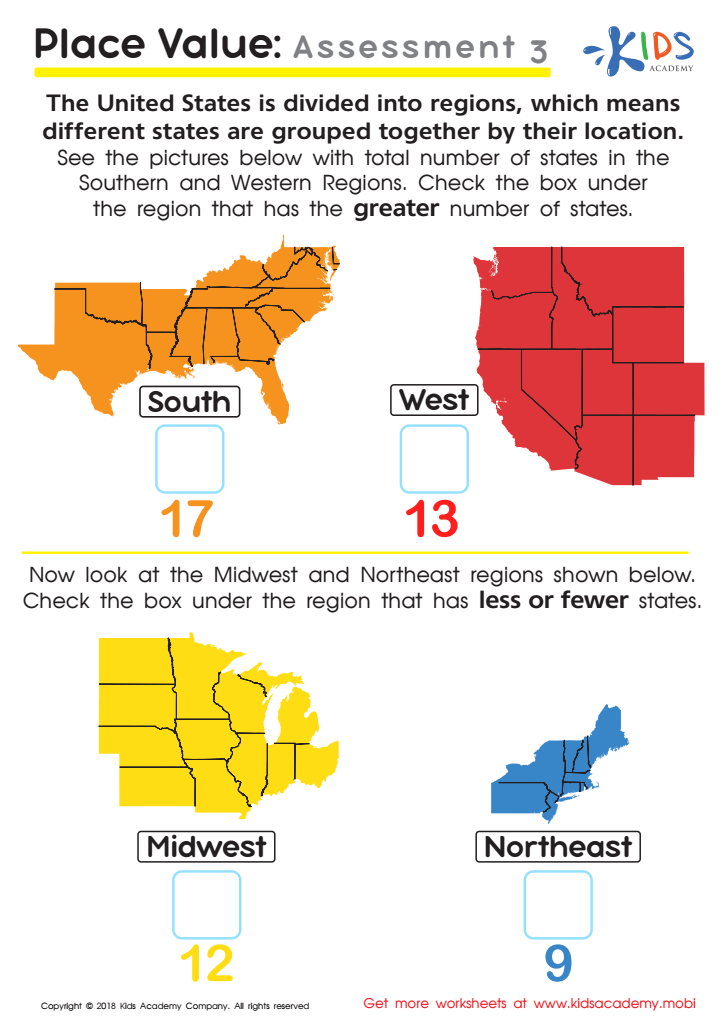
Place Value: Assessment 3 Worksheet
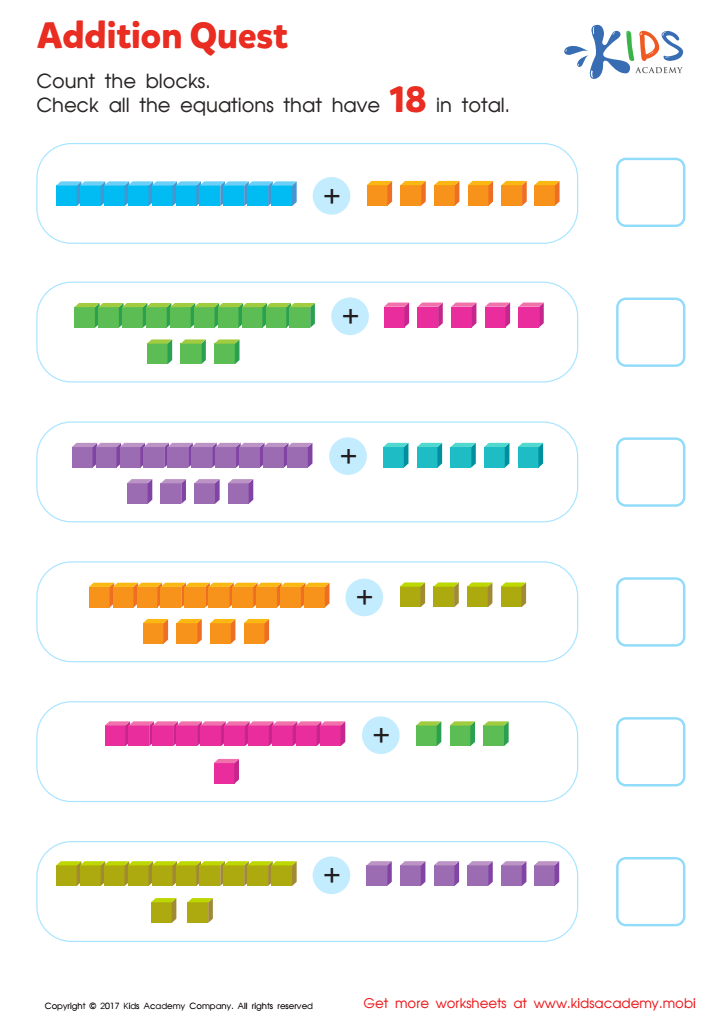
Addition Quest Worksheet: Part 2
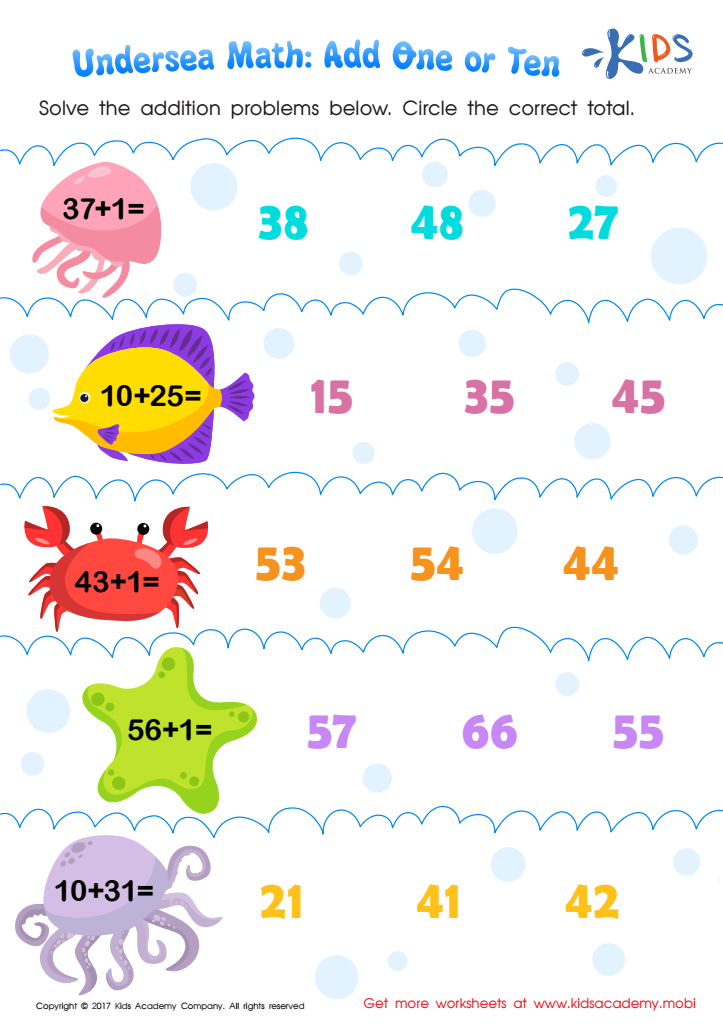
Undersea Math Worksheet
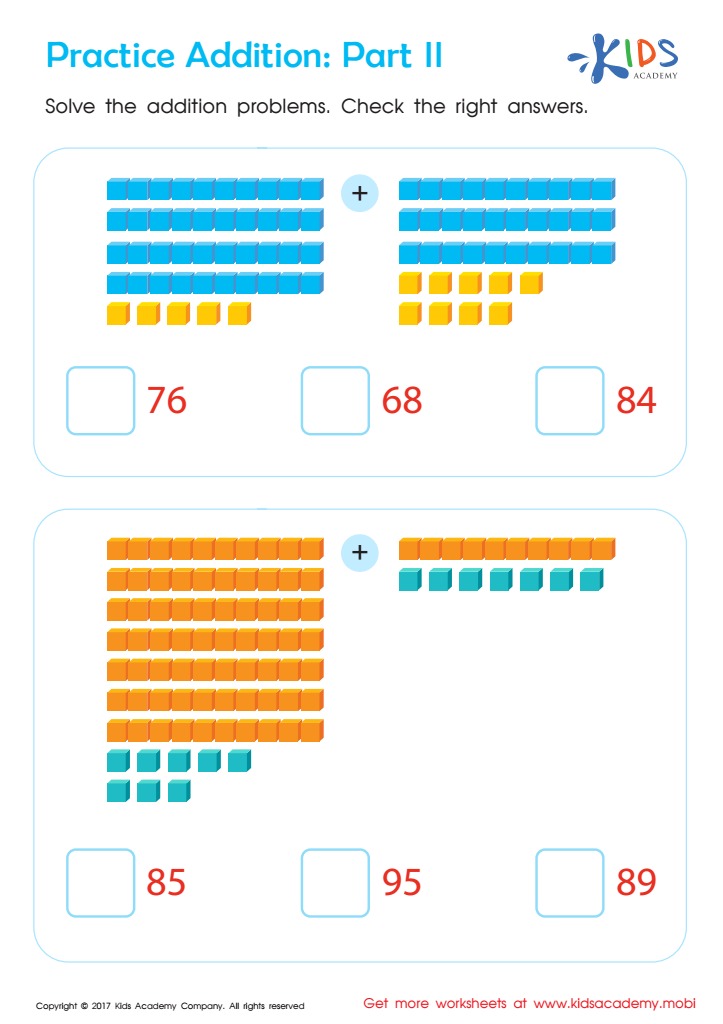
Practice Addition: Part 2 Worksheet







Parents and teachers should prioritize Addition Practice and Normal Place Value for children aged 3-8 because these foundational skills play a crucial role in a child's mathematical development. Understanding place value—recognizing the value of digits based on their position—lays the groundwork for mastering addition and other mathematical concepts. Early exposure to these concepts helps young learners grasp the idea that a digit represents different values depending on its placement, which is vital for developing number sense and confidence in math.
Furthermore, consistent addition practice fosters problem-solving skills, promoting logical reasoning and critical thinking. It boosts children’s cognitive development and memory retention through engaging activities and repetition. By creating a supportive atmosphere where students feel encouraged to experiment with numbers, caregivers enhance their motivation and reduce math anxiety.
Early mastery of these skills not only prepares children for future academic challenges but also lays a foundation for lifelong financial literacy, enabling them to make informed decisions as they grow older. Ultimately, ensuring that children have a solid understanding of addition and place value equips them with the essential tools for success in mathematics and everyday life.