Moral understanding Normal Reading Worksheets for Ages 3-8
5 filtered results
-
From - To
Enhance your child's moral foundation with our "Moral Understanding Normal Reading Worksheets for Ages 3-8." Tailored for young minds, these engaging worksheets facilitate critical discussions about values, ethics, and good decision-making through age-appropriate stories and activities. Each worksheet is carefully designed to blend moral lessons with reading exercises, helping children not only improve their literacy skills but also develop empathy, responsibility, and integrity. Perfect for early education, our resources support parents and teachers in nurturing well-rounded characters ready to navigate the world with kindness and wisdom. Explore today and inspire a brighter tomorrow!
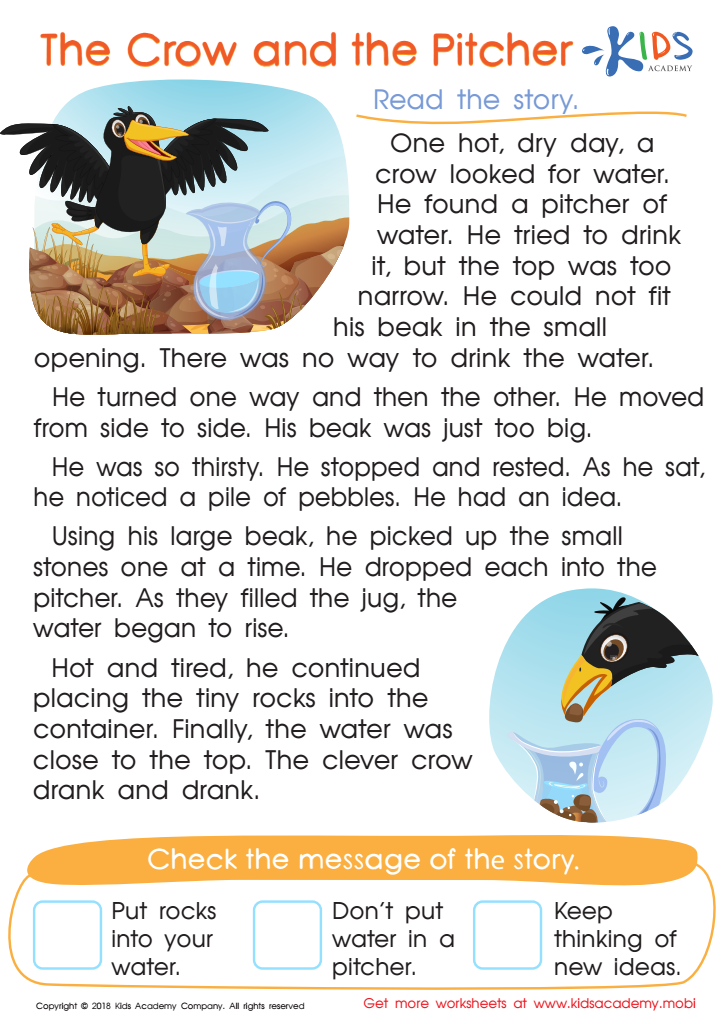
The Crow and the Pitcher Worksheet
 Assign to My Students
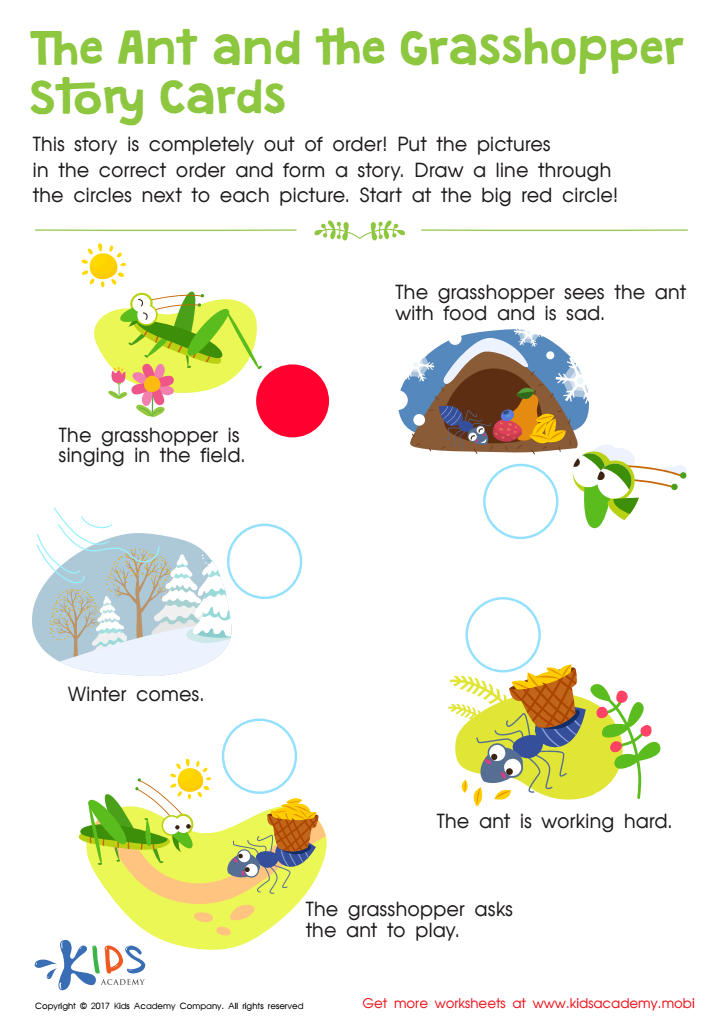
The Ant and The Grasshopper Worksheet
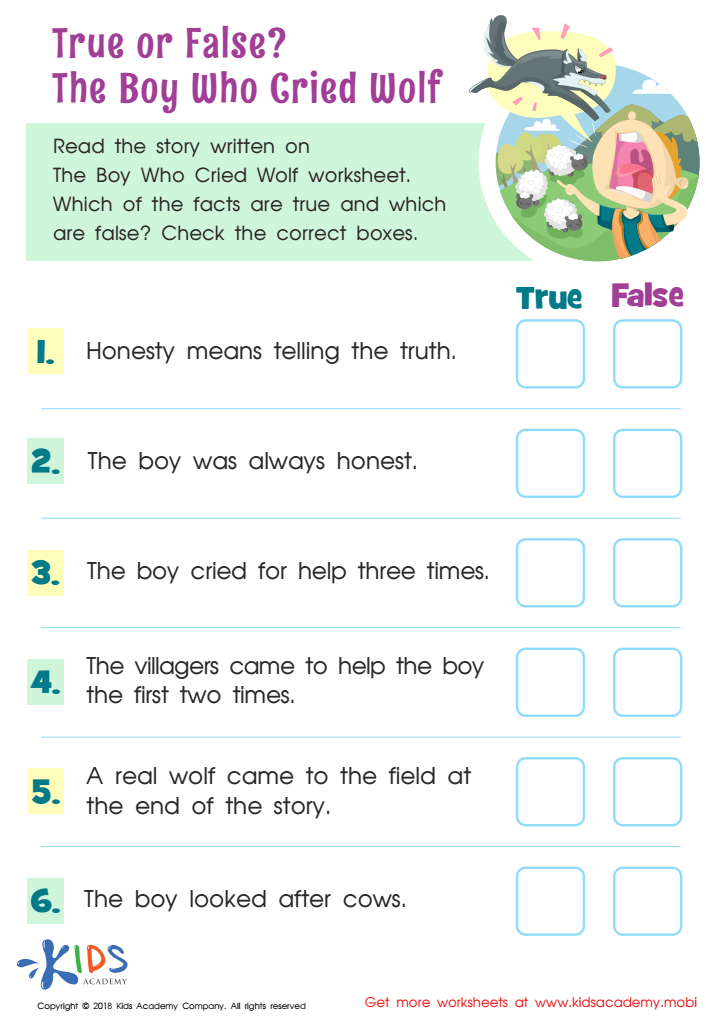
True or False? The Boy Who Cried Wolf Worksheet
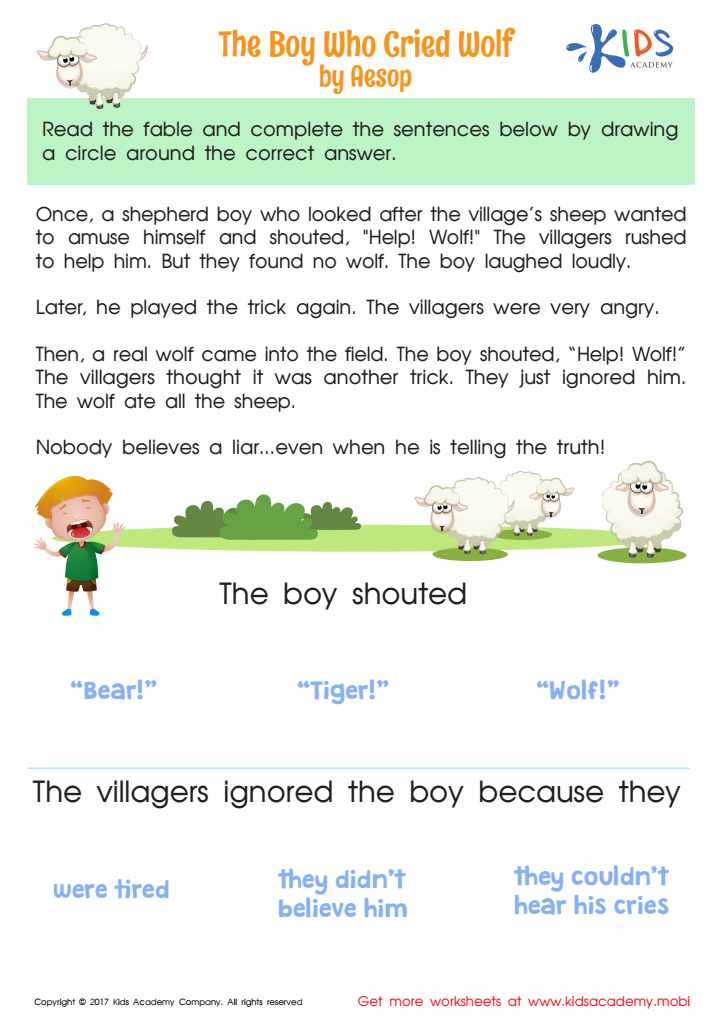
The Boy Who Cried Wolf Worksheet
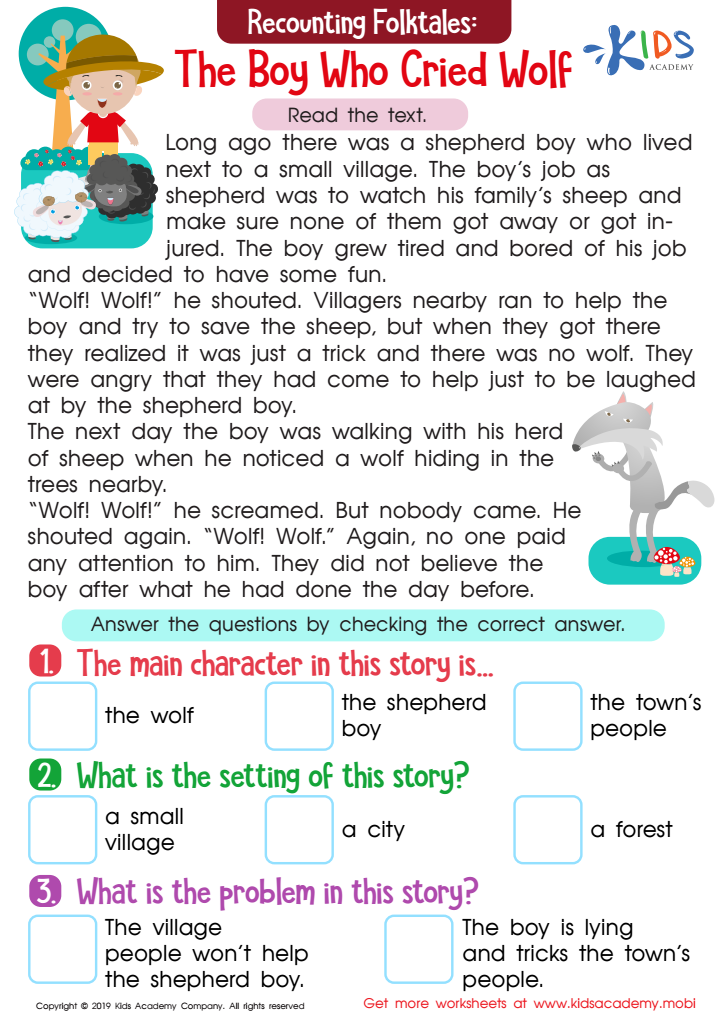
The Boy Who Cried Wolf Part 1 Worksheet


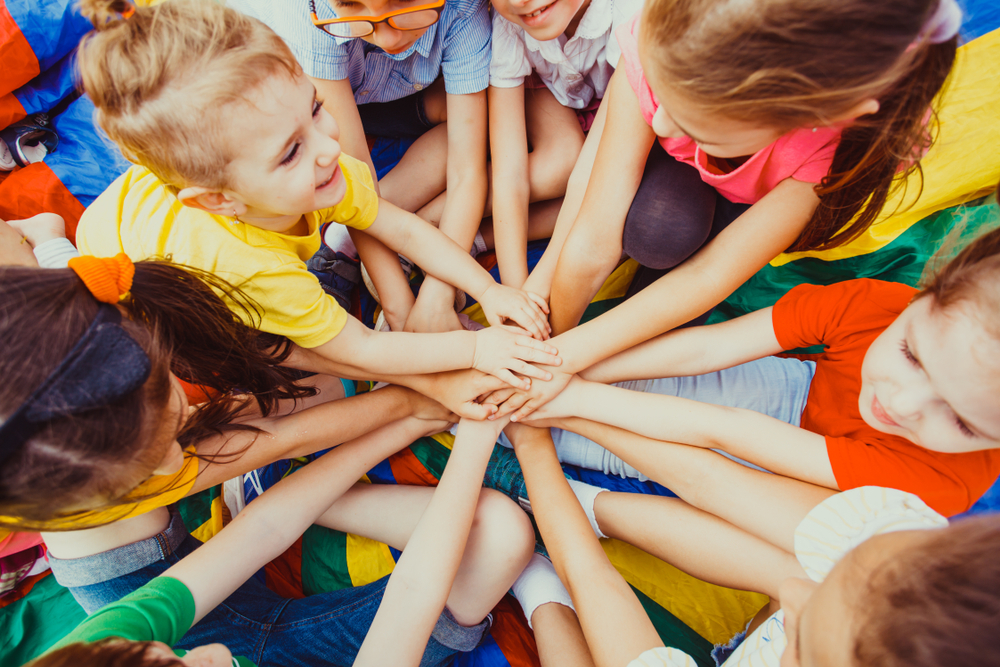




Moral understanding and a love for reading in early childhood, particularly for ages 3-8, are foundational aspects that parents and teachers should prioritize. During these formative years, children are highly impressionable and begin developing their core values and cognitive abilities. Guiding them through moral concepts such as kindness, honesty, and responsibility instills a sense of ethics that influences their behavior and decision-making throughout life. Positive character traits nurtured early can elevate emotional intelligence, making children better at empathy, conflict resolution, and building healthy relationships.
Simultaneously, reading at an early age is not just about decoding words but understanding narratives, characters, and emotions. It significantly enhances language skills, comprehension, and critical thinking. Normal reading routines can broaden children's horizons, introducing them to diverse cultures and ideas, and promoting imagination and creativity.
Parents and teachers who actively foster moral understanding and reading habits set children up for long-term success. Moral lessons intertwined with stories can create engaging and memorable learning experiences. This holistic growth ensures kids are both intellectually informed and ethically grounded, preparing them well for the complexities of the world ahead. By investing in these aspects, adults contribute to nurturing balanced, thoughtful, and compassionate future generations.








