Vocabulary Building Normal Reading Worksheets for Ages 3-8
20 filtered results
-
From - To
Boost your child's language skills with our Vocabulary Building Reading Worksheets, designed for ages 3-8. These engaging printables from Kids Academy help young learners expand their vocabulary through fun and effective exercises. Each worksheet incorporates age-appropriate activities that foster word recognition, usage, and understanding, making reading an enjoyable experience. Perfect for home or classroom use, our worksheets aid in nurturing a strong linguistic foundation, leading to better reading comprehension and communication skills. Equip your child with the tools they need to succeed and watch their confidence soar as they master new words daily.
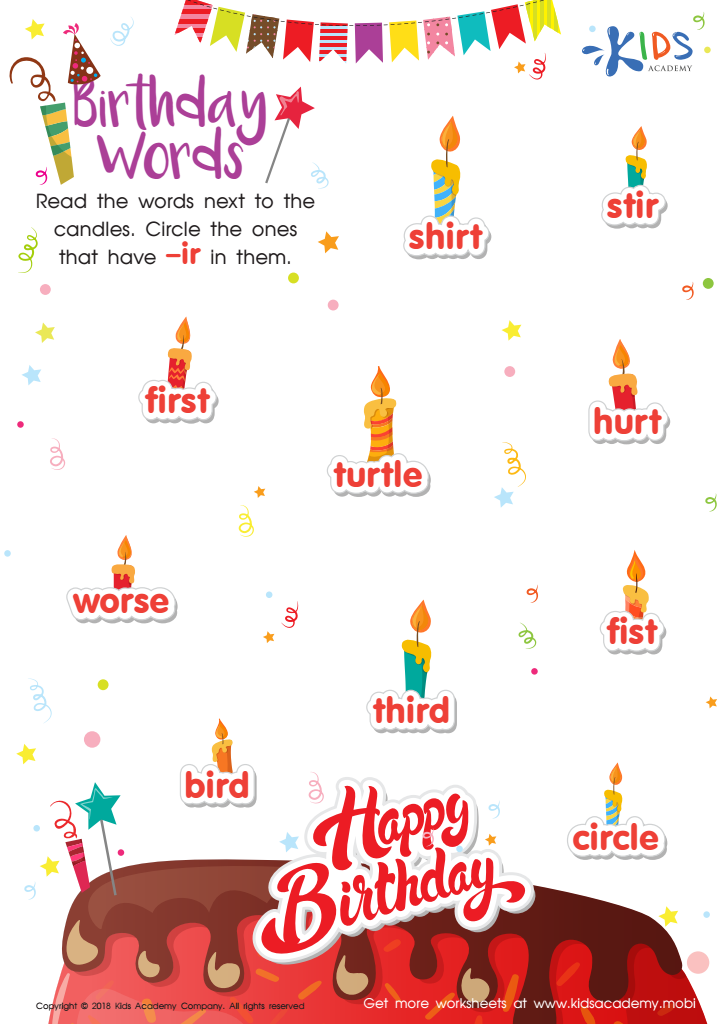
Birthday Words Worksheet
 Assign to My Students
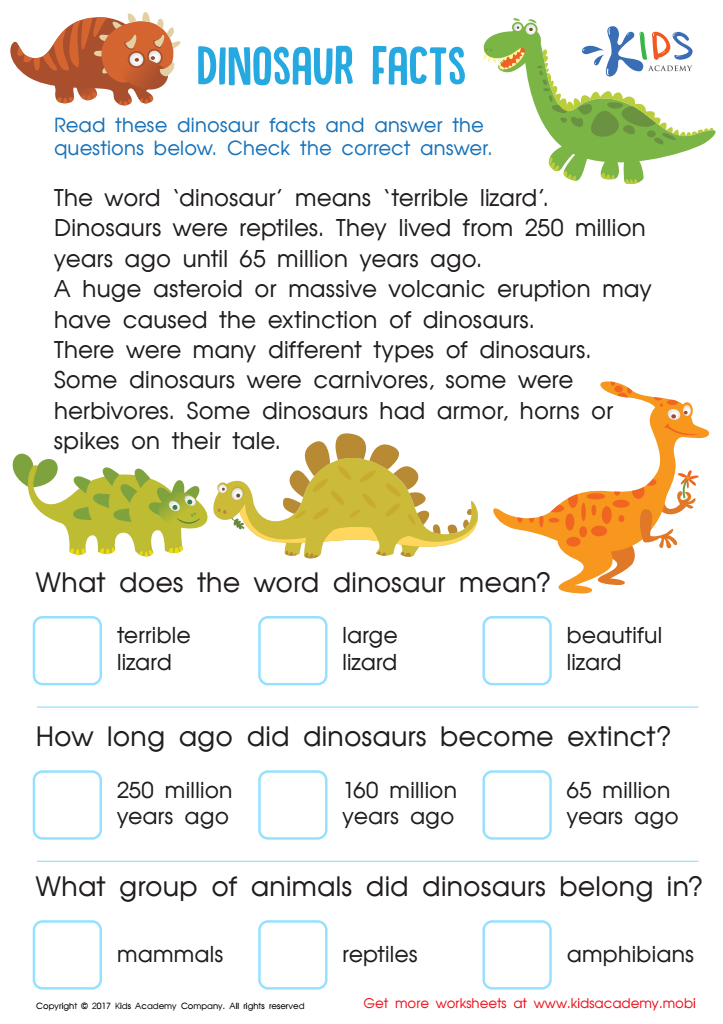
Dinosaur Facts Worksheet
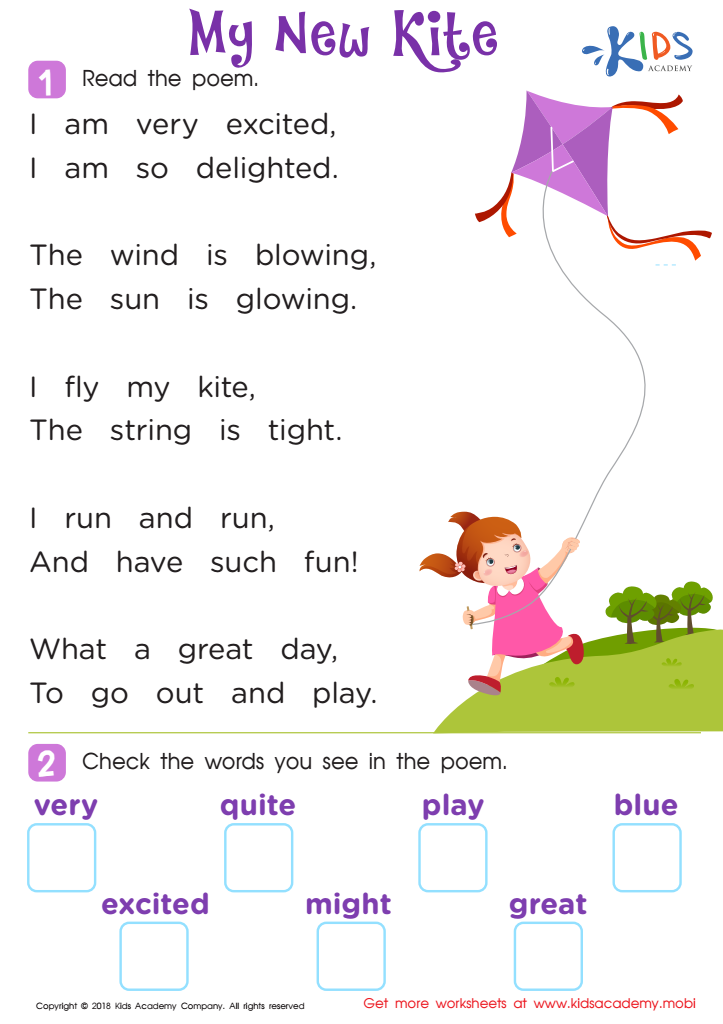
Poem: My New Kite Worksheet
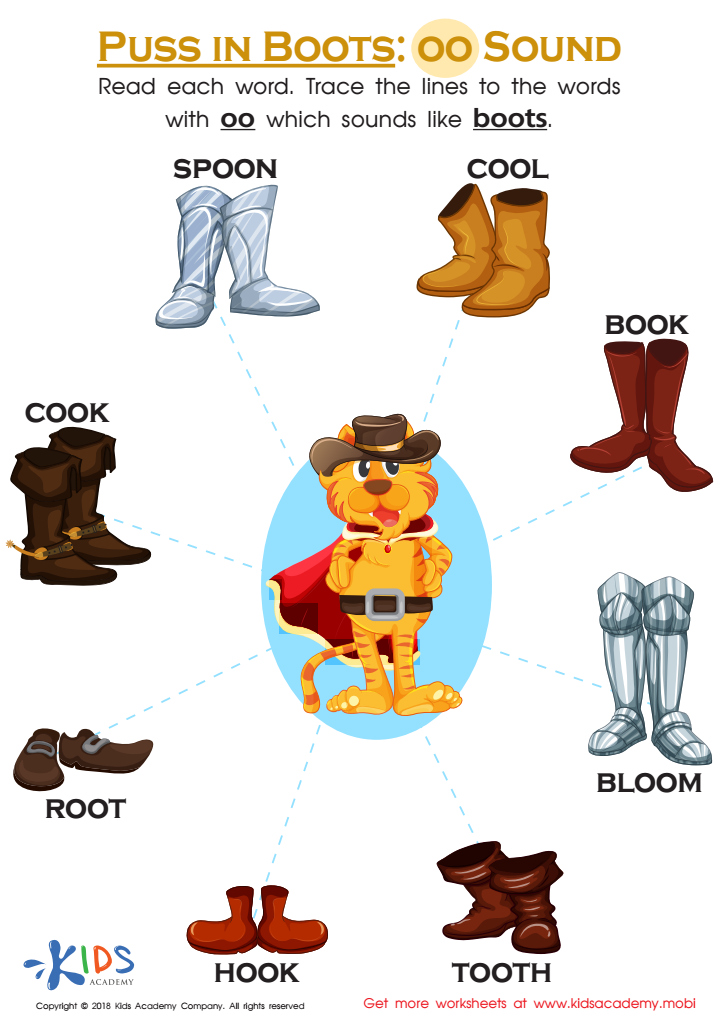
Puss in Boots: OO Sound Worksheet
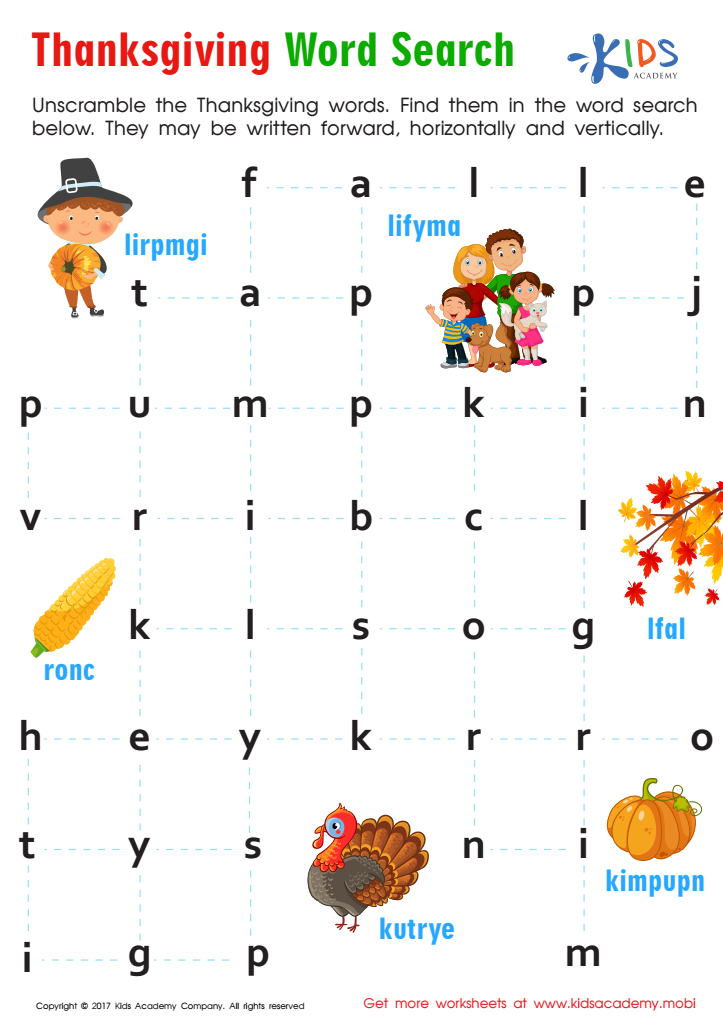
Thanksgiving Word Search Sight Words Worksheet
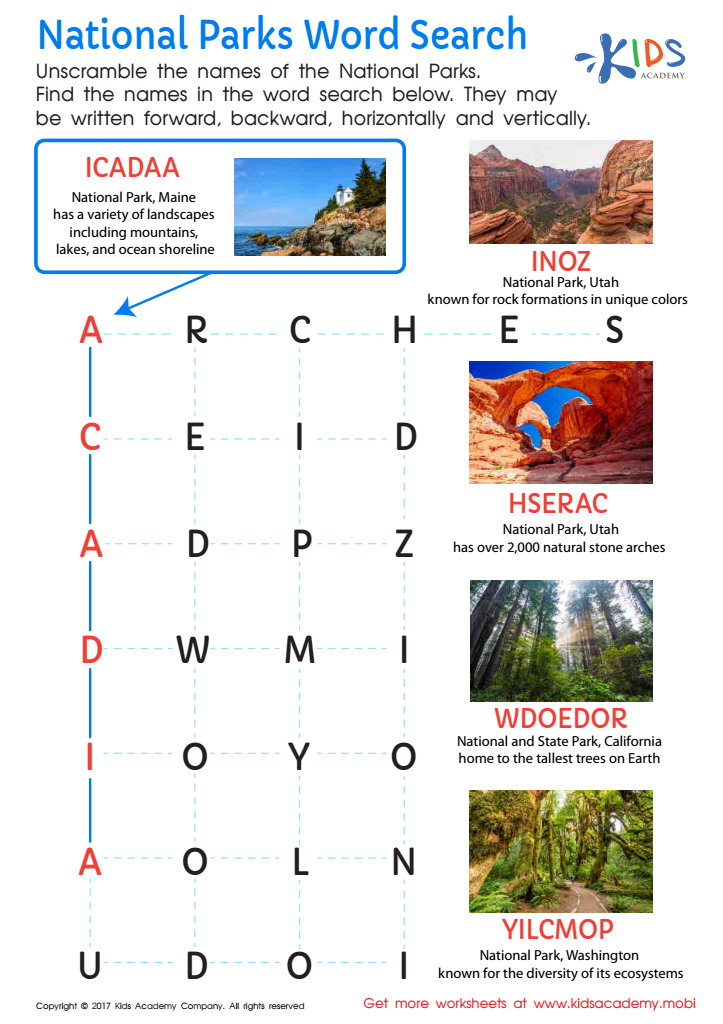
National Parks Word Search Worksheet
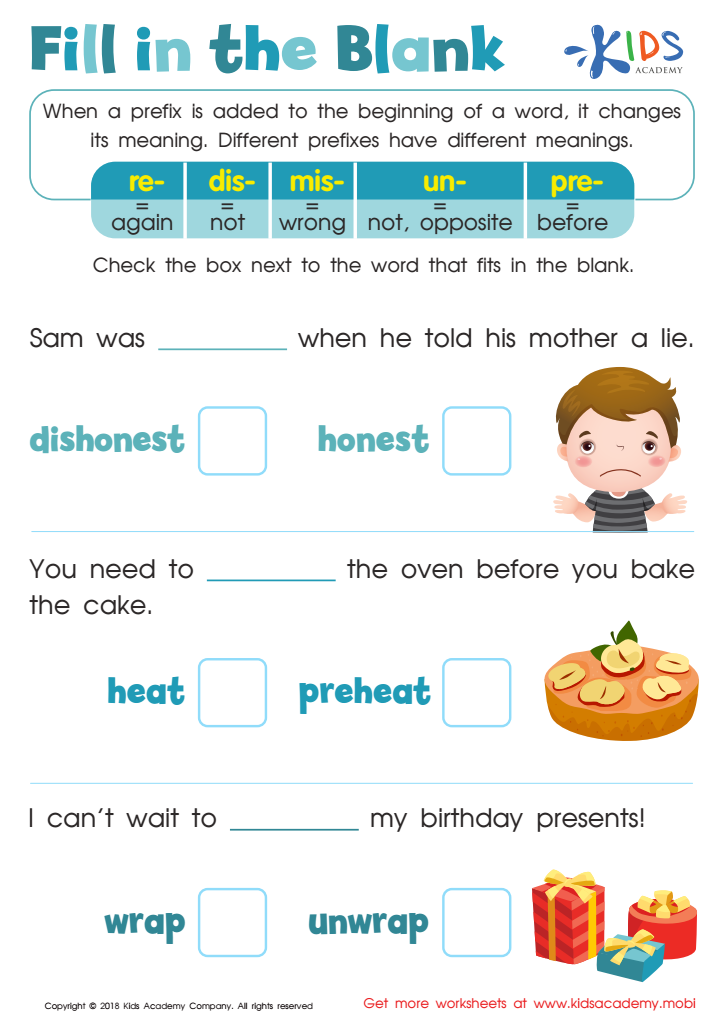
Reading: Fill in the Blank Worksheet
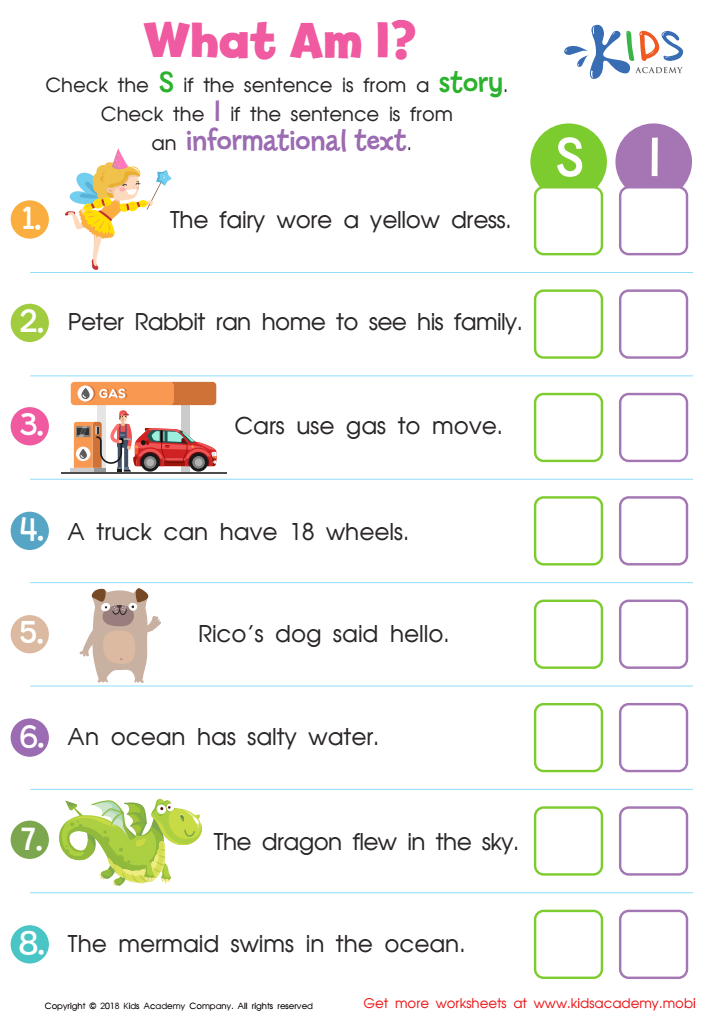
What Am I? Worksheet
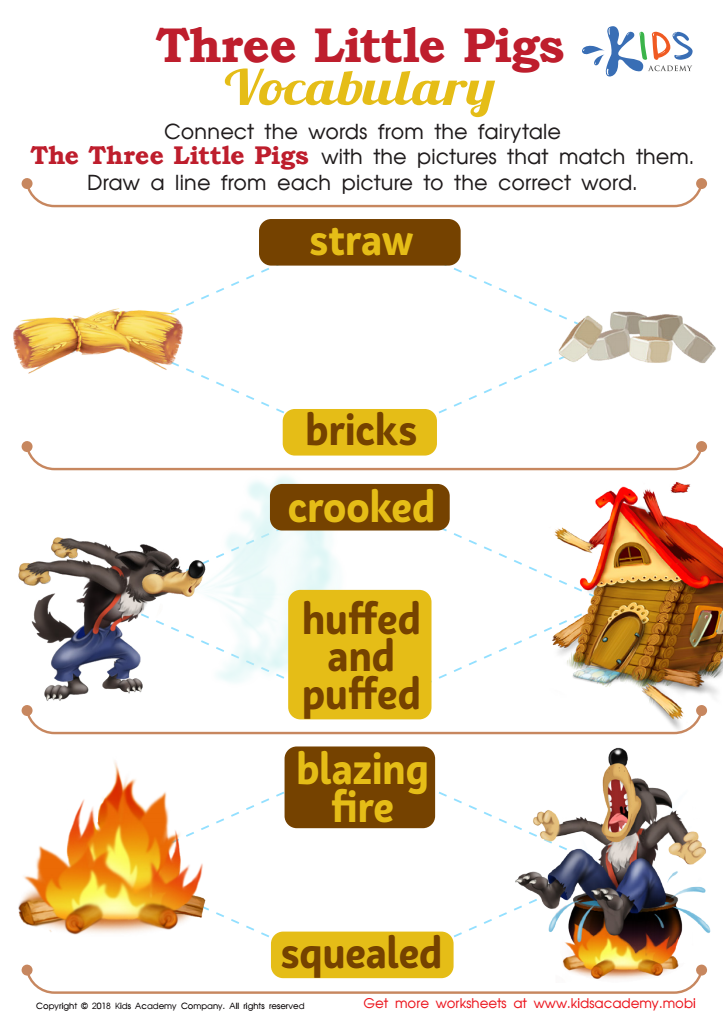
Three Little Pigs Vocabulary Worksheet
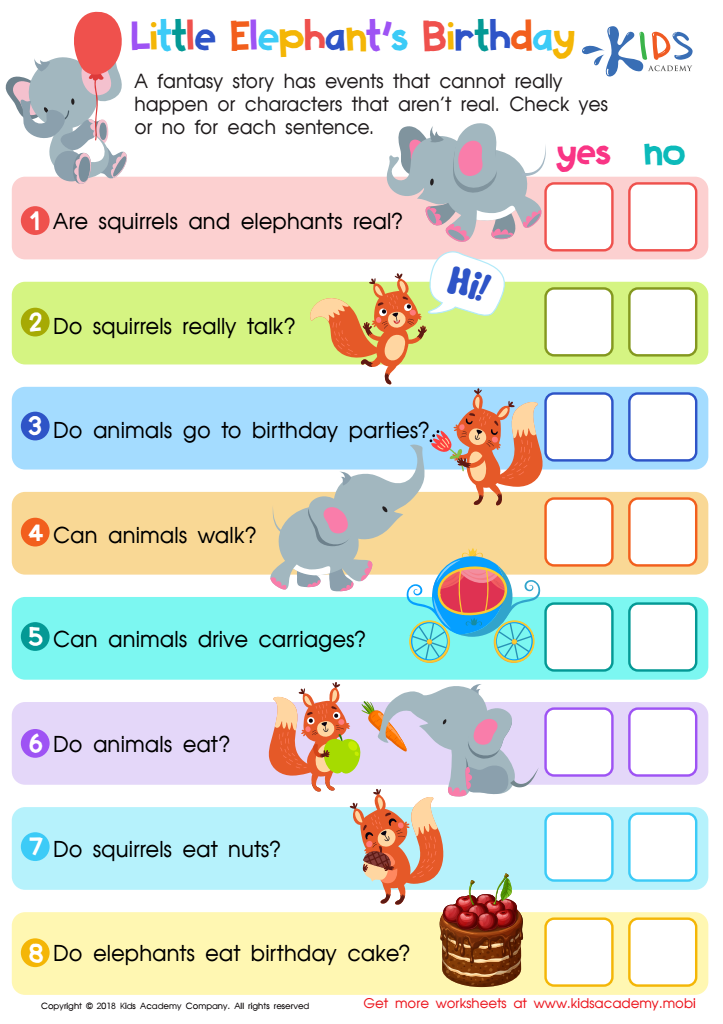
Little Elephant's Birthday Worksheet
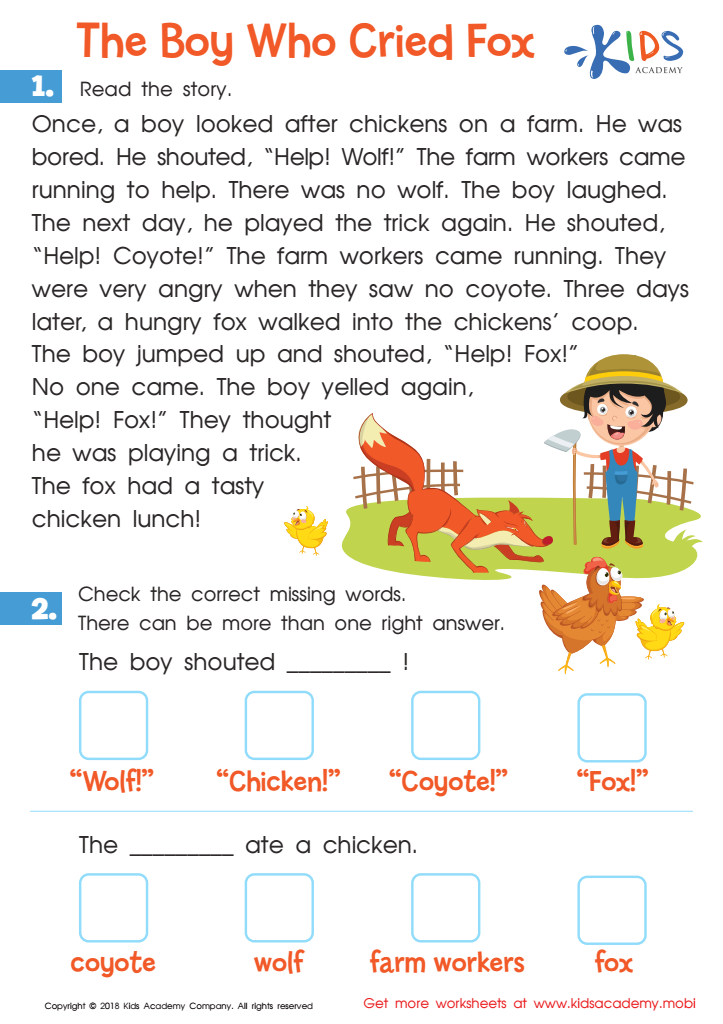
The Boy Who Cried Fox Worksheet
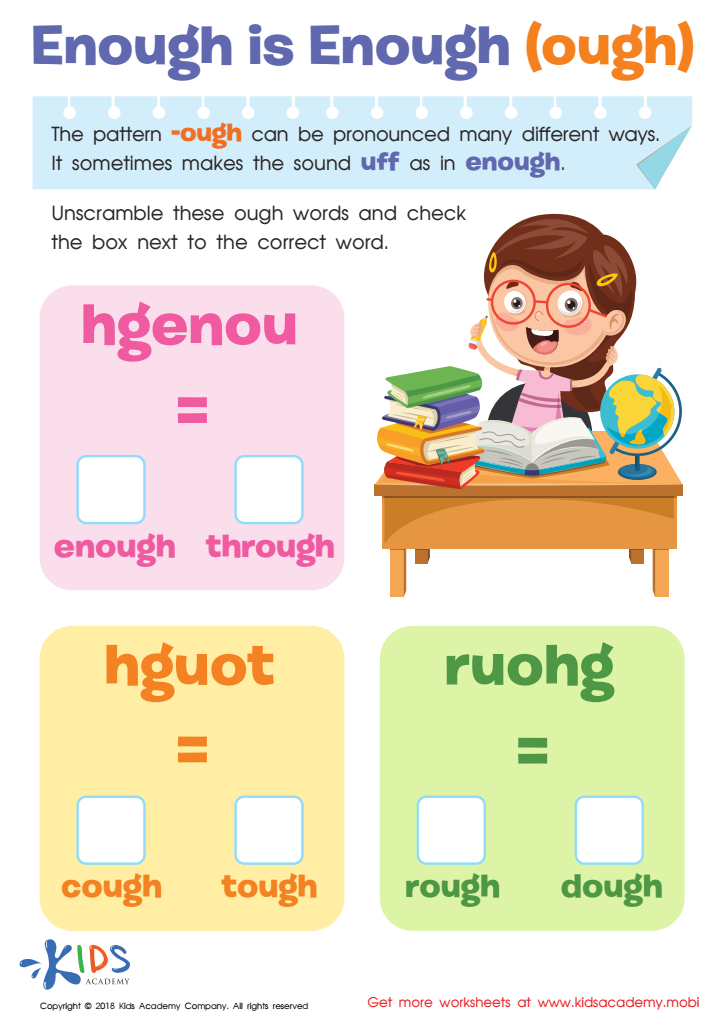
Enough Is Enough (ough) Worksheet
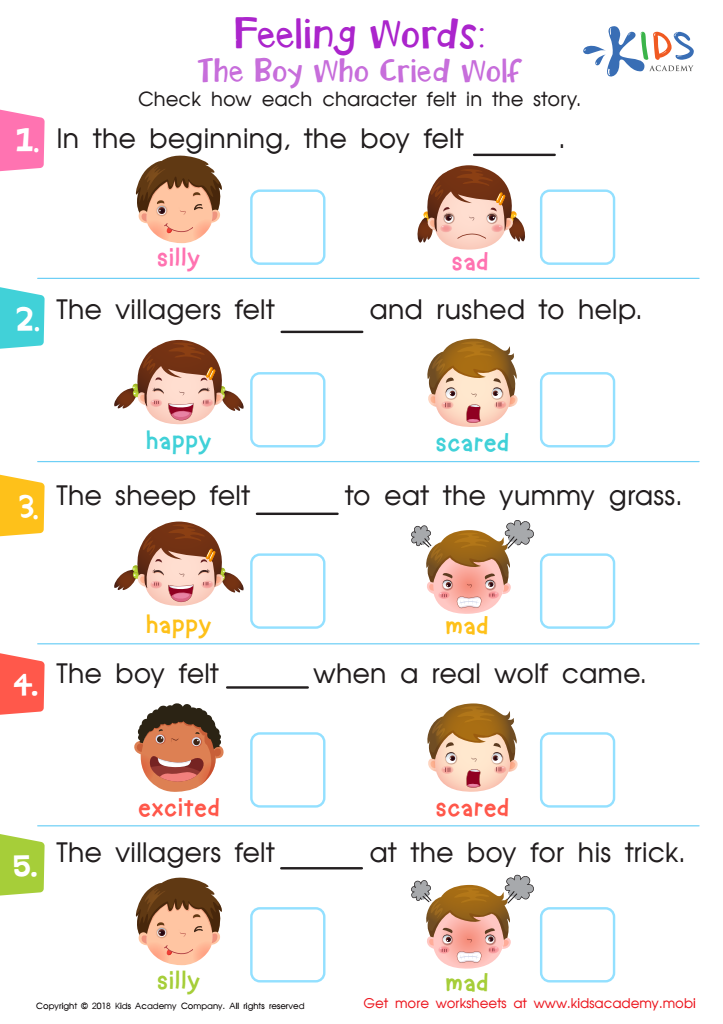
Feeling Words: The Boy Who Cried Wolf Worksheet

Golden Eagles Worksheet
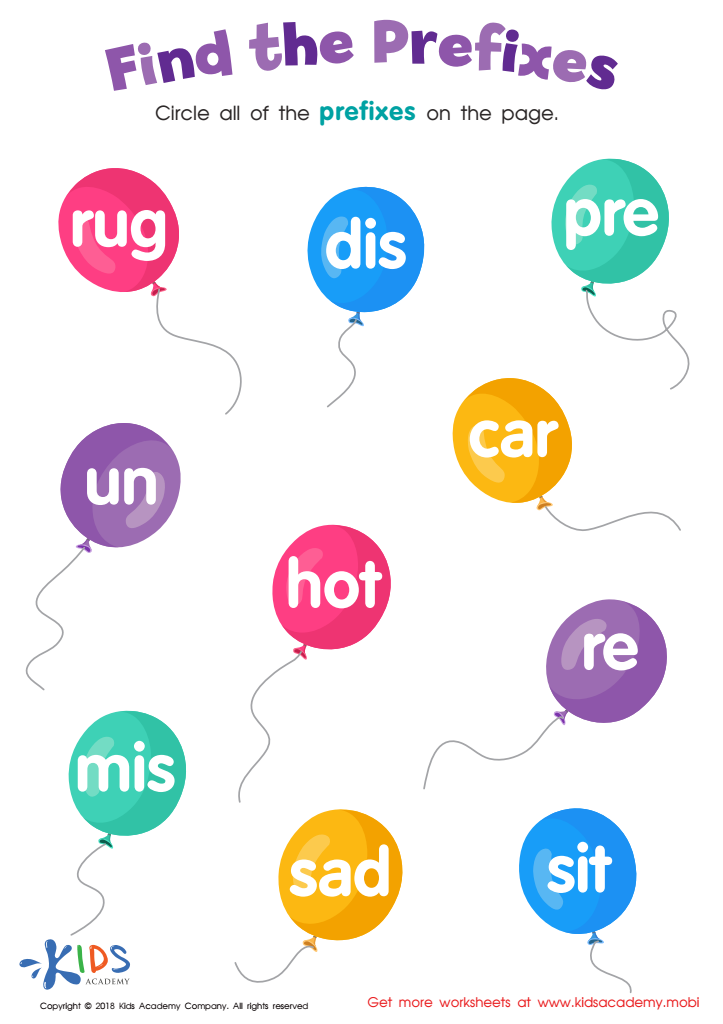
Reading: Find the Prefixes Worksheet
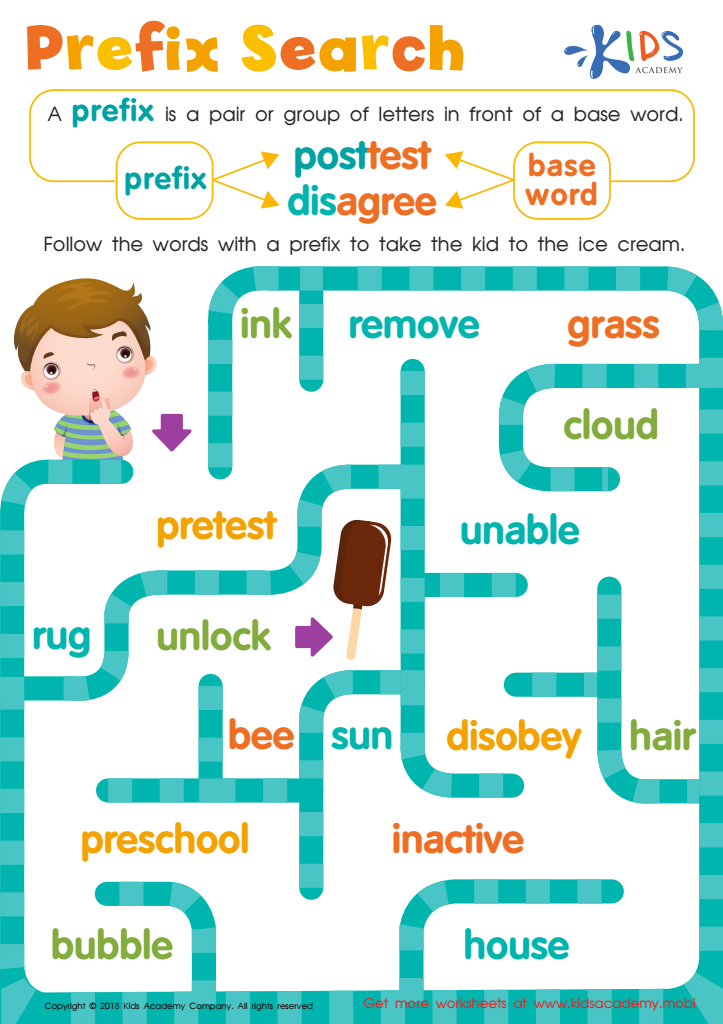
Reading: Prefix Search Worksheet
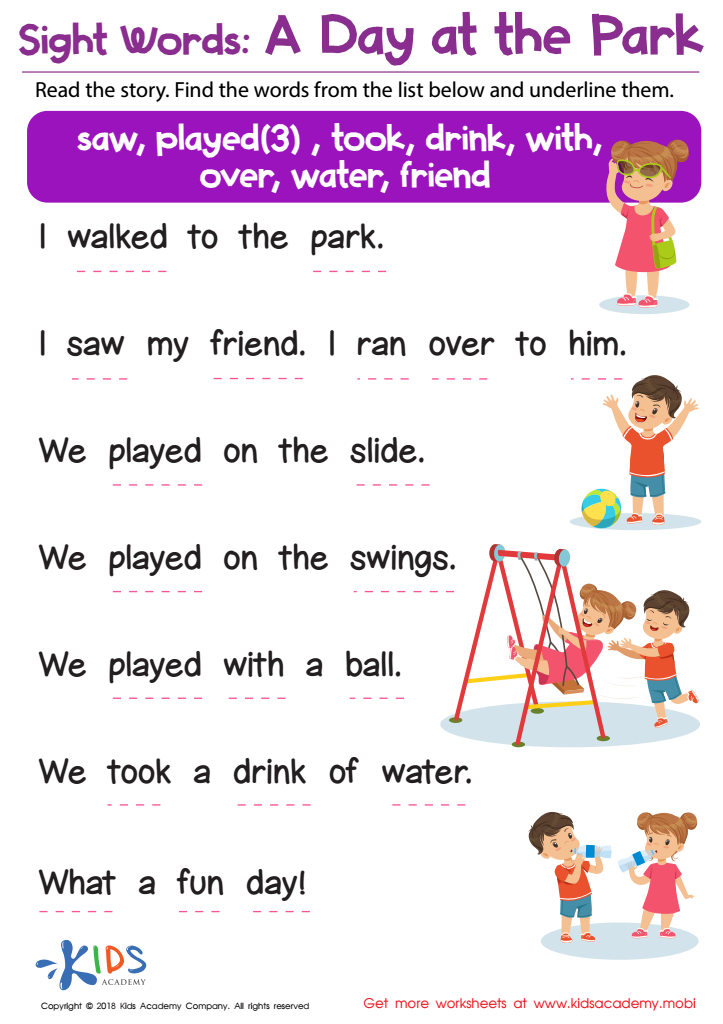
Sight Words: A Day at the Park Worksheet
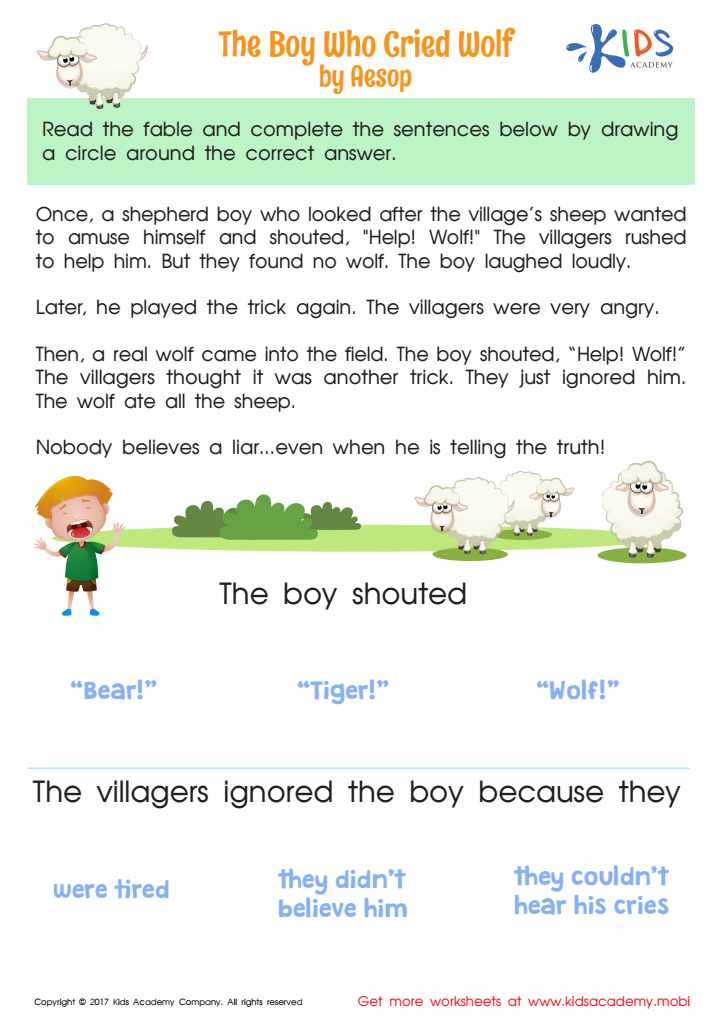
The Boy Who Cried Wolf Worksheet
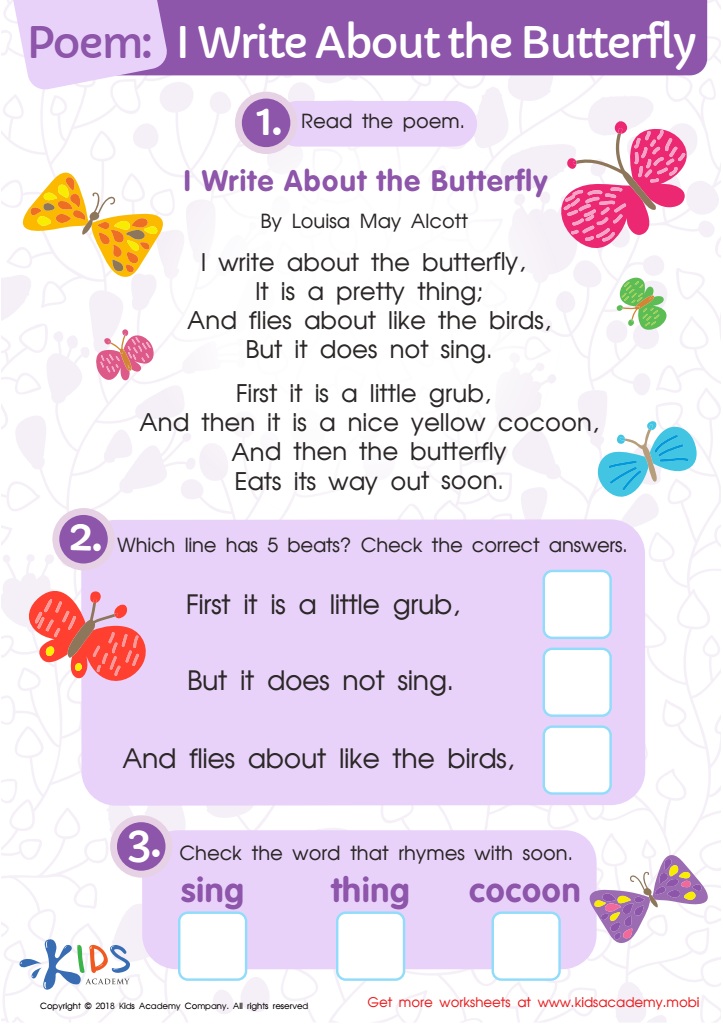
Poem: I Write About The Butterfly Worksheet
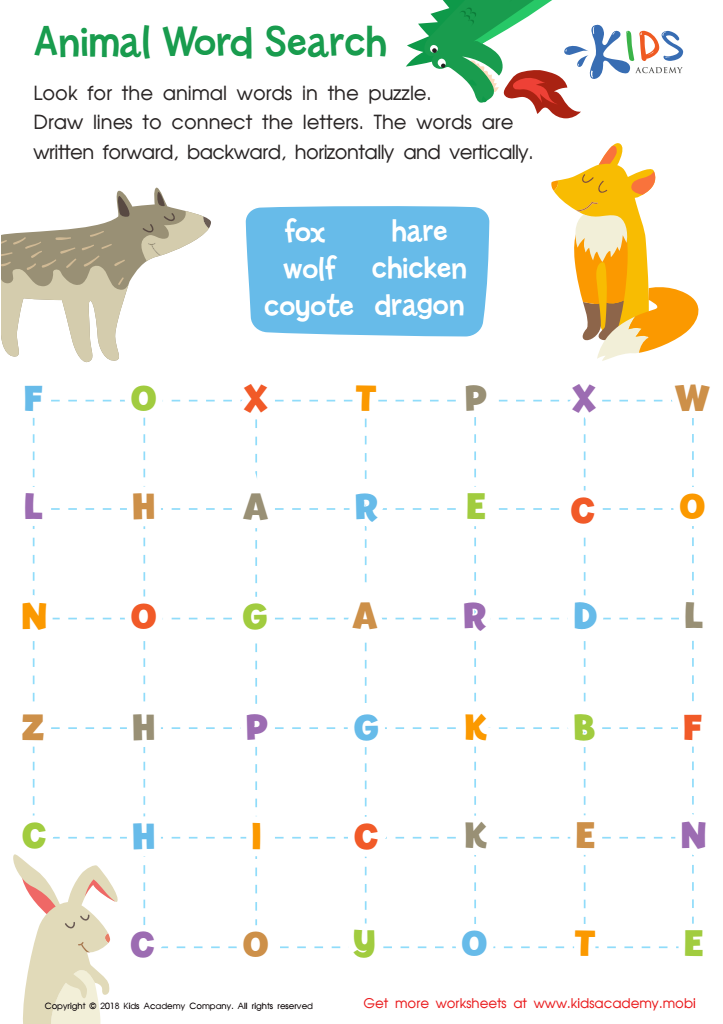
Animal Word Search Worksheet





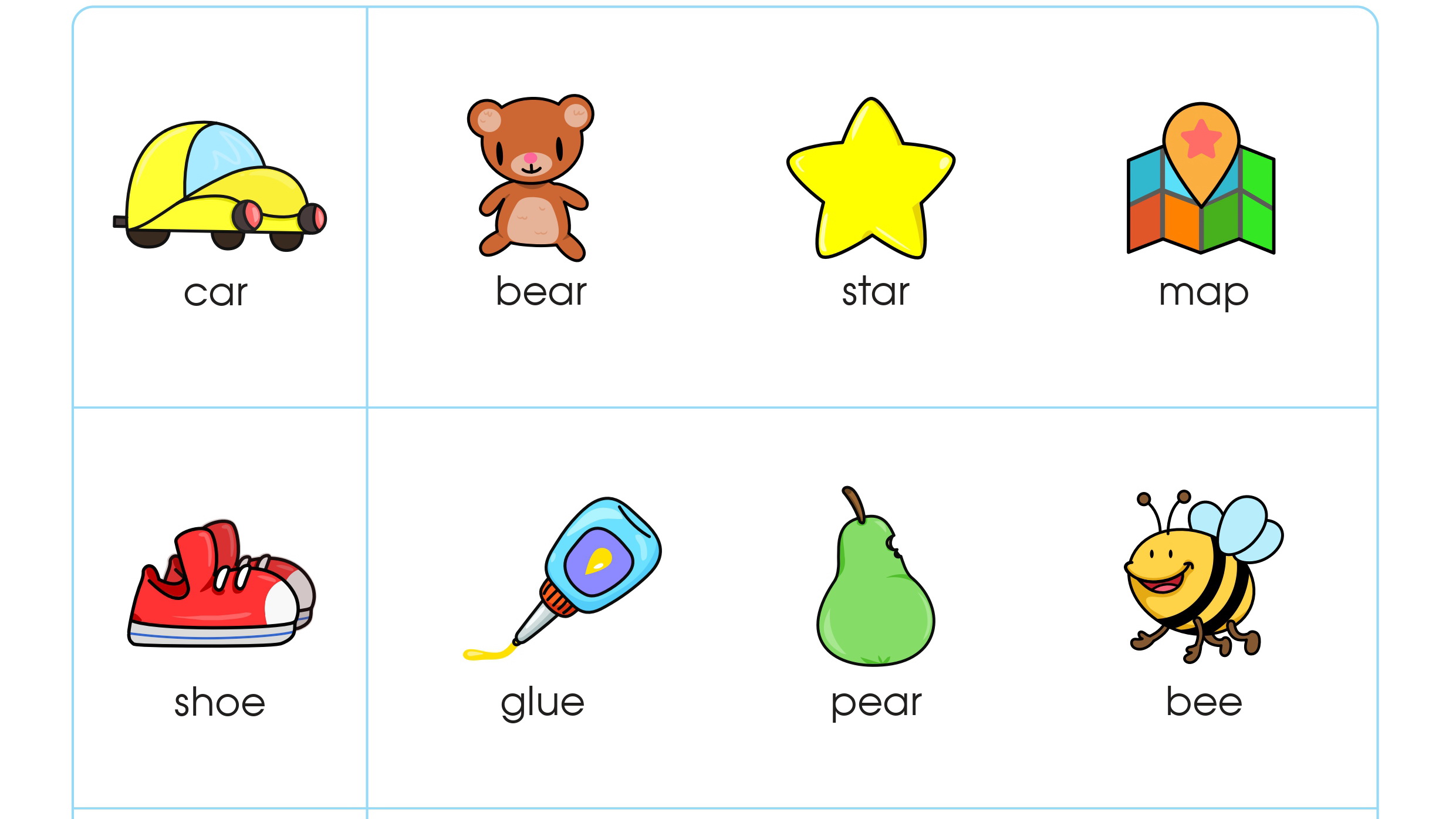


Vocabulary building and normal reading development for children aged 3-8 are crucial for several reasons. Firstly, this age range is a critical period for brain development and language acquisition. When children are exposed to a rich vocabulary, they have a larger pool of words to draw from when they start speaking and reading.
Secondly, vocabulary is the foundation of literacy. Early readers who possess a strong vocabulary can understand stories better and are more likely to enjoy reading. This enjoyment can foster a life-long love of books, leading to continuous learning and curiosity.
Furthermore, a robust vocabulary supports academic success. As children progress in school, subjects like math, science, and social studies increasingly rely on understanding complex terminology. Strong vocabulary skills can make learning these subjects less daunting, facilitating overall academic performance.
Additionally, social and emotional development is enhanced through strong language skills. When children can express themselves clearly and understand others better, they navigate social situations more effectively, fostering emotional intelligence and relationships.
In summary, vocabulary building and proper reading habits from ages 3-8 set the stage for comprehensive educational and social development, helping children become more effective communicators and learners. Parents and teachers should prioritize vocabulary-rich interactions and consistent reading to optimize these foundational years.








