Vocabulary improvement Normal Reading Comprehension Worksheets for Ages 3-8
3 filtered results
-
From - To
Enhance your child's vocabulary and reading comprehension skills with our engaging Normal Reading Comprehension Worksheets, designed specifically for ages 3-8. These worksheets combine age-appropriate texts with vivid illustrations to make learning fun and effective. Children will enjoy a variety of activities that focus on vocabulary improvement, helping them understand new words in context. Our structured exercises encourage critical thinking and reinforce comprehension skills, making reading a delightful adventure. Perfect for use at home or in the classroom, these resources aim to build a strong foundation for lifelong literacy. Dive into our collection to empower your child's reading journey today!
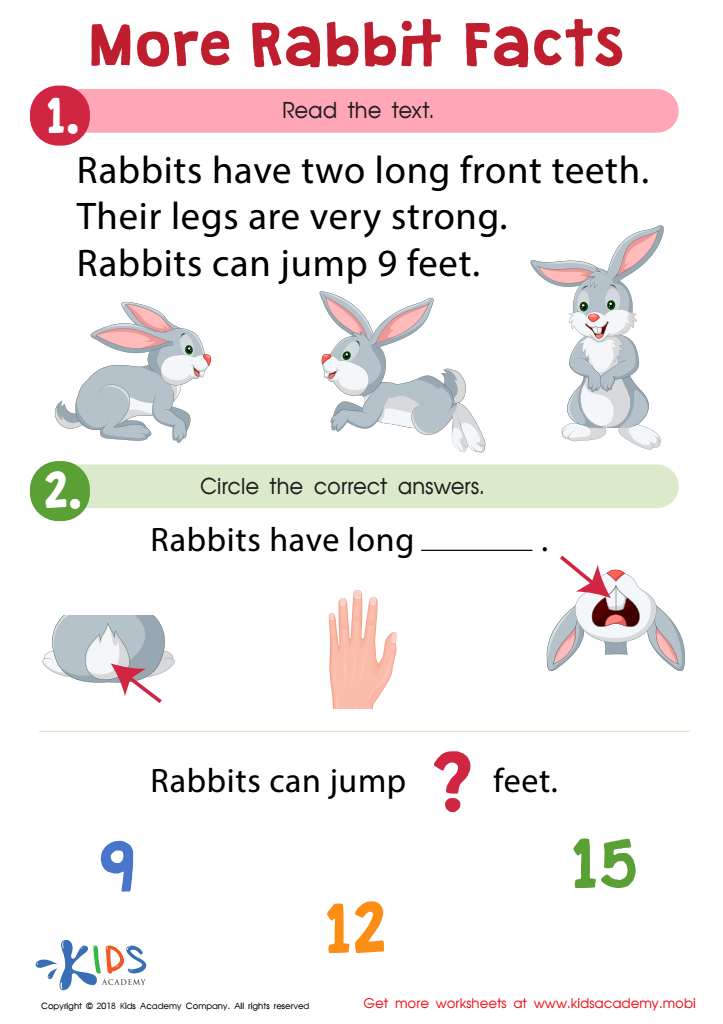
More Rabbit Facts Worksheet
 Assign to My Students
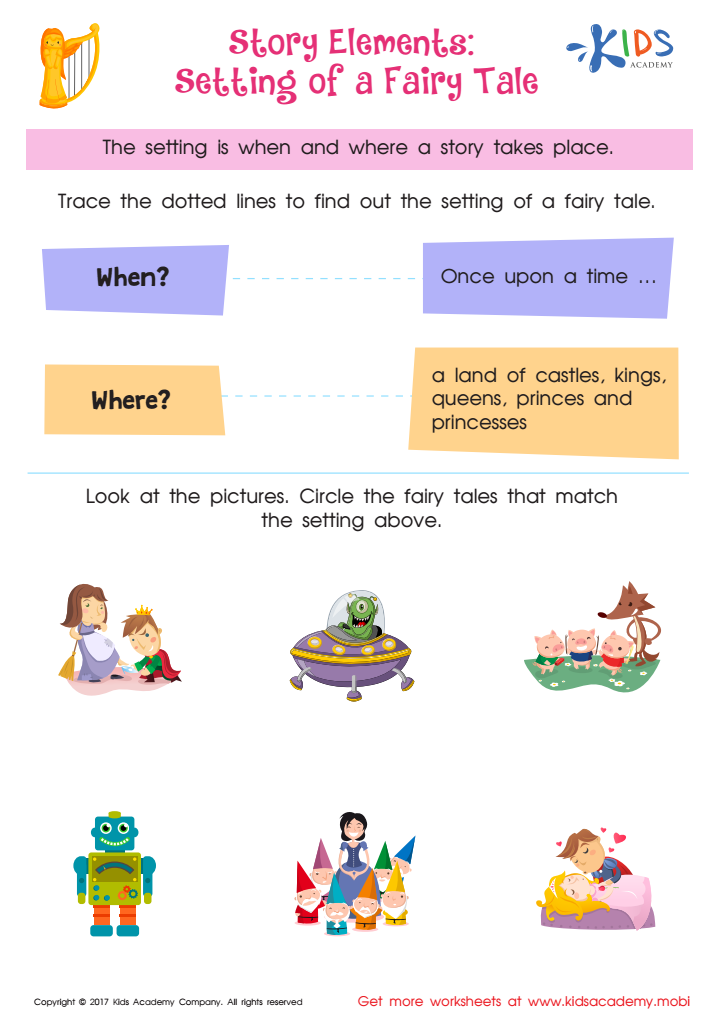
Story Elements: Setting of a Fairy Tale Printable
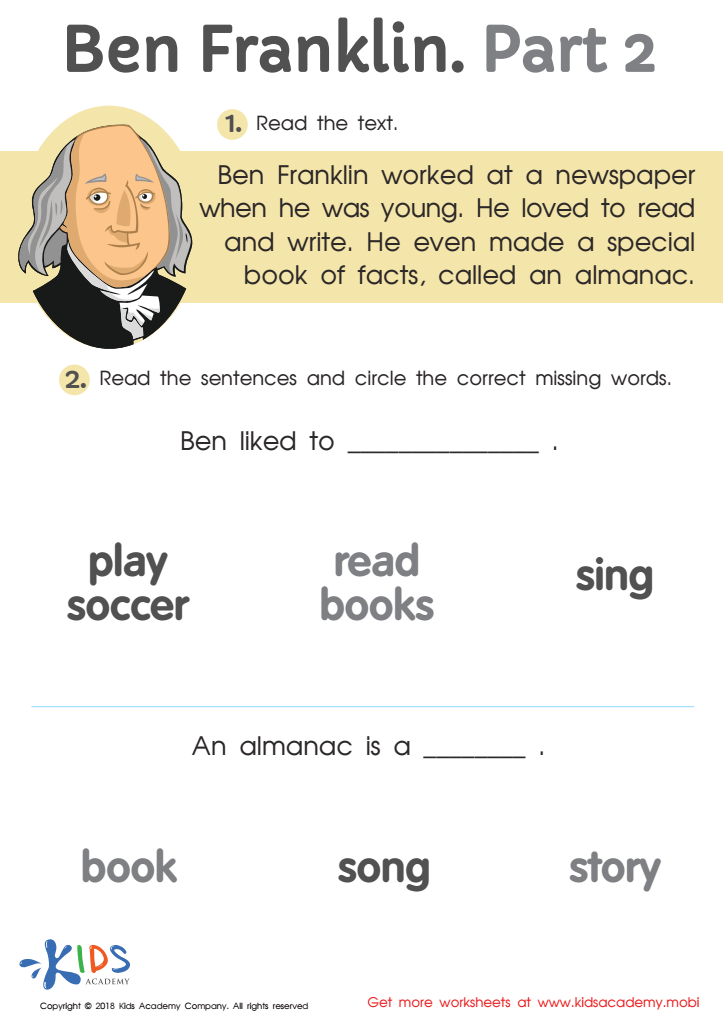
Ben Franklin Part 2 Worksheet








Vocabulary improvement is crucial for children aged 3-8 as it lays the foundation for effective communication and comprehension skills. At this stage, children are rapidly developing their language abilities, and a rich vocabulary helps them articulate thoughts and feelings more clearly. The expansion of vocabulary directly contributes to better reading comprehension, enabling young learners to understand and engage with texts beyond mere word recognition.
Enhanced vocabulary empowers children to decode and grasp the meaning of what they read, which is essential for academic success. As children encounter new words in books, discussions, and multimedia, they gain the tools to synthesize information, make connections, and think critically. These skills are not just applicable to literacy, but also influence overall learning across subjects.
Moreover, a strong vocabulary fosters self-confidence in children, encouraging them to participate in conversations and share ideas. For parents and teachers, actively promoting vocabulary development through reading, storytelling, and interactive play can create a rich educational environment. Investing time and resources to support vocabulary improvement ensures that children are not only proficient readers but also passionate ones, setting the stage for lifelong learning and success in a connected world.








