Moral understanding Normal Reading Fiction Worksheets for Ages 3-8
5 filtered results
-
From - To
Discover our engaging “Moral Understanding Normal Reading Fiction Worksheets” designed for children ages 3-8. These printable worksheets enhance social-emotional learning by helping young readers identify and comprehend moral lessons within stories. Each worksheet features age-appropriate fiction selections, fostering critical thinking and empathy as children explore themes like kindness, honesty, and friendship. Our interactive activities encourage discussions about choices and consequences, making learning both fun and meaningful. Perfect for classrooms or at-home learning, these resources support early literacy development while instilling foundational values. Help your child become a compassionate reader today—download our worksheets and watch their moral understanding flourish!
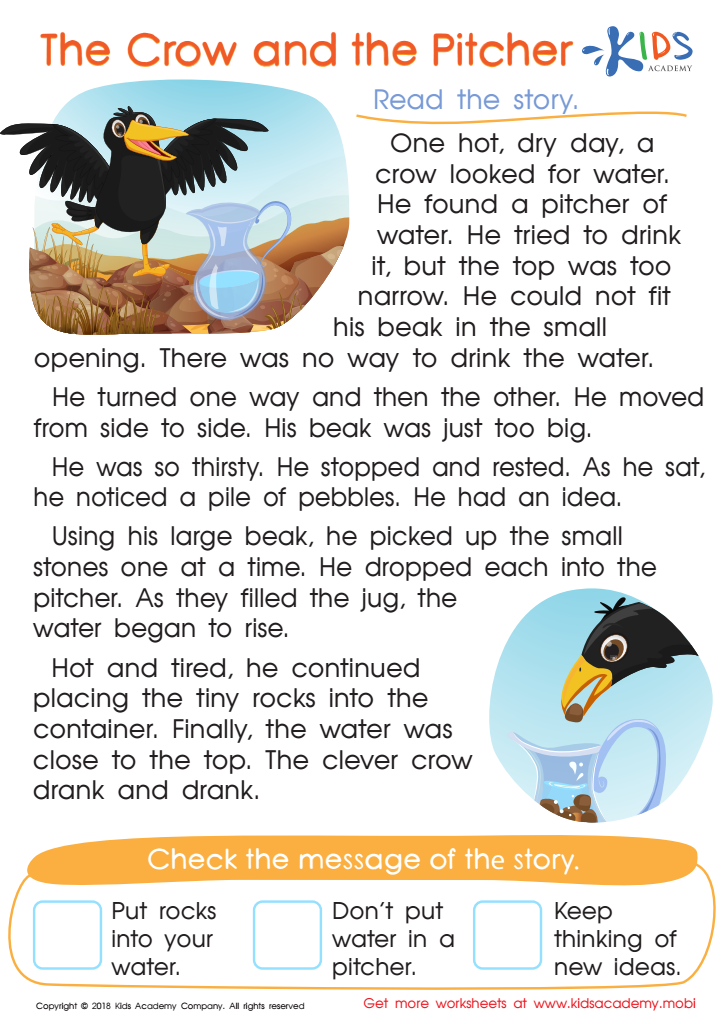
The Crow and the Pitcher Worksheet
 Assign to My Students
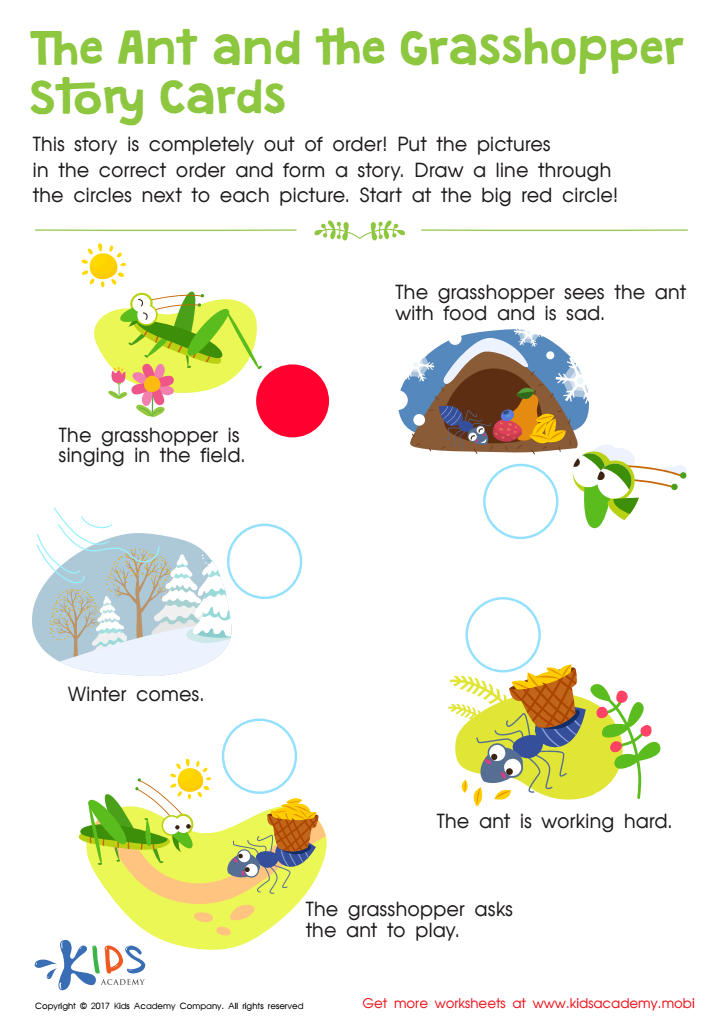
The Ant and The Grasshopper Worksheet
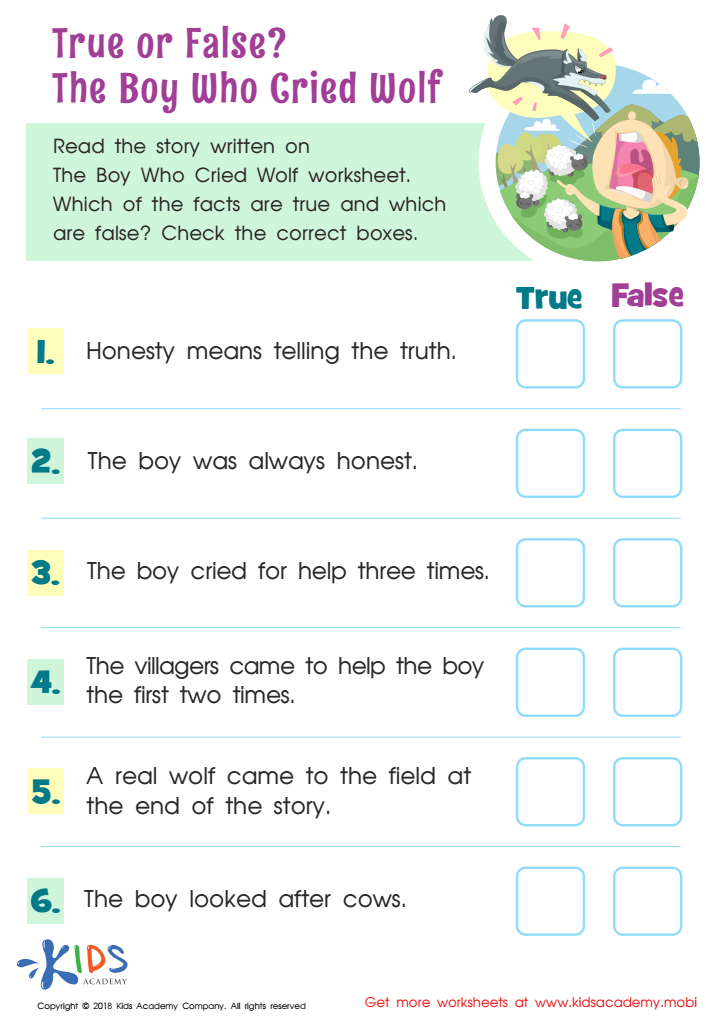
True or False? The Boy Who Cried Wolf Worksheet
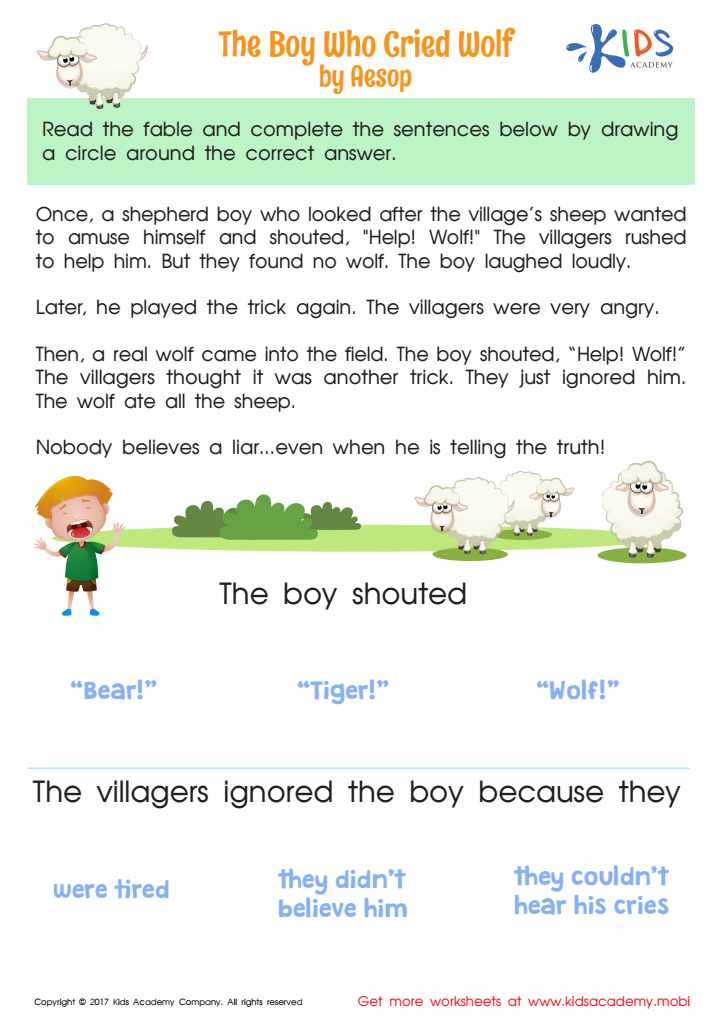
The Boy Who Cried Wolf Worksheet
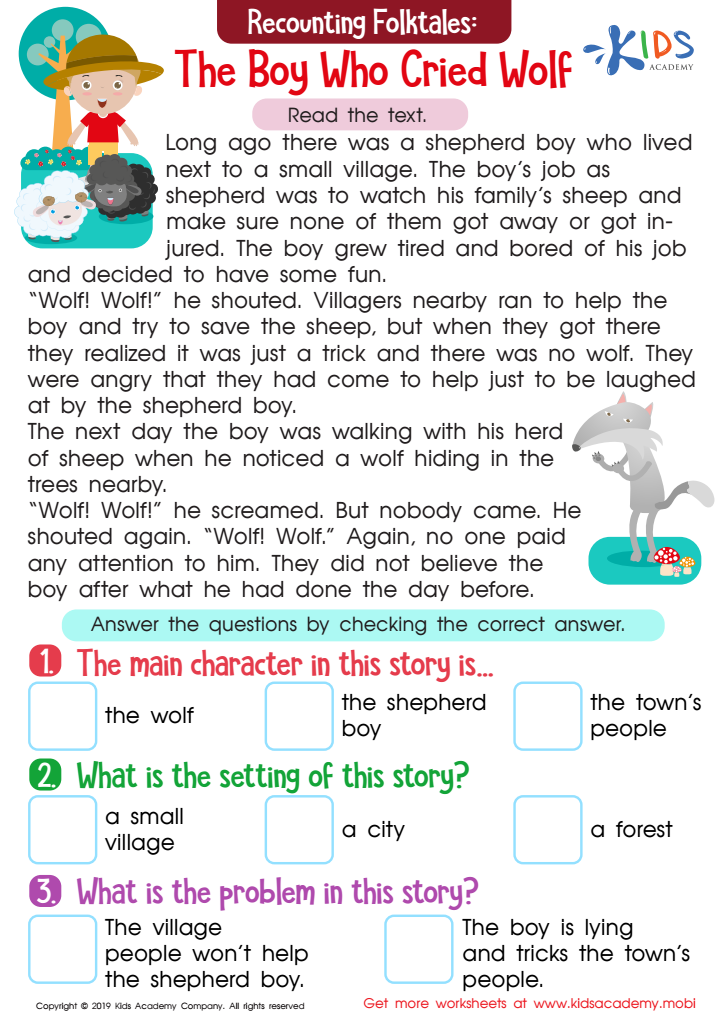
The Boy Who Cried Wolf Part 1 Worksheet






.jpg)

Parents and teachers should prioritize moral understanding through reading fiction for children ages 3-8 because developmental literature plays a crucial role in shaping children's values, empathy, and social skills. Engaging with stories helps young readers navigate complex emotions and moral dilemmas in a safe environment. Through characters and narratives, children learn to distinguish between right and wrong, understand consequences, and develop a sense of justice.
Fictional stories often depict diverse perspectives, fostering empathy and cultural awareness. When children see characters facing challenges or making ethical decisions, they are encouraged to think critically about their own actions and the feelings of others. This early moral learning lays the groundwork for responsible citizenship and compassionate interactions later in life.
Moreover, reading aloud enhances language development and vocabulary, leading to improved communication skills, essential for resolving conflicts and expressing thoughts respectfully. Creating a culture of moral understanding through reading not only nurtures individual growth but also cultivates compassionate communities. Overall, fostering moral development in early childhood through fiction equips children with the crucial tools to navigate their world thoughtfully and empathetically. Thus, both parents and teachers have a vital role in promoting this integrated learning experience.







