Story analysis Normal Reading Fiction Worksheets for Ages 3-8
4 filtered results
-
From - To
Discover engaging Story Analysis Normal Reading Fiction Worksheets designed for children aged 3-8, fostering a deeper understanding of literature and enhancing critical thinking skills. Our carefully curated resources encourage young readers to explore characters, settings, and plot developments through fun, interactive activities. These worksheets promote language development, comprehension, and creative expression, making reading experiences enjoyable and educational. Ideal for classroom use or at-home learning, each worksheet caters to various skill levels, ensuring that every child can participate effectively. Unlock the magic of storytelling and empower your child's love for reading with our stimulating story analysis resources!
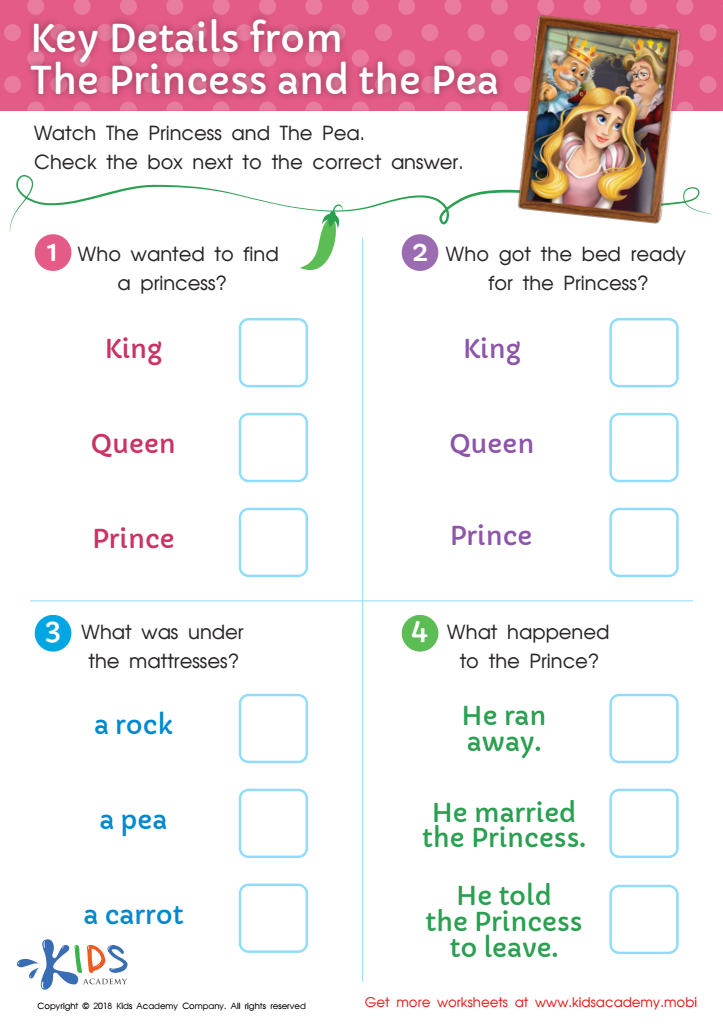
Key Details from the Princess and the Pea Worksheet
 Assign to My Students
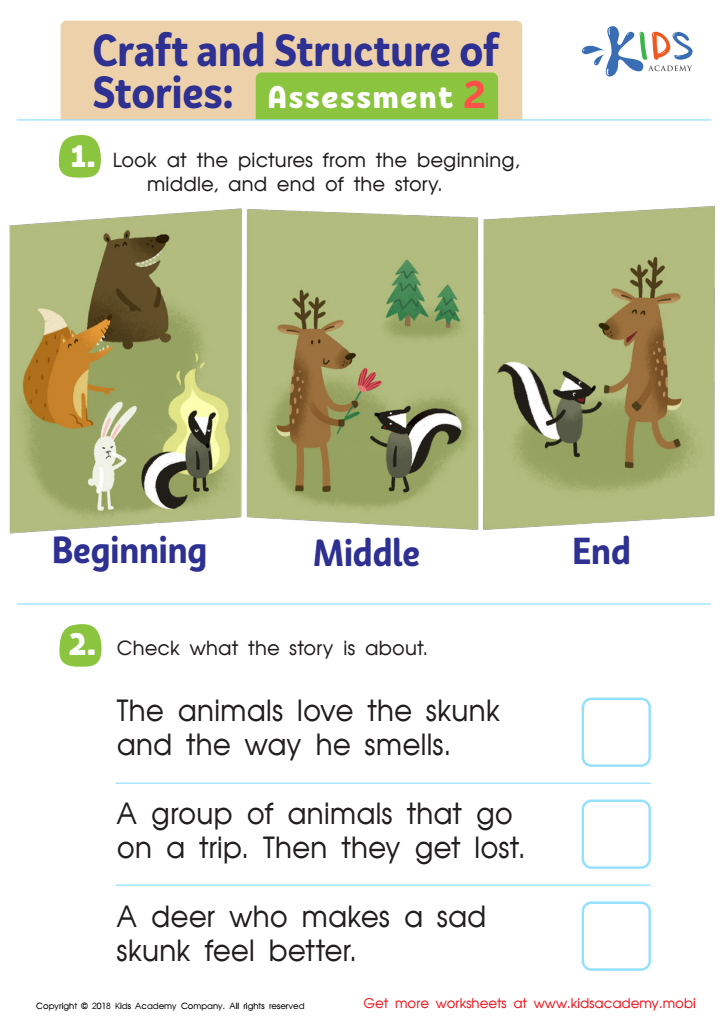
Craft and Structure of Stories: Assessment 2 Worksheet
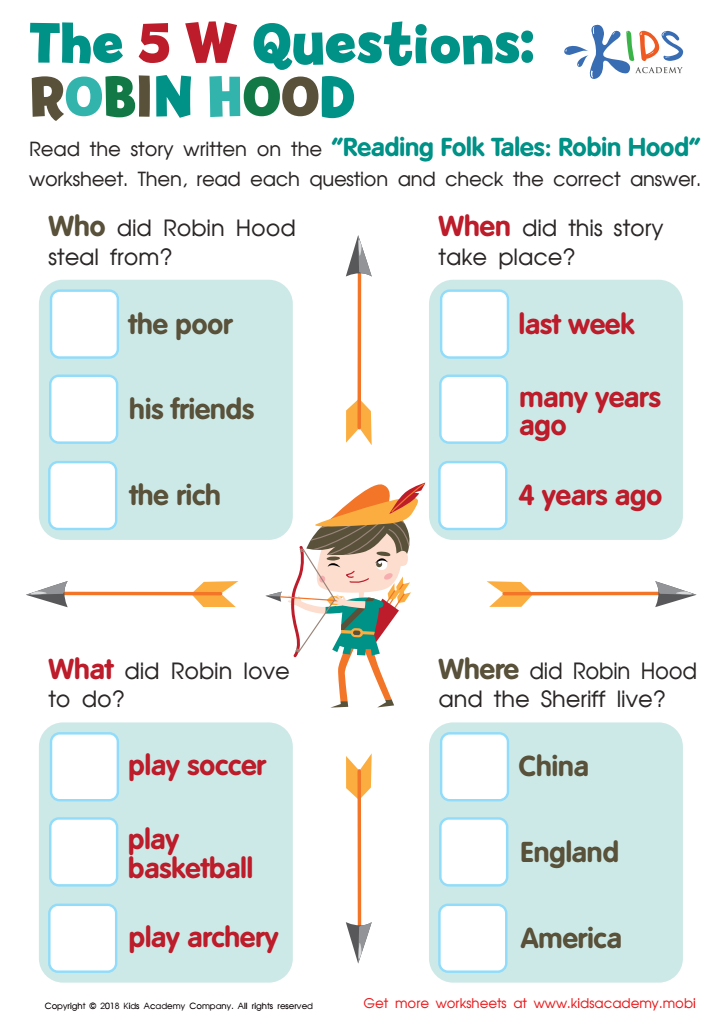
The 5 W Questions: Robin Hood Worksheet
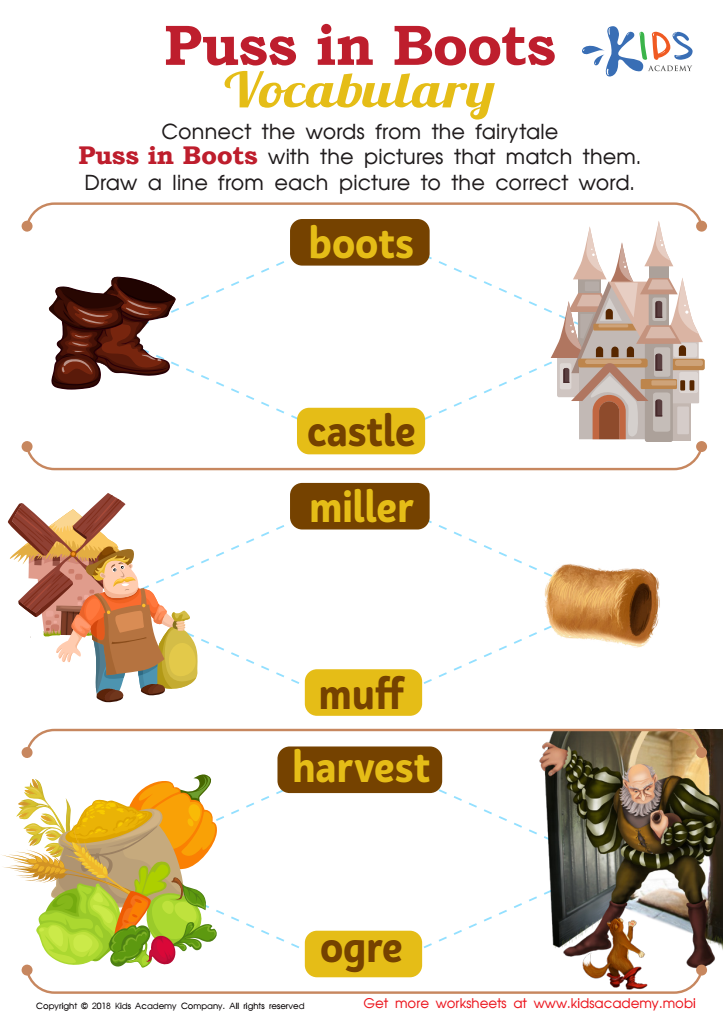
Puss in Boots Vocabulary Worksheet





.jpg)

Story analysis in early childhood is vital for young readers aged 3-8 as it nurtures critical thinking and comprehension skills essential for their academic and personal growth. At this formative stage, children are developing their cognitive abilities and learning to interpret the world around them through narratives. Engaging with fiction allows them to explore complex emotions, diverse perspectives, and moral dilemmas in a safe environment, fostering empathy and emotional intelligence.
Moreover, story analysis encourages dialogue between parents, teachers, and children, facilitating deeper conversations about themes, characters, and plot. This interactive process nurtures a love for reading, increases vocabulary, and enhances narrative skills, helping children articulate their thoughts and feelings better.
Additionally, story analysis plays a role in building imagination and creativity, as children learn to visualize settings and characters, transforming their understanding of texts into vivid mental imagery. By supporting story analysis through guided questioning and discussion, parents and teachers can help cultivate a stronger foundation for literacy, critical thinking, and social understanding, all of which are crucial to success in school and beyond. In essence, investing time in story analysis enriches children's education and shapes them into more thoughtful, engaged individuals.







