Vocabulary development Normal Reading Fiction Worksheets for Ages 3-8
5 filtered results
-
From - To
Unlock the power of language with our Vocabulary Development Normal Reading Fiction Worksheets designed specifically for children ages 3-8! These engaging worksheets introduce young learners to a variety of essential words through fun and interactive activities. Each worksheet is tailored to enhance reading comprehension, expand vocabulary, and encourage a love for storytelling. The colorful illustrations and age-appropriate themes captivate children's interests, making learning enjoyable! Ideal for parents and educators, these resources provide a valuable foundation in literacy skills essential for early academic success. Nurture your child's vocabulary and reading confidence with our expertly crafted worksheets—start your journey today!
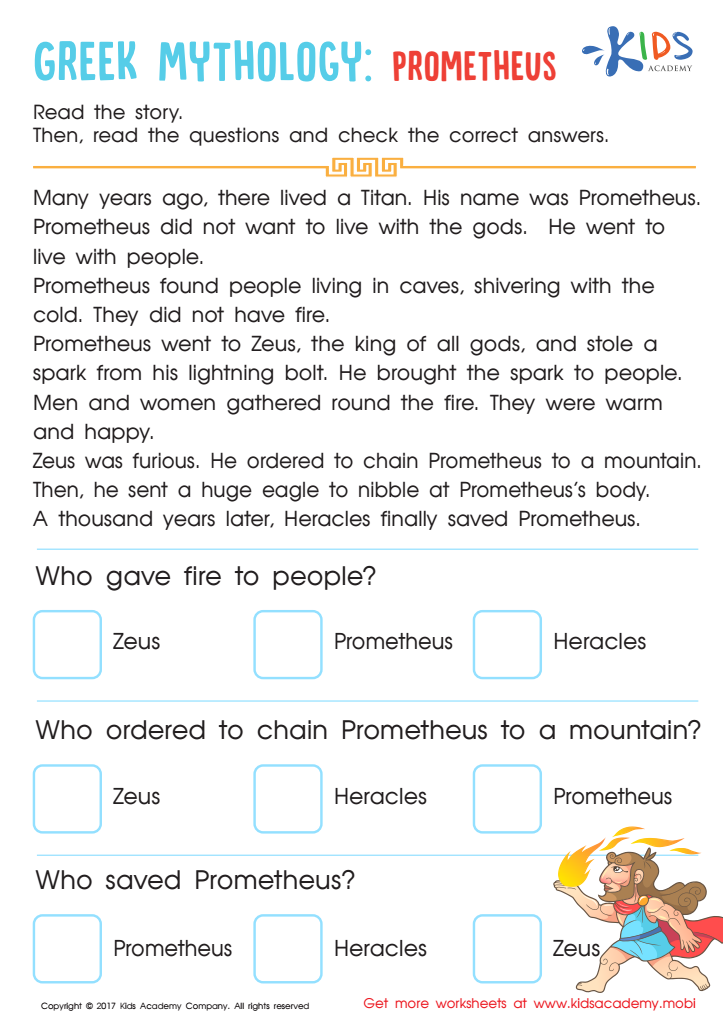
Prometheus Story Worksheet
 Assign to My Students
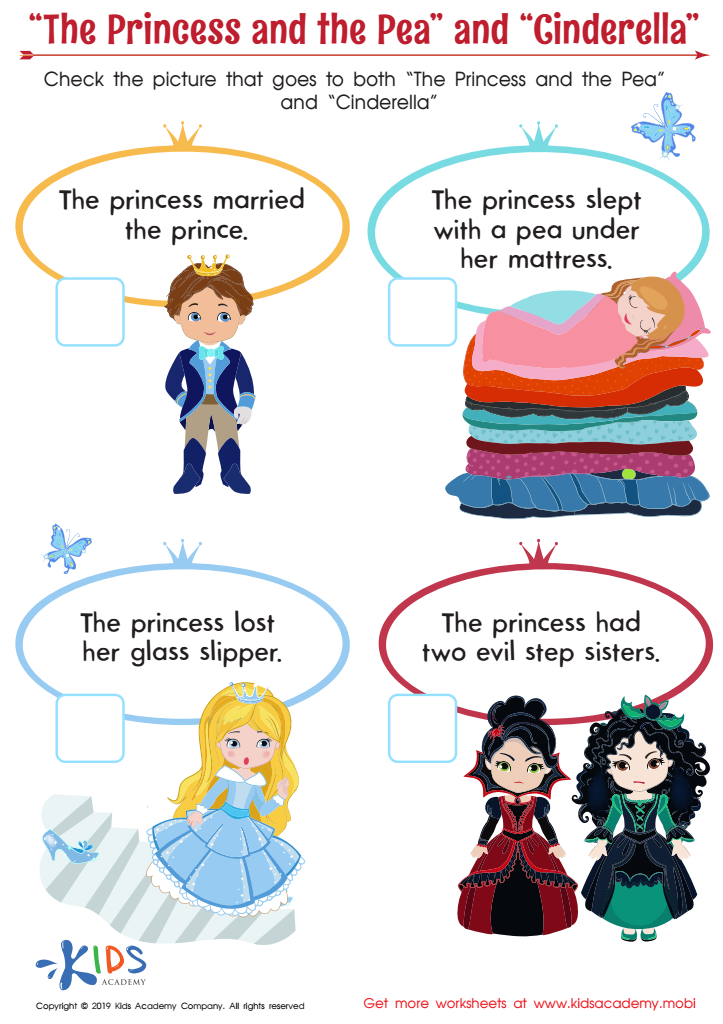
“The Princess and the Pea” and “Cinderella” Worksheet
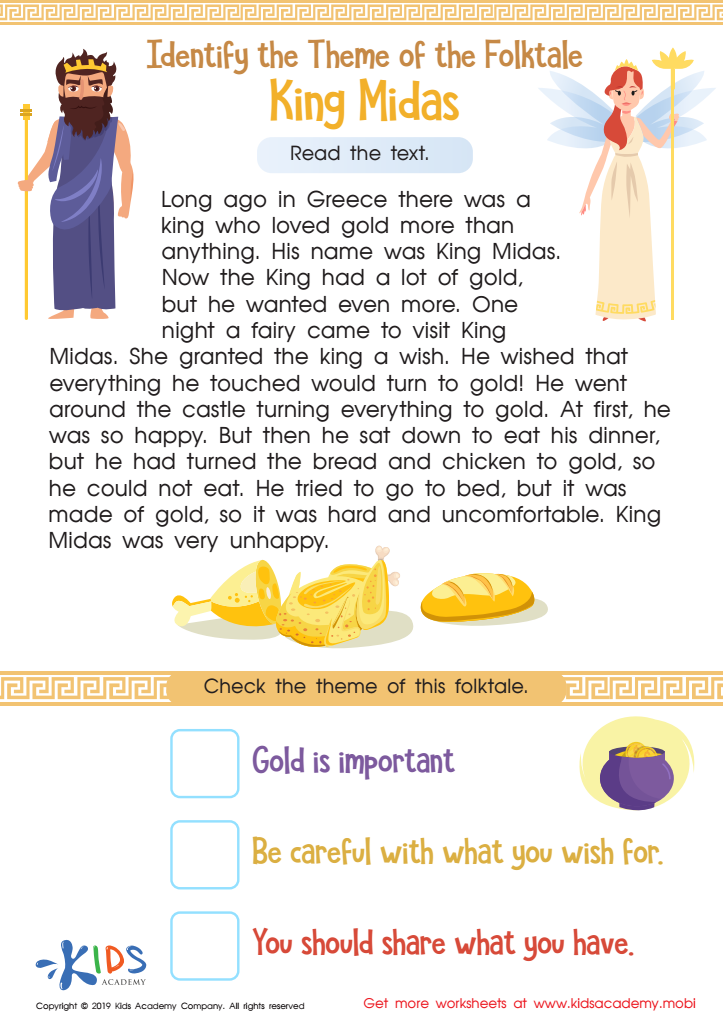
King Midas Worksheet
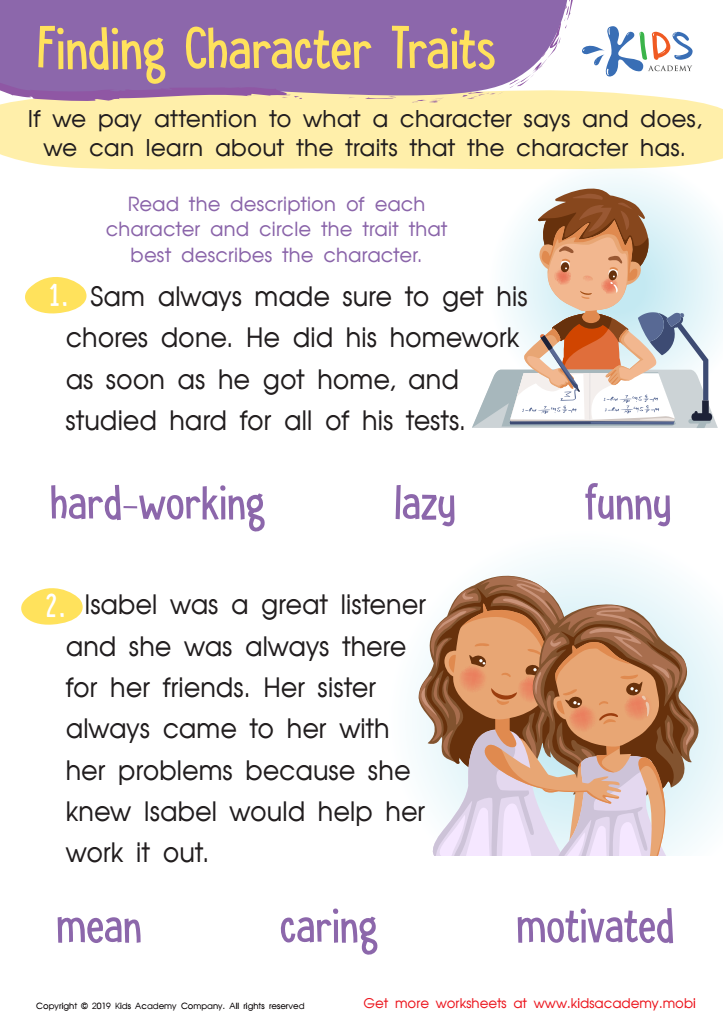
Finding Character Traits Worksheet
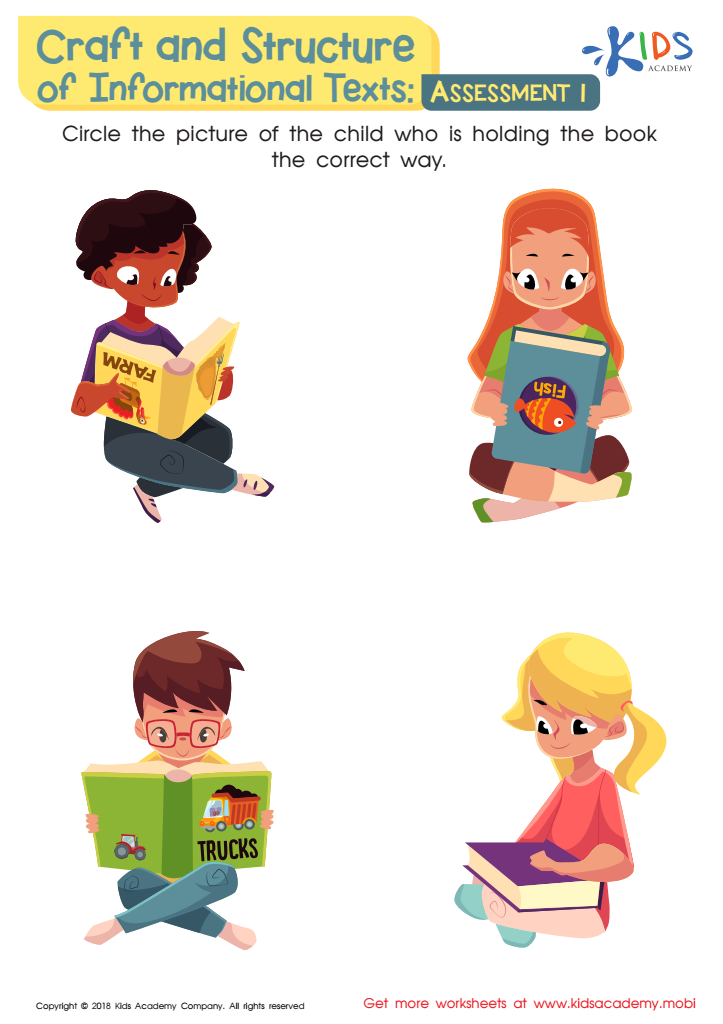
Craft and Structure of Informational Texts: Assessment 1 Worksheet





.jpg)

Vocabulary development during early childhood is crucial for a child’s cognitive, social, and academic success. For children aged 3-8, exposure to rich vocabulary through normal reading of fiction plays a significant role in enhancing their language skills. When parents and teachers engage children with storybooks, they provide opportunities to introduce new words in context, helping them understand meanings and nuances.
Fictional texts, often filled with imaginative language and varied sentence structures, stimulate curiosity and make learning engaging. This exposure not only broadens their lexicon but also aids in comprehension and critical thinking abilities, as children learn to connect their experiences with narrative elements.
Moreover, vocabulary development fosters effective communication skills, empowering children to express their thoughts and feelings clearly. Strong vocabulary also lays the groundwork for academic success in reading and writing as they progress through school. Consequently, parents and teachers should prioritize regular reading practices, choosing diverse genres that captivate young minds, ensuring a strong linguistic foundation that will benefit children throughout their lives. Overall, nurturing vocabulary development through fiction reading can transform a child’s educational journey, promoting lifelong learning and enriching interpersonal exchanges.







