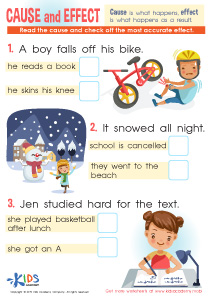
Reading practice Normal Reading Non-Fiction Worksheets for Ages 3-8
4 filtered results
-
From - To
Enhance your child's reading skills with our engaging Normal Reading Non-Fiction Worksheets, designed specifically for ages 3-8. These worksheets provide a fun and interactive way to explore a variety of non-fiction topics, helping young learners develop comprehension and critical thinking. Each worksheet focuses on important skills such as identifying main ideas, understanding details, and making connections, all through the lens of captivating real-world content. With colorful images and age-appropriate language, these resources are perfect for nurturing a love of reading and curiosity about the world. Instill confidence in your child’s reading abilities and encourage lifelong learning today!
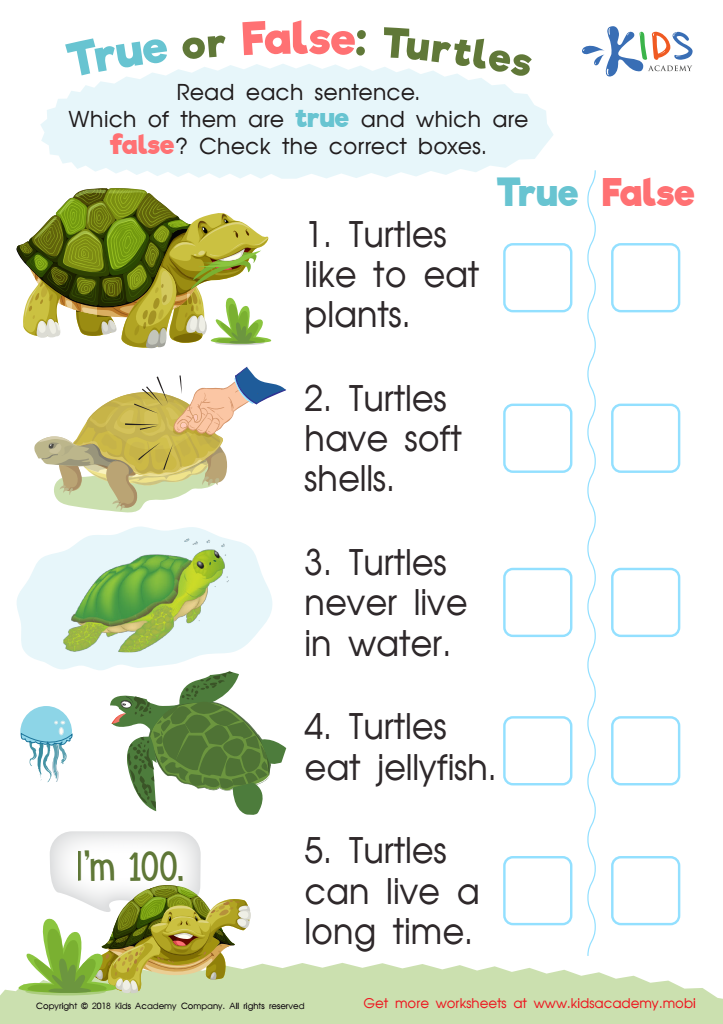
True or False: Turtles Worksheet
 Assign to My Students
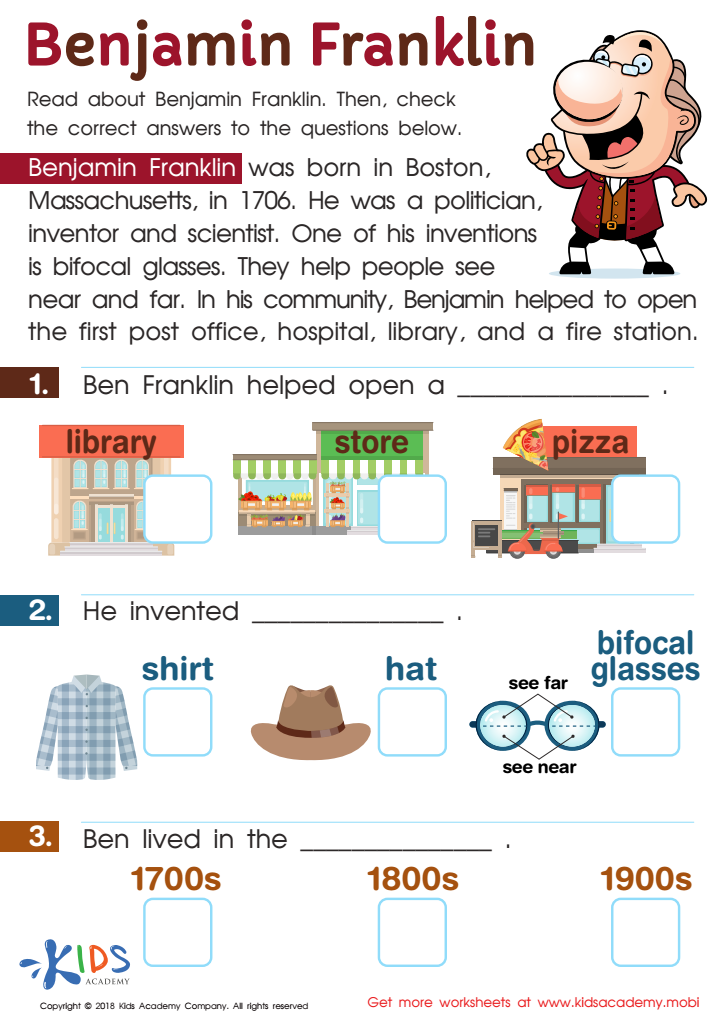
Benjamin Franklin Worksheet
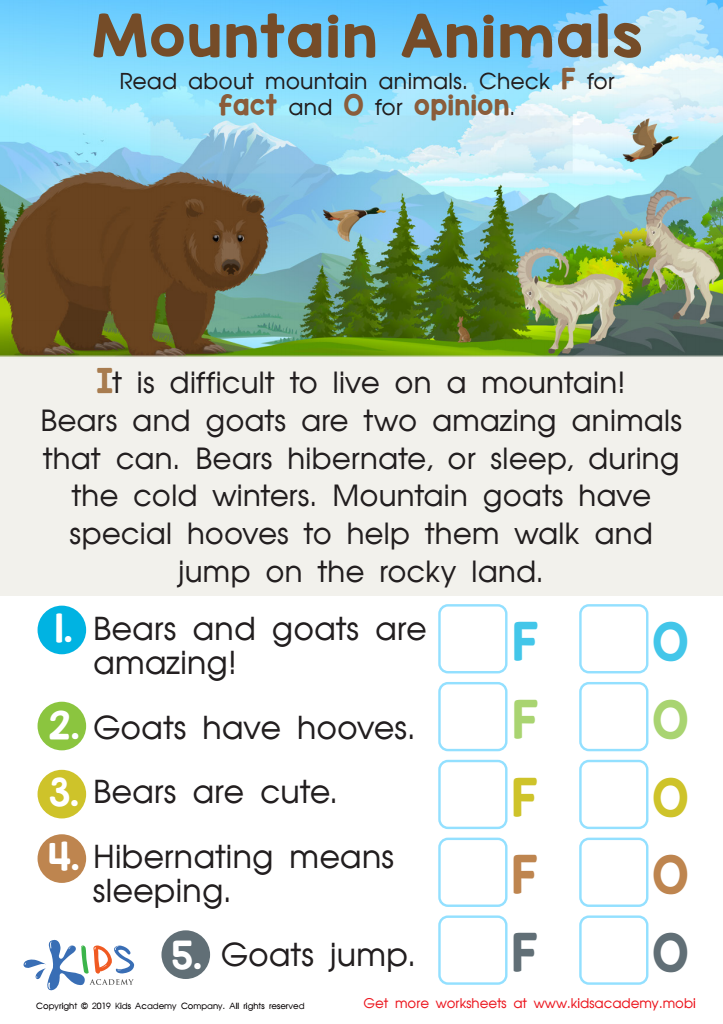
Mountain Animals Worksheet
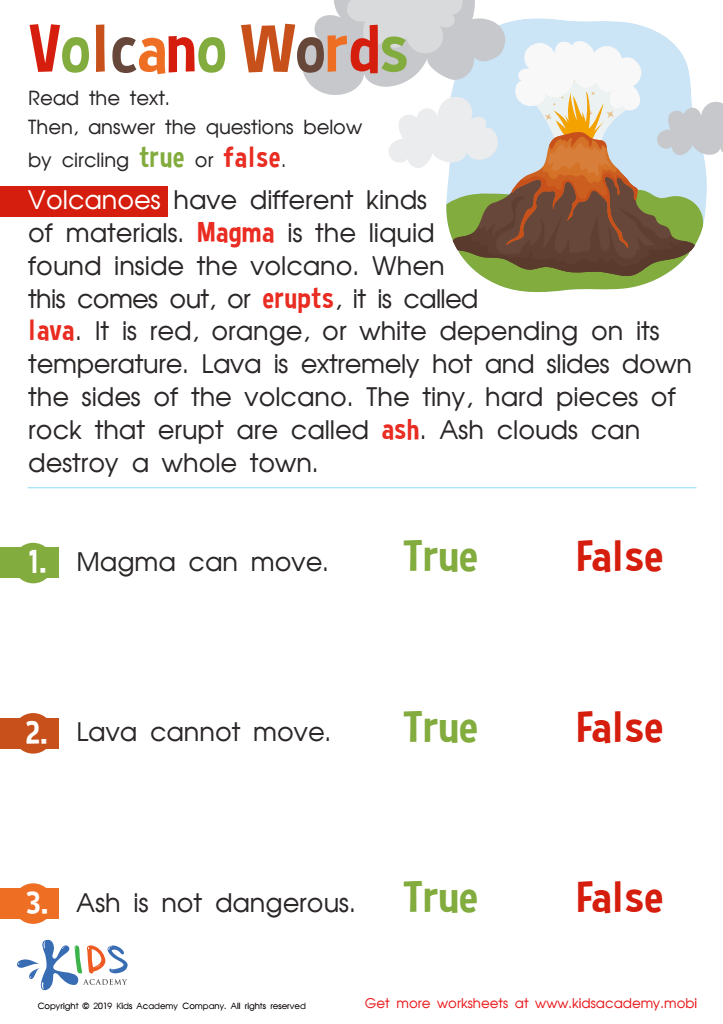
Volcano Words Worksheet








Reading practice, especially with non-fiction texts, is crucial for children aged 3-8. During these formative years, children's brains are developing rapidly, and exposure to reading significantly shapes their cognitive and linguistic development. Non-fiction books introduce young readers to real-world concepts, facts, and ideas, fostering curiosity about their environment and sparking a desire to learn more.
For parents and teachers, prioritizing non-fiction reading is important because it helps children build essential skills such as comprehension, critical thinking, and the ability to ask questions. Unlike fictional stories, non-fiction texts encourage children to engage with information analytically, promoting skills they will need throughout their education and life.
Additionally, reading non-fiction expands vocabulary and understanding of complex subjects, establishing a foundation for scientific and literary literacy. This practice also allows for rich discussions between adults and children, enhancing their communication skills while bonding over shared interests. By fostering a love for reading non-fiction, caregivers can cultivate inquisitive, informed learners who feel empowered to explore and comprehend the world around them. Consequently, parents and teachers should make reading non-fiction an integral part of a child's early education to ensure holistic development and lifelong learning.