Vocabulary enhancement Normal Reading Non-Fiction Worksheets for Ages 3-8
14 filtered results
-
From - To
Enhance your child's vocabulary with our engaging Non-Fiction Worksheets designed for ages 3-8! Our meticulously crafted worksheets provide a fun and interactive way for young learners to explore new words in context, improving their reading comprehension and language skills. Each activity focuses on vocabulary enhancement through exciting topics and relatable content, ensuring your child stays curious and motivated. With vibrant illustrations and easy-to-follow instructions, these worksheets are perfect for both home and classroom use. Watch your little ones grow as they discover the joy of language through reading non-fiction and building a robust vocabulary. Start their learning journey today!
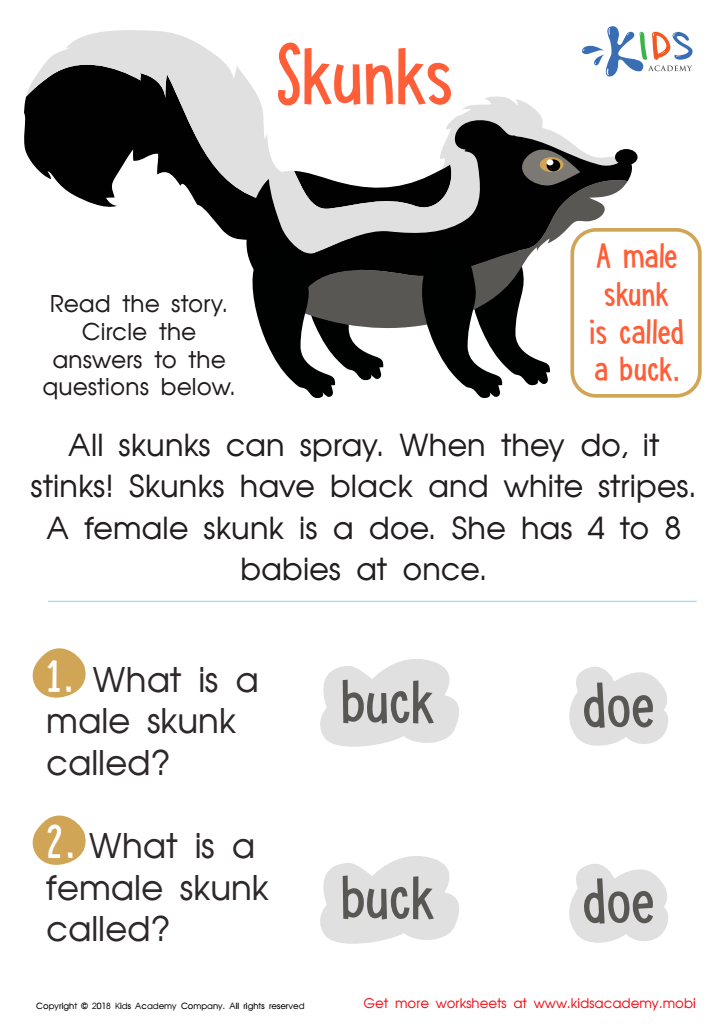
Skunks Worksheet
 Assign to My Students
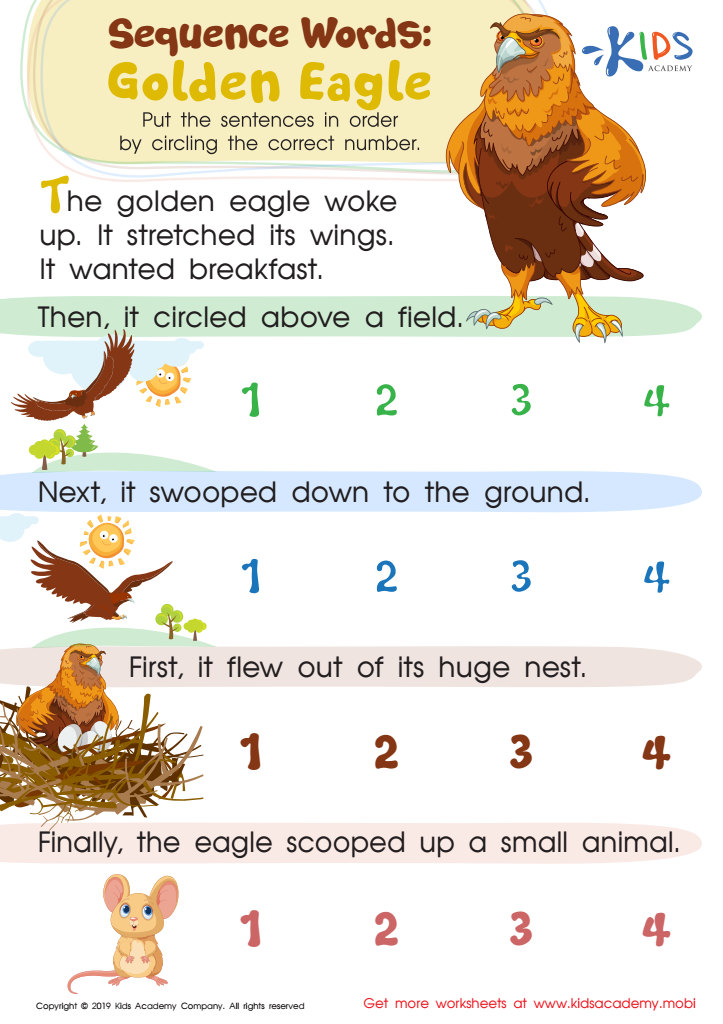
Sequence Word Eagle Worksheet
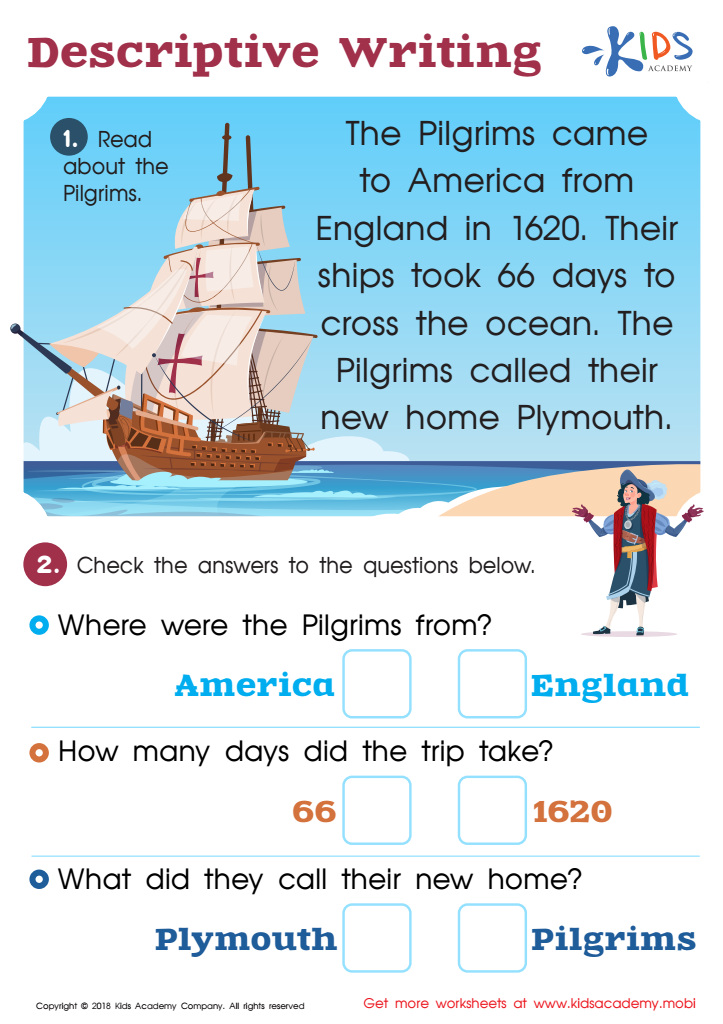
Descriptive Writing Worksheet: Part 1
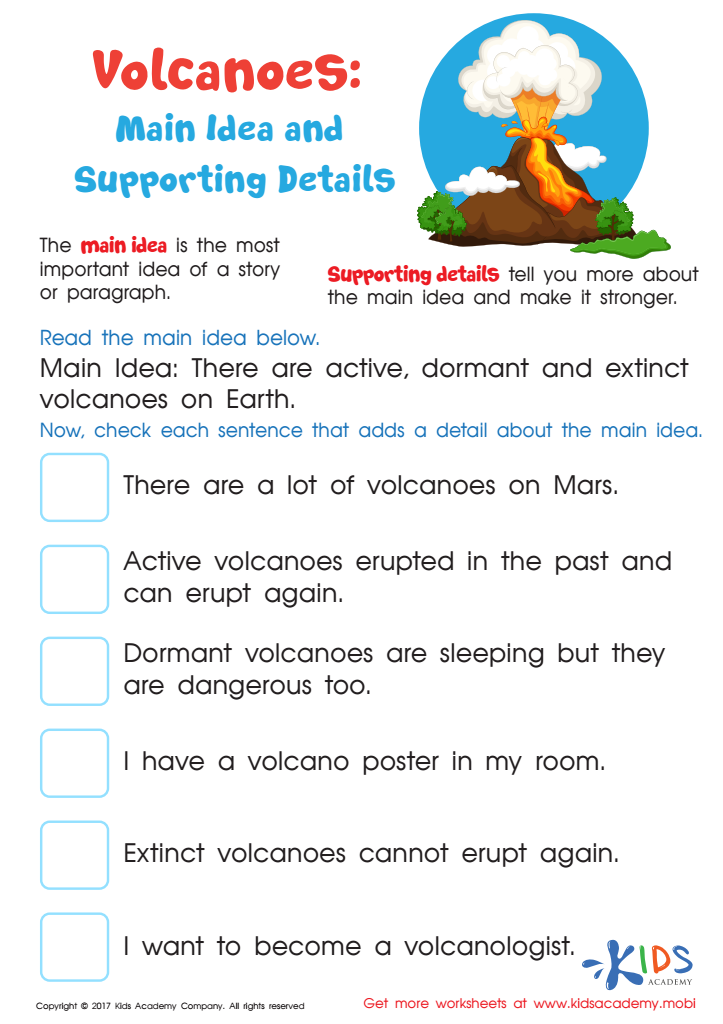
Volcano Facts Worksheet
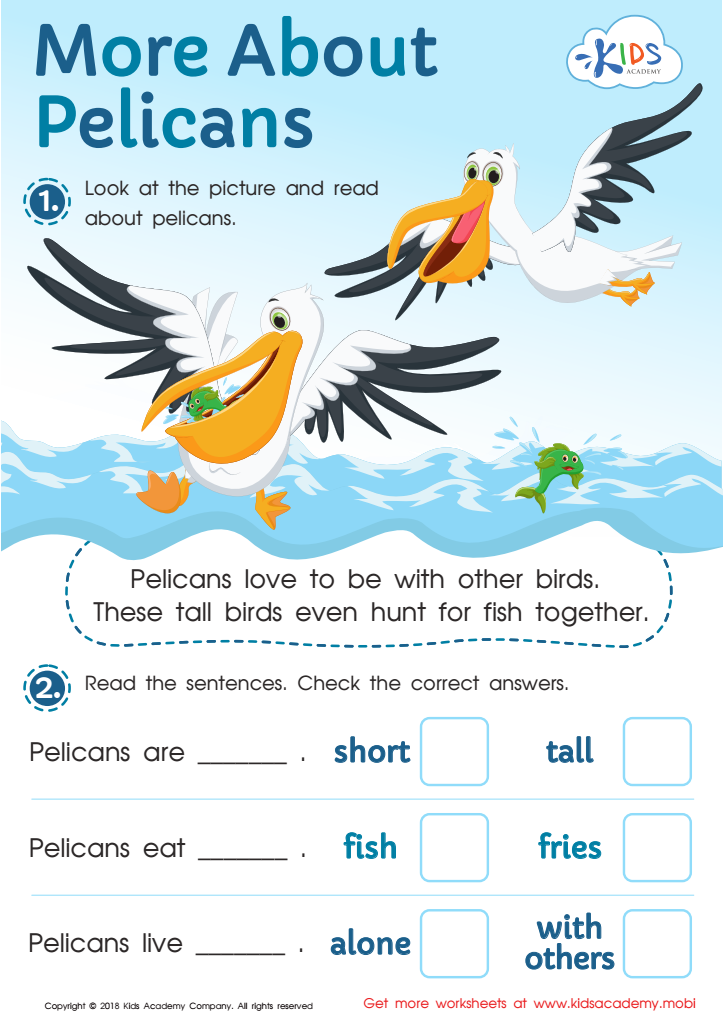
More About Pelicans Worksheet
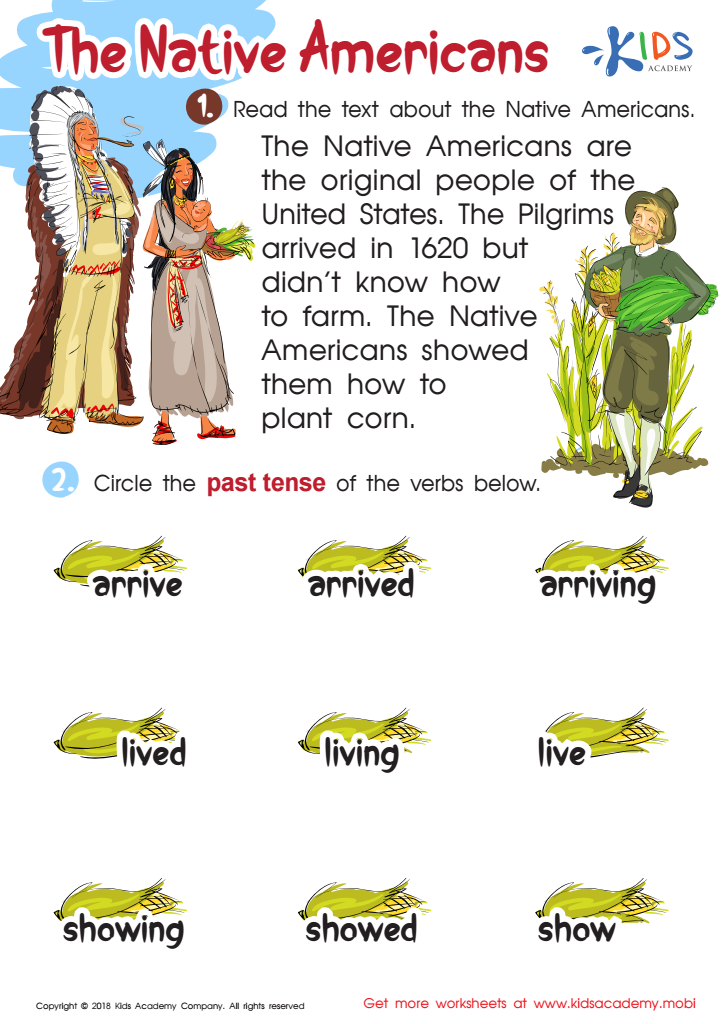
The Native Americans Worksheet
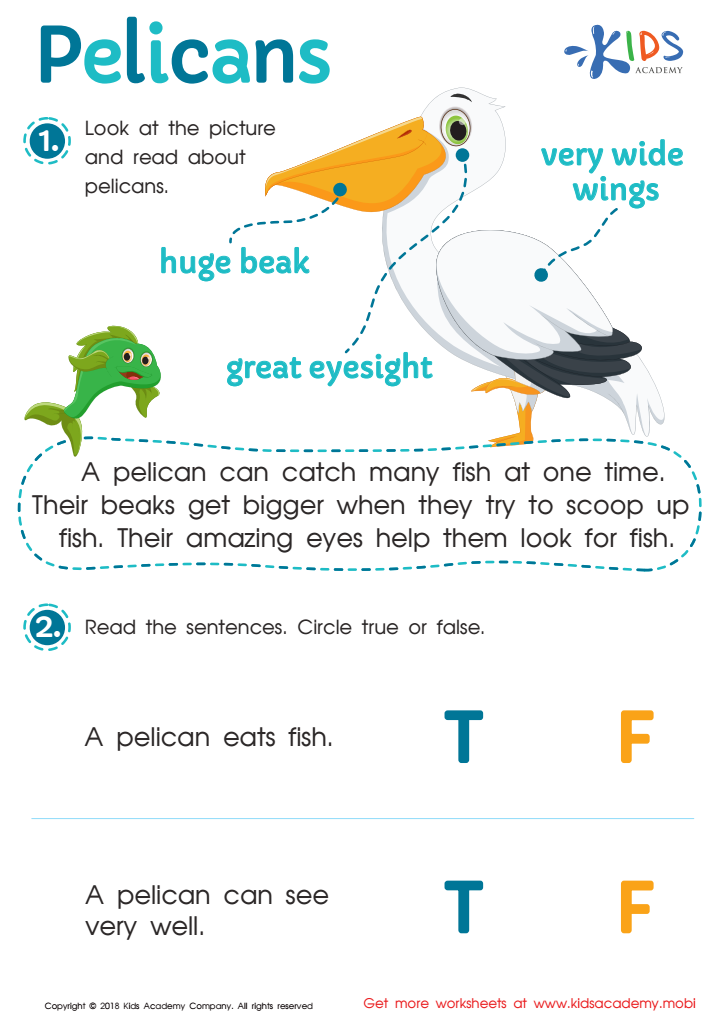
Pelicans Worksheet
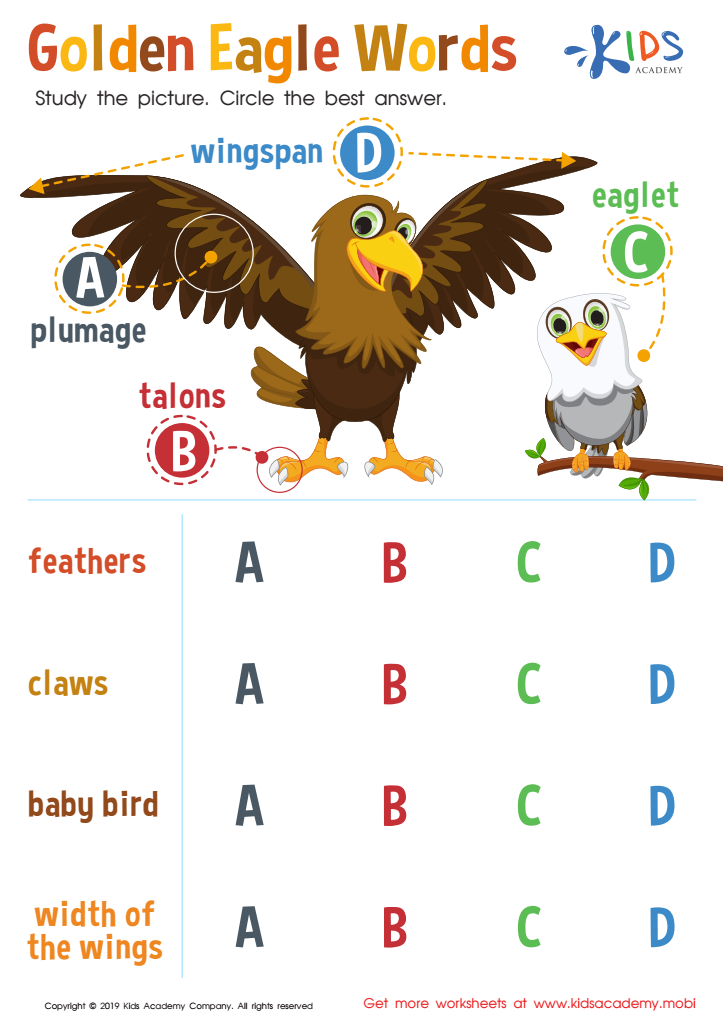
Golden Eagle Words Worksheet
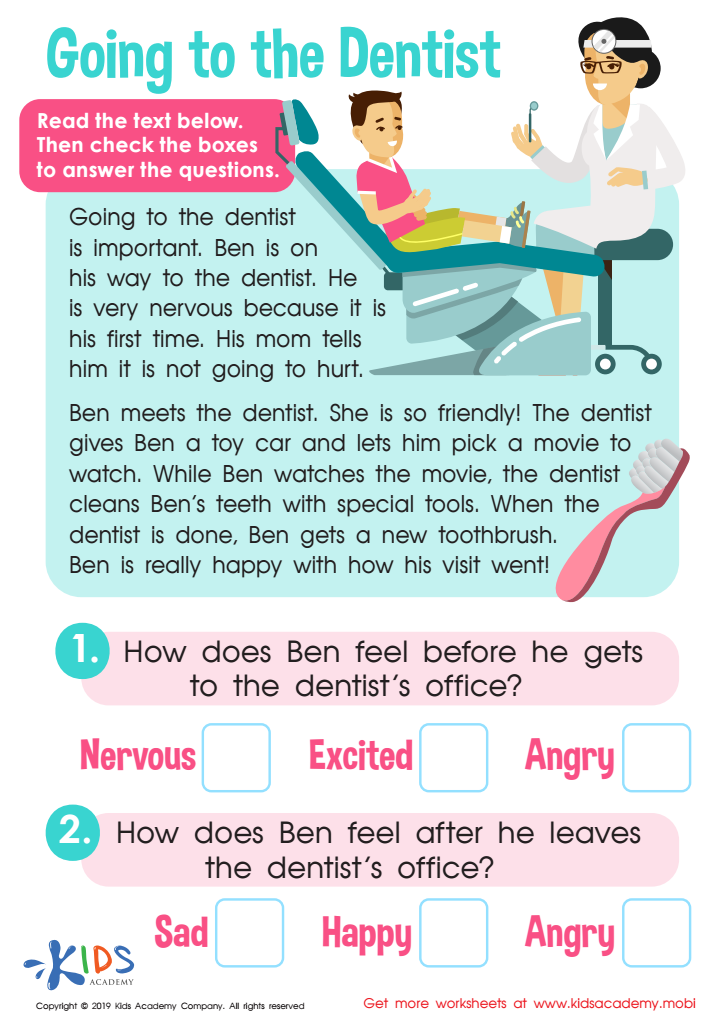
Going to the Dentist Worksheet
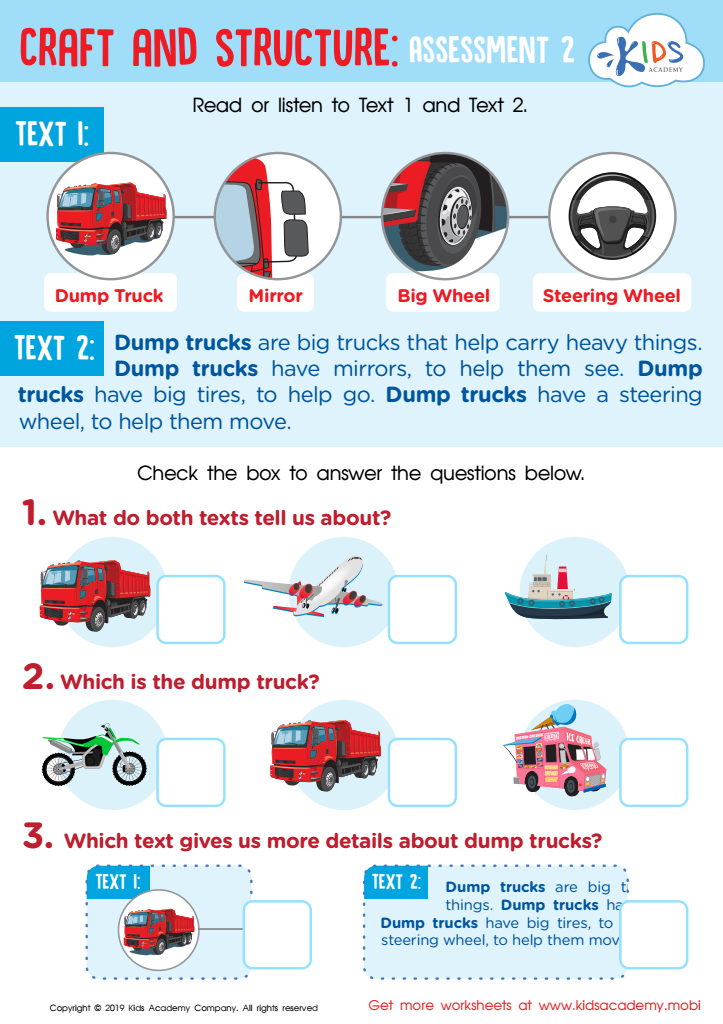
Craft and Structure: Assessment 2 Worksheet
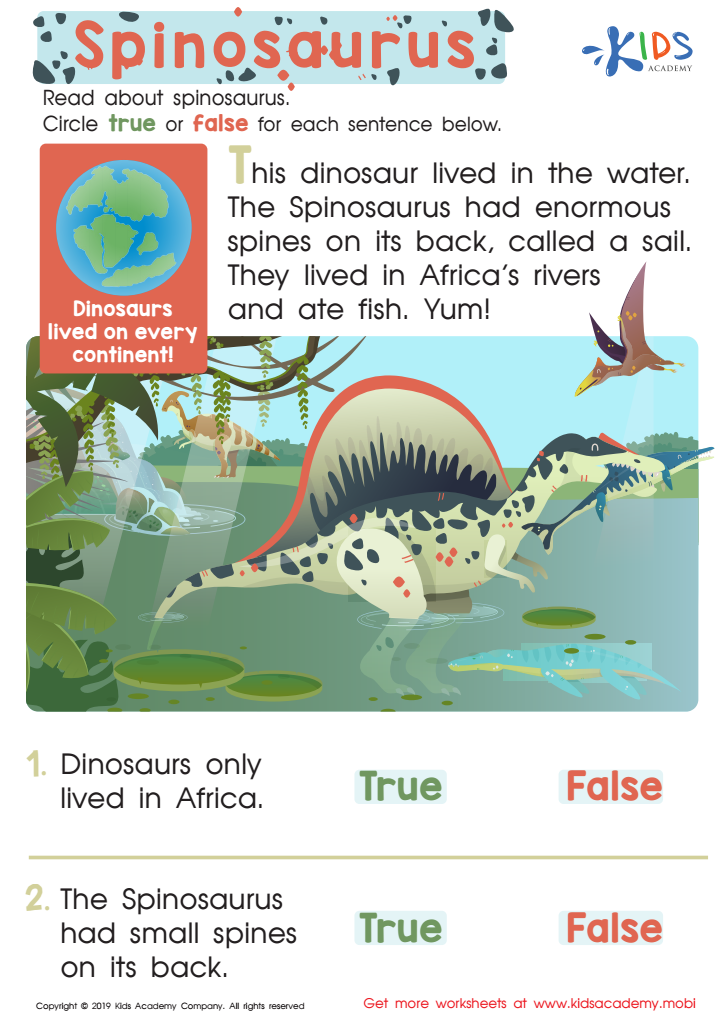
Spinosaurus Assessment Worksheet
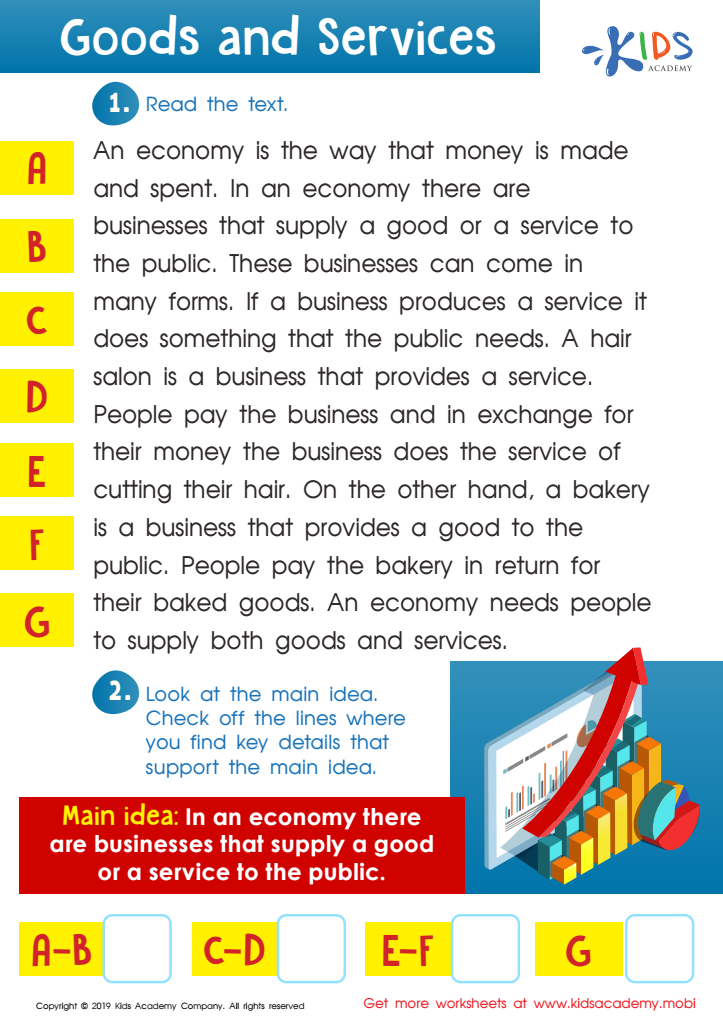
Goods and Services Worksheet
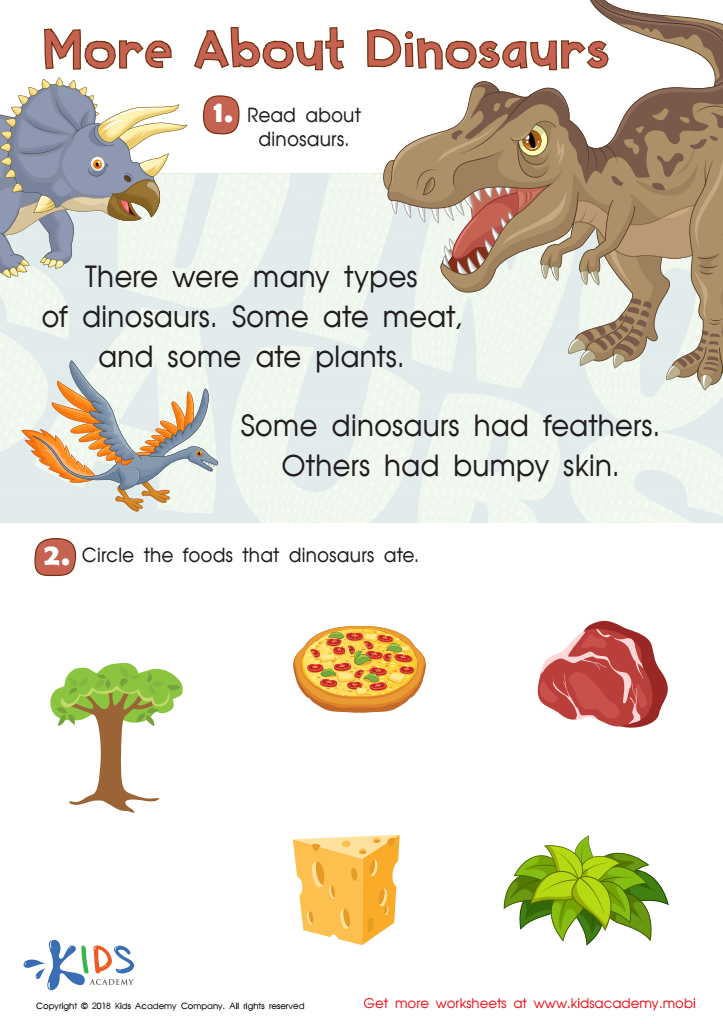
More About Dinosaurs Worksheet
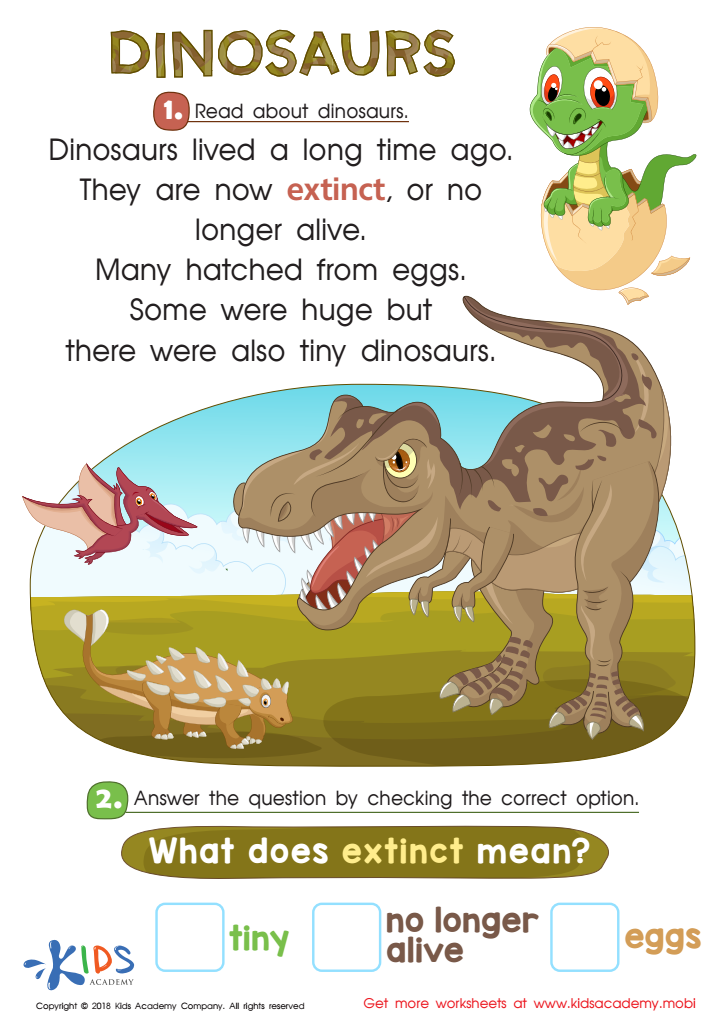
Dinosaurs Worksheet








Vocabulary enhancement through normal reading of non-fiction materials for children ages 3-8 is crucial for several reasons. During early childhood, children’s brains are rapidly developing, and exposure to rich, varied language enhances cognitive skills, including comprehension and critical thinking. Non-fiction texts introduce children to a wealth of information and concepts about the world around them, promoting curiosity and a love for learning.
When parents and teachers encourage engagement with non-fiction, they help children build a strong vocabulary foundation. This distinct vocabulary facilitates better communication skills, enabling children to express themselves clearly and understand others better. Additionally, by discussing the topics found in non-fiction, adults can foster meaningful conversations that promote literacy skills and comprehension.
Understanding facts, processes, and diverse perspectives enhances children’s analytical abilities, preparing them for future academic challenges. Interactive discussions surrounding non-fiction can shift the focus from mere memorization to exploration and inquiry, empowering children to ask questions and seek answers.
Ultimately, enhancing vocabulary through non-fiction reading supports lifelong learning, boosts confidence, and equips children with essential tools for success in both academic environments and real-life situations. By fostering a love for varied topics and critical thought, parents and teachers play a pivotal role in shaping well-rounded, informed individuals.