Normal Songs Worksheets for Ages 3-8
3 filtered results
-
From - To
Discover our engaging "Normal Songs Worksheets" designed for children ages 3-8. Perfect for making learning fun, these worksheets incorporate popular, age-appropriate songs that captivate young minds while enhancing reading, listening, and comprehension skills. Each worksheet allows kids to enjoy music while practicing word recognition, phonics, and rhythm. With easy-to-follow activities and colorful illustrations, our song-based worksheets ensure that your child is learning in an enjoyable, interactive way. Created by educational experts, these resources are perfect for both classroom and home use. Help your child develop a love for reading with our "Normal Songs Worksheets" today!
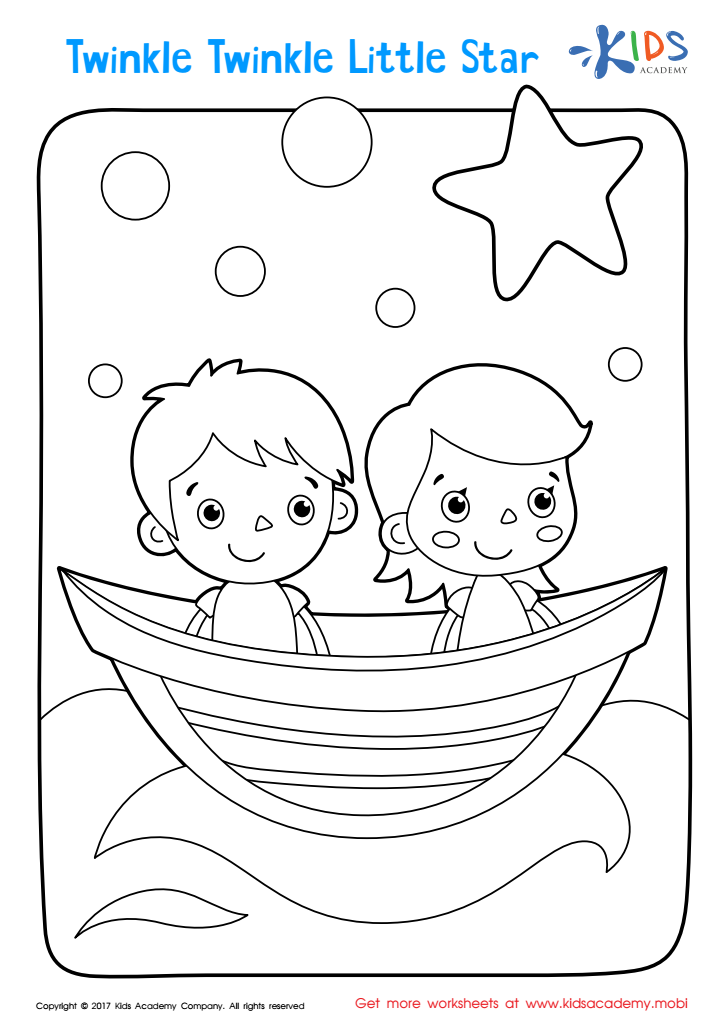
Twinkle Twinkle Little Star Coloring Page
 Assign to My Students
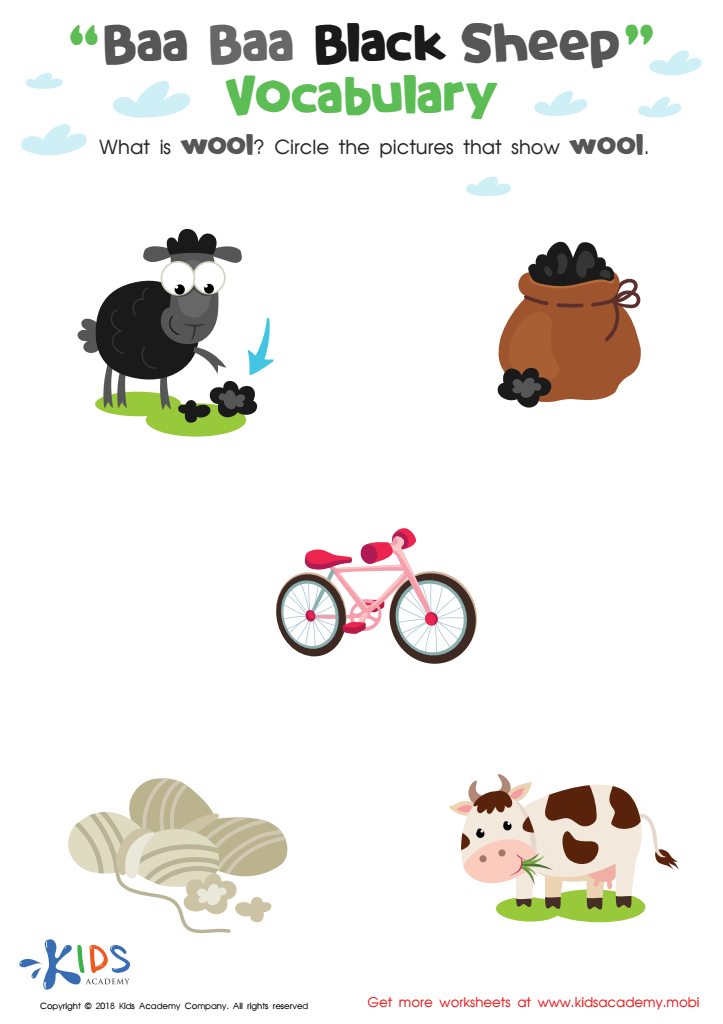
Baa Baa Black Sheep: Vocabulary Worksheet
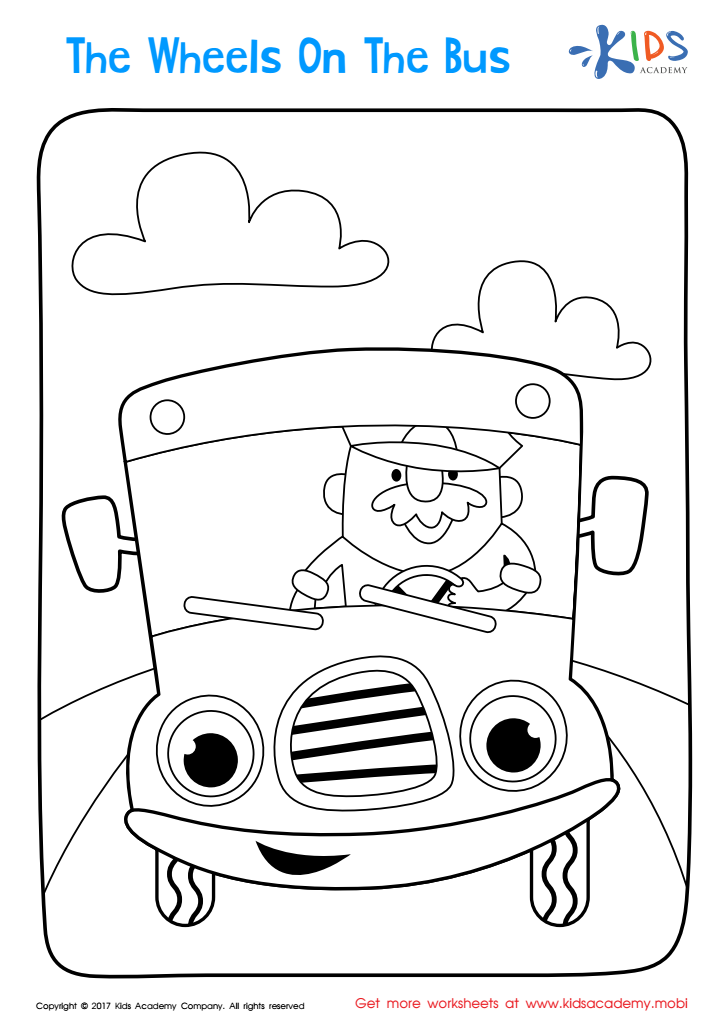
The Wheels on the Bus Coloring Page
Assign to My Students







.jpg)
Parents and teachers should care about normal songs for ages 3-8 because they play a crucial role in early childhood development. Music facilitates language acquisition, enhances memory, and supports cognitive development. Normal songs, with simple melodies and repetitive lyrics, help children learn new words, improve pronunciation, and understand sentence structures, laying a strong foundation for literacy skills.
In addition, singing along to songs encourages physical activity through dancing and movements, which improves motor skills and coordination. Music also serves as an emotional outlet for young children, helping them express their feelings, understand emotions better, and reduce anxiety and stress.
Socially, songs create opportunities for group activities, fostering a sense of community and teaching kids about sharing, cooperation, and taking turns. They often carry moral lessons or cultural stories, contributing to the development of social values and cultural awareness.
For educators and parents, using normal songs can make learning more engaging and fun. Songs capture children's attention and make difficult concepts easier to understand and remember. By integrating music into daily routines and academic activities, adults can create a rich, stimulating environment that nurtures overall growth and well-being in children.








