Analyzing data Normal Science Worksheets for Ages 3-8
5 filtered results
-
From - To
Explore our engaging "Analyzing Data Normal Science Worksheets" designed for ages 3-8! These printable resources help young learners develop essential skills in data analysis through fun and interactive activities. Our worksheets introduce basic concepts of sorting, categorizing, and graphing, making complex ideas accessible for little minds. Crafted to align with foundational science education, these materials foster critical thinking and spark curiosity in young explorers. Perfect for home or classroom use, these worksheets encourage children to observe, interpret, and communicate data in a playful manner. Empower your child's learning journey with our engaging sheets that make science both fun and educational!
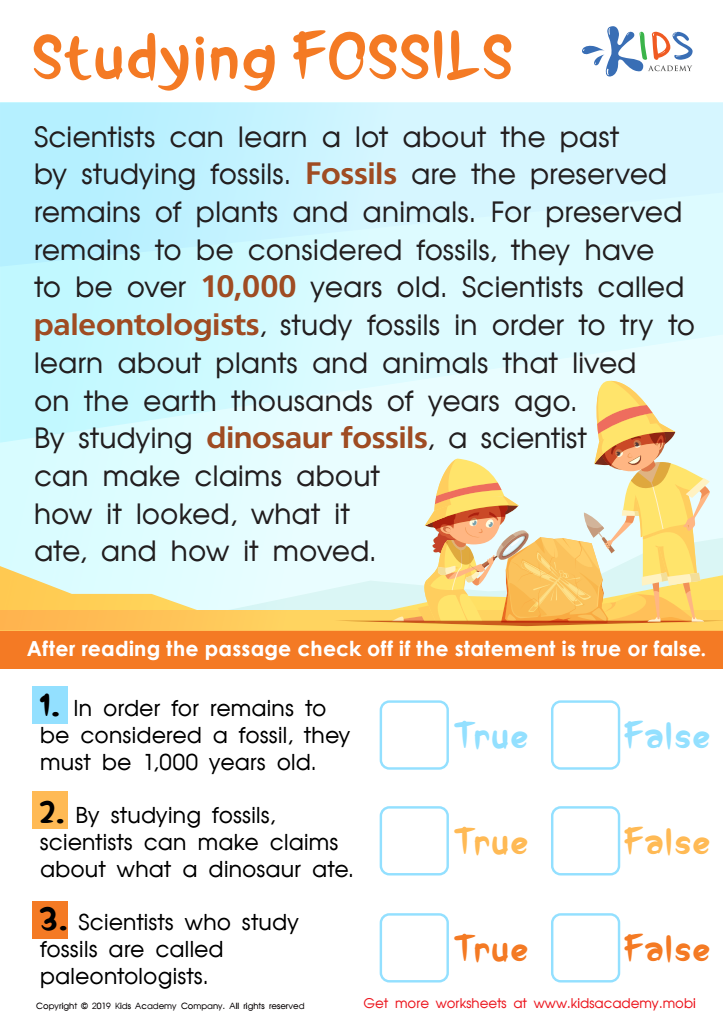
Studying Fossils Worksheet
 Assign to My Students
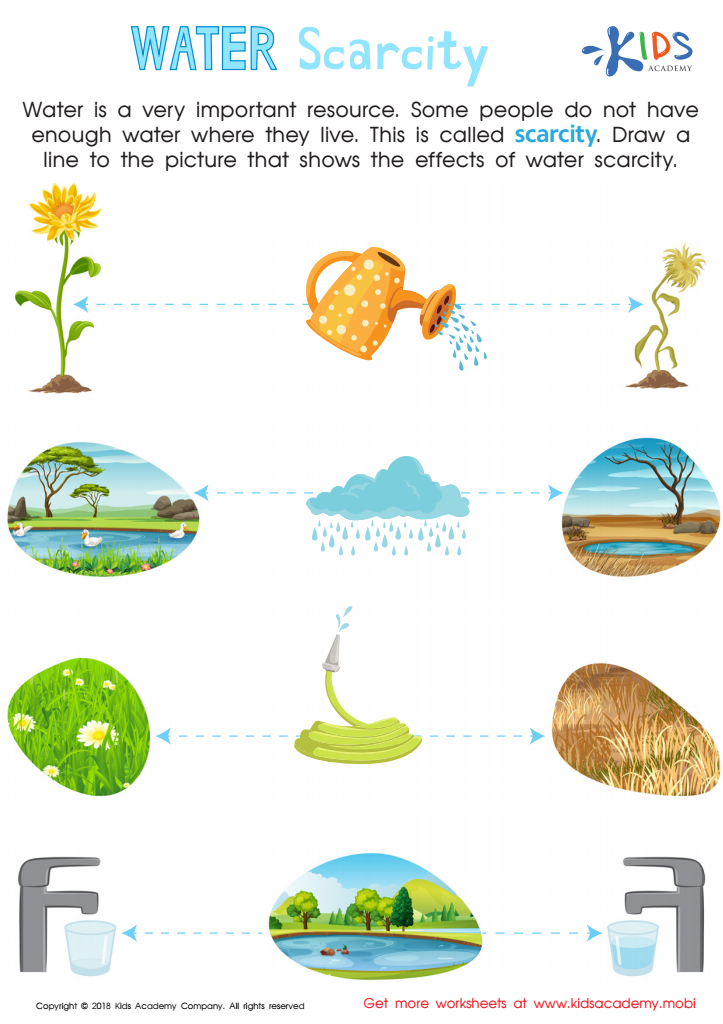
Water Scarcity Worksheet
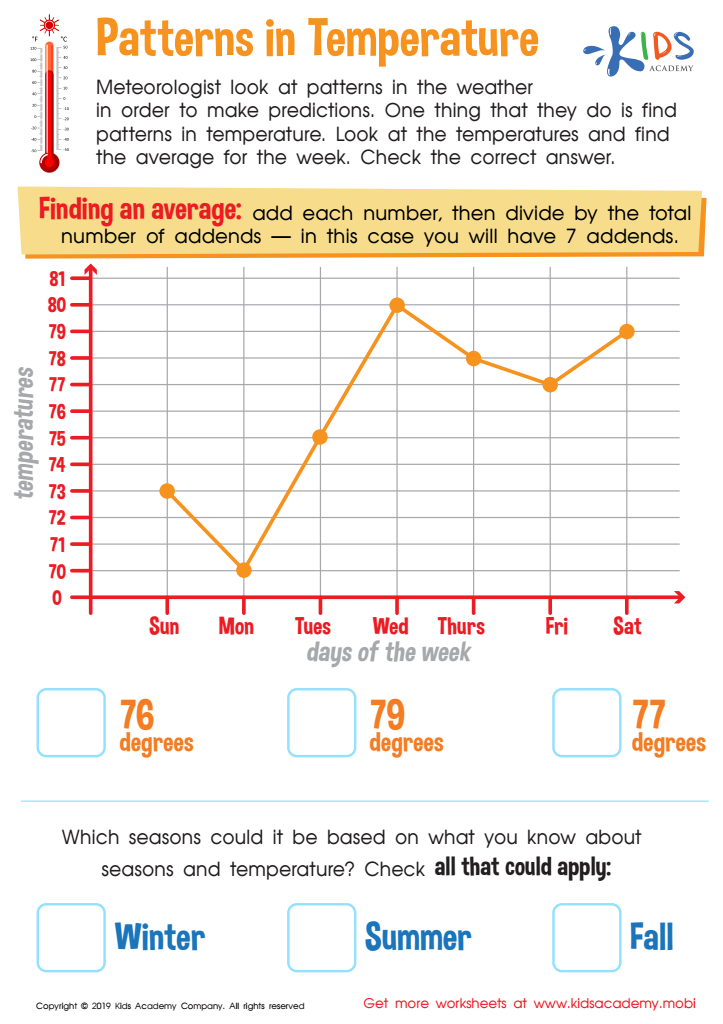
Patterns in Temperature Worksheet
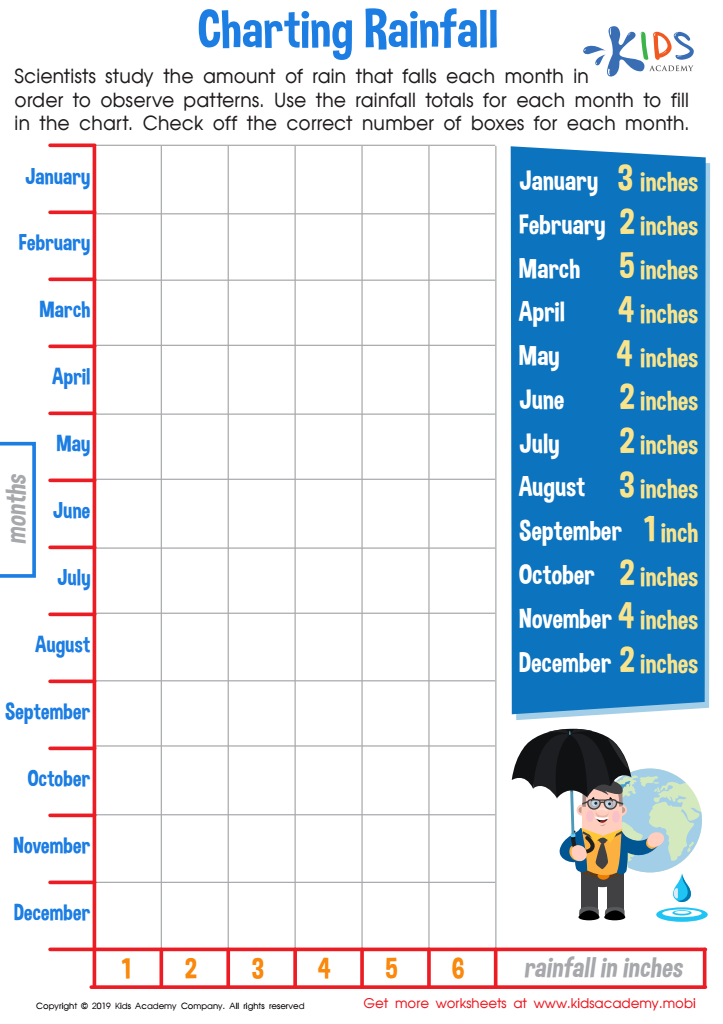
Charting Rainfall Worksheet
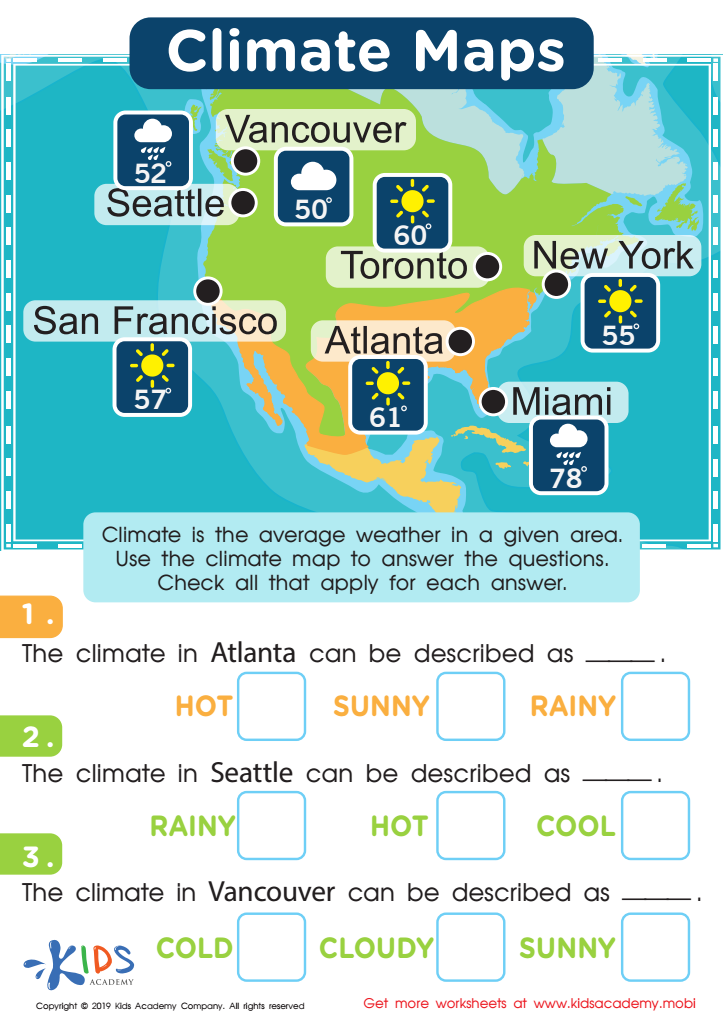
Climate Maps Worksheet







.jpg)
Analyzing data in the context of Normal Science is essential for parents and teachers of children ages 3-8 as it plays a critical role in fostering early scientific thinking and inquiry skills. By introducing children to data analysis at a young age, we can nurture their natural curiosity and promote a deeper understanding of the world around them. Data analysis helps children develop critical thinking and problem-solving skills, enabling them to make informed decisions and reason effectively.
For parents and teachers, engaging children in data analysis helps them recognize patterns, make predictions, and learn how to communicate their findings. This foundational skillset aligns with early learning standards and sets the tone for lifelong learning. Additionally, analyzing data can strengthen collaboration skills as children work together to interpret information, ask questions, and explore answers.
Moreover, as children approach complex topics in later grades, early exposure to data analysis can simplify challenging concepts and pique their interest in scientific disciplines. It equips them with the tools to engage meaningfully with science and enhances their ability to find solutions to real-world problems. Thus, understanding data literacy in early childhood education is vital for building a more inquisitive, informed, and analytical generation.







