Classification skills Normal Science Worksheets for Ages 3-8
5 filtered results
-
From - To
Discover a fun and engaging way for children ages 3-8 to develop their classification skills with our Normal Science Worksheets! Designed to foster early learning, these worksheets encourage kids to sort and categorize objects based on various attributes, such as size, color, and shape. With vibrant illustrations and age-appropriate activities, children will enjoy identifying patterns and making connections in a hands-on manner. Ideal for both classroom settings and home learning, our worksheets help enhance critical thinking and problem-solving abilities. Jumpstart your child's educational journey and watch their confidence grow as they master the art of classification with our expertly crafted worksheets!
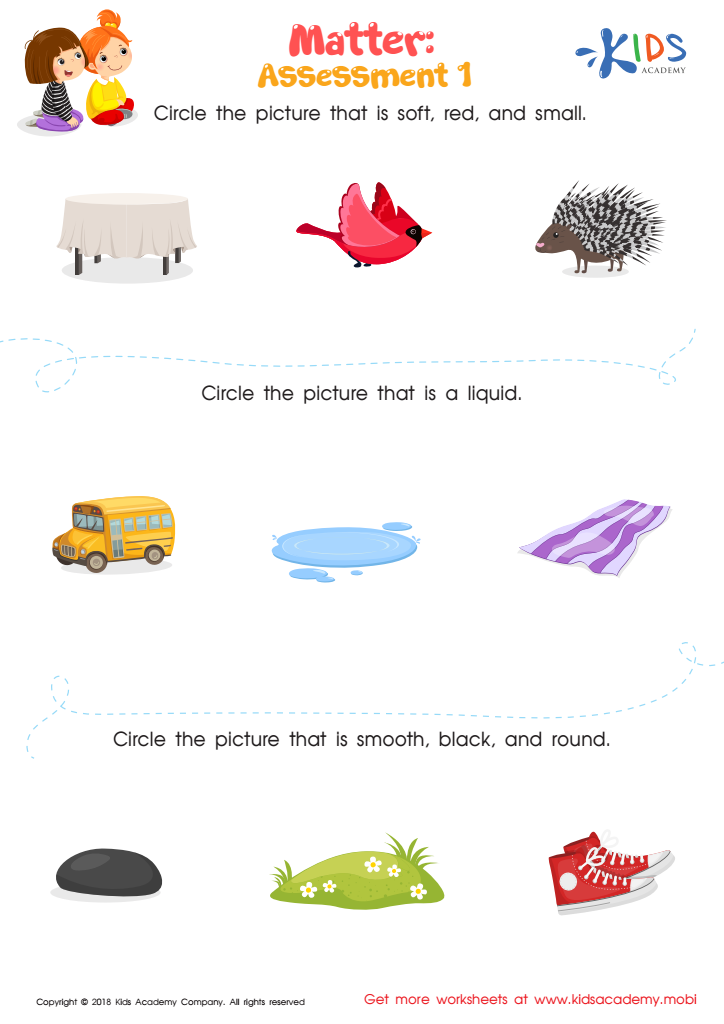
Matter: Assessment 1 Worksheet
 Assign to My Students
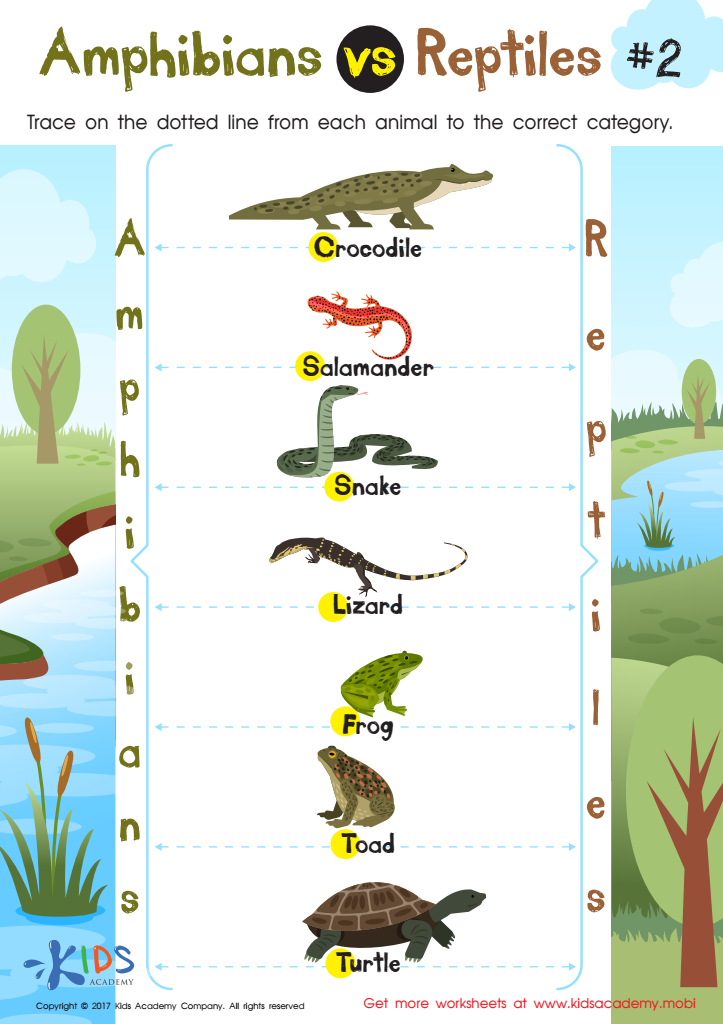
Amphibians vs Reptiles Worksheet for 3rd Grade
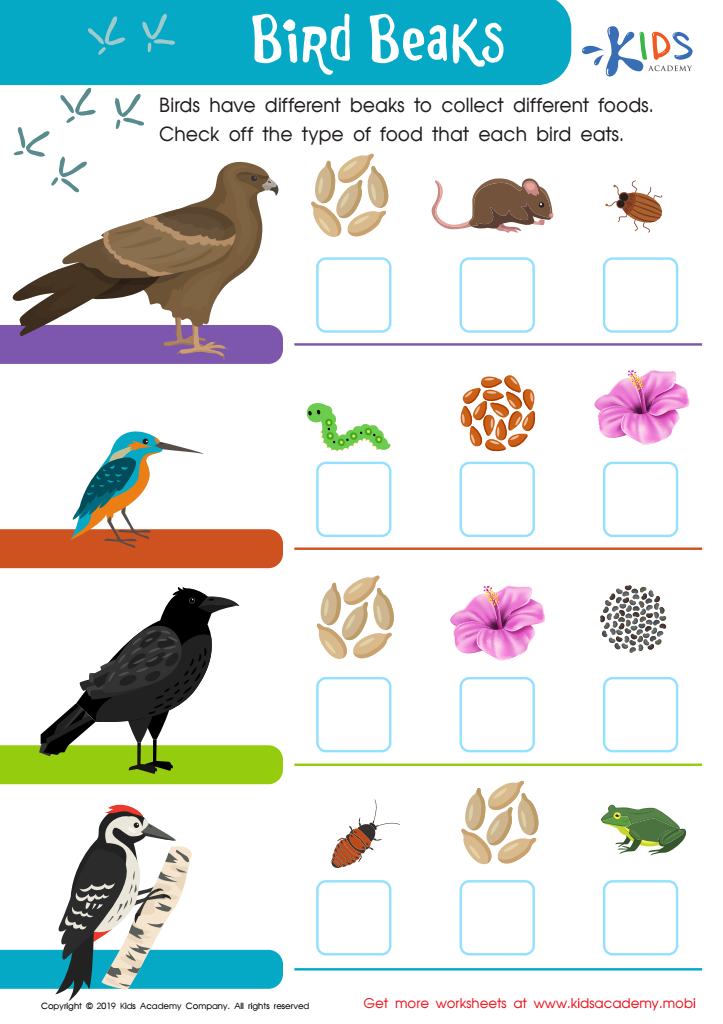
Bird Beaks Worksheet
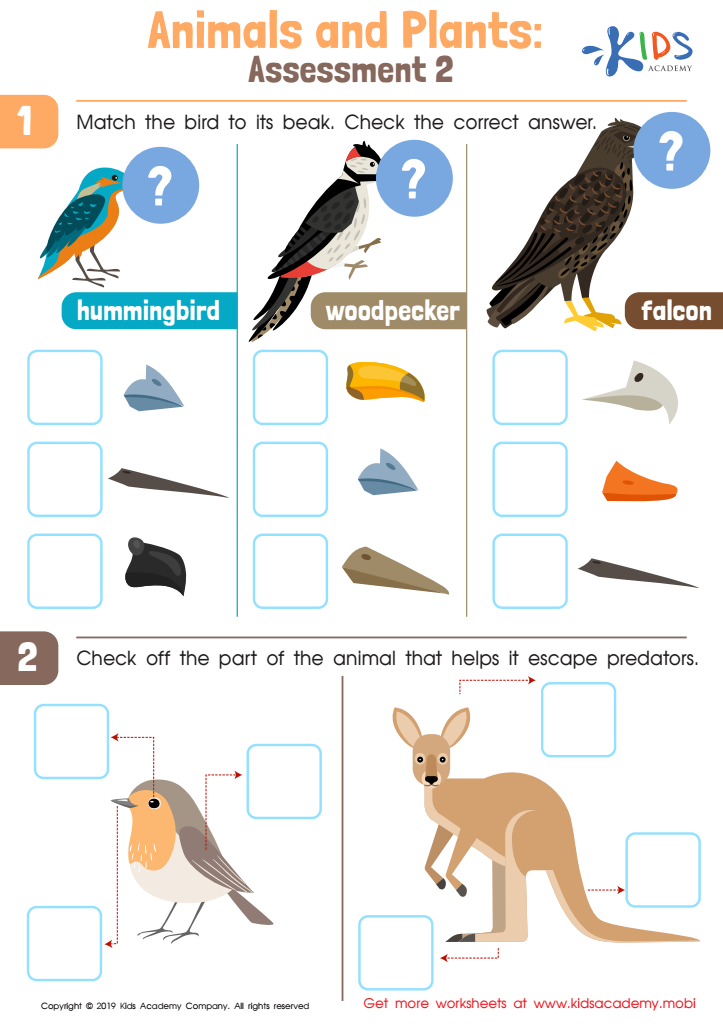
Animals and Plants: Assessment 2 Worksheet
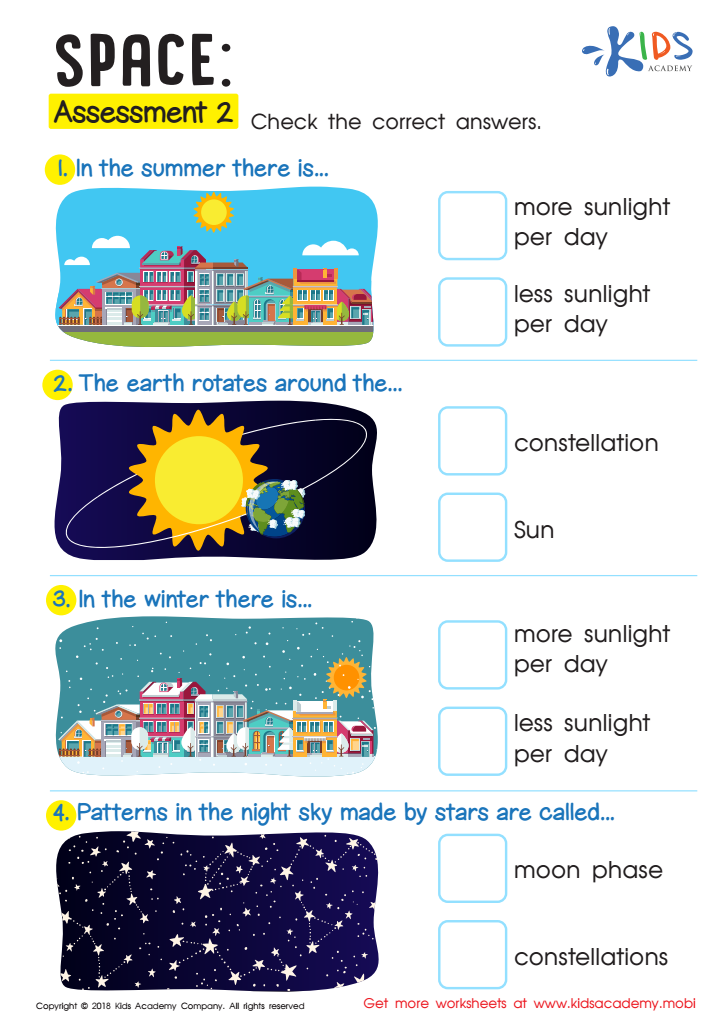
Space: Assessment 2 Worksheet





Classification skills are essential for children aged 3-8 as they serve as a foundation for scientific understanding and cognitive development. Parents and teachers should care about fostering these skills because they help children organize information and enhance their ability to categorize objects, living things, and ideas. This skill not only enhances observational abilities but also promotes critical thinking, problem-solving, and language development.
Engaging in classification activities—such as sorting animals by habitat, grouping objects by color or size, or distinguishing between plants and non-plants—encourages children to make connections and understand relationships in the world around them. These categorization processes aid in developing memory and foundational concepts that underpin future learning in science and other subjects.
Moreover, classification nurtures children’s curiosity and encourages exploration, which is vital for fostering a love of learning. It prepares them for more complex scientific concepts they will encounter later in their education. By prioritizing classification skills, parents and teachers can help children build confidence in their abilities to analyze, compare, and understand their environments, laying the groundwork for lifelong learning and critical inquiry. Overall, these skills promote engaged, informed, and thoughtful young learners.







