Counting practice Normal Science Worksheets for Ages 3-8
4 filtered results
-
From - To
Enhance your child's early math skills with our Counting Practice Normal Science Worksheets, specially designed for ages 3-8! These engaging worksheets blend counting activities with fun scientific concepts, making learning enjoyable. Children will explore various themes such as animals, nature, and space, while developing their ability to count and recognize numbers. Each worksheet offers vibrant illustrations and interactive exercises, perfect for fostering curiosity and a love for learning. Ideal for home or classroom use, these resources will help young learners build a strong foundation in counting while discovering the wonders of science. Start counting and exploring today!
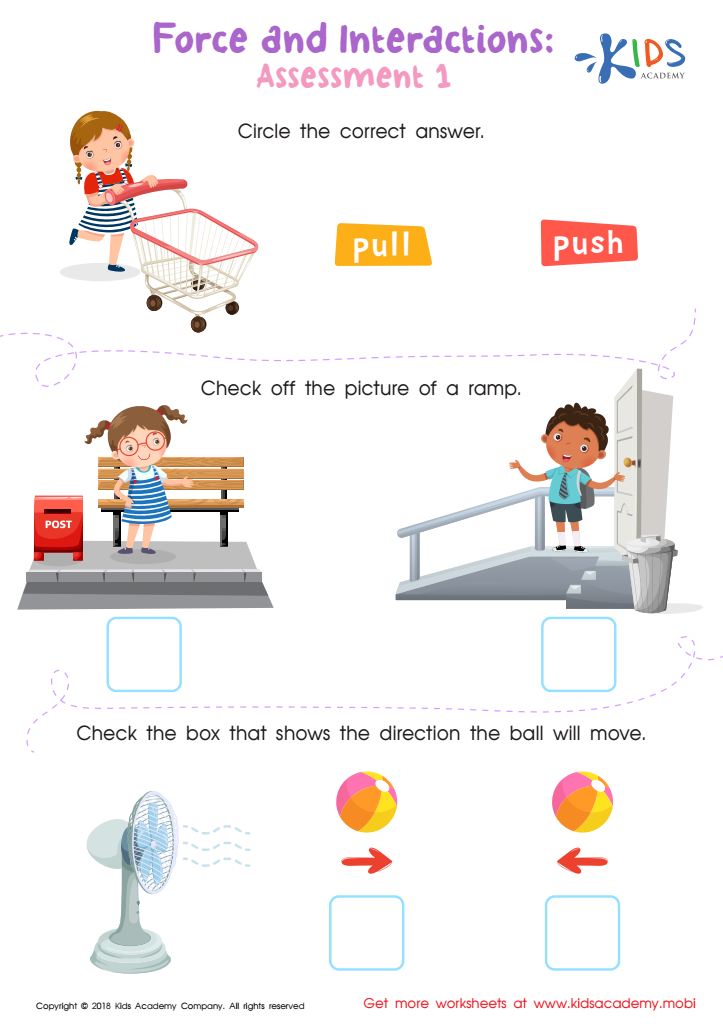
Force and Interactions: Assessment 1 Worksheet
 Assign to My Students
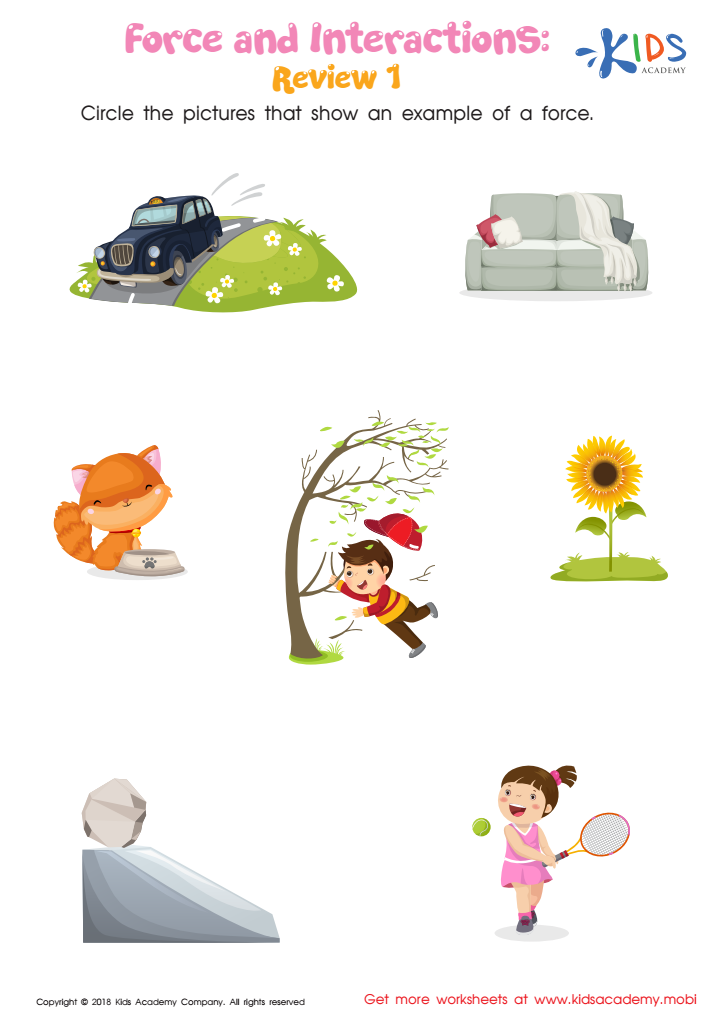
Force and Interactions: Review 1 Worksheet
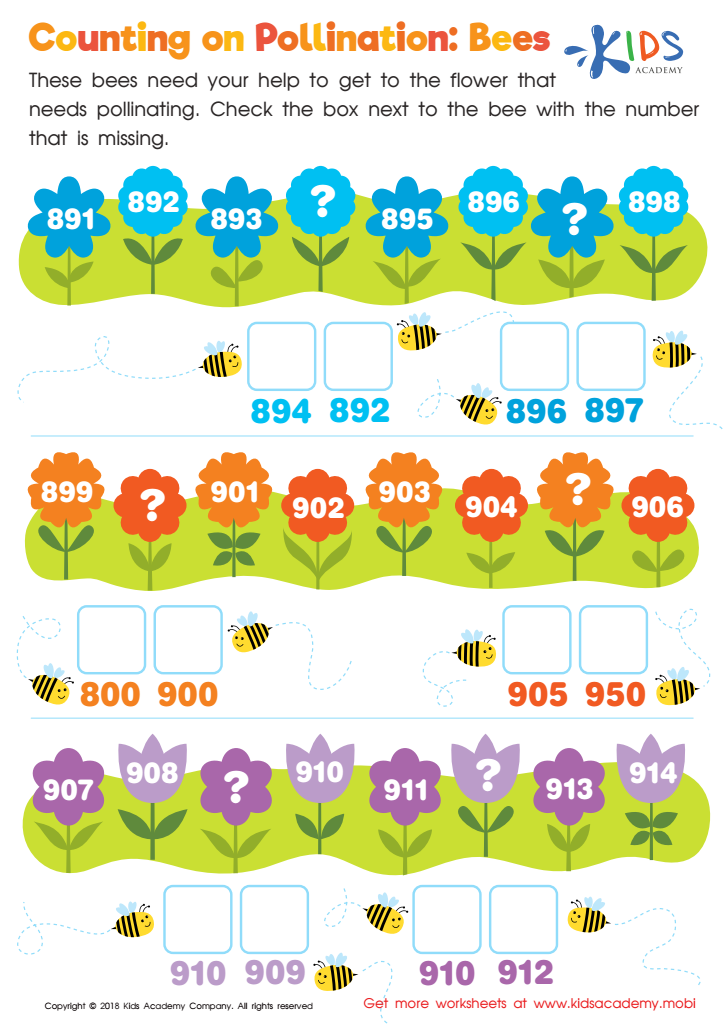
Counting on Pollination: Bees Worksheet
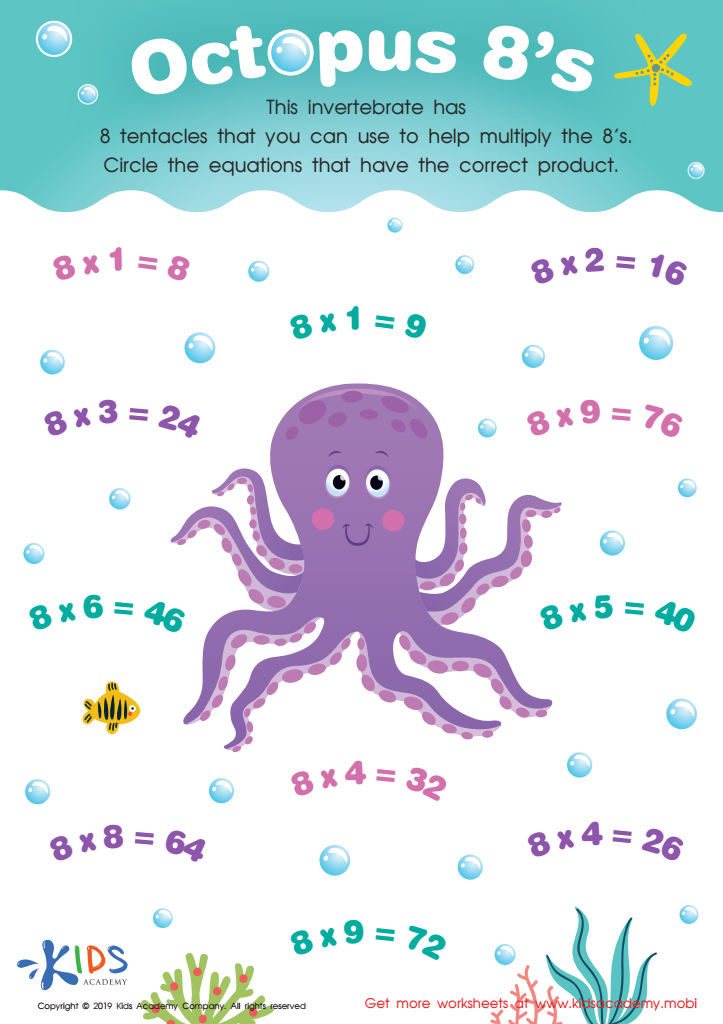
Octopus 8’s Worksheet



.jpg)


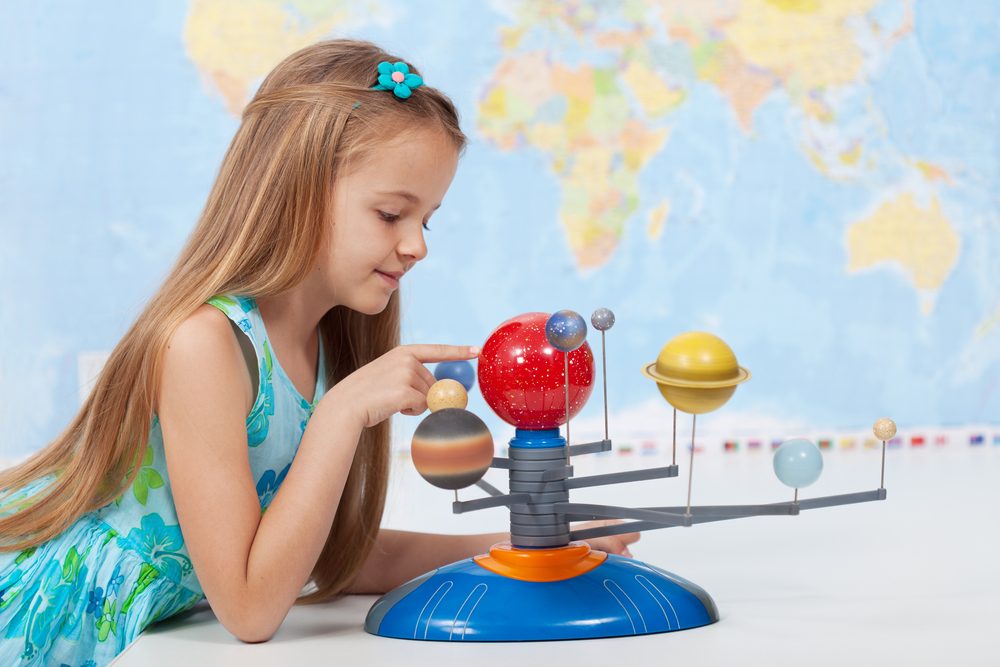
Counting practice is fundamental in early childhood education, particularly for children aged 3-8, as it lays the groundwork for future mathematical understanding and overall cognitive development. During these formative years, children are highly receptive to new concepts, and engaging them in counting can enhance their numerical fluency and confidence.
Parents and teachers should prioritize counting practice because it fosters critical thinking skills. As children categorize, compare, and manipulate numbers, they learn to problem-solve and understand relationships between quantities. Additionally, counting practice strengthens fine motor skills through the use of manipulatives, and it makes learning interactive and fun.
Moreover, understanding the basics of counting lays the foundation for more complex math skills, such as addition and subtraction. Early exposure to these concepts equips children with the skills they need for future academic success, creating a positive attitude towards math that can last a lifetime.
Finally, counting can be integrated into everyday activities, enriching the learning experience. By incorporating discussion about numbers in various contexts—like counting toys, snacks, or steps—parents and teachers can make learning both engaging and practical, ultimately fostering a love for mathematics in young learners.







