Critical thinking development Normal Science Worksheets for Ages 3-8
7 filtered results
-
From - To
Our "Critical Thinking Development: Normal Science Worksheets for Ages 3-8" are expertly designed to nurture young minds through engaging and formative exercises. These printable materials offer age-appropriate challenges that bolster essential problem-solving and analytical skills. Perfect for sparking curiosity in young scientists, our worksheets include captivating activities covering various science topics. Children will explore, question, and connect scientific concepts, creating a foundation for lifelong learning. Easy to integrate into both classroom and at-home learning, these resources empower parents and educators to cultivate critical thinking in a fun and interactive way. Start their scientific journey with us today!
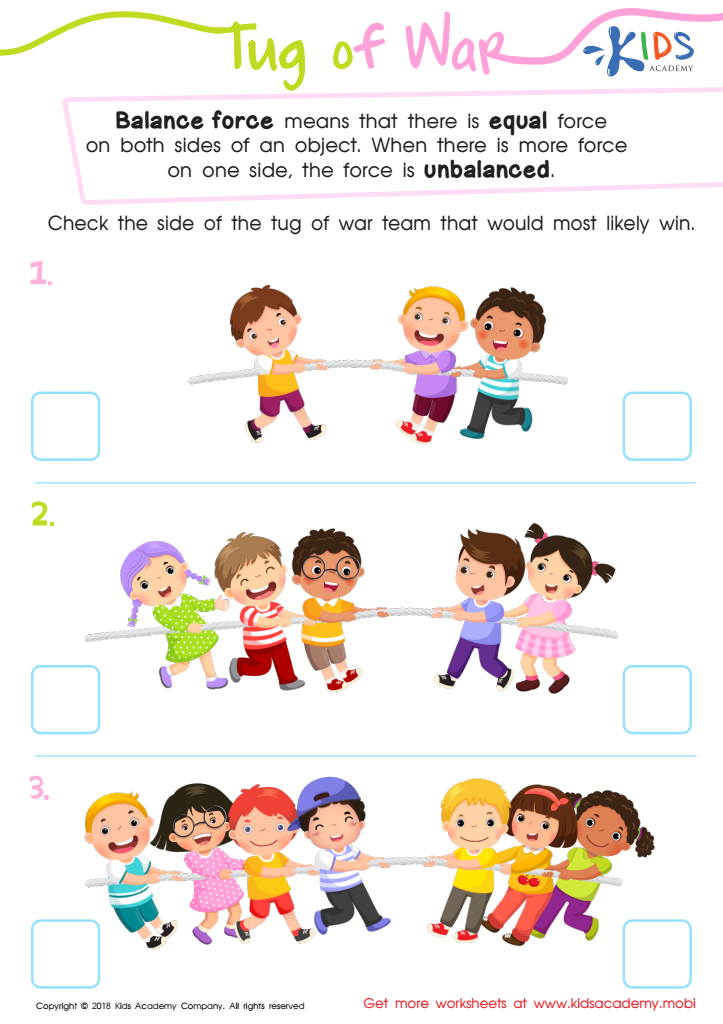
Balanced Forces Worksheet
 Assign to My Students
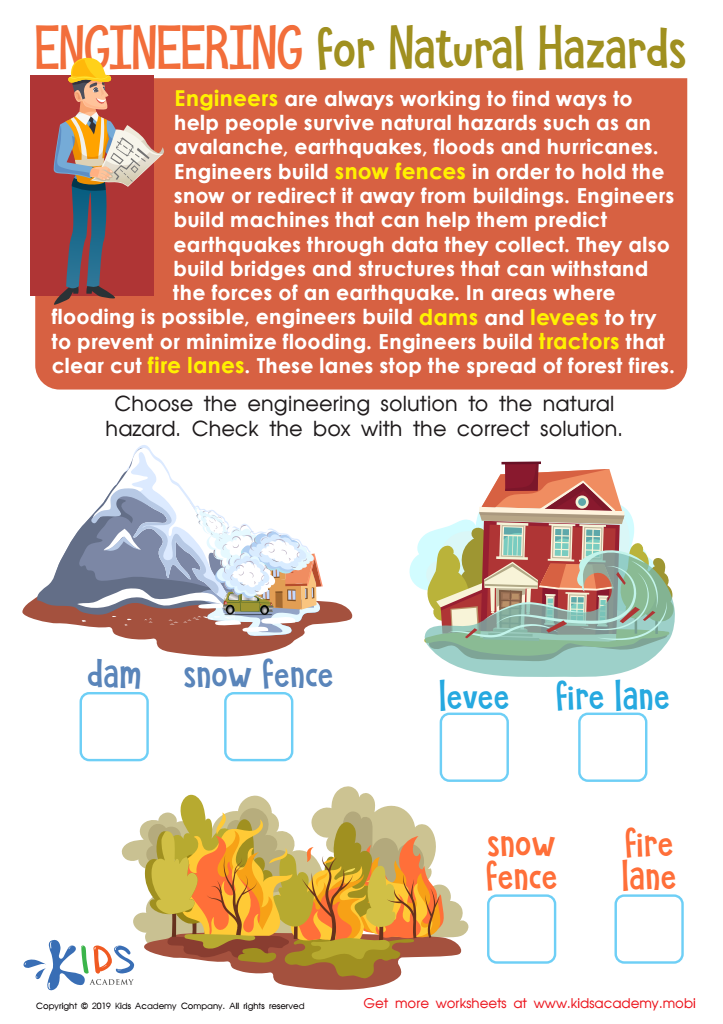
Engineering Natural Hazards Worksheet
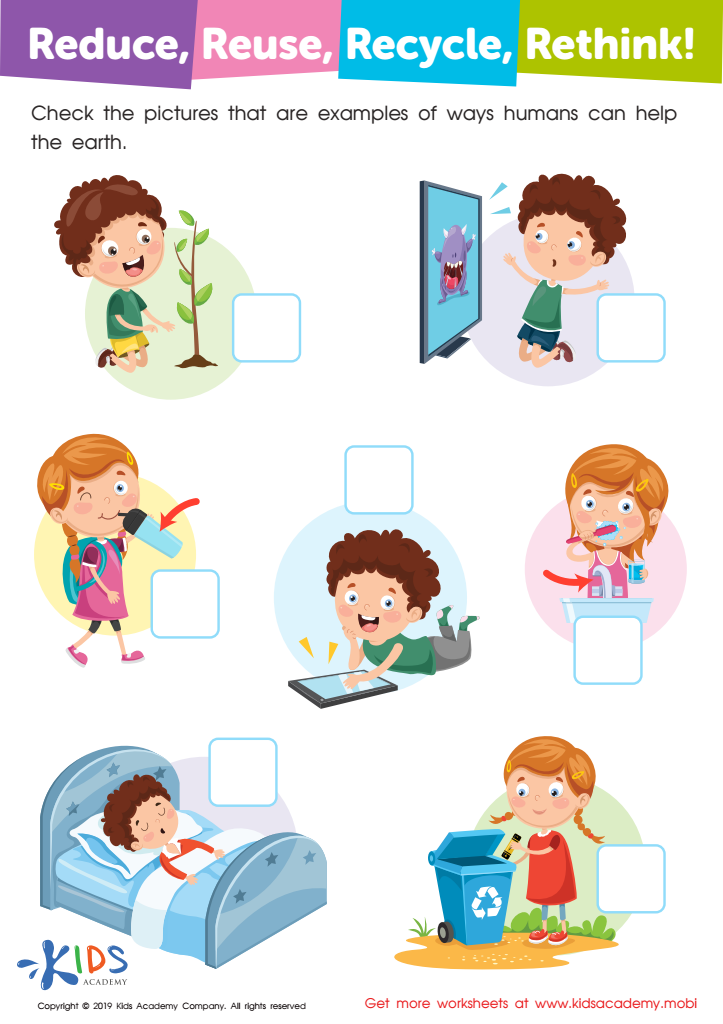
Reduce, Reuse, Recycle, Rethink Worksheet
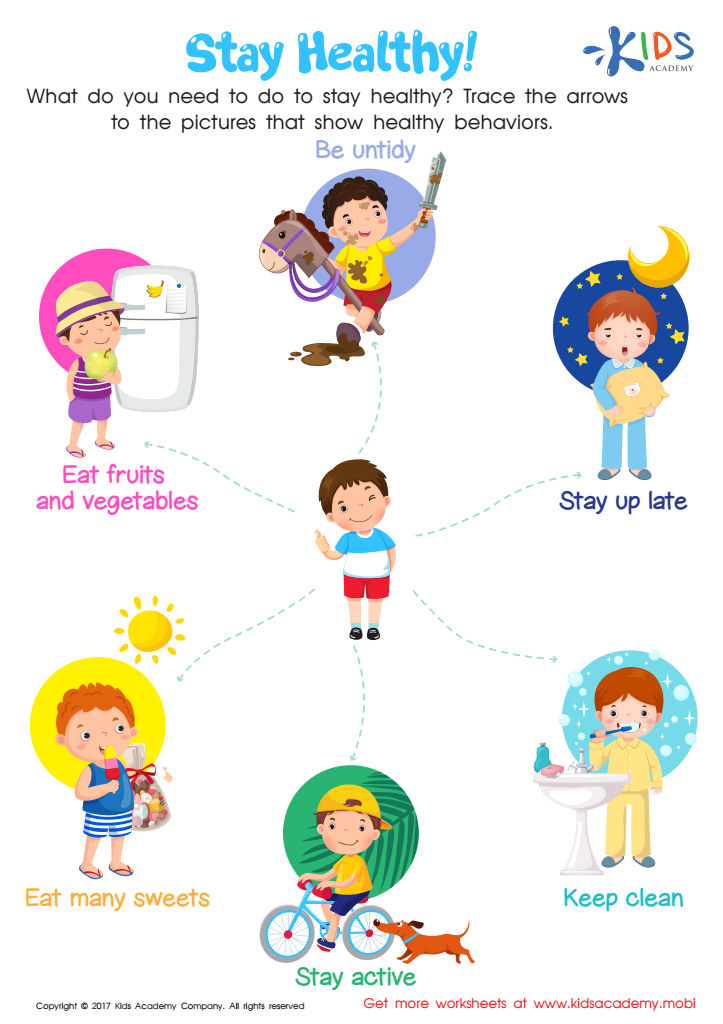
Healthy and Unhealthy Behaviors Worksheet
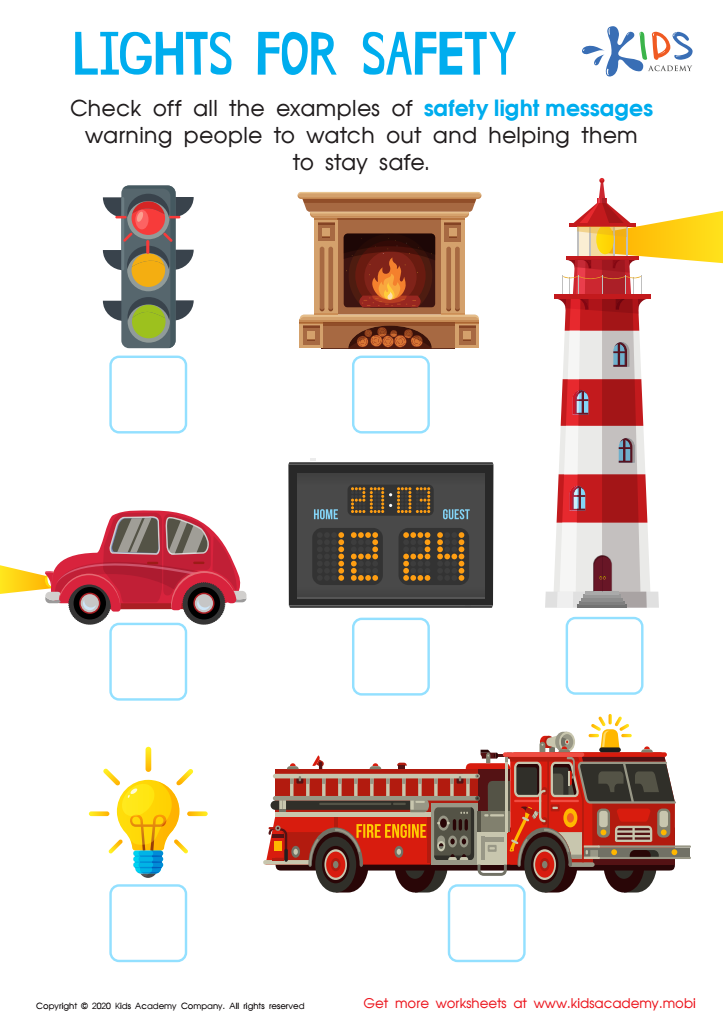
Lights for Safety Worksheet
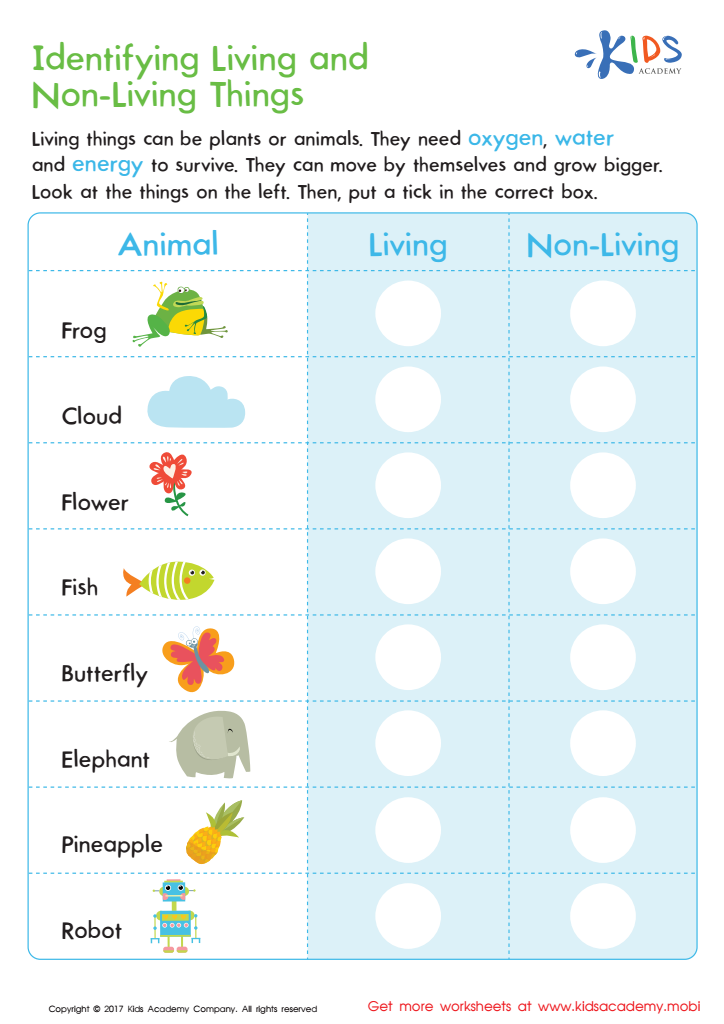
Identifying Living or Non–living Worksheet
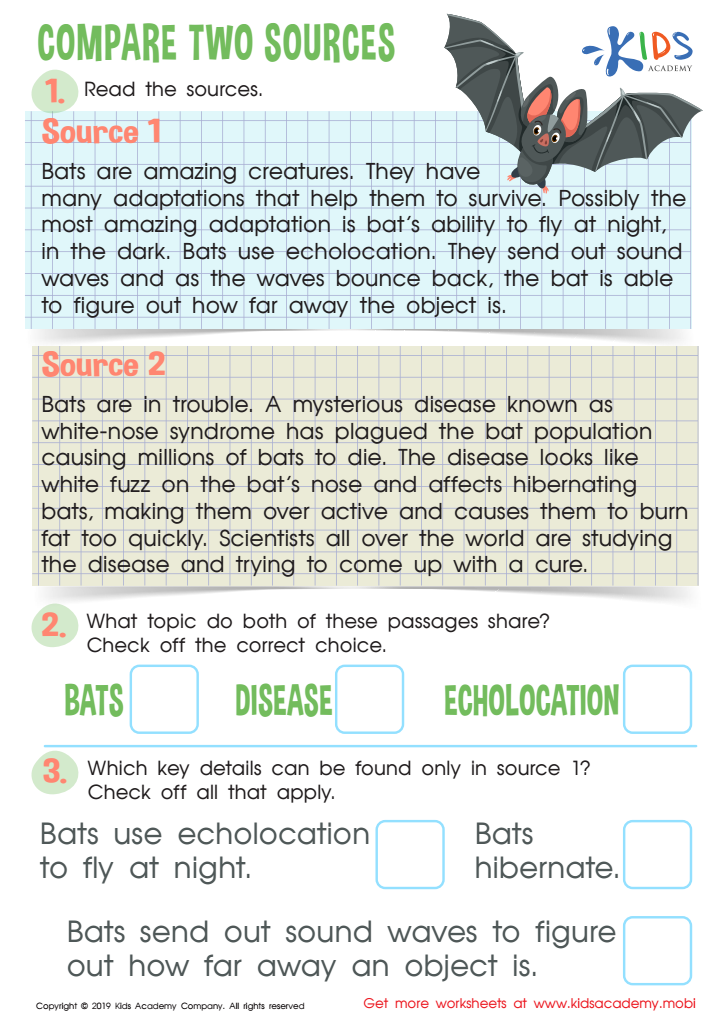
Compare Two Sources Worksheet







Critical thinking development in young children, particularly between the ages of 3-8, is essential because it lays the foundation for a lifetime of problem-solving and decision-making skills. At this early age, children are naturally curious and inquisitive, making it the optimal time to introduce and nurture critical thinking behaviors. Encouraging children to ask questions, evaluate information, and think creatively helps them become independent and active learners rather than passive recipients of knowledge.
For parents and teachers, fostering critical thinking means going beyond rote learning and memorization. It involves engaging children in activities that require them to analyze, synthesize, and make decisions based on observations and evidence. Scientific thinking is one practical approach for nurturing these skills. Employing simple experiments and encouraging observational approaches allows children to explore and understand the world around them, fostering a scientific mindset.
Promoting critical thinking early on empowers children to understand different perspectives, solve problems more effectively, and make informed decisions. These skills are not only critical to academic success but also for navigating life’s challenges. Ultimately, children equipped with strong critical thinking abilities are more likely to become innovative, thoughtful, and productive adults. Prioritizing these skills benefits society by developing individuals who can think deeply and act thoughtfully in complex situations.







