Knowledge application Normal Science Worksheets for Ages 3-8
5 filtered results
-
From - To
Explore our engaging Knowledge Application Normal Science Worksheets designed specifically for children ages 3-8! These interactive worksheets encourage young learners to apply their knowledge in fun, hands-on activities that stimulate critical thinking and creativity. Each worksheet covers essential science concepts, promoting curiosity about the natural world while enhancing observational skills. Perfect for home schooling or classroom use, these worksheets are a fantastic way for kids to learn through play. Discover the joy of scientific exploration as your child engages with vibrant illustrations and simple, age-appropriate challenges that make science come alive! Start your journey to scientific discovery today!
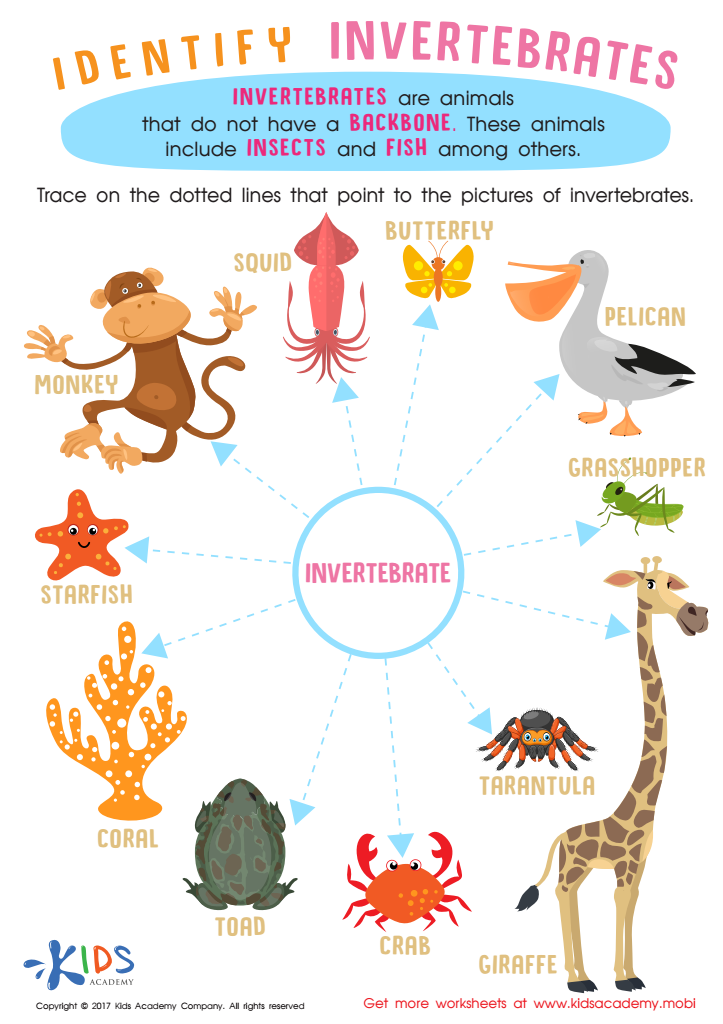
Invertebrates Worksheet for Grade 3
 Assign to My Students
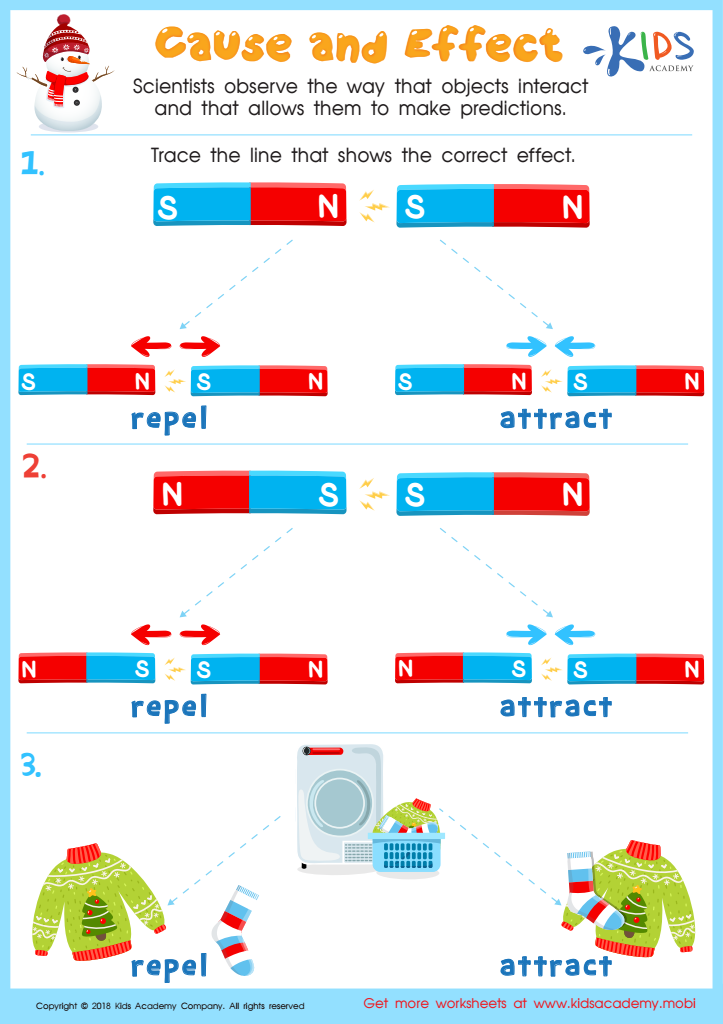
Repel and Attract Magnet Worksheet
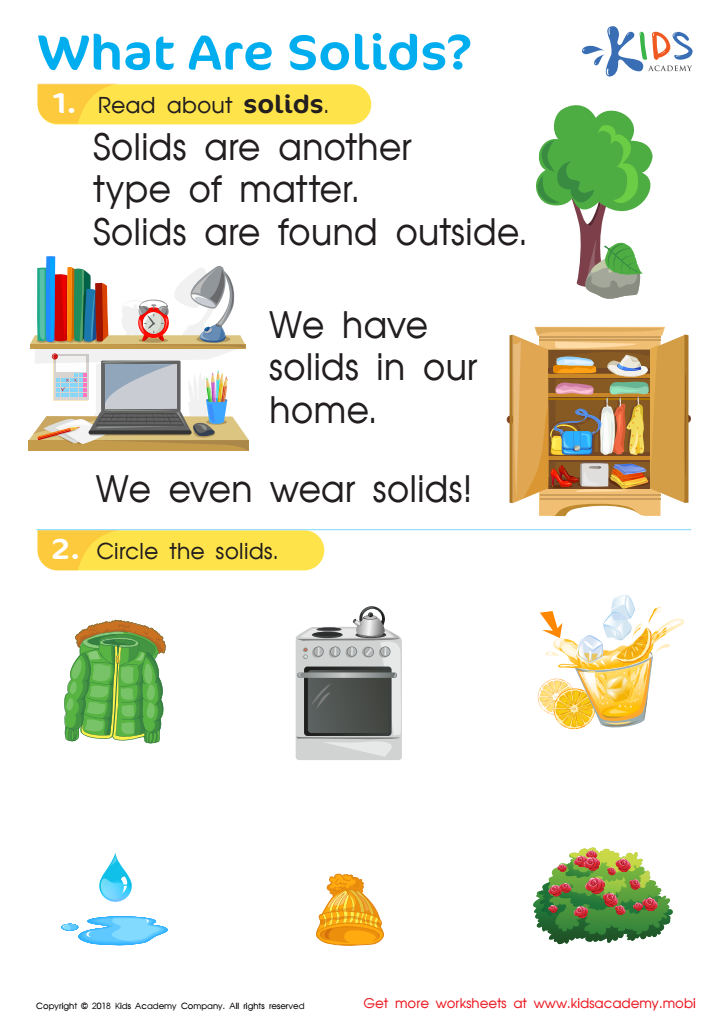
What Are Solids? Worksheet
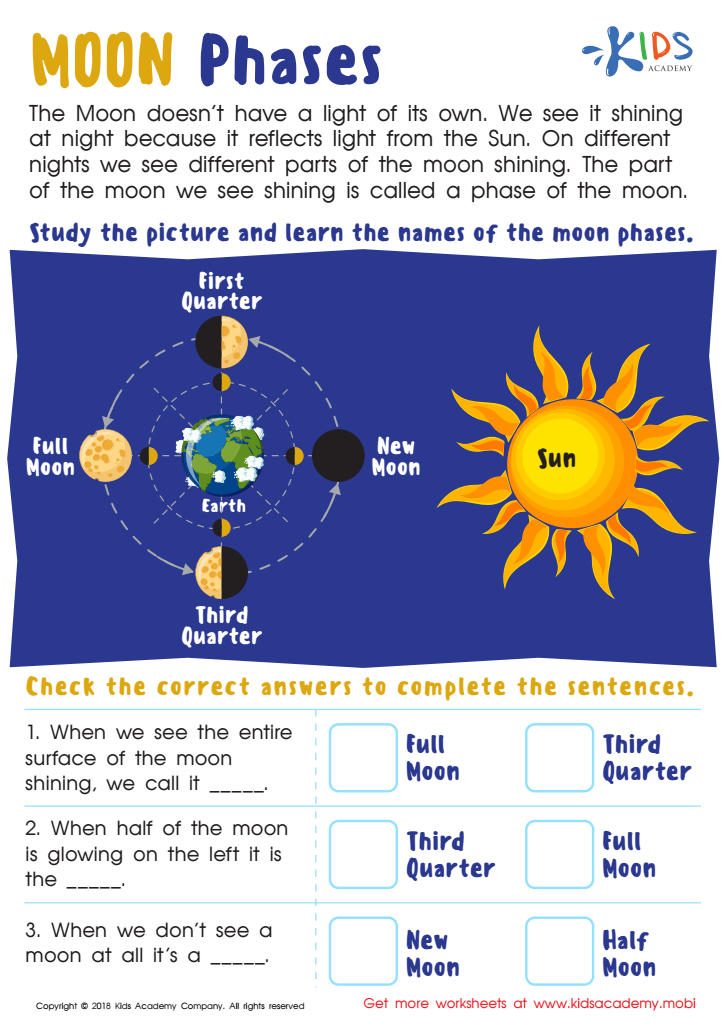
Moon Phases Worksheet
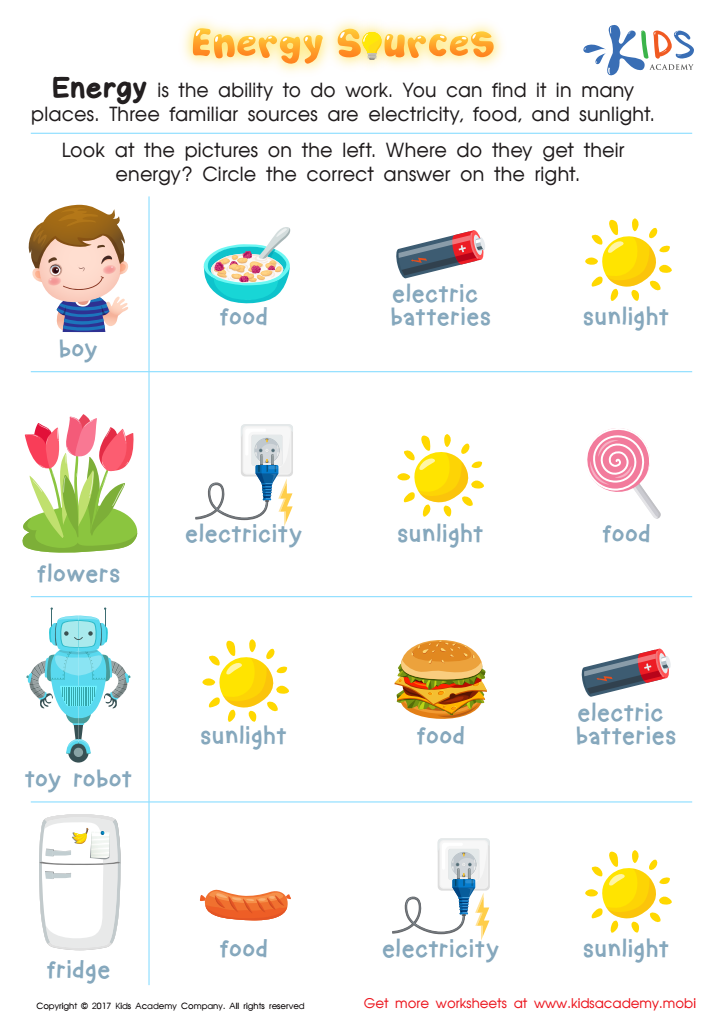
Energy Sources Printable







Knowledge application in Normal Science for ages 3-8 is crucial for fostering early curiosity and engagement with the natural world. During these formative years, children are naturally inclined to explore, ask questions, and seek explanations for phenomena they encounter. By introducing them to the principles of Normal Science, educators and parents can nurture this inherent curiosity into a deeper understanding of scientific concepts.
Engaging young learners in simple scientific methods, such as observation, hypothesis formation, experimentation, and conclusion drawing, lays a foundation for critical thinking and problem-solving skills. Moreover, knowledge application in this context helps to bridge theoretical understanding and real-world experiences, making learning more relevant and enriching.
Parents and teachers should care because early exposure to scientific inquiry can spark a lifelong interest in learning, enhancing literacy and numeracy skills alongside scientific knowledge. It also empowers children to become informed citizens, capable of making educated decisions about health, the environment, and technology as they grow. Ultimately, nurturing scientific exploration in early education promotes not only academic success but also helps develop inquisitive, confident, and resilient individuals ready to face future challenges. Encouraging knowledge application in Normal Science today shapes the scientists and innovators of tomorrow.







