Vocabulary Building Normal Science Worksheets for Ages 3-8
13 filtered results
-
From - To
Boost your child’s science vocabulary with our expertly crafted worksheets tailored for ages 3-8. Our engaging exercises cover essential scientific concepts and terminology, designed to enhance reading comprehension and critical thinking. Each worksheet is packed with fun activities, colorful illustrations, and hands-on experiments that make vocabulary building an enjoyable experience. Ideal for early learners, these resources support classroom learning and homeschooling parents seeking effective educational tools. Guide your child through the fascinating world of science, from basic biology to simple physics, while strengthening their language skills with Kids Academy’s innovative and interactive worksheets.
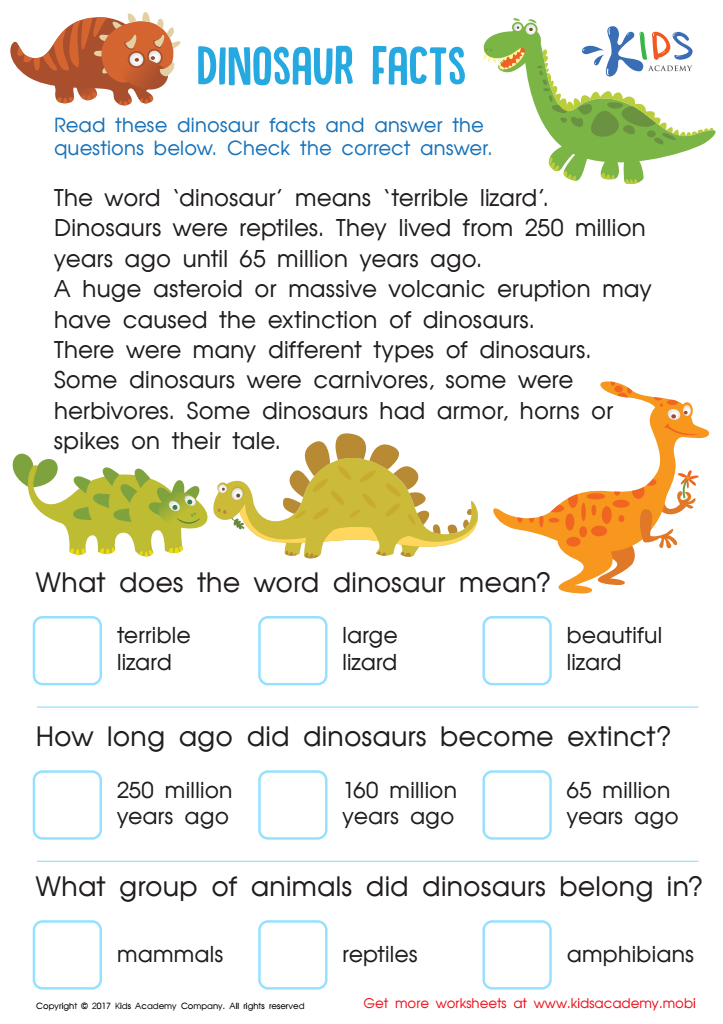
Dinosaur Facts Worksheet
 Assign to My Students
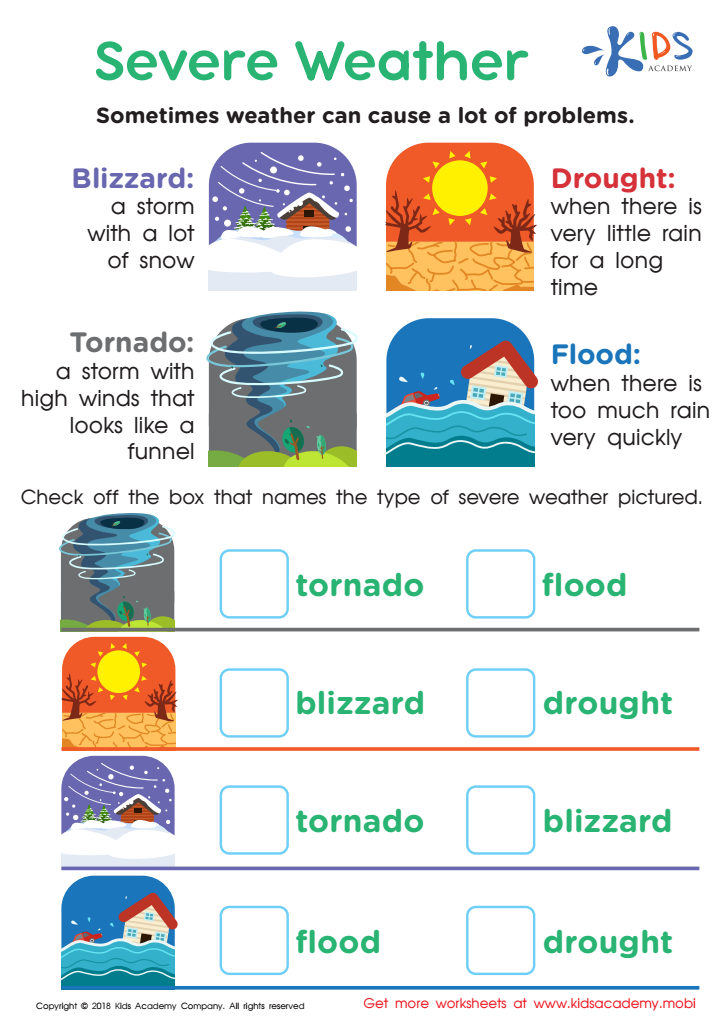
Severe Weather Worksheet
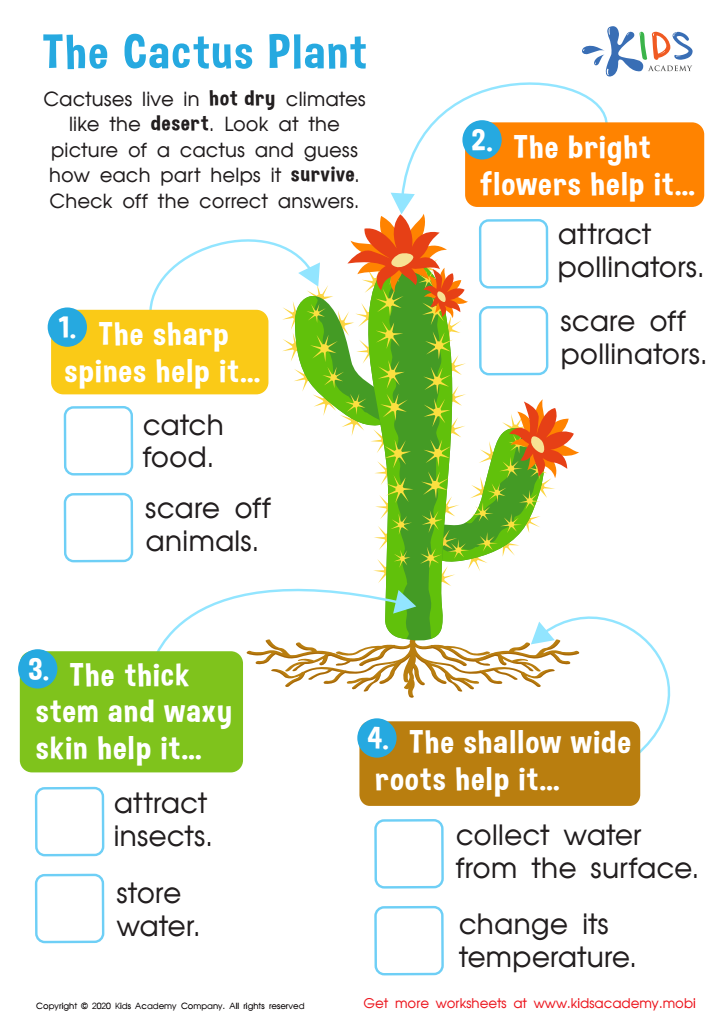
The Cactus Plant Worksheet
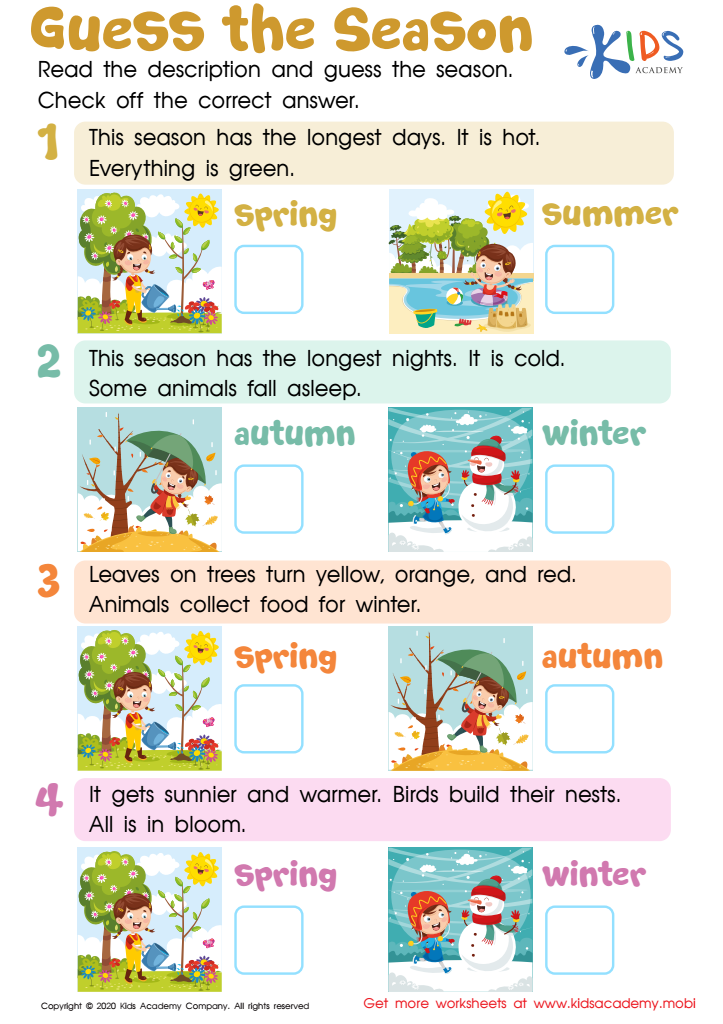
Guess the Season Worksheet
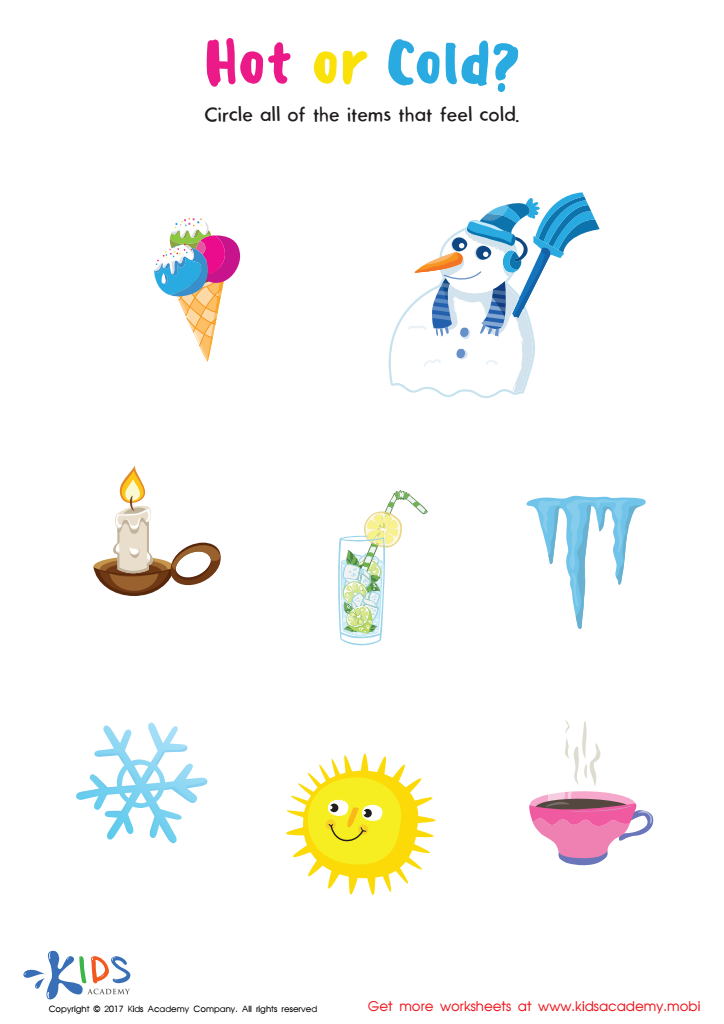
Hot or Cold Printable
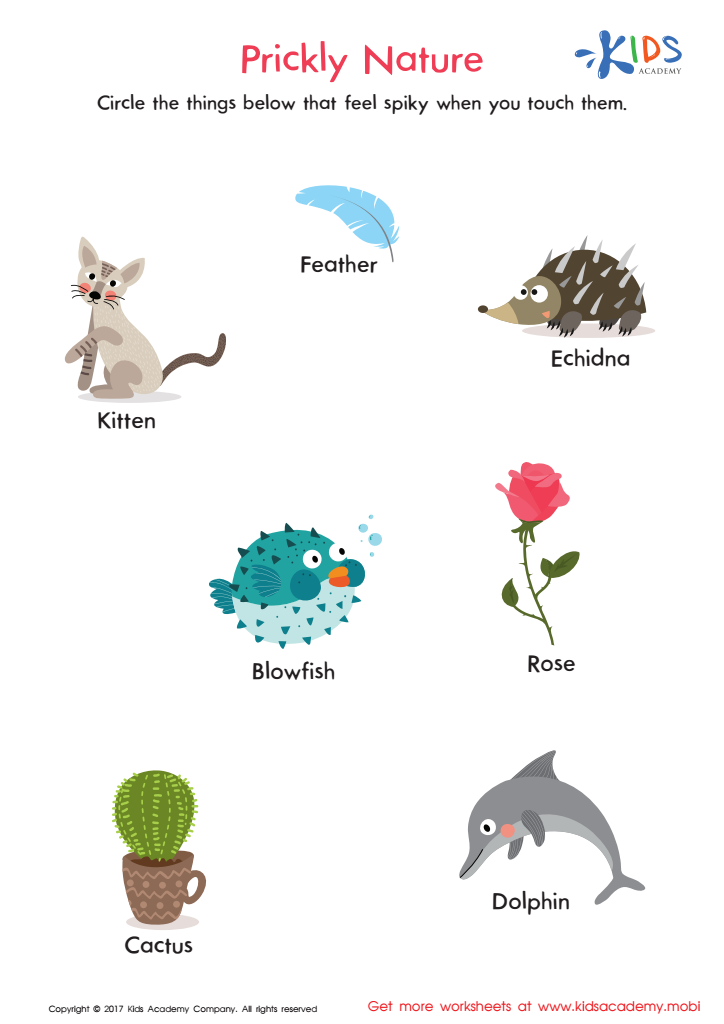
Prickly Nature Worksheet
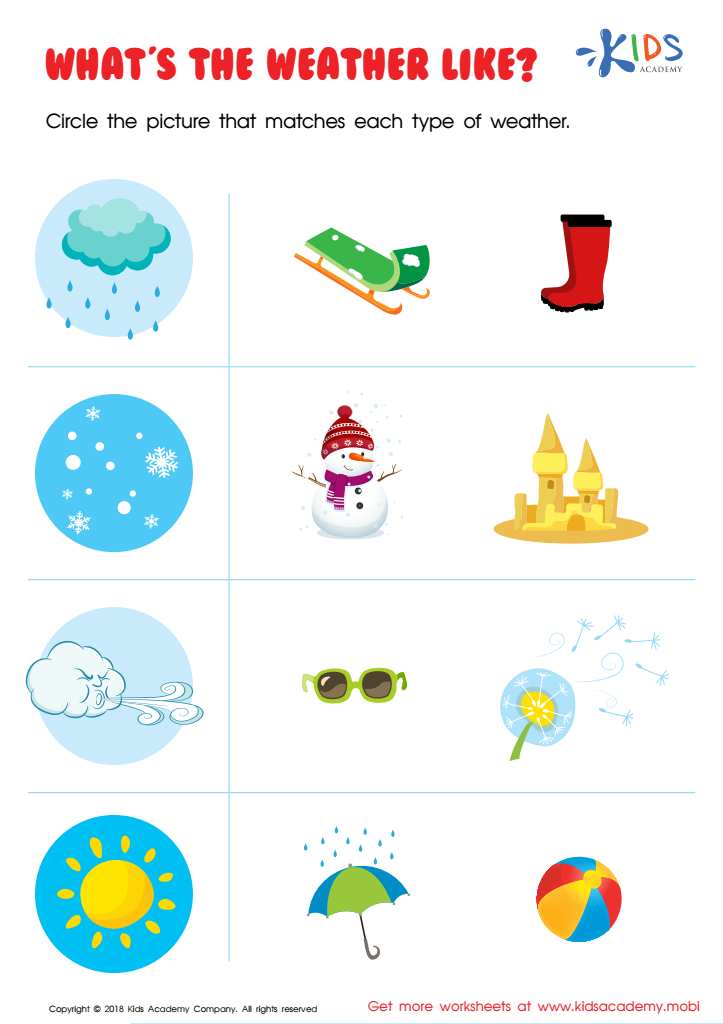
What's the Weather Like? Worksheet
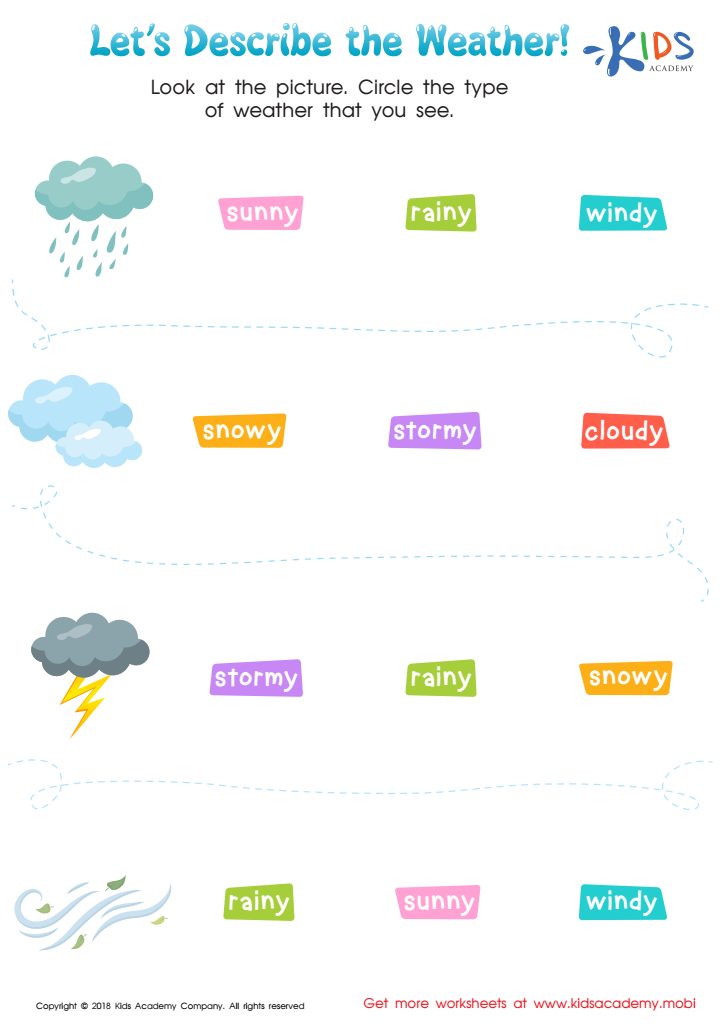
Let's Describe the Weather! Worksheet
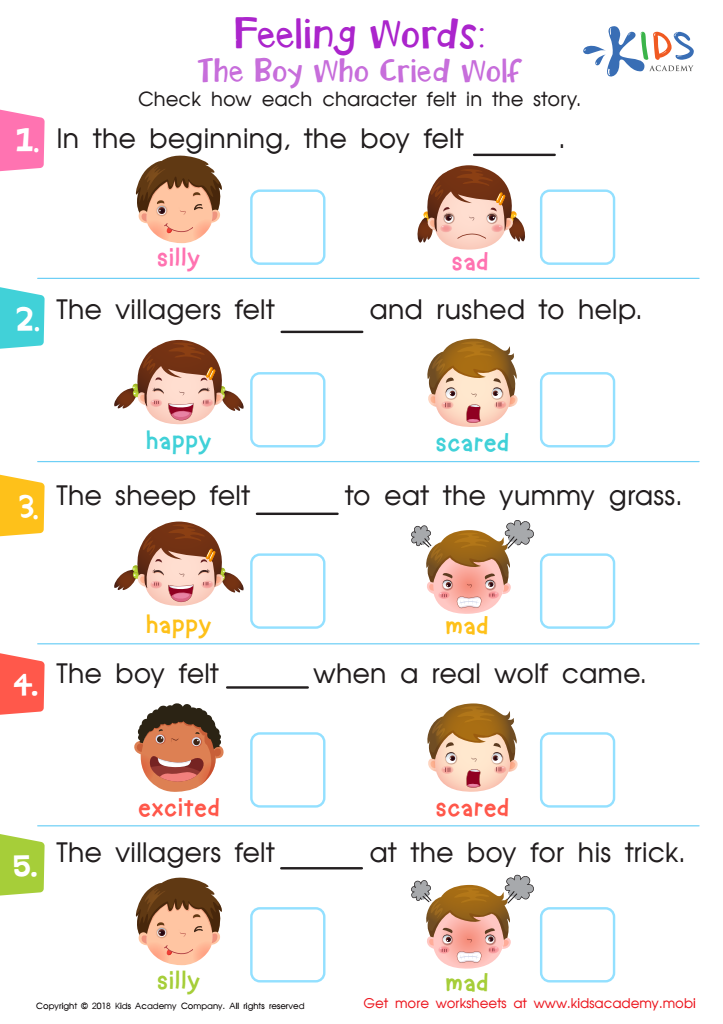
Feeling Words: The Boy Who Cried Wolf Worksheet
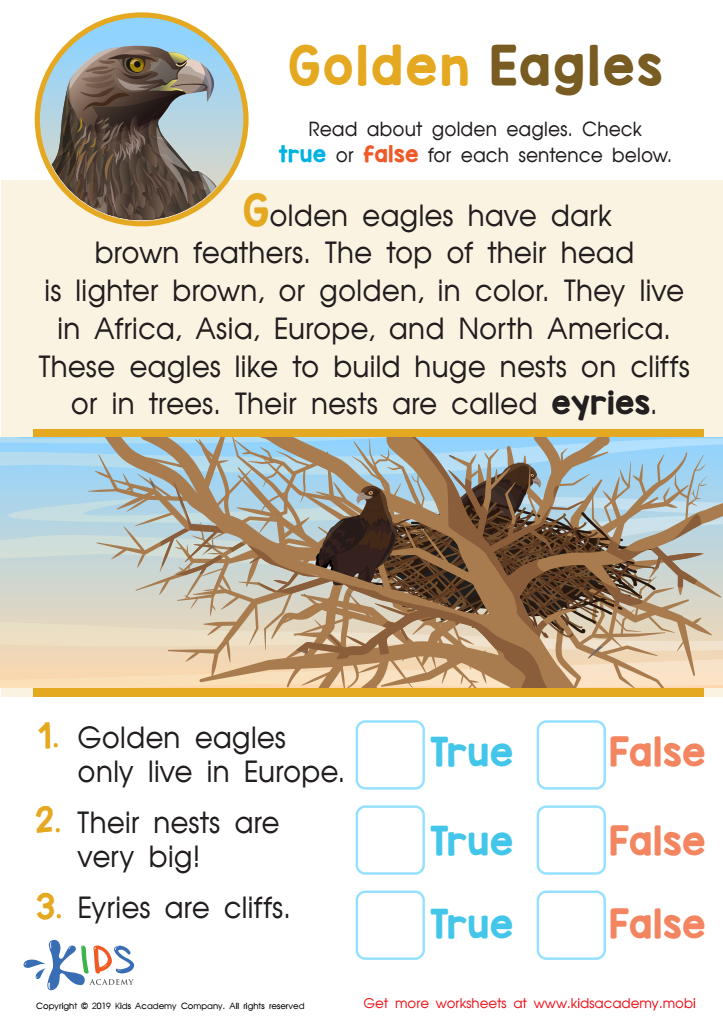
Golden Eagles Worksheet
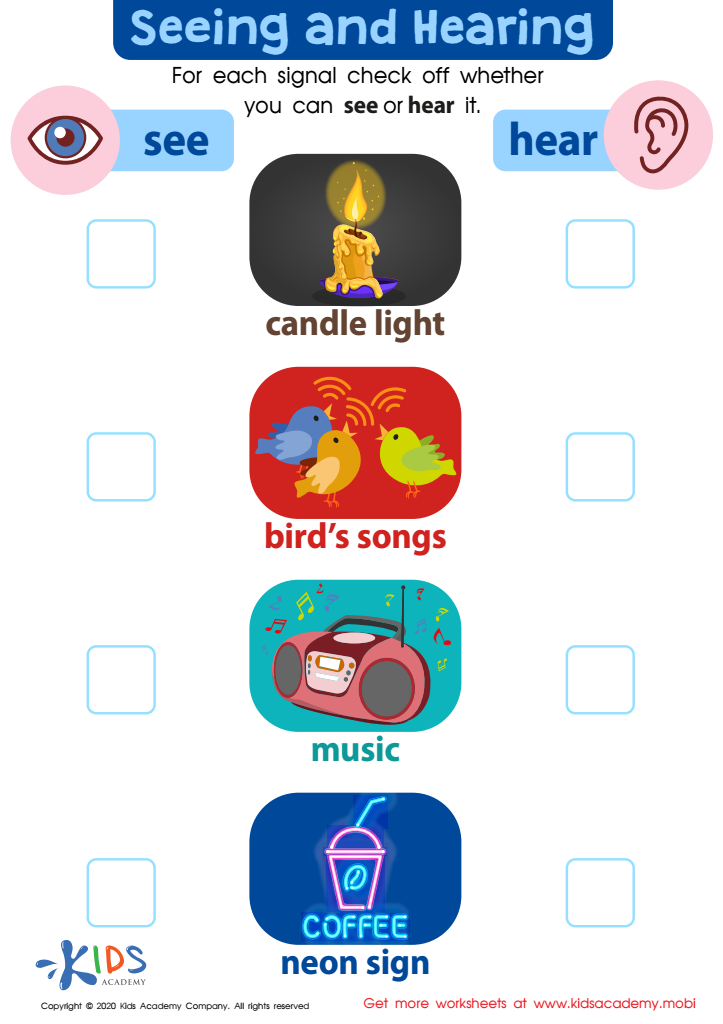
Seeing and Hearing Worksheet
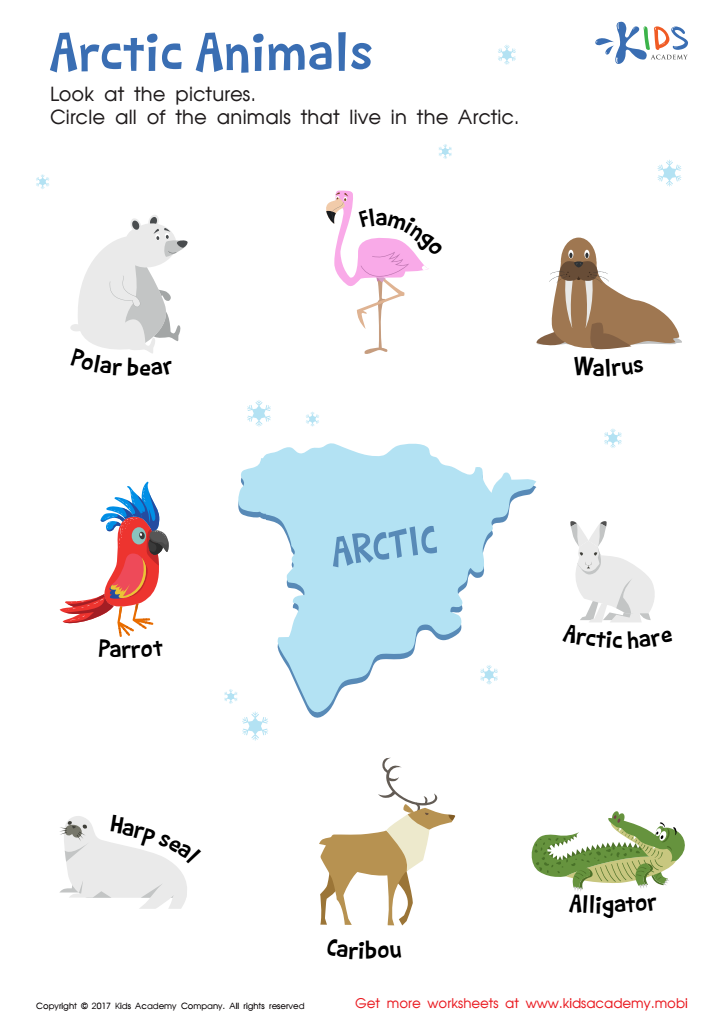
Arctic Animals Worksheet
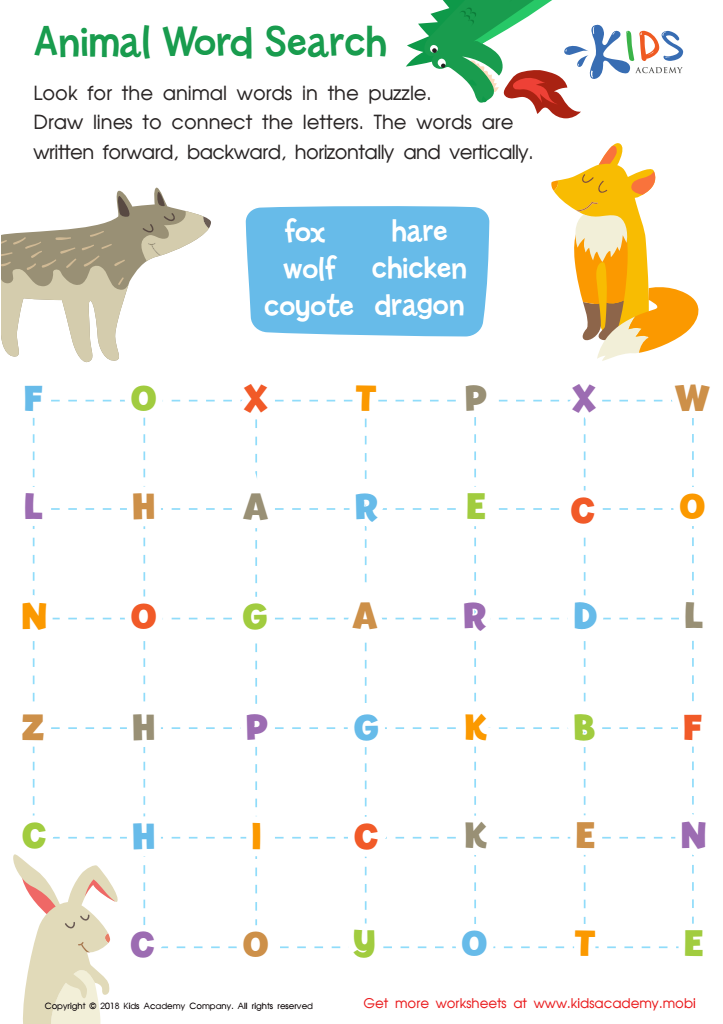
Animal Word Search Worksheet




.jpg)



Building a strong vocabulary in children aged 3-8 is foundational for their overall academic success and cognitive development. During these formative years, children's brains are most receptive to acquiring new words and concepts, creating a linguistic framework that supports future learning.
A robust vocabulary enhances reading comprehension, enabling children to understand text better and foster a love for reading. This precocious reading skill translates into improved academic performance across subjects like math, science, and social studies, where understanding terminology is crucial.
Having a broader vocabulary also boosts communication skills. Children can express their thoughts, needs, and emotions more clearly and appropriately, facilitating better social interactions and reducing frustration.
Specifically, incorporating scientific vocabulary at this stage steers curiosity and thinking skills. Terms like "experiment," "observe," and "predict" promote critical thinking, inquisitiveness, and problem-solving abilities. Engaging children in science-related activities encourages them to ask questions and seek answers, fostering a growth mindset and enthusiasm for learning.
For parents and teachers, fostering vocabulary development in the early years requires incorporating diverse, age-appropriate activities and discussions, reading varied books, and creating rich, language-friendly environments. Making science vocabulary a part of this process ensures that children are not only well-prepared academically but are also motivated, confident learners ready to explore the world around them.







