
Reading comprehension Normal Life Science Worksheets for Ages 3-8
10 filtered results
Difficulty Level
Grade
Age
-
From - To
Subject
Activity
Standards
Discover engaging "Reading Comprehension Normal Life Science Worksheets for Ages 3-8" that blend early reading practice with fascinating life science concepts. These thoughtfully designed worksheets help young learners develop critical reading skills alongside their curiosity about the natural world. Each worksheet targets key comprehension abilities while introducing topics like animals, plants, and ecosystems in a fun and accessible manner. Perfect for both classroom and home use, these resources support foundational literacy and science education, ensuring kids grasp core ideas while enjoying their learning journey. Encourage a love for reading and science with these captivating, standards-aligned worksheets.
Favorites
With answer key
Interactive
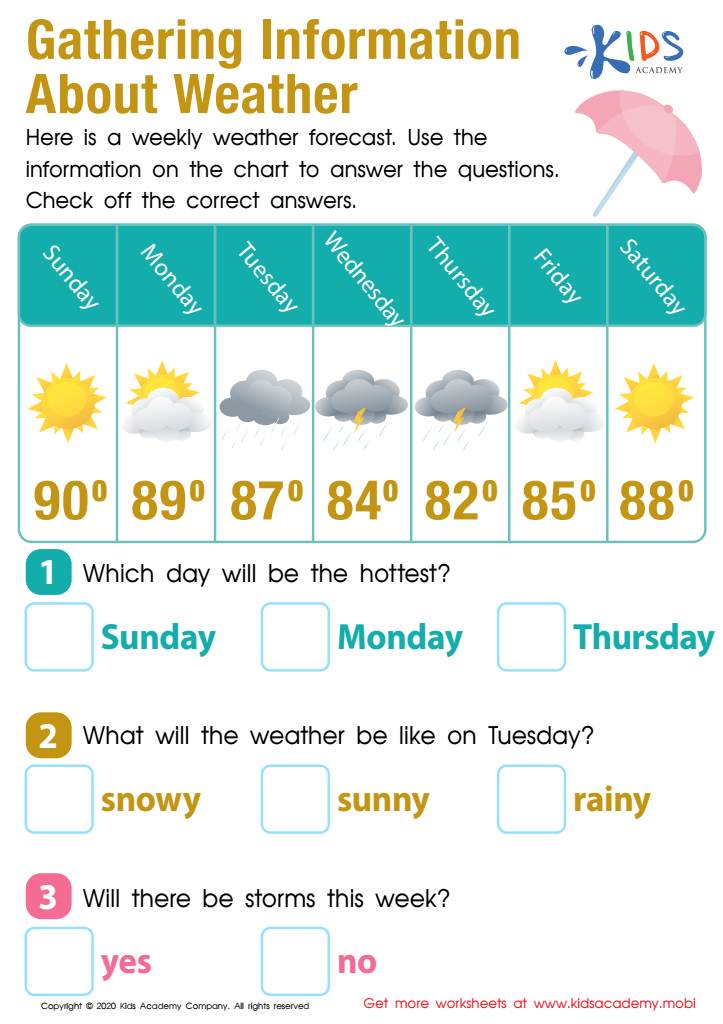
Gathering Information About the Weather Worksheet
Teach your child to interpret a weather forecast with this helpful science worksheet from Kids Academy! Guide them to analyze the data, figure out what the weather will be like on each day and answer the questions at the bottom by checking off the correct answers. This will help them understand and plan for their week!
 Assign to My Students
Gathering Information About the Weather Worksheet
Worksheet
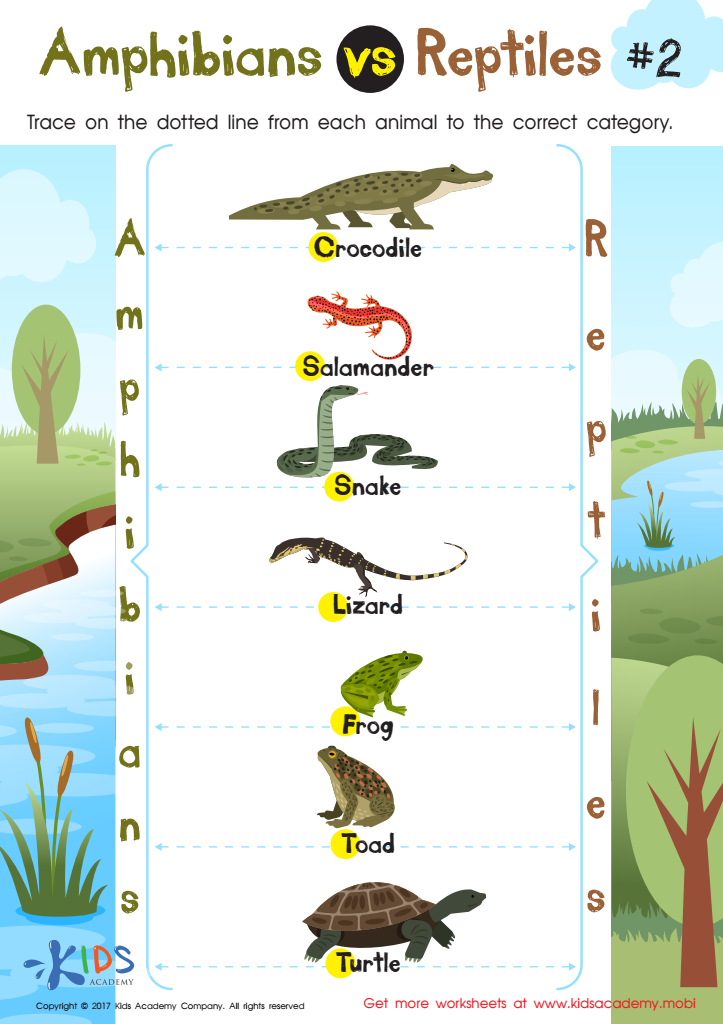
Amphibians vs Reptiles Worksheet for 3rd Grade
Let your 3rd grader challenge themselves and have fun by distinguishing between reptiles and amphibians. With this cool worksheet, they'll explore vivid pictures and learn about these fascinating creatures!
Amphibians vs Reptiles Worksheet for 3rd Grade
Worksheet
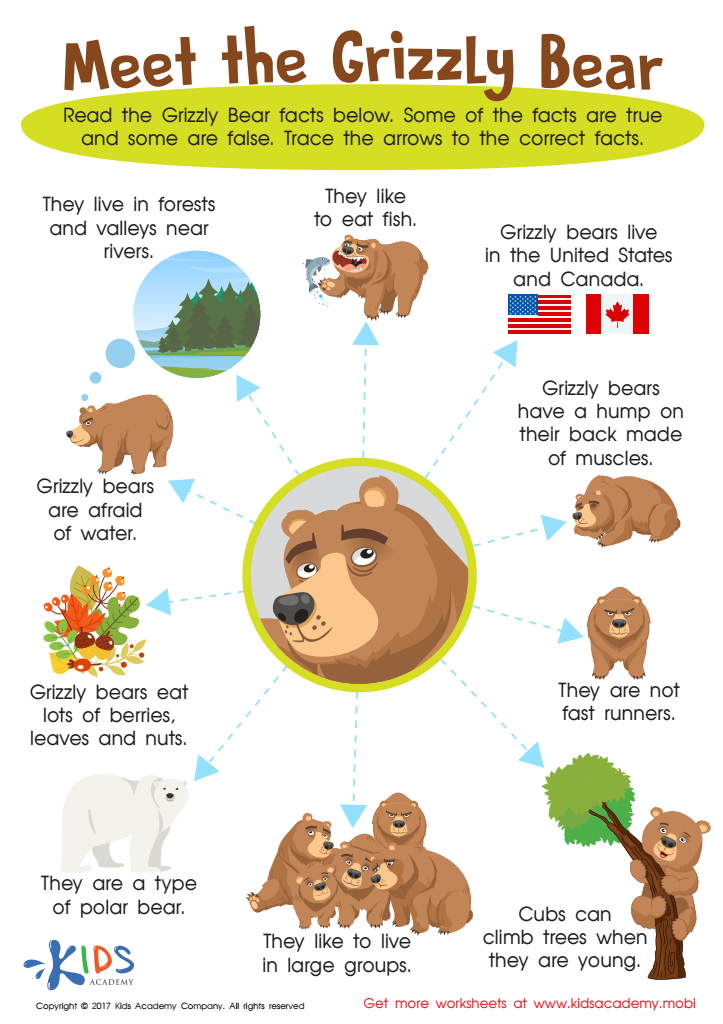
Grizzly Bear Facts Worksheet
Kids will separate truth from fiction in this engaging worksheet about the grizzly bear! Third graders will use their prior knowledge to read the facts and determine which are true and false. Give your child an interesting way to learn more with this vibrant worksheet!
Grizzly Bear Facts Worksheet
Worksheet
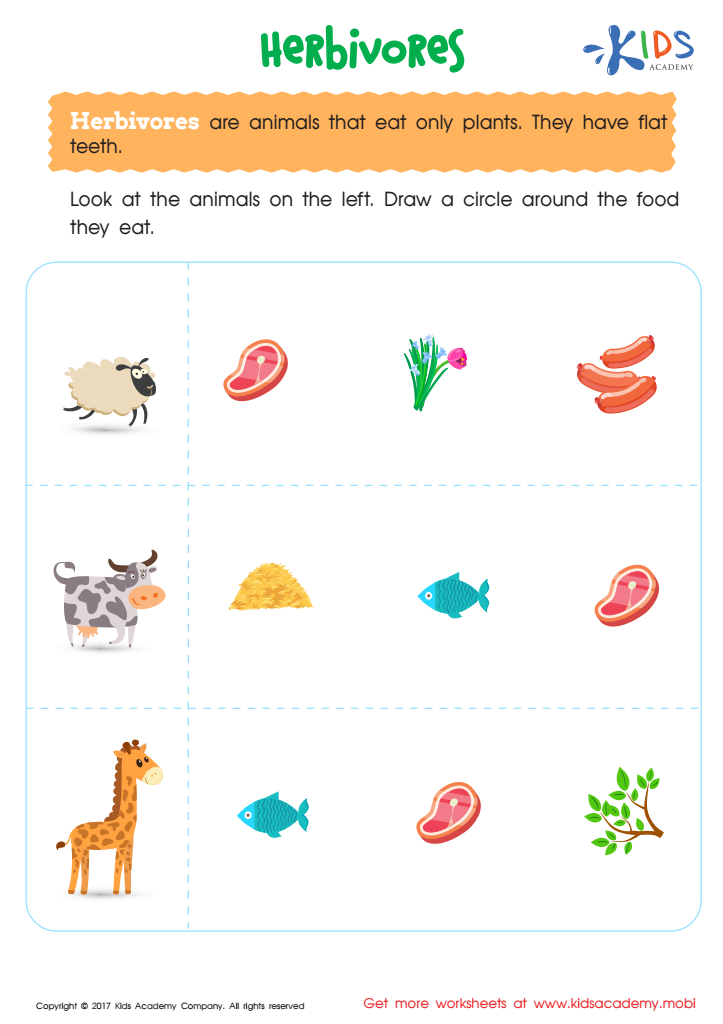
Herbivores Printable
Strengthen their vocab with these fascinating creatures, as they explore an intriguing aspect of beloved animals.
Herbivores Printable
Worksheet
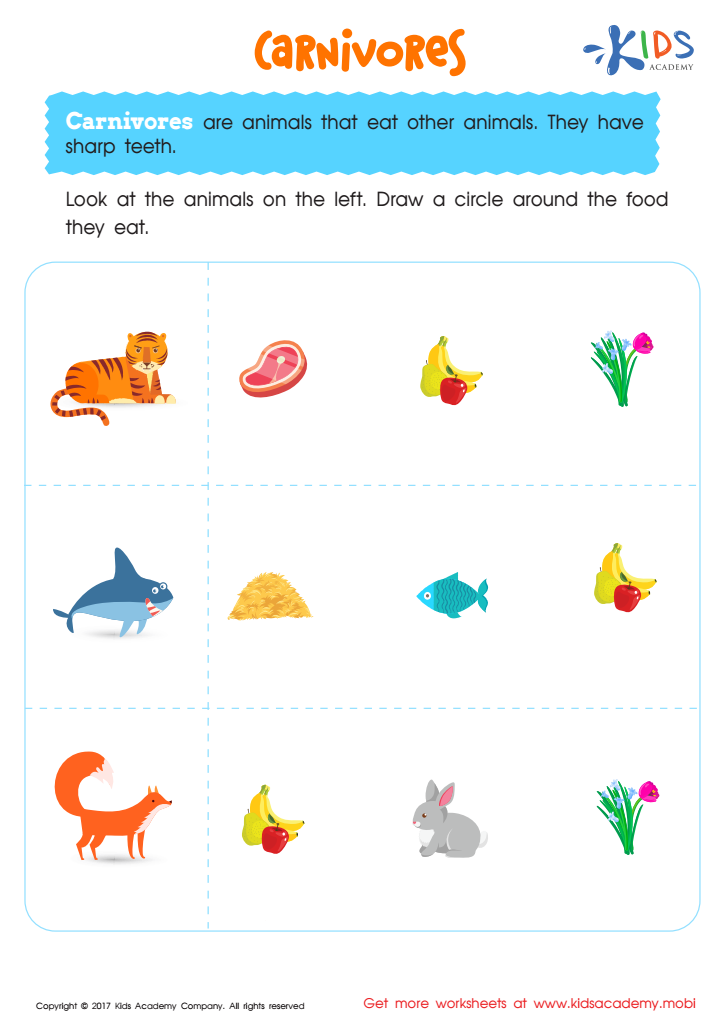
Carnivores Worksheet
Boost their vocabulary and help them explore the incredible world of carnivores.
Carnivores Worksheet
Worksheet
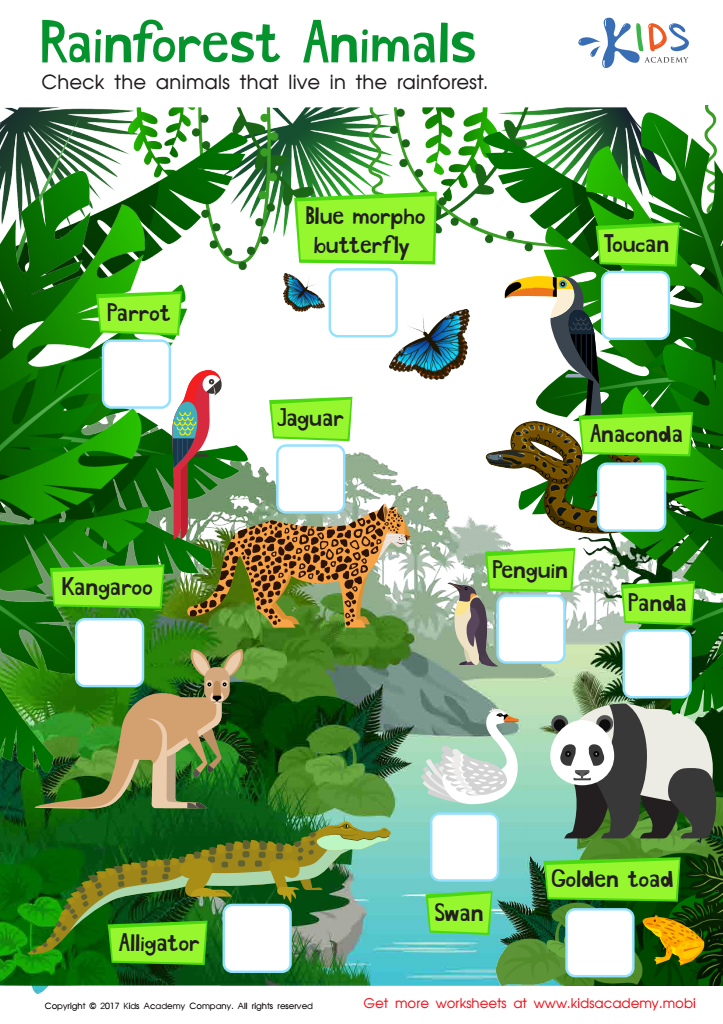
Rainforest Animals Worksheet
Kids love the bright, vivid pics of rainforest animals in this worksheet. It fuels their interest in life science and brings joy to their learning. It encourages them to study these animals in detail.
Rainforest Animals Worksheet
Worksheet
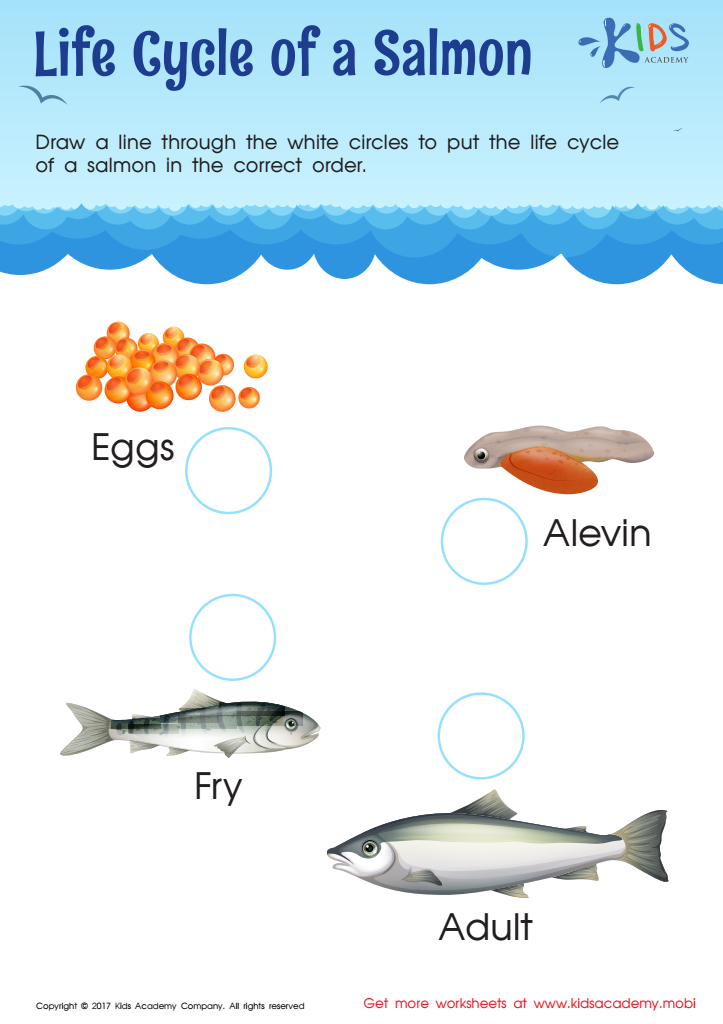
Cycle Of Salmon Worksheet
Explore the life cycle of a salmon with this grade 2 worksheet! Kids will learn by arranging the stages of the salmon's lifecycle in order. Science activities in this set cover a wide range of lifecycles in nature.
Cycle Of Salmon Worksheet
Worksheet
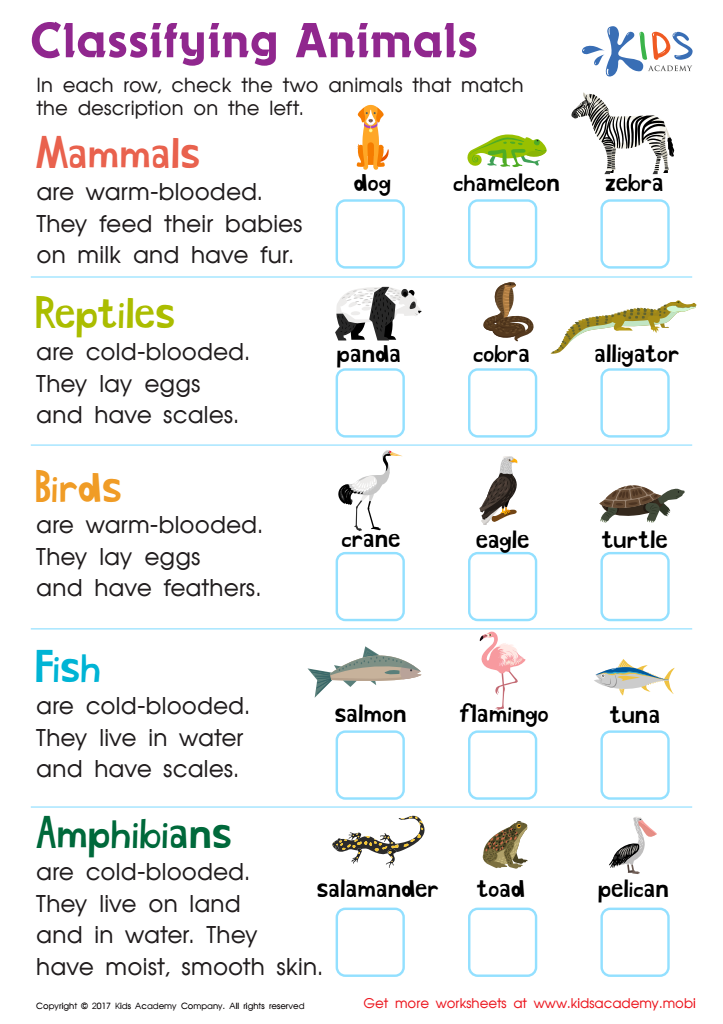
Classifying Animals Worksheet
Print the 2nd grade animal classification worksheet and help kids study the differences between mammals, reptiles, birds, fish and amphibians. Let them pick two examples from the options given.
Classifying Animals Worksheet
Worksheet
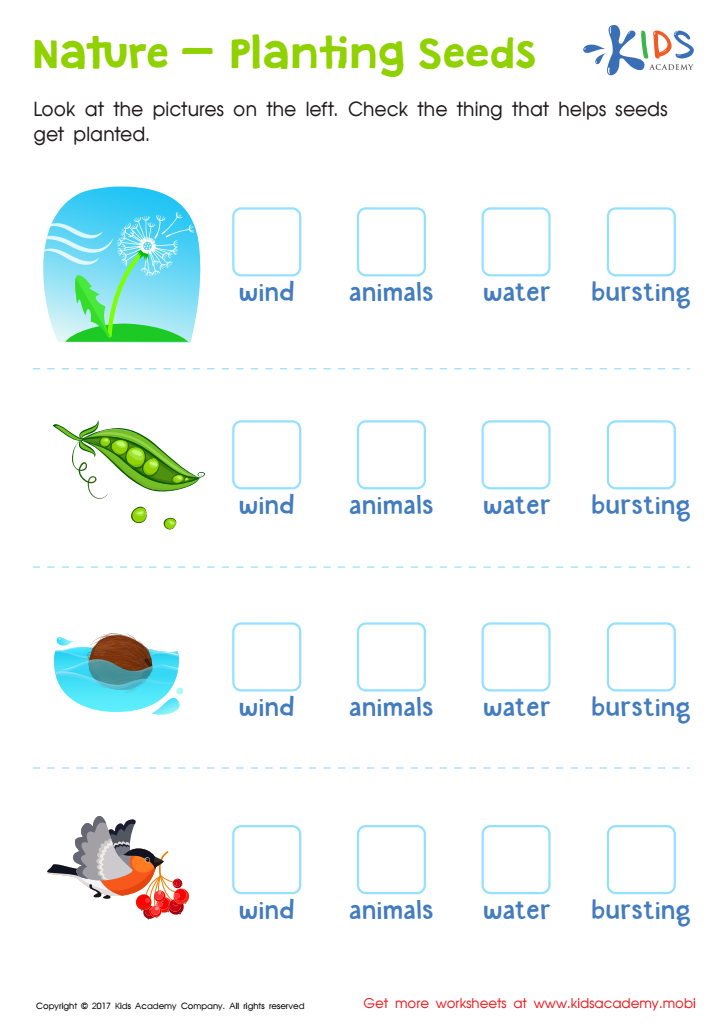
Nature Planting Seeds Worksheet
Help your child explore the fascinating cycle of plants and seeds with this worksheet. They'll learn how plants grow and how seeds travel to the ground. Challenge them to identify the right way each seed gets planted!
Nature Planting Seeds Worksheet
Worksheet
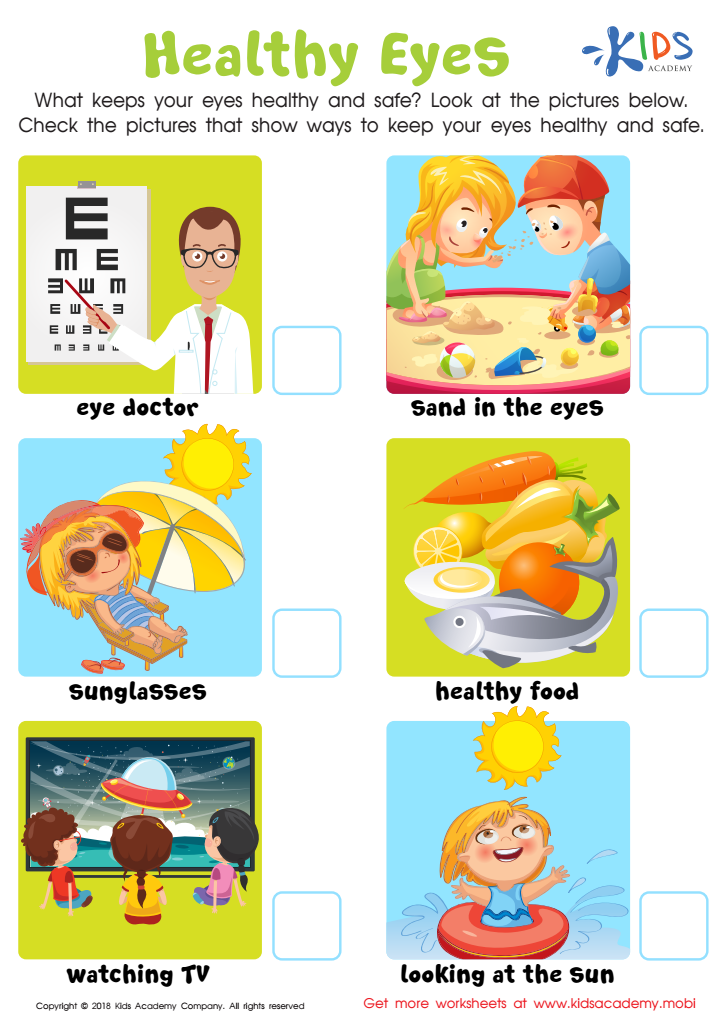
Healthy Eyes Worksheet
Does your child know how to care for their eyes? Help them understand with this worksheet. Look through the pictures together and discuss the different ways to keep the eyes healthy and safe. These include visits to the doctor, wearing sunglasses, and eating healthy food.
Healthy Eyes Worksheet
Worksheet
Join Kids Academy for Free
Who is primarily going to use this learning content?








Reading comprehension in early grade students, especially within the context of normal life science, is essential for laying a strong educational foundation and fostering a lifelong love for learning. At ages 3-8, children's brains are incredibly receptive, and understanding what they read can build important critical thinking and cognitive skills.
Firstly, reading comprehension enhances vocabulary and language skills. As children learn about simple life science concepts like plants and animals, they encounter new words and phrases, expanding their linguistic repertoire. This is critical because language is the medium through which most educational content is later communicated.
Secondly, it promotes knowledge retention and curiosity. When kids grasp the meaning behind life science stories or texts, they are more likely to remember the information and become curious about the natural world. This curiosity can in turn drive future academic pursuits in science and other subjects.
Lastly, reading comprehension and science exposure fosters a sense of connection with the environment. Understanding basic life science helps children appreciate the world around them, nurturing environmentally responsible behaviors from a young age.
Thus, by focusing on reading comprehension in life science contexts, parents and teachers help young children develop essential cognitive skills, broaden their knowledge base, and cultivate an enduring interest in the sciences and the environment.








