Normal Physical Science Worksheets for Ages 3-8 - Page 3
71 filtered results
-
From - To
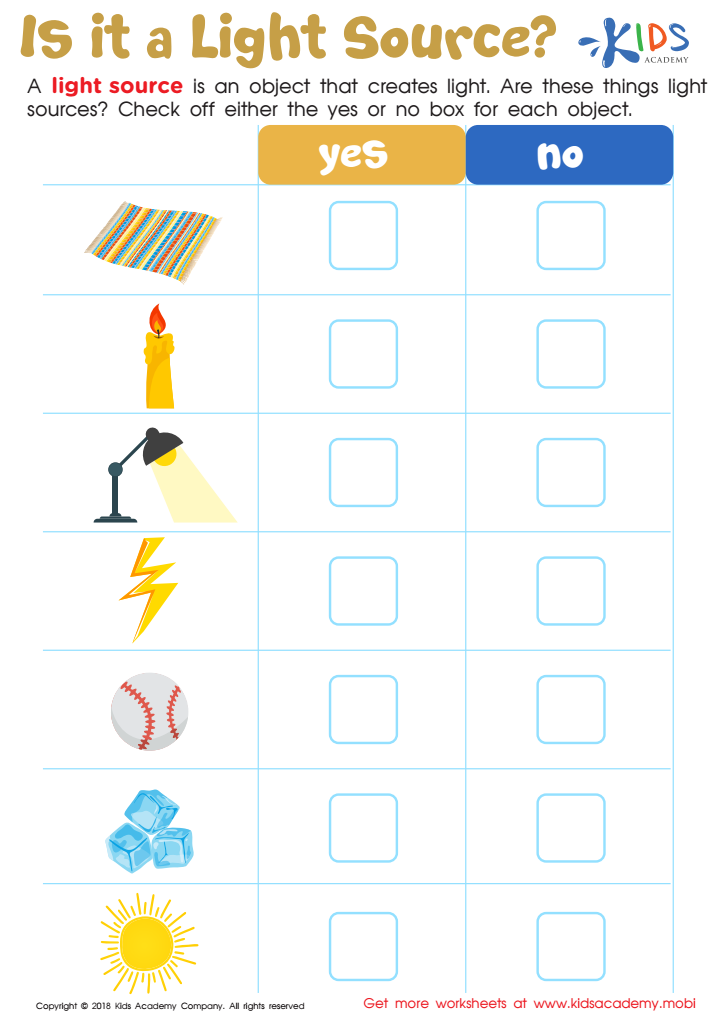
Is It a Light Source? Worksheet
 Assign to My Students
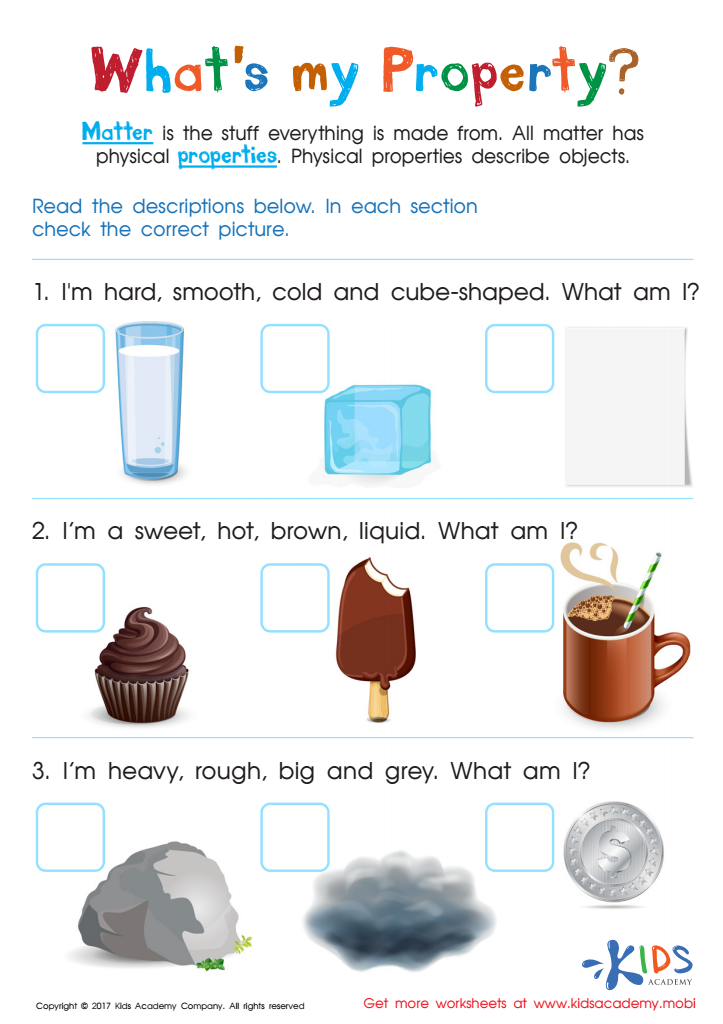
Physical Properties Of Matter Worksheet
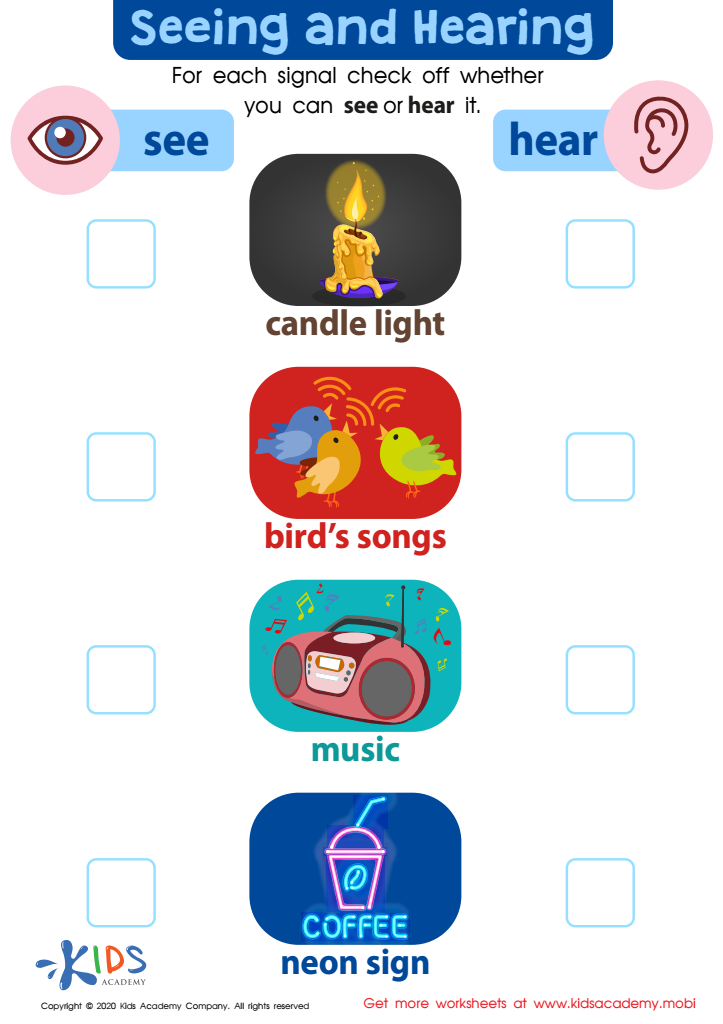
Seeing and Hearing Worksheet
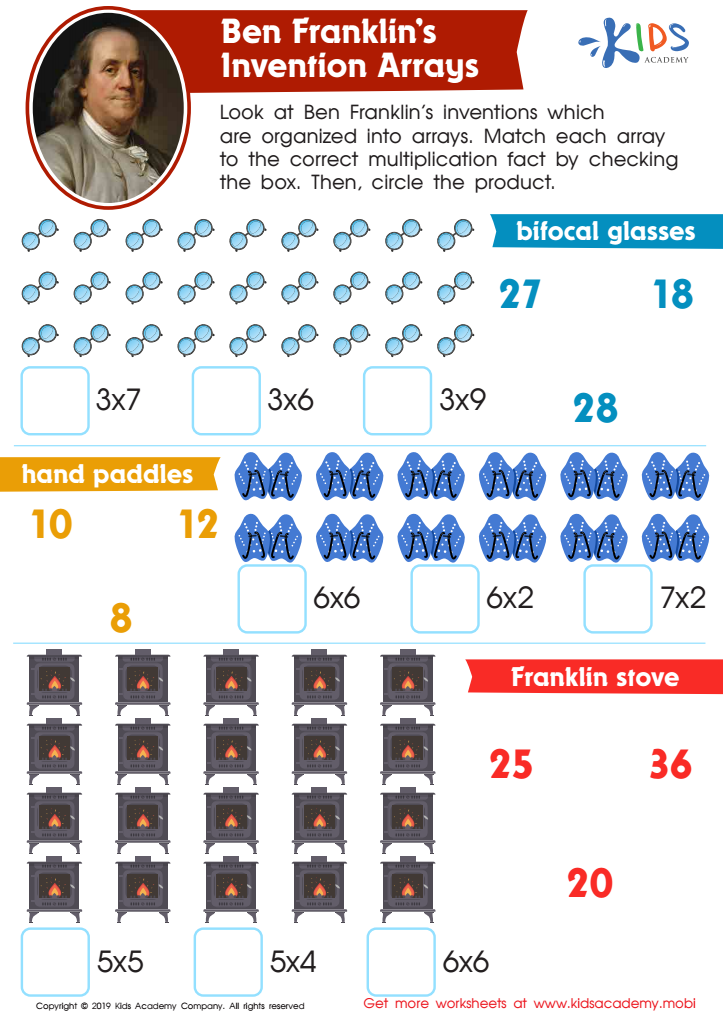
Ben Franklin’s Invention Arrays Worksheet
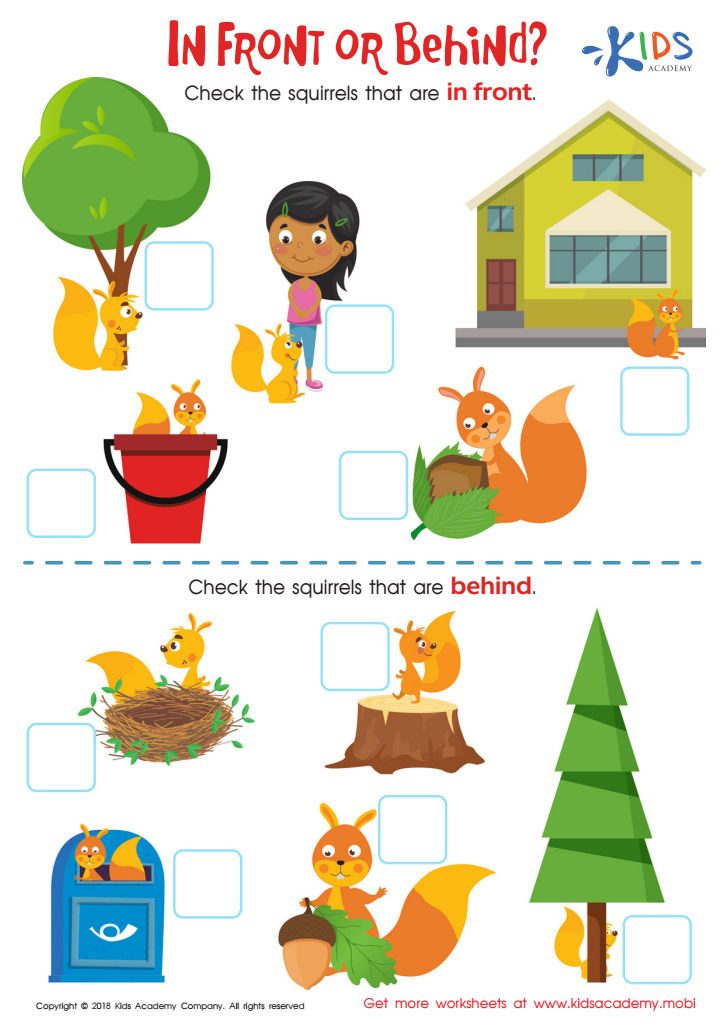
In Front or Behind: Part 2 Worksheet
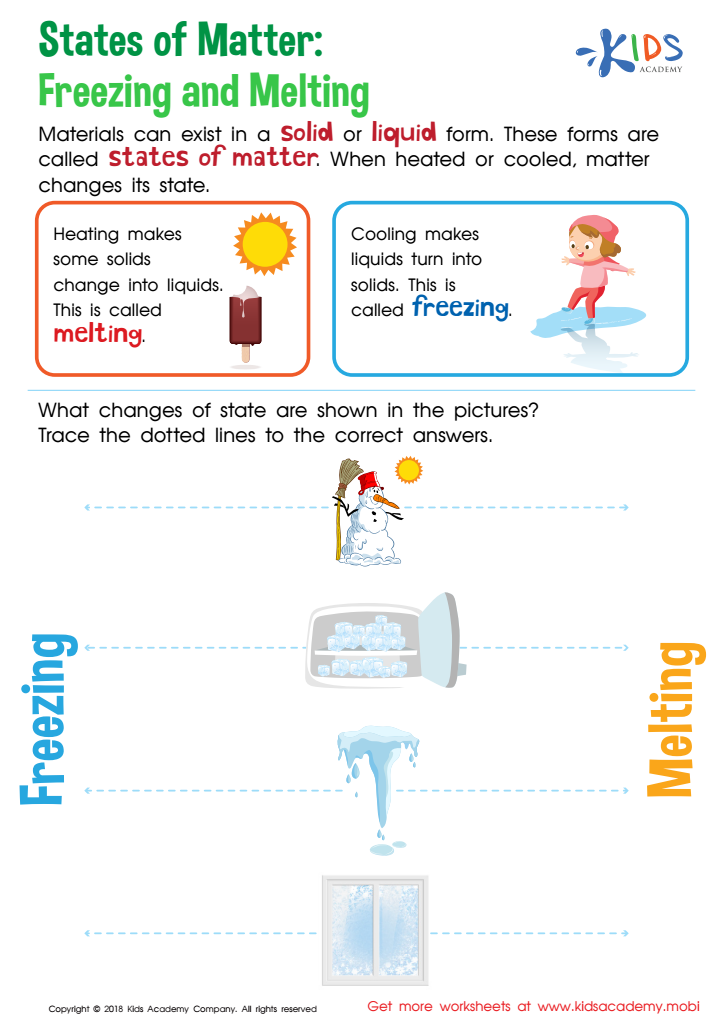
States of Matter: Freezing and Melting Worksheet
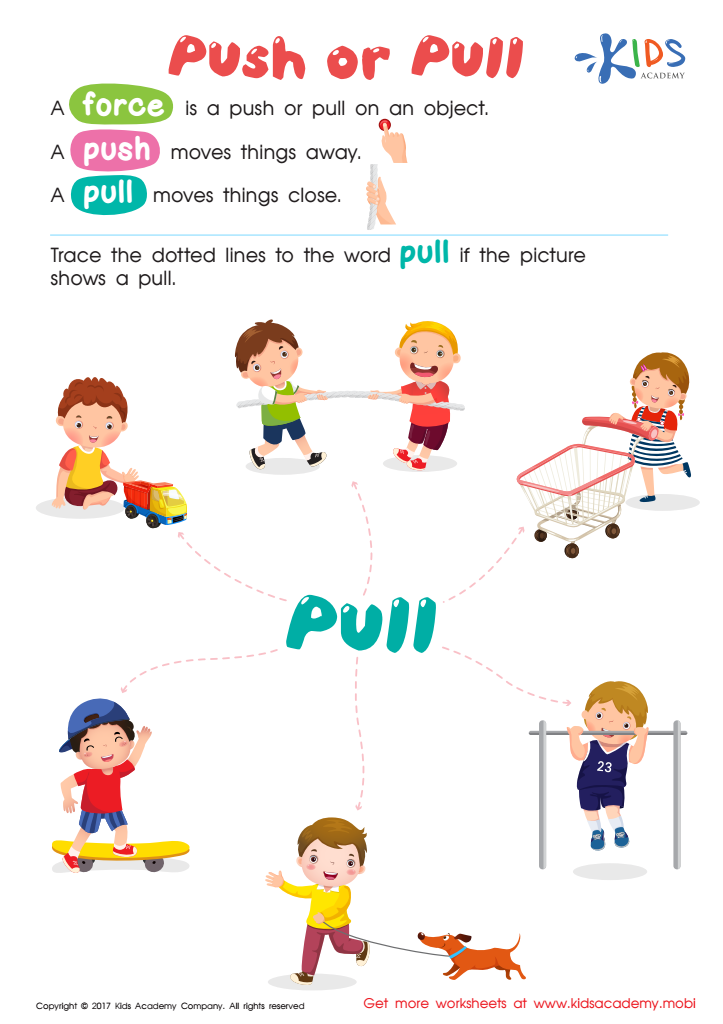
Pull or Push Worksheet
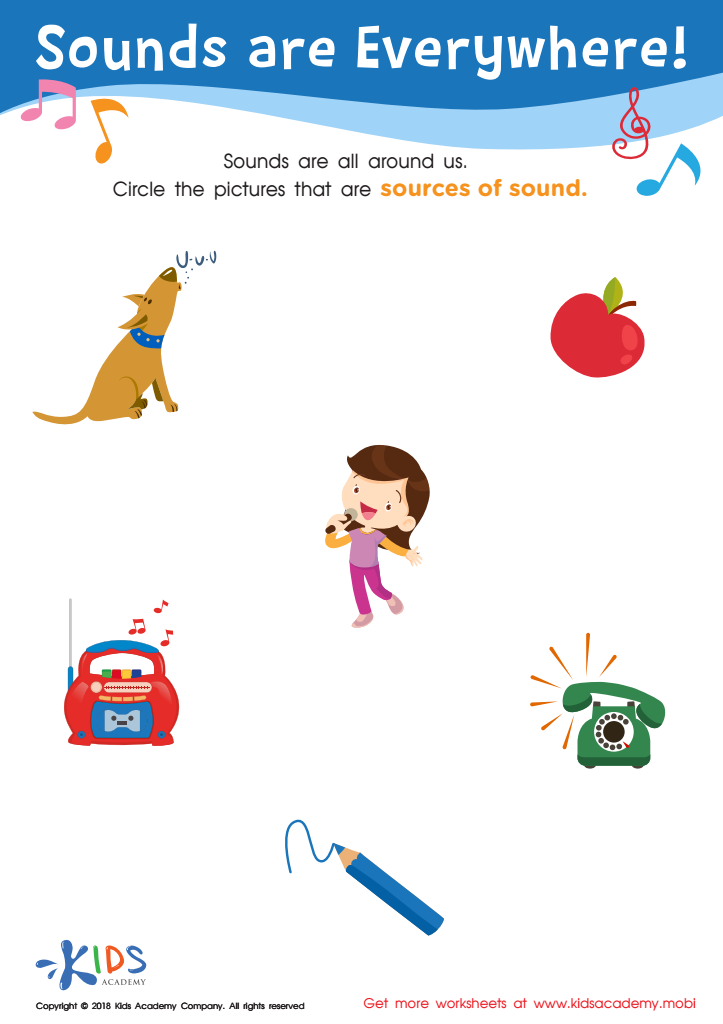
Sounds Are Everywhere! Worksheet
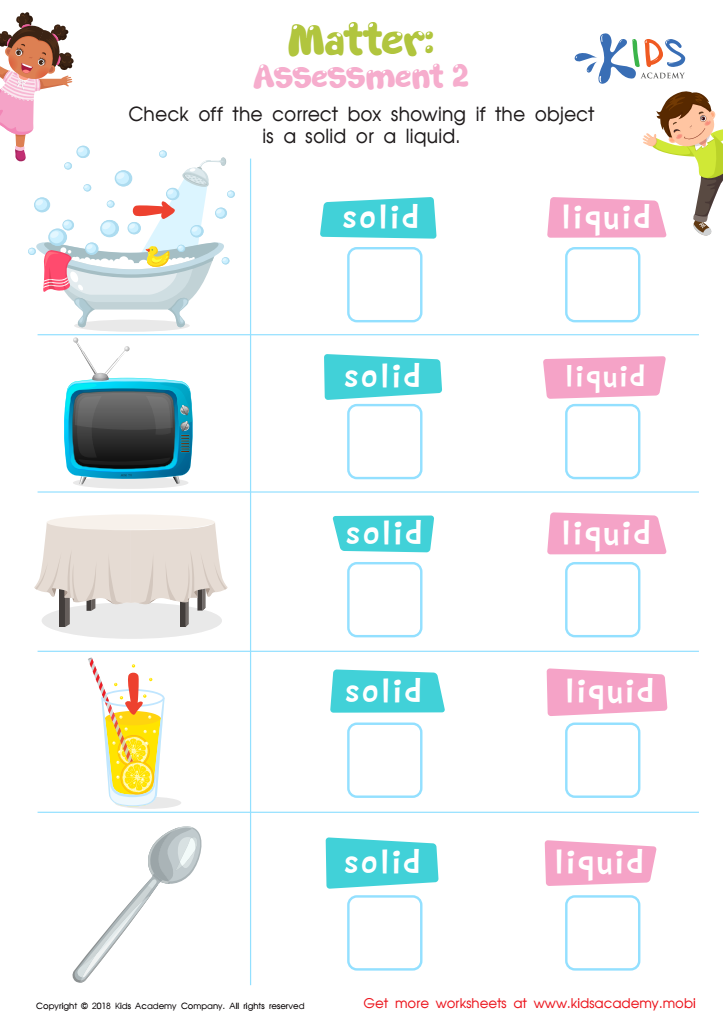
Matter: Assessment 2 Worksheet
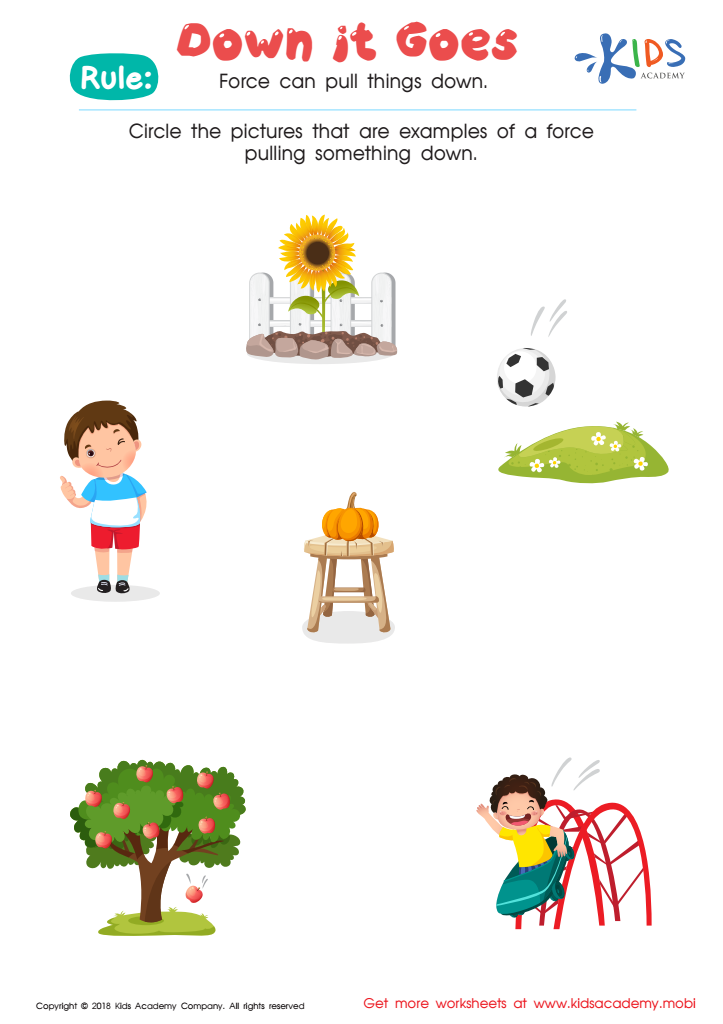
Down it Goes Worksheet
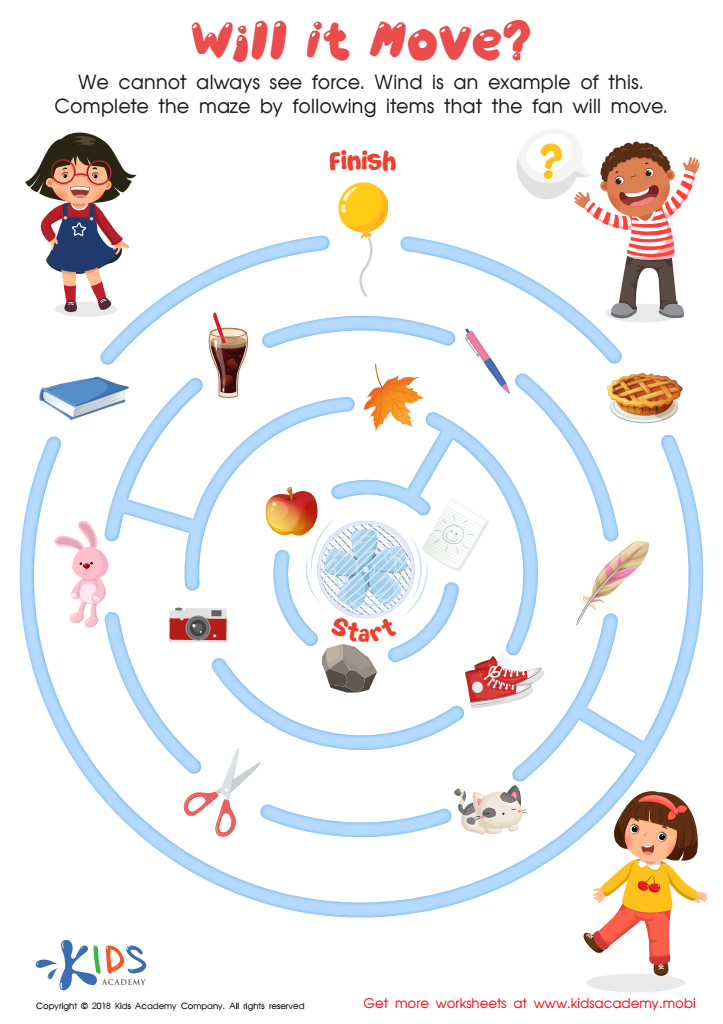
Will it Move? Worksheet
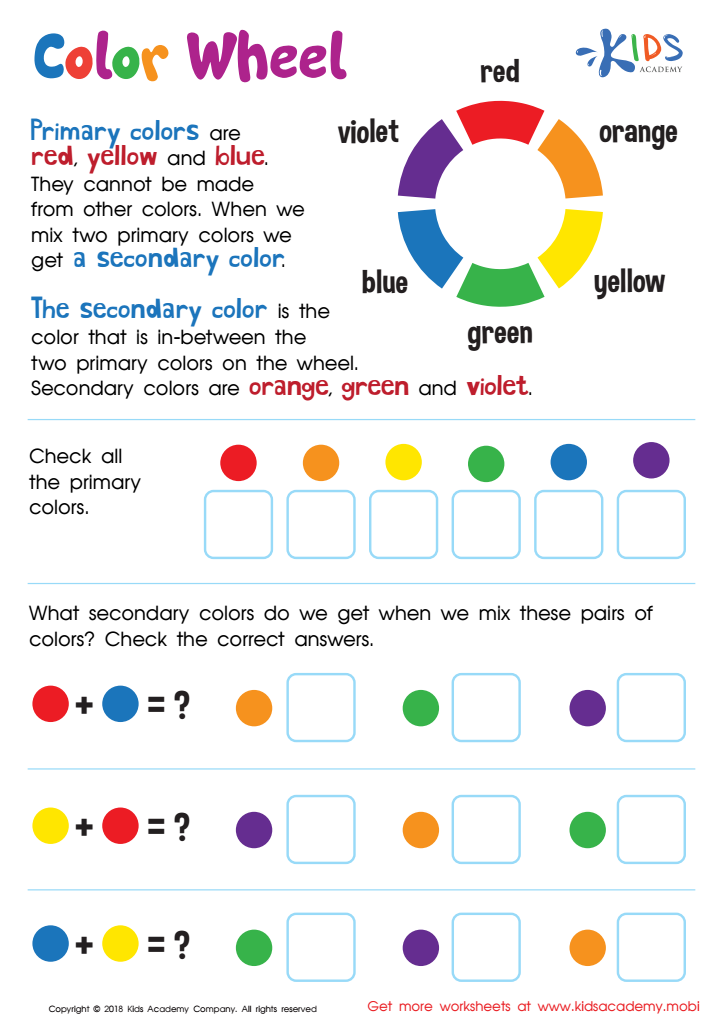
Primary and Secondary Colors Worksheet
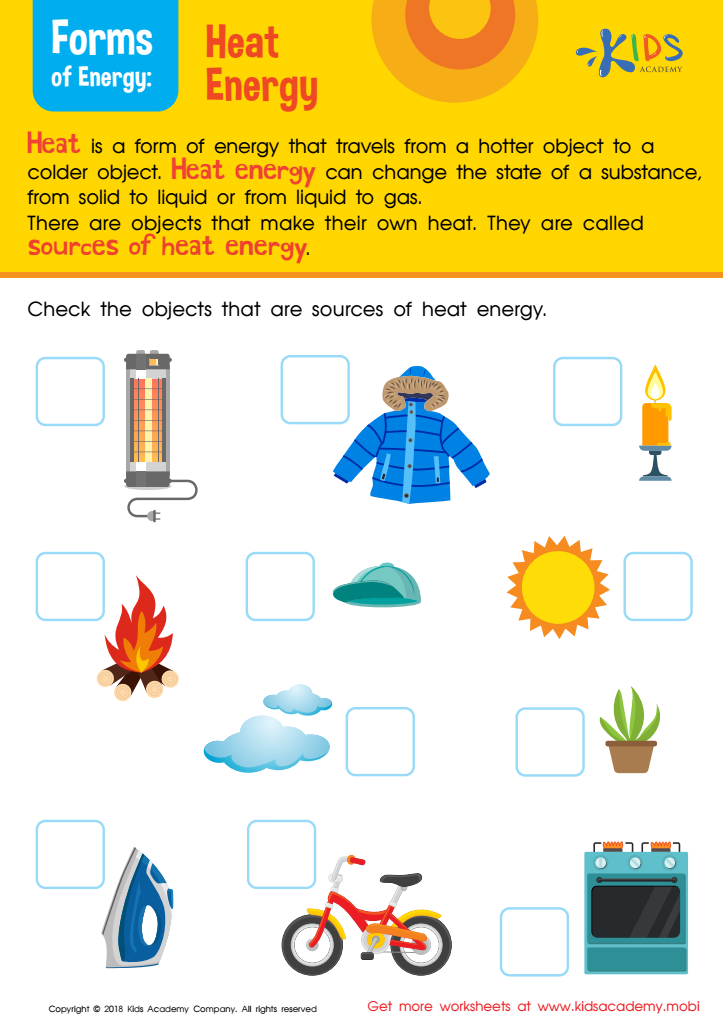
Sources of Heat Energy Worksheet
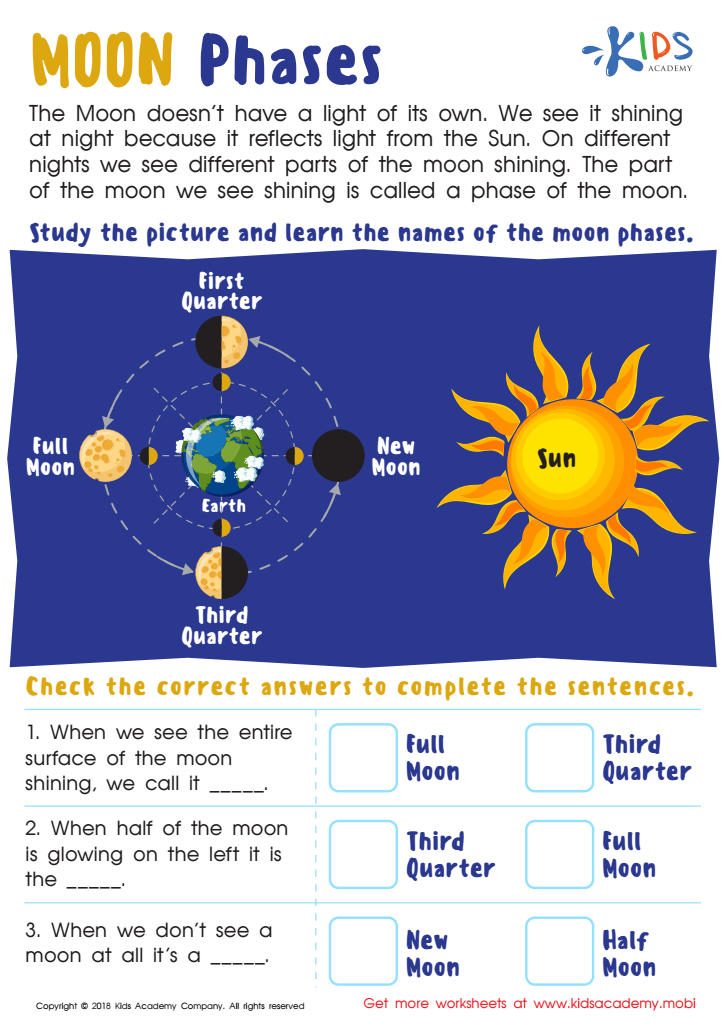
Moon Phases Worksheet
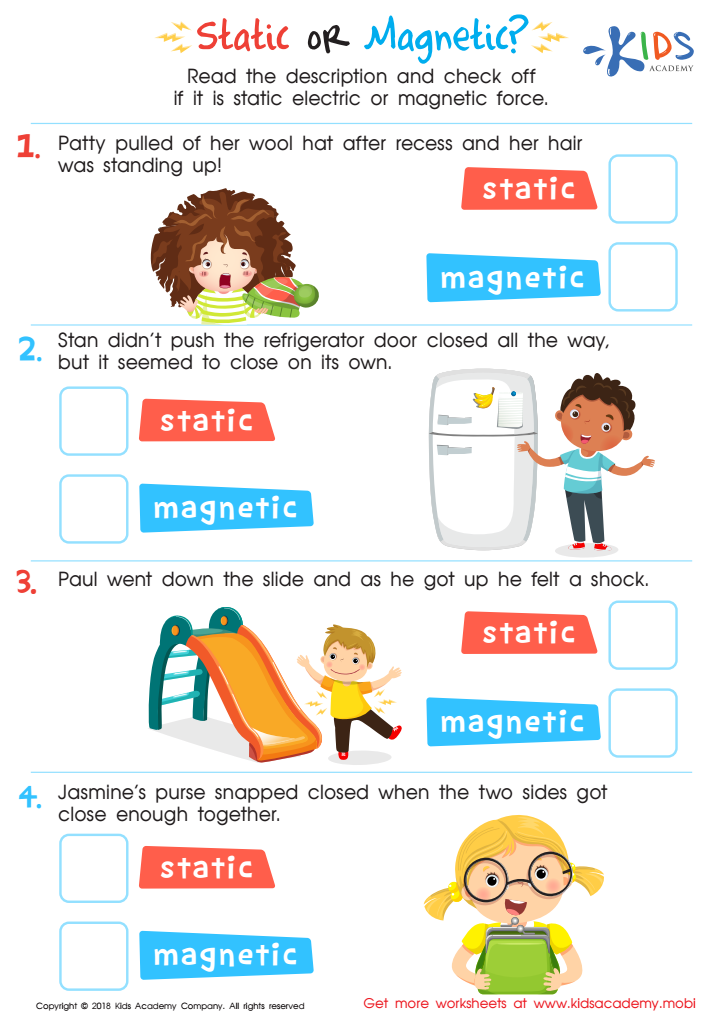
Static or Magnetic Printable Worksheet
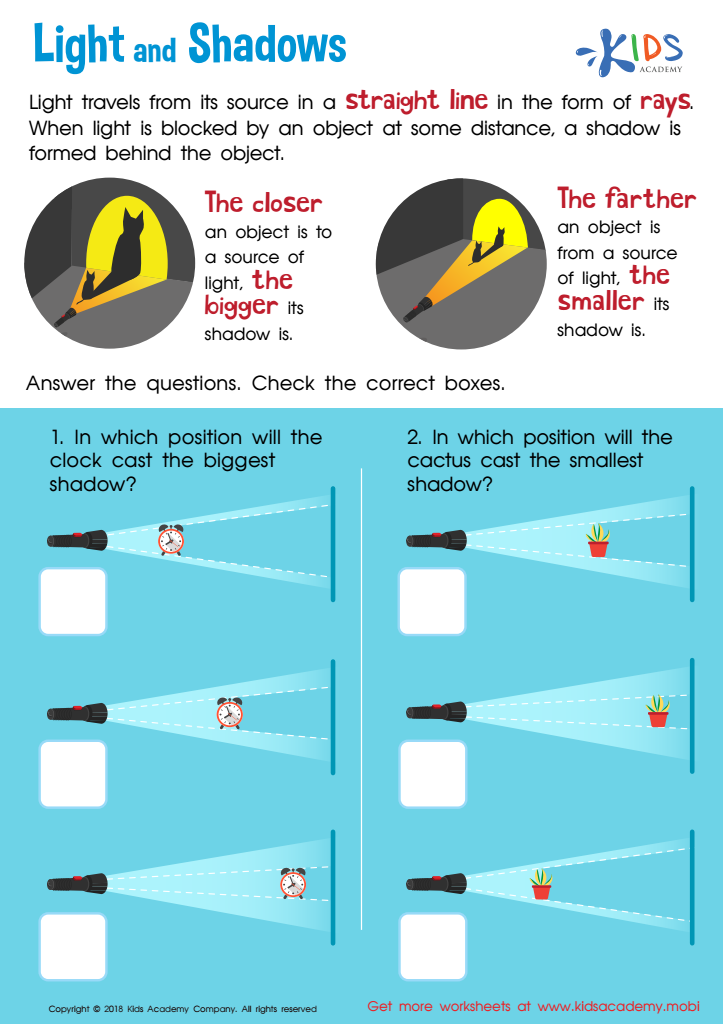
Light and Shadow Worksheet for Grade 3
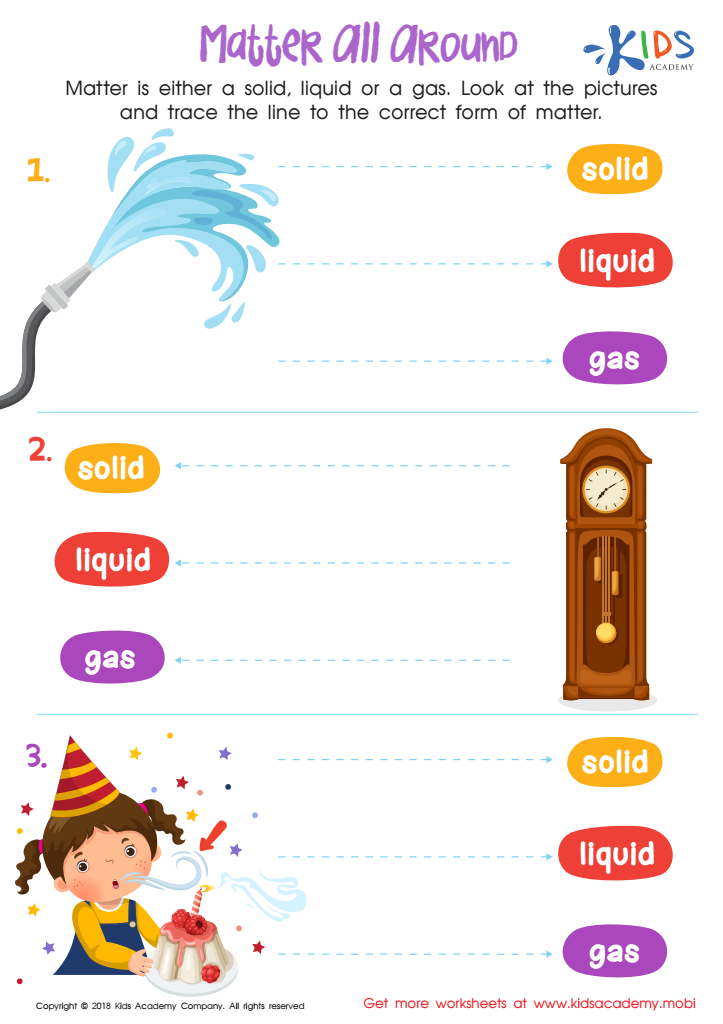
Matter all Around Worksheet
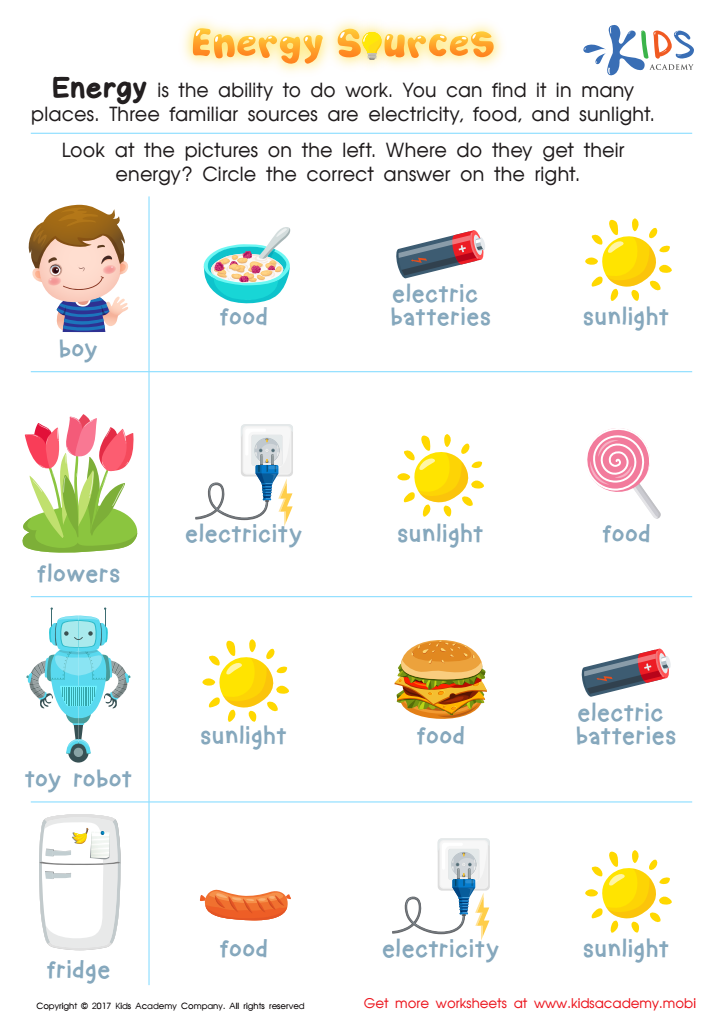
Energy Sources Printable
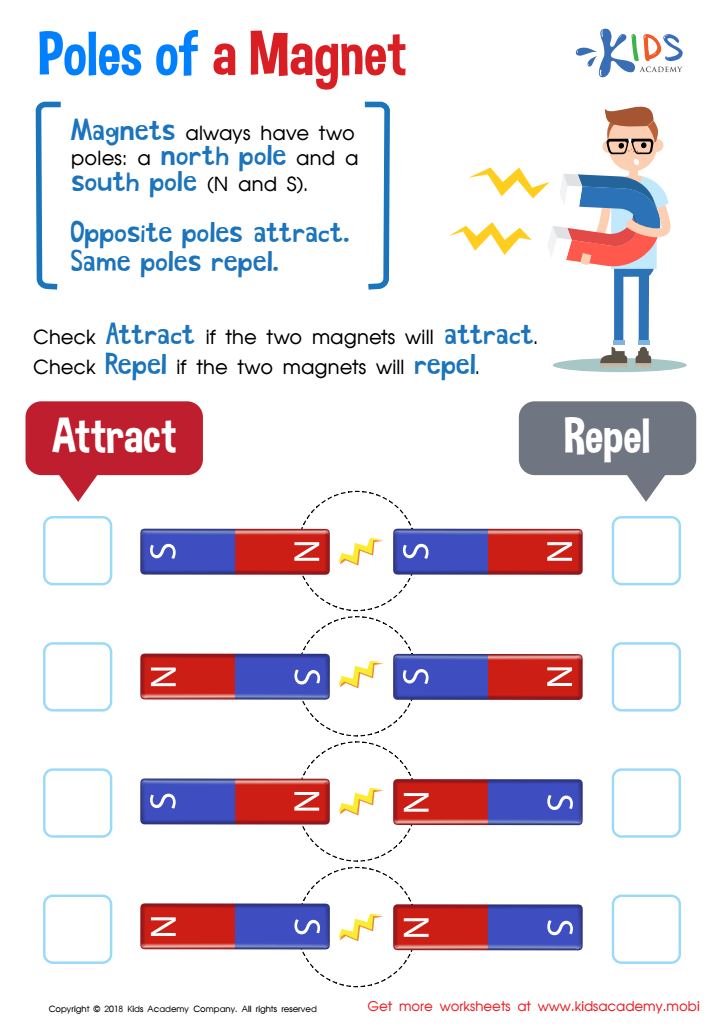
Magnet Poles Attract or Repel Worksheet
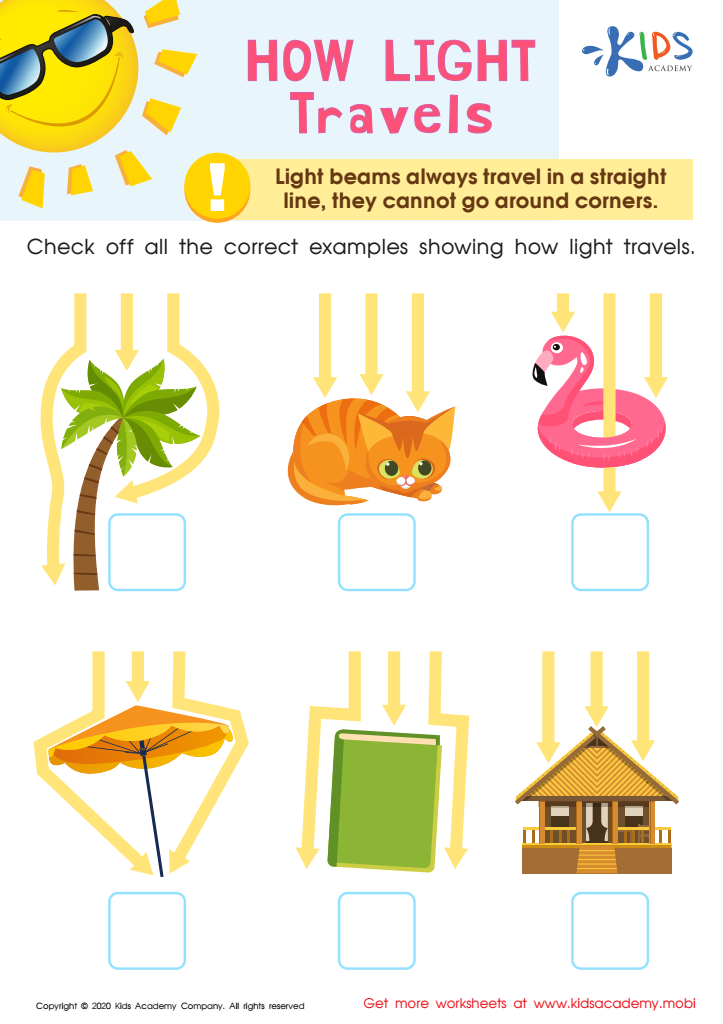
How Light Travels Worksheet
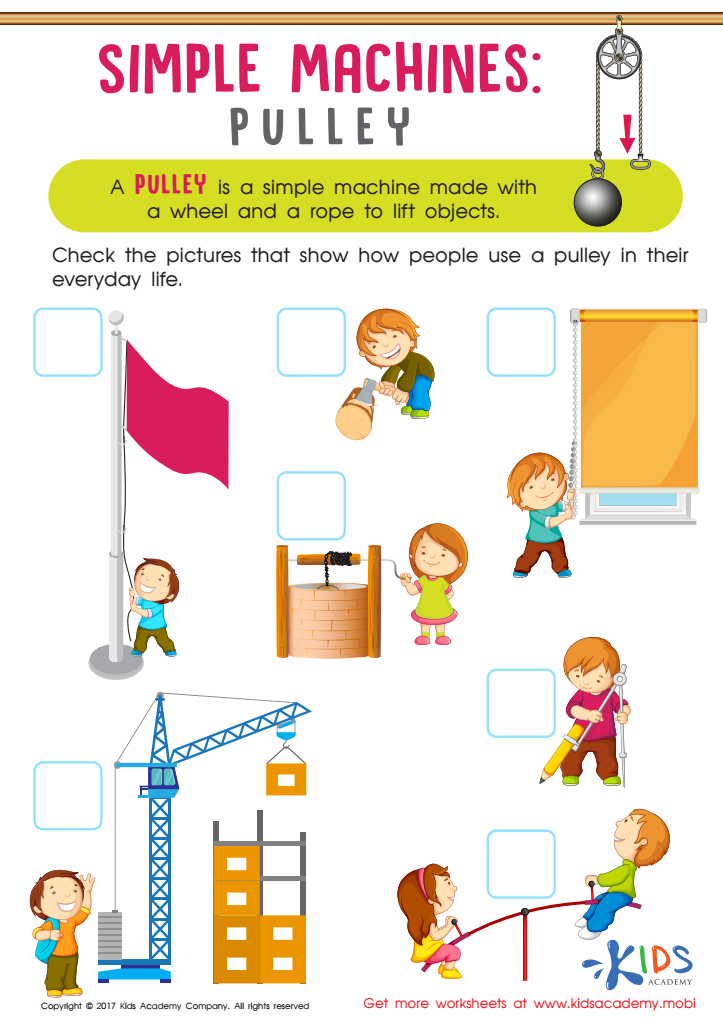
Simple Machines Pulley Worksheet
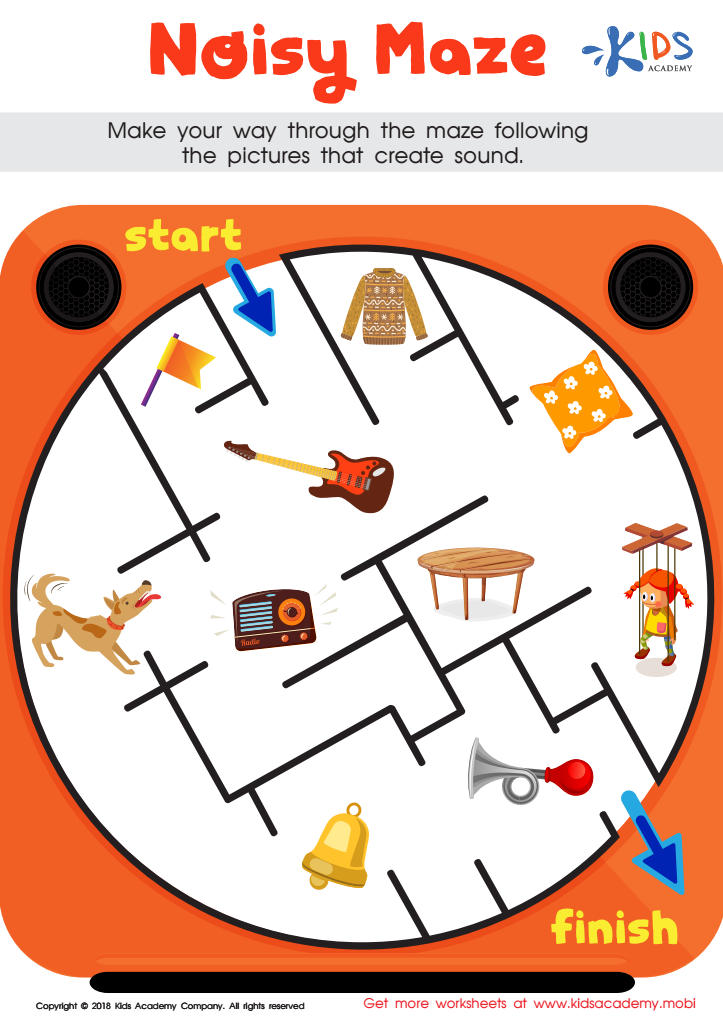
Noisy Maze Worksheet
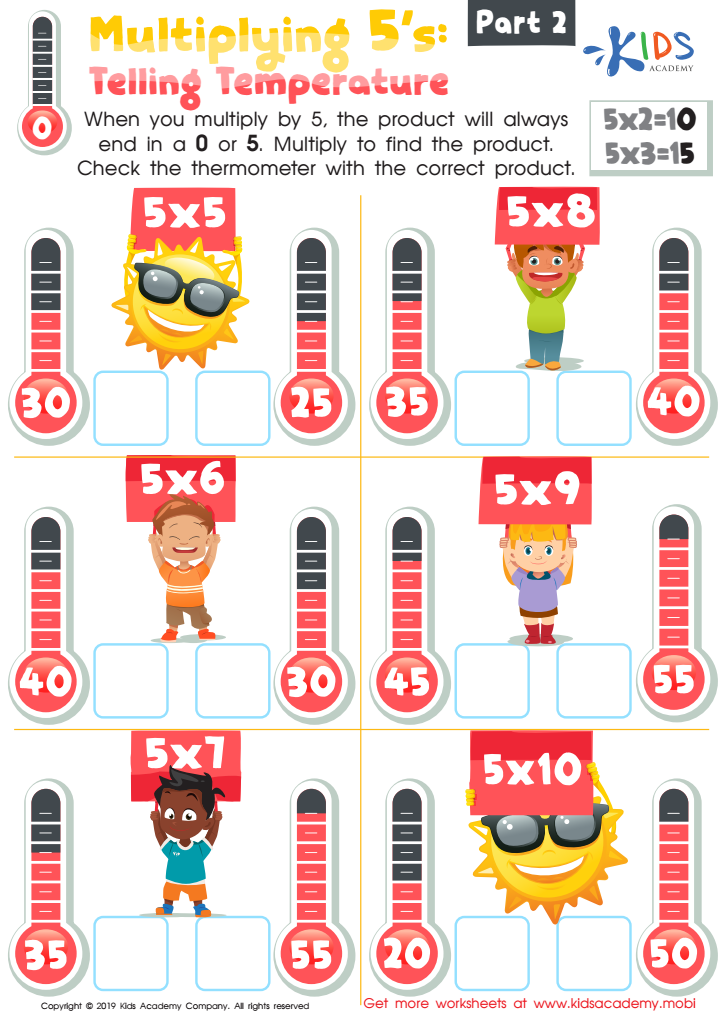
Multiplying 5’s: Telling Temperature Part 2 Worksheet



.jpg)



Parents and teachers should prioritize Normal Physical Science for children aged 3-8 as it lays a crucial foundation for understanding the world around them. At this early age, children's innate curiosity drives them to explore their environment, leading them to ask questions about how things work. Introducing basic scientific concepts helps nurture this curiosity and encourages critical thinking.
Normal Physical Science provides hands-on experience with fundamental ideas, such as gravity, motion, and materials, allowing children to engage in experiential learning. These activities enhance sensory development and coordination while fostering a sense of discovery. Furthermore, early exposure to scientific principles equips children with problem-solving skills and promotes a growth mindset, teaching them to approach challenges creatively.
Moreover, understanding physical science concepts prepares children for future academic pursuits in science, technology, engineering, and mathematics (STEM). In today’s world, a strong foundation in STEM is increasingly important for accessing numerous career paths. By integrating physical science into everyday learning, parents and teachers instill a lifelong love of science, encourage intellectual curiosity, and empower children to become informed and engaged citizens in a rapidly advancing world. Ultimately, nurturing early scientific exploration benefits both individual development and society as a whole.







