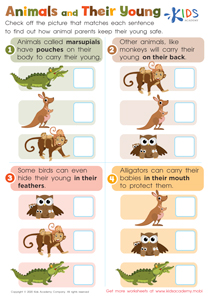
Vocabulary expansion Normal Plants Worksheets for Ages 3-8
3 filtered results
-
From - To
Unlock your child's potential with Vocabulary Expansion Normal Plants Worksheets, designed for children aged 3-8. These engaging resources foster an early love for science by introducing essential plant vocabulary in an interactive format. Tailored to enhance language skills, our worksheets combine fun activities with informative content, ensuring young learners grasp key terms related to plants and their environments. With colorful illustrations and hands-on exercises, children will explore parts of plants, their roles in nature, and more. These worksheets support valuable learning outcomes, making science accessible and enjoyable. Encourage your child's curiosity about the natural world today!
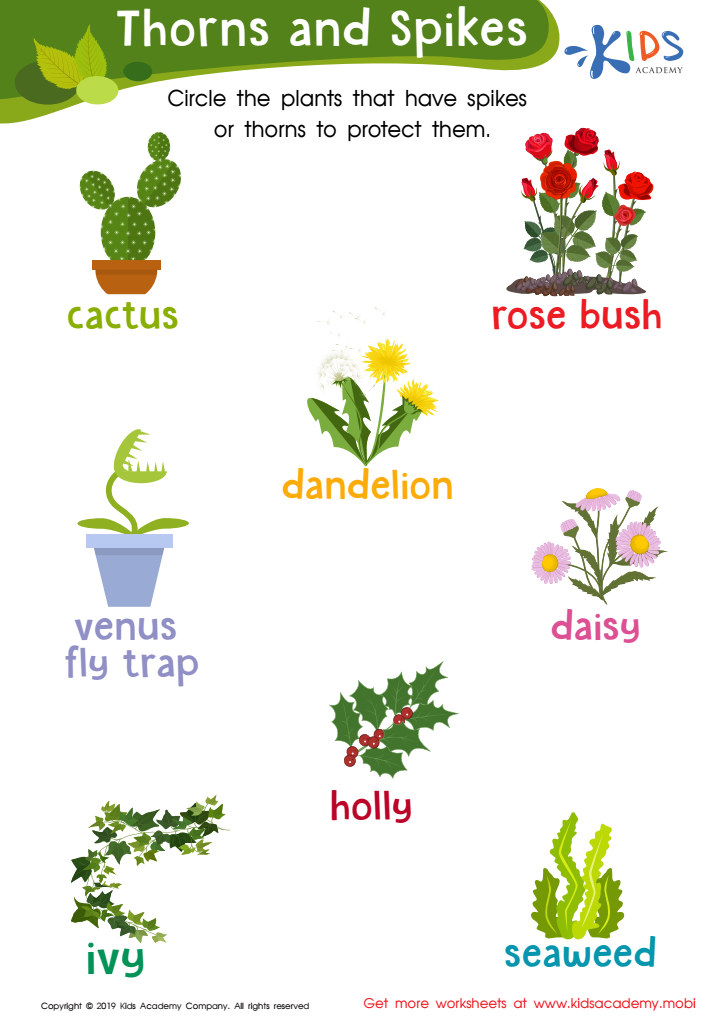
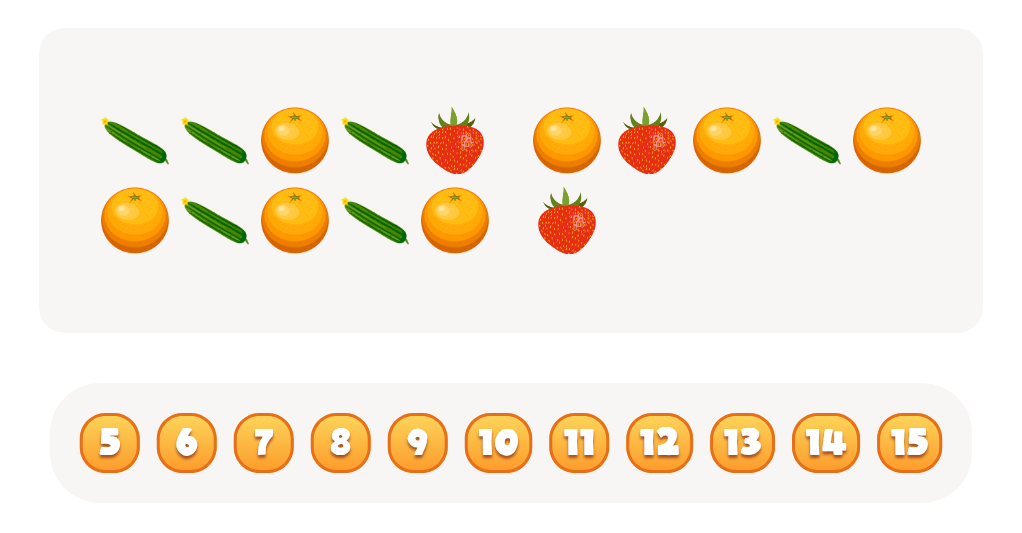
Thorns and Spikes Worksheet
 Assign to My Students




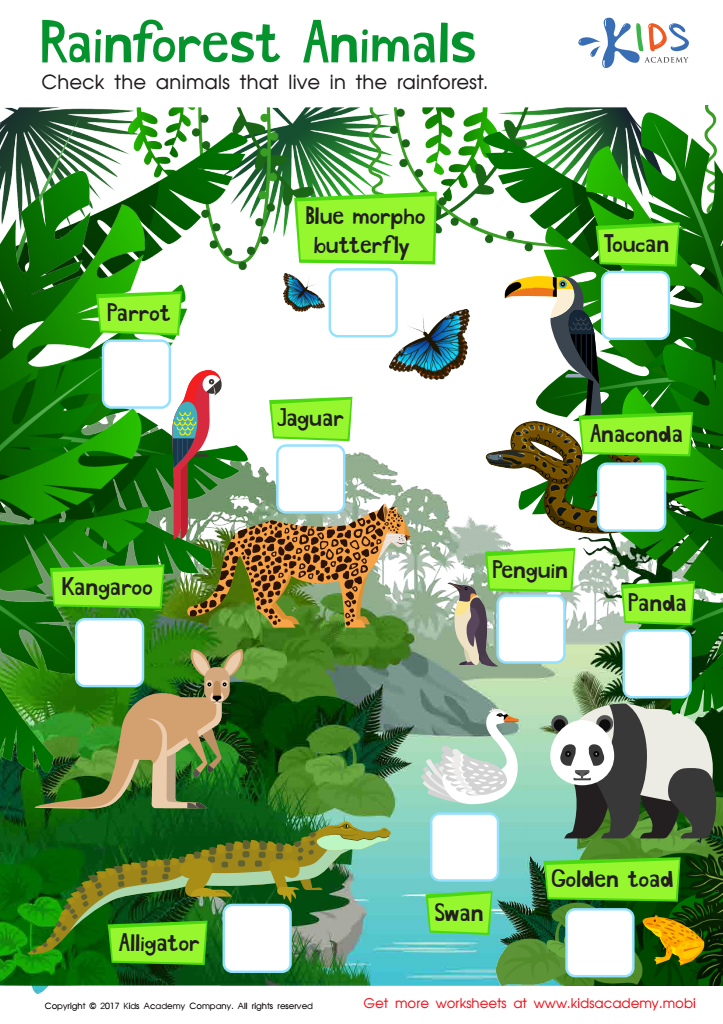
Rainforest Animals Worksheet
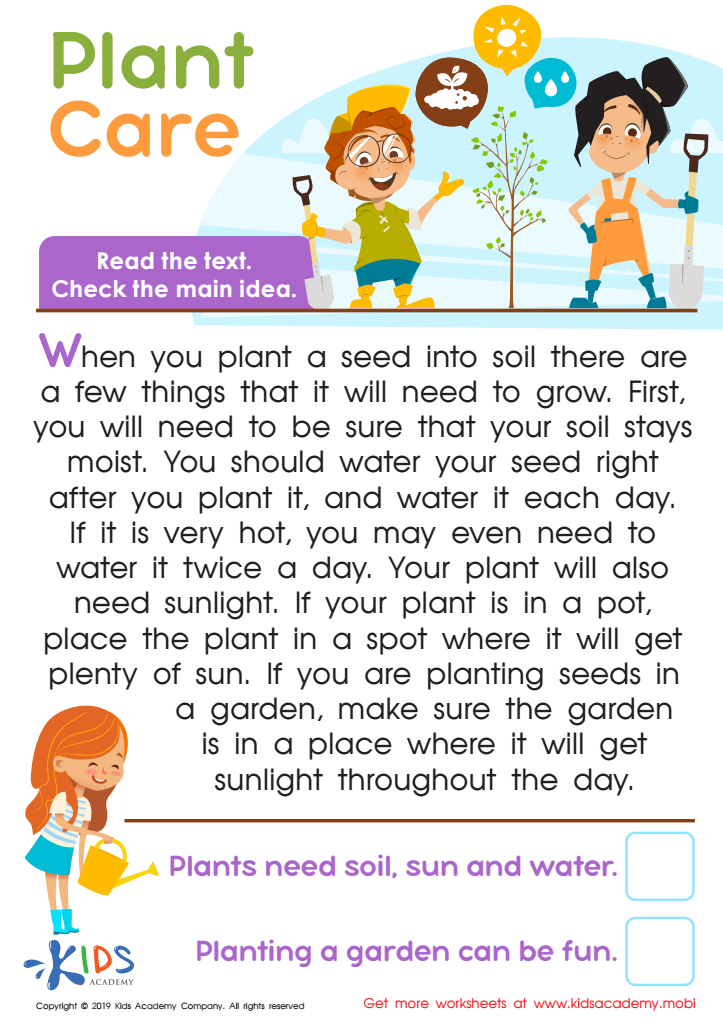
Plant Care Worksheet








Parents and teachers should prioritize vocabulary expansion, particularly focusing on the topic of "Normal Plants" for children aged 3-8, as it plays a critical role in several areas of development. At this early stage, children are naturally curious and eager to explore their surroundings. Introducing them to plant-related vocabulary not only enhances their language skills but also sparks an interest in nature.
Understanding vocabulary related to plants—like leaves, stems, roots, and types of flora—helps children articulate their thoughts and observations, enriching their communication skills. Moreover, familiarity with this vocabulary aids cognitive development, fostering critical thinking as children learn to categorize and understand the environment around them.
Engaging with plant vocabulary also encourages sensory exploration, as children can observe, touch, and even smell different plants. This hands-on experience creates memorable learning opportunities, making the educational process enjoyable and effective.
Furthermore, an early emphasis on vocabulary lays the groundwork for literacy skills in later years. As children transition into more complex texts and subjects, a robust vocabulary will boost their comprehension and academic success. Overall, focusing on normal plants not only nurtures a love for nature but also strengthens essential language abilities, contributing to well-rounded growth and learning.