Vocabulary Building Normal Plants and Animals Worksheets for Ages 3-8
5 filtered results
-
From - To
Enhance your child's vocabulary with our engaging "Normal Plants and Animals Worksheets" designed for ages 3-8! These thoughtfully crafted worksheets make learning about the natural world fun and interactive. Each sheet focuses on key vocabulary related to plants and animals, encouraging young learners to explore different species, their habitats, and life cycles. Ideal for both homeschooling and classroom settings, these resources foster creativity and critical thinking while building essential language skills. With colorful illustrations and age-appropriate activities, children will enjoy identifying, categorizing, and describing various plants and animals, setting the foundation for a lifelong love of nature and learning!
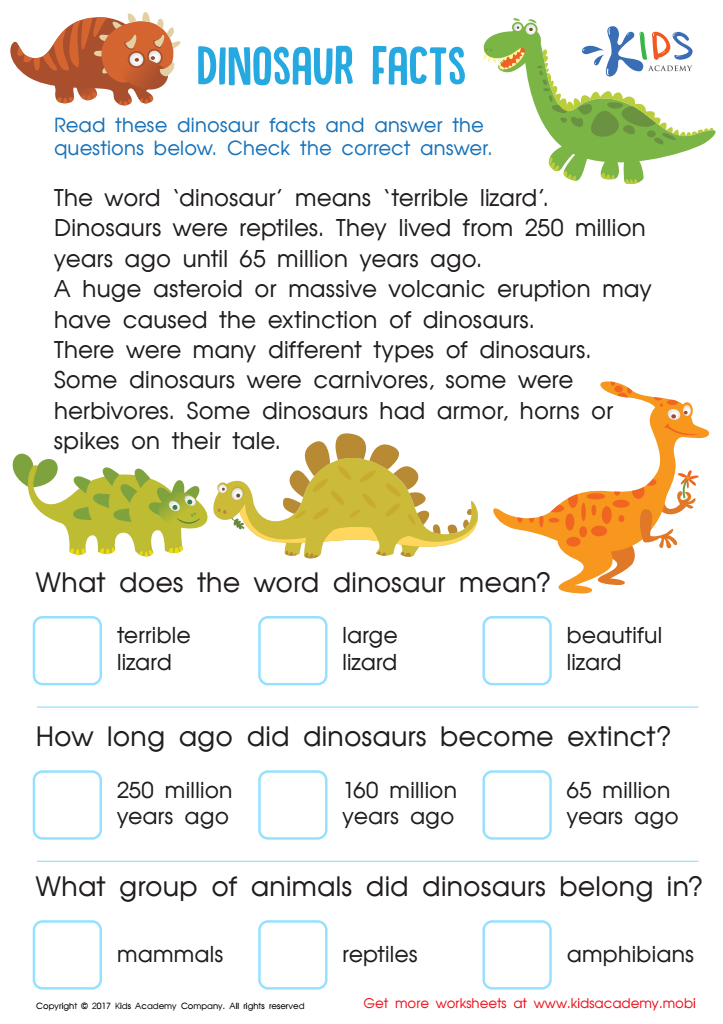
Dinosaur Facts Worksheet
 Assign to My Students
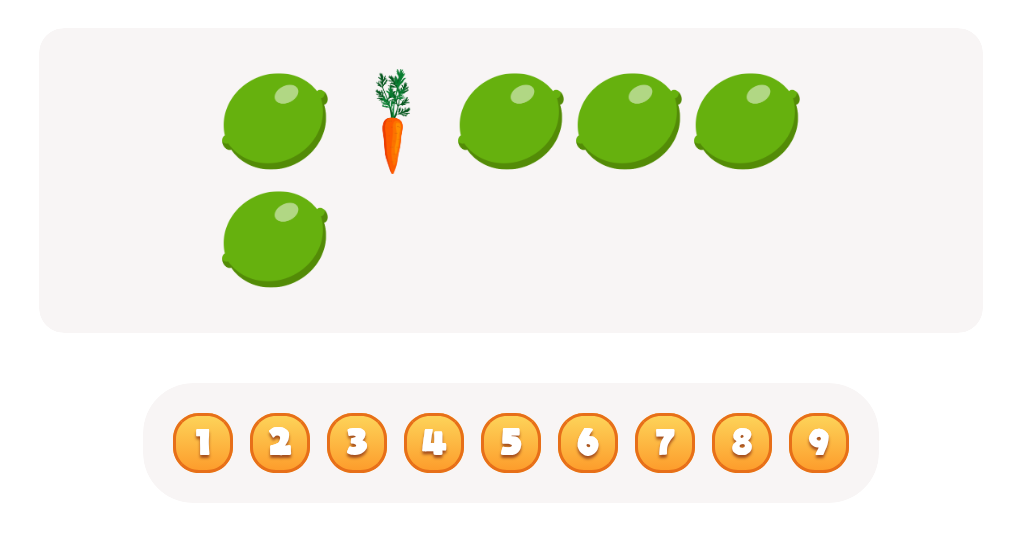

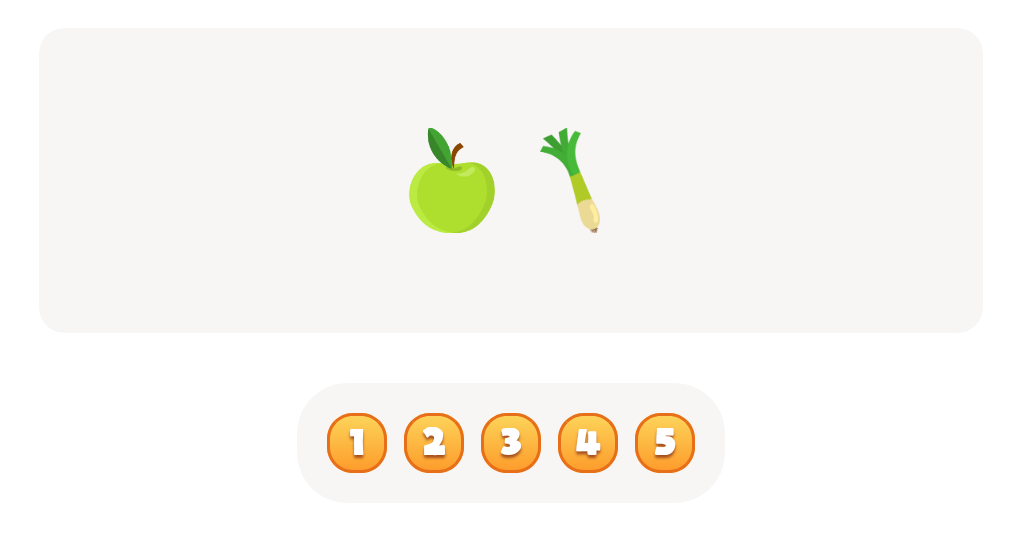
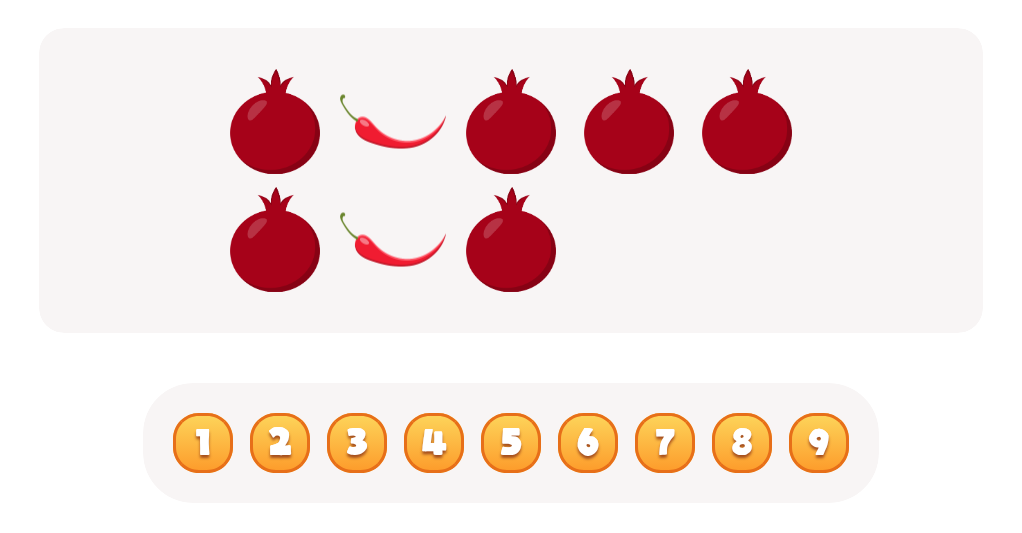
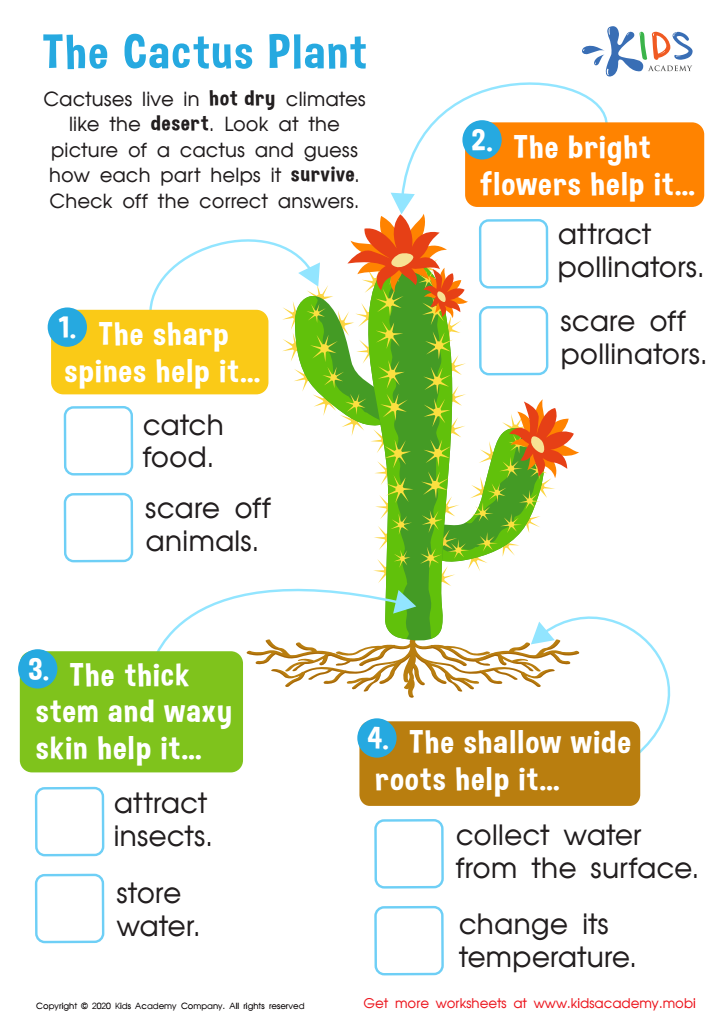
The Cactus Plant Worksheet
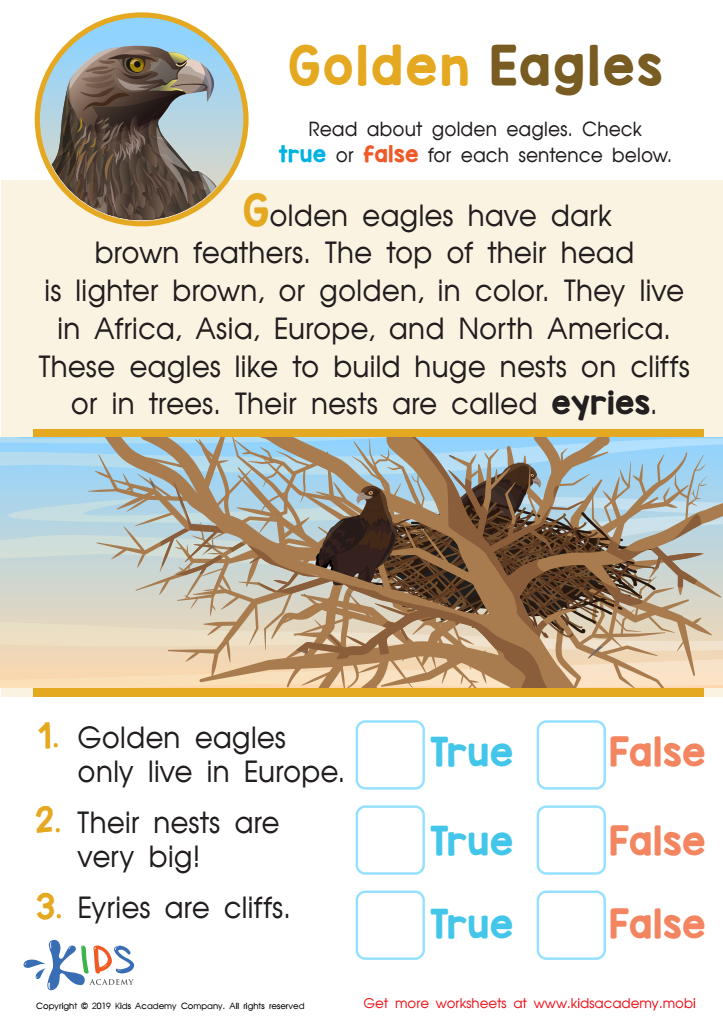
Golden Eagles Worksheet
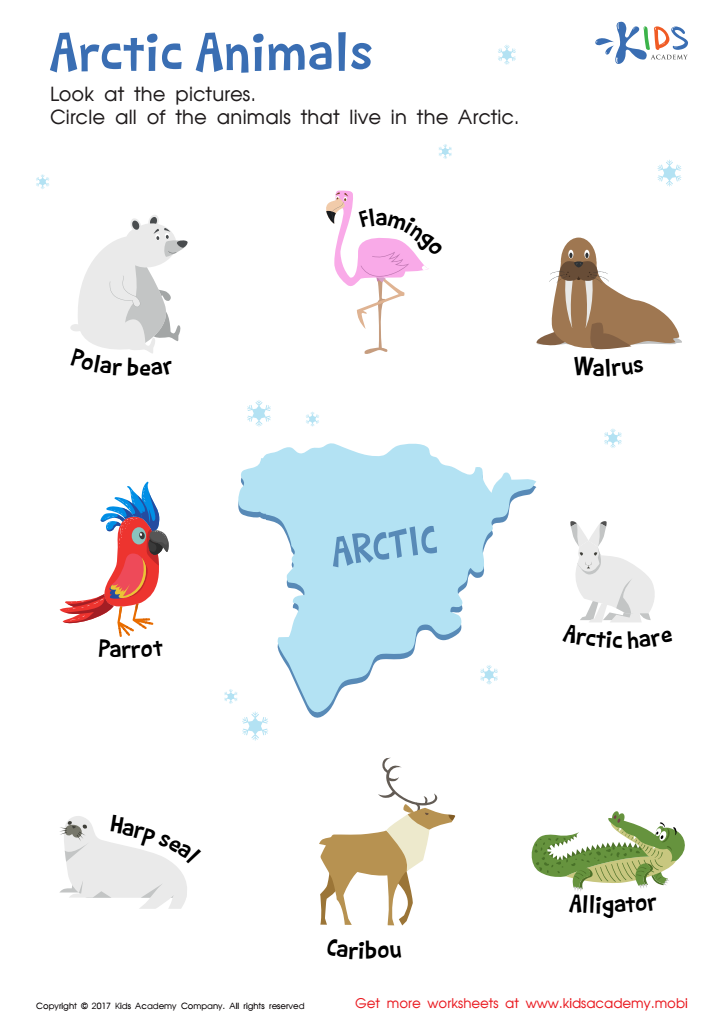
Arctic Animals Worksheet
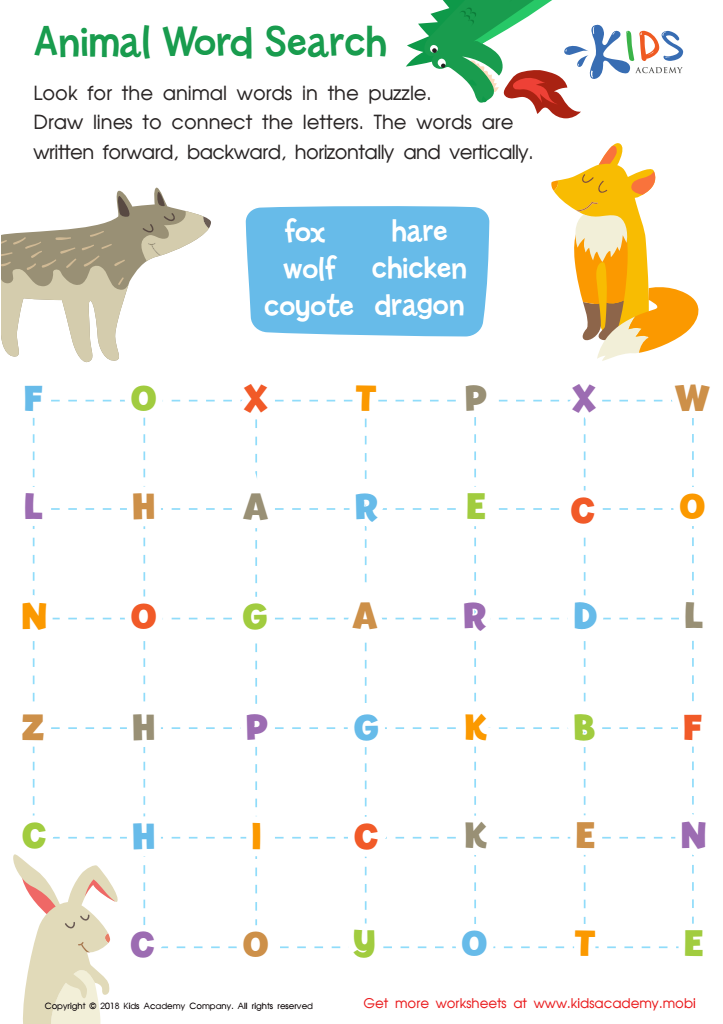
Animal Word Search Worksheet








Vocabulary building in young children, particularly related to normal plants and animals, is crucial for several reasons. At ages 3-8, children are in a key stage of cognitive development when they begin to process and categorize information about their environment. By enriching their vocabulary in this area, parents and teachers can enhance children's comprehension skills, allowing them to better understand scientific concepts, engage in meaningful conversations, and express their thoughts more clearly.
Understanding terms related to plants and animals helps children grasp essential ecological concepts, fostering curiosity about nature and the world around them. This knowledge promotes environmental awareness and instills a sense of responsibility towards the planet from an early age. Furthermore, acquiring a strong vocabulary in this domain supports reading literacy as nature-related themes are common in children's literature.
Children with a robust vocabulary are more confident communicators, which aids in social interactions and builds their self-esteem. Engaging activities that focus on plants and animals, like storytelling, discussions, and interactive learning, not only strengthen vocabulary but also cultivate a love for learning. Therefore, parents and teachers should prioritize this aspect of language development as it lays a strong foundation for future academic success and lifelong learning.







