Vocabulary enhancement Normal Plants and Animals Worksheets for Ages 3-8
16 filtered results
-
From - To
Discover a world of learning with our Vocabulary Enhancement Worksheets focused on Normal Plants and Animals, specially designed for children aged 3-8. These engaging activities help young learners expand their vocabulary while discovering the fascinating aspects of nature. Each worksheet offers interactive exercises that promote language development, critical thinking, and creativity. From simple word associations to informative quizzes, children will build confidence in their communication skills while exploring the diverse flora and fauna around them. Perfect for teachers and parents alike, our worksheets make learning fun and accessible, ensuring a strong foundation for future educational success. Explore and nurture your child’s love for nature today!
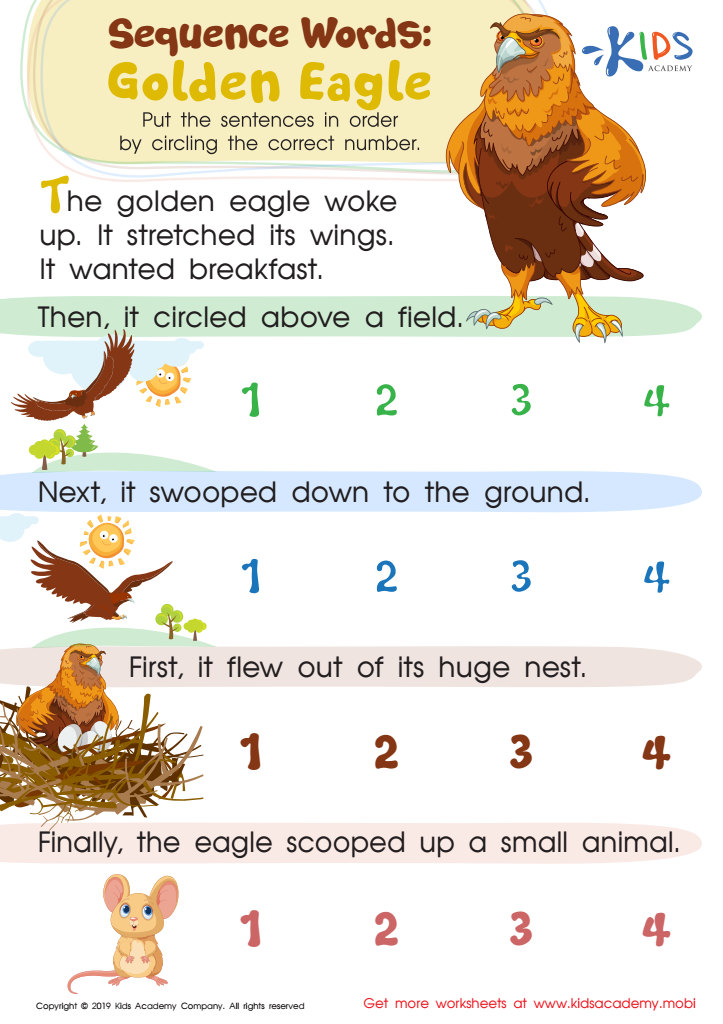
Sequence Word Eagle Worksheet
 Assign to My Students











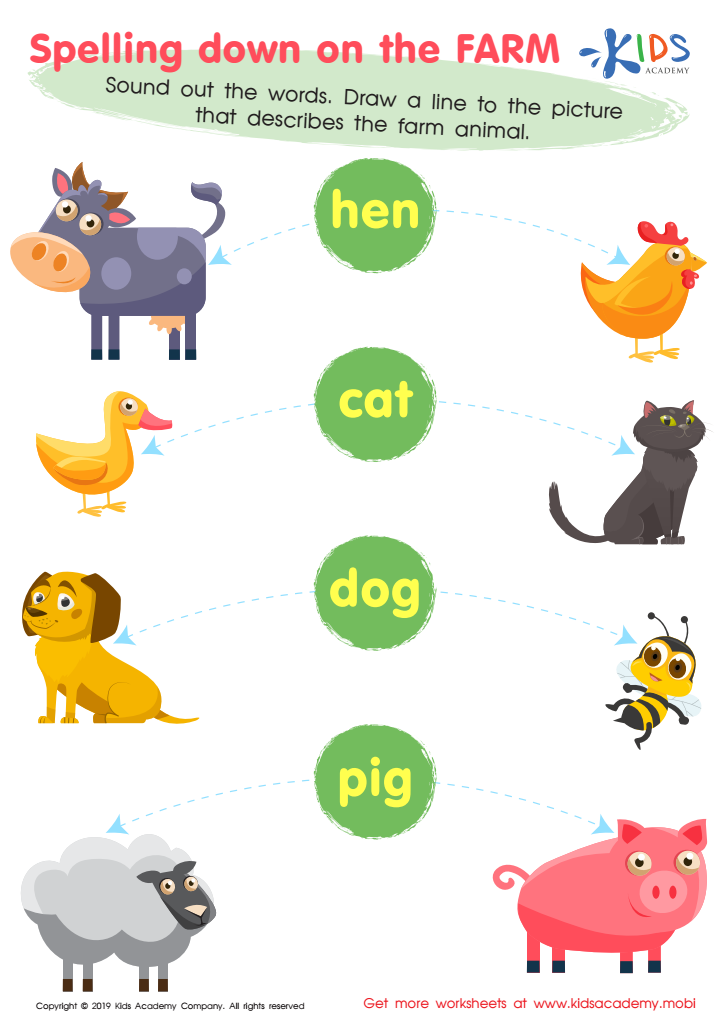
Spelling Down on the Farm Worksheet
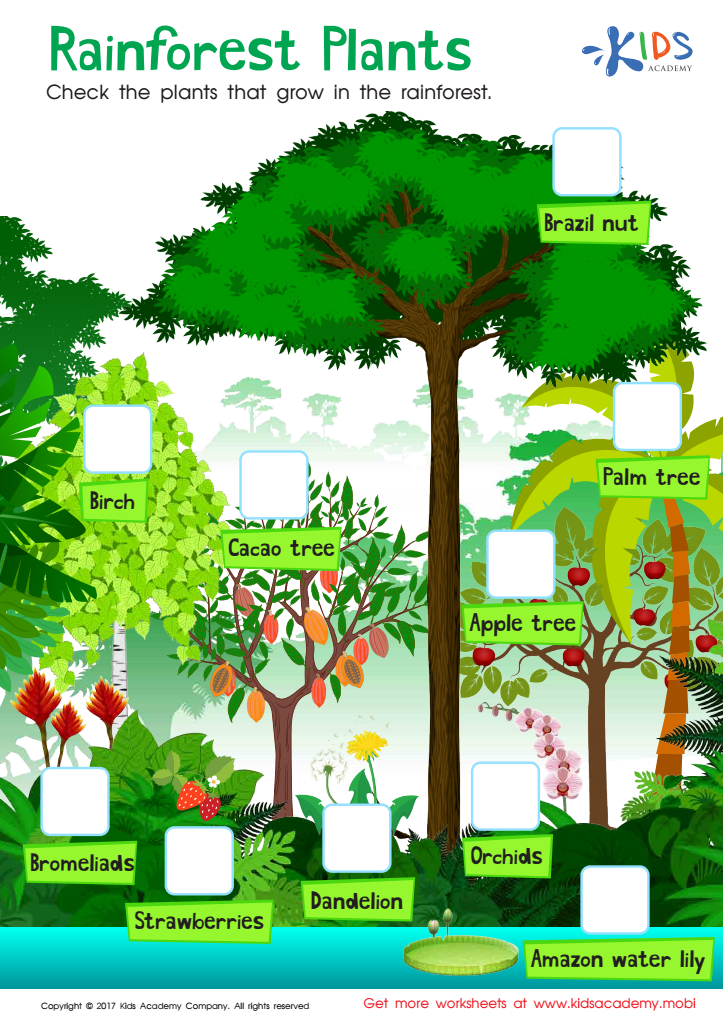
Rainforest Plants Worksheet
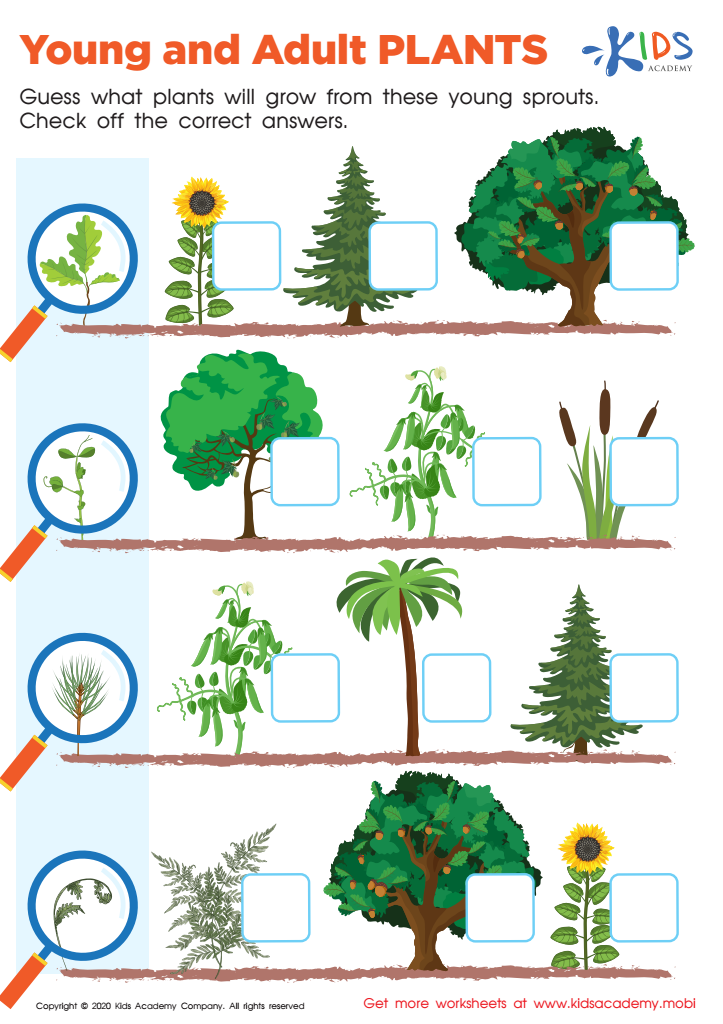
Young and Adult Plants Worksheet
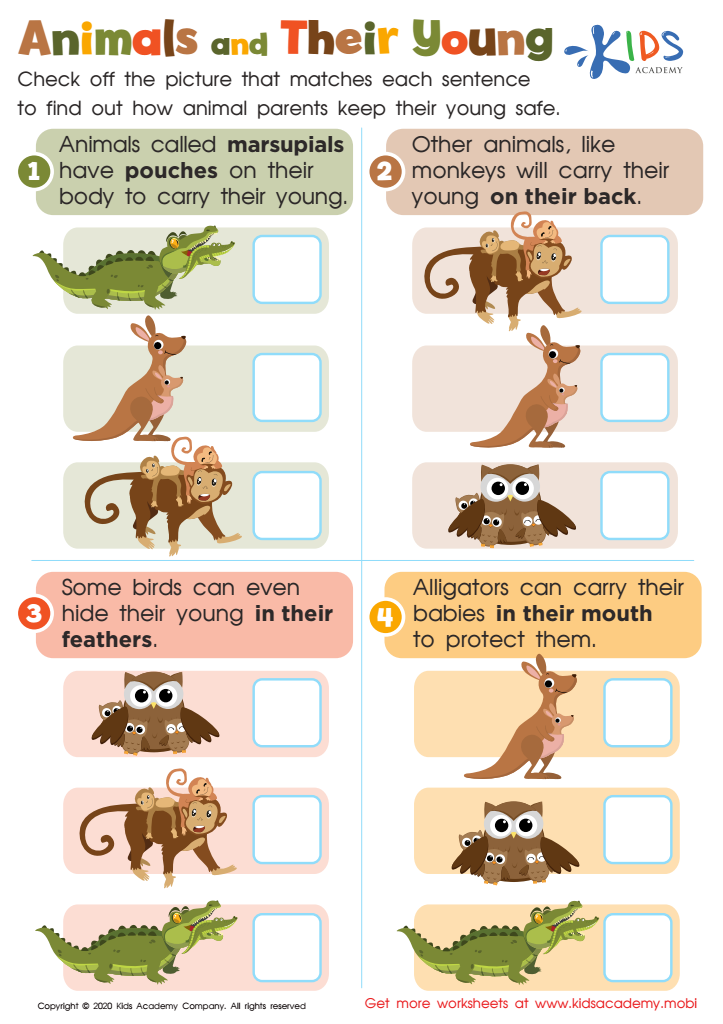
Animals and Their Young Worksheet
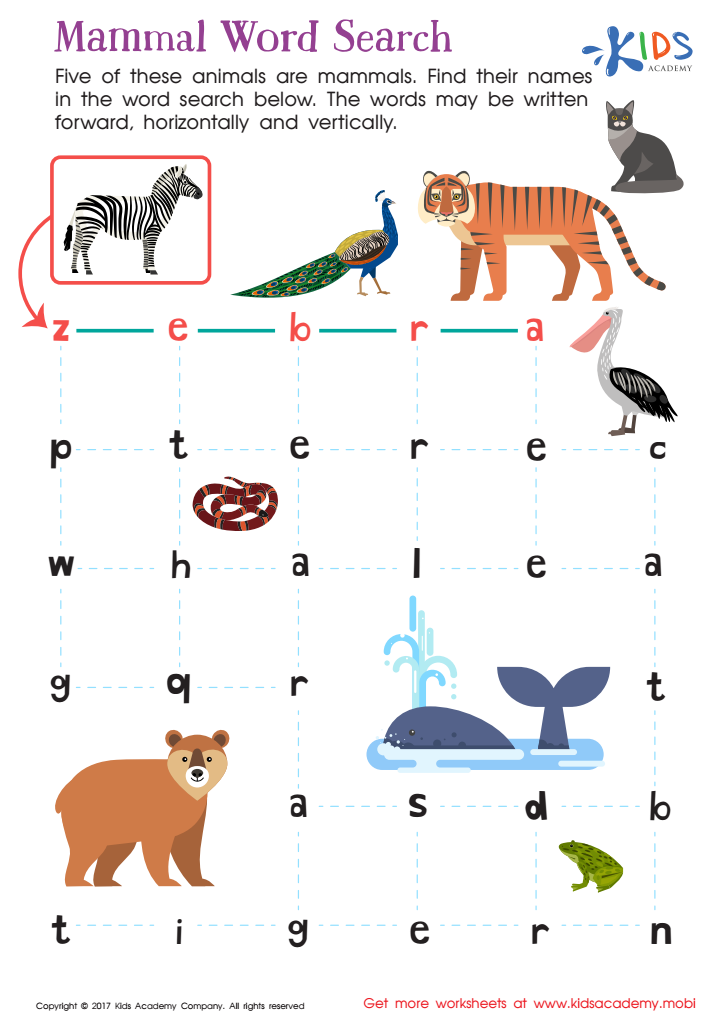
Printable Mammal Word Search
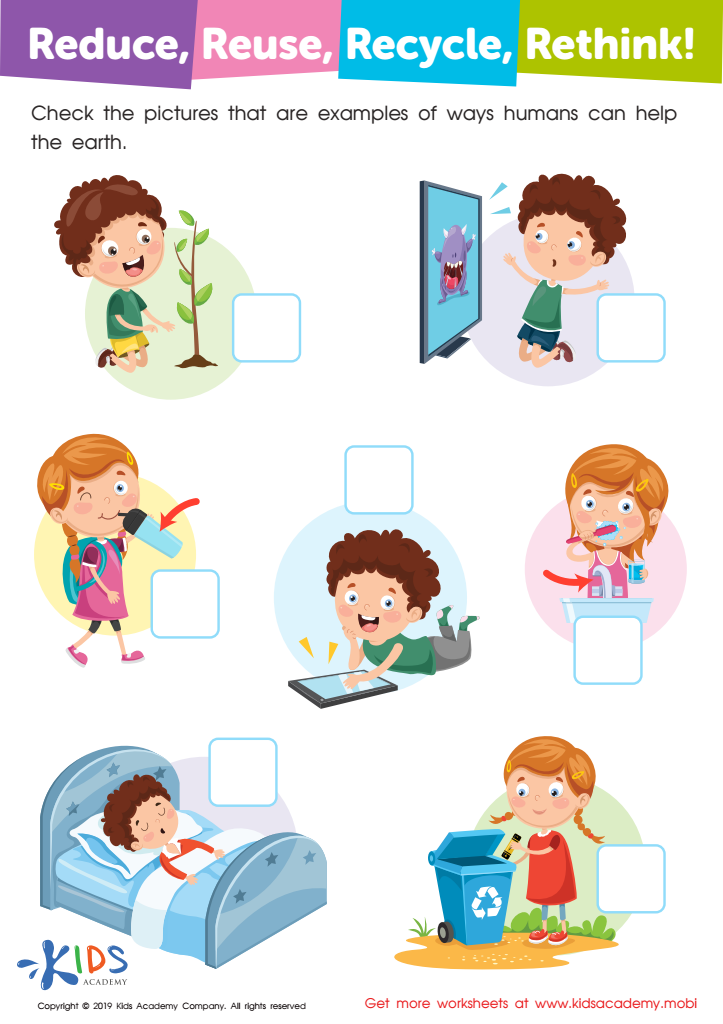
Reduce, Reuse, Recycle, Rethink Worksheet
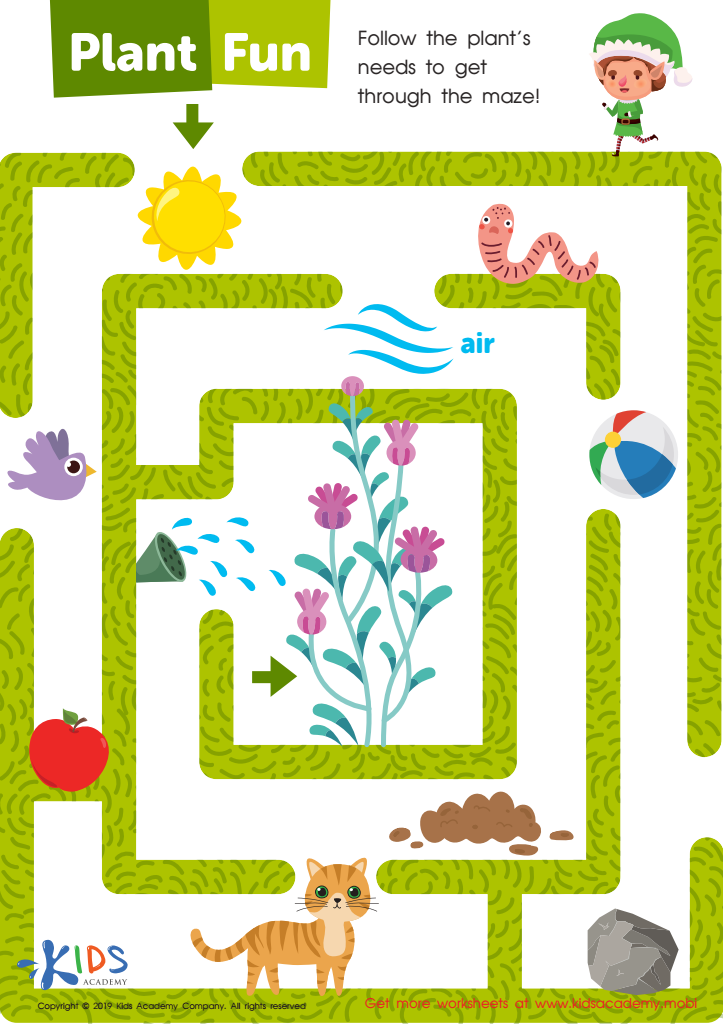
Plant Fun Worksheet
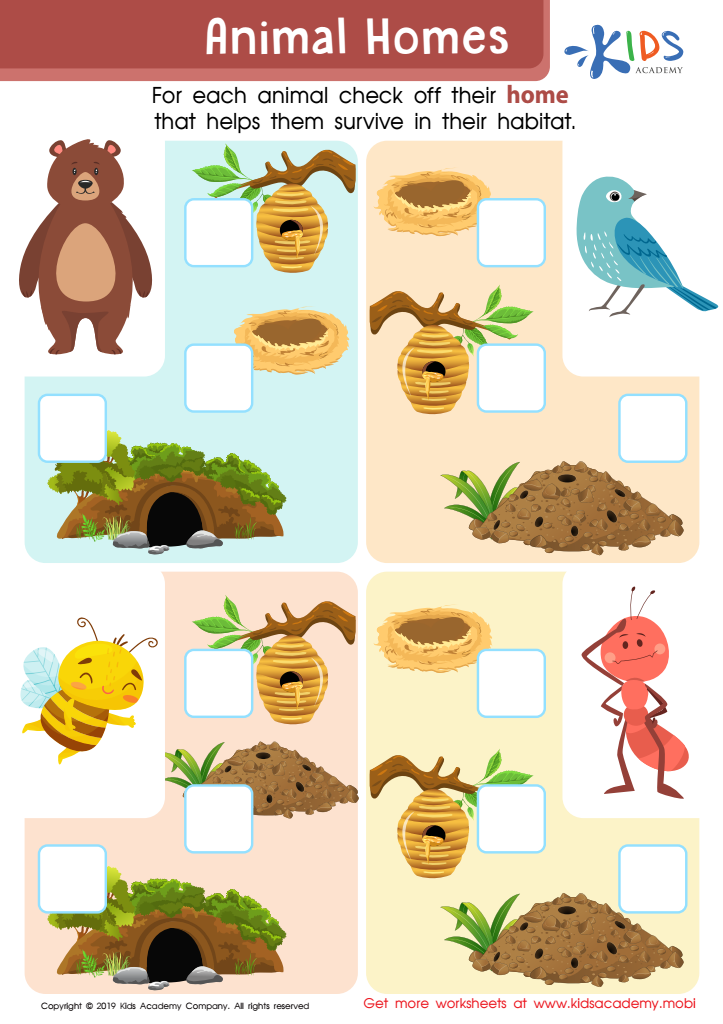
Animal Homes Worksheet
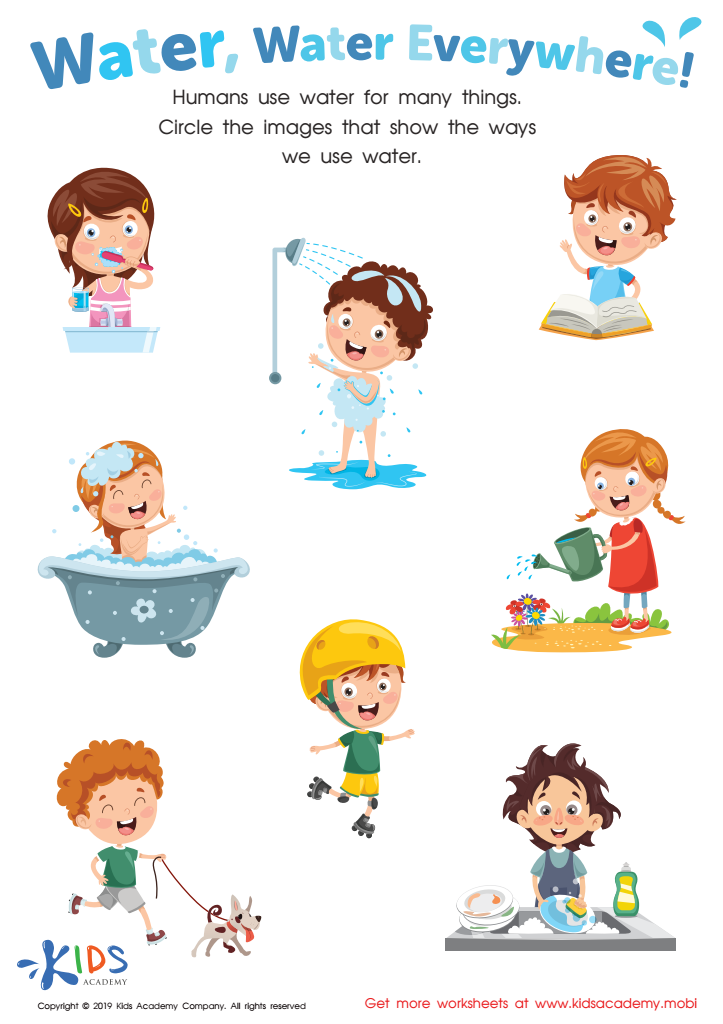
Water, Water Everywhere! Worksheet
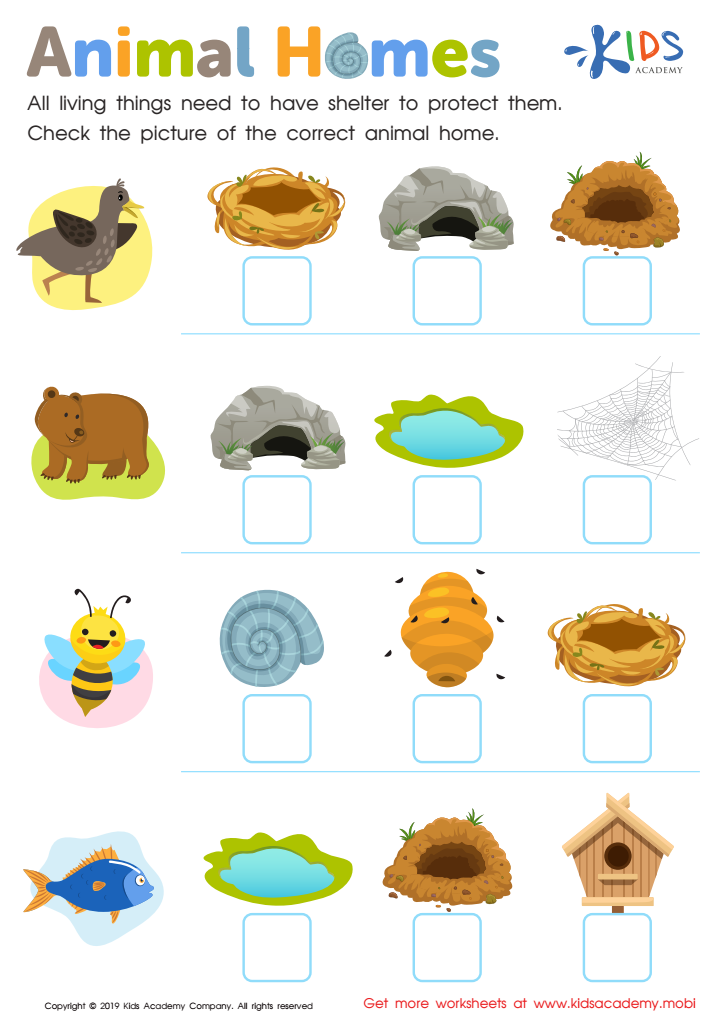
Animal Homes Worksheet
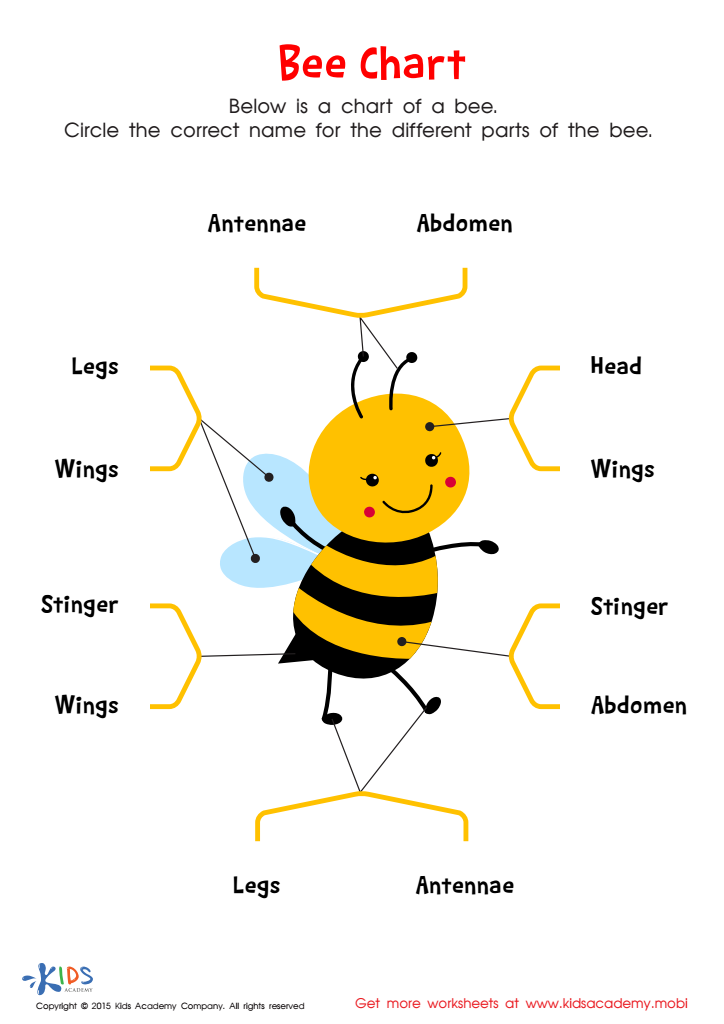
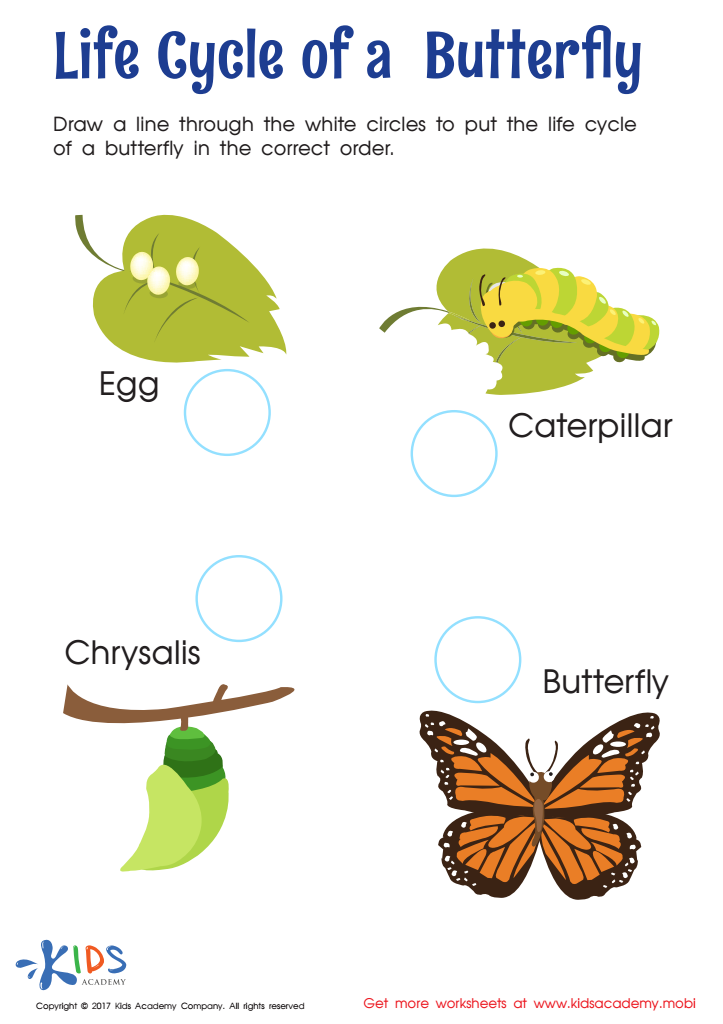
Life Cycle of Butterfly Worksheet
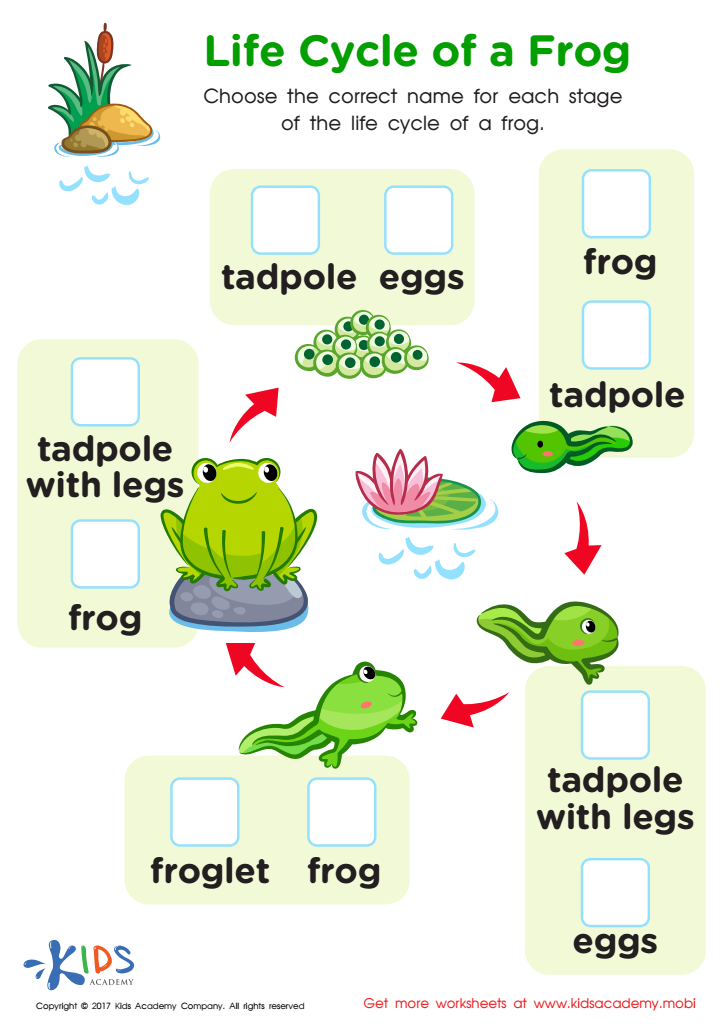
Life Cycle Frog Printable
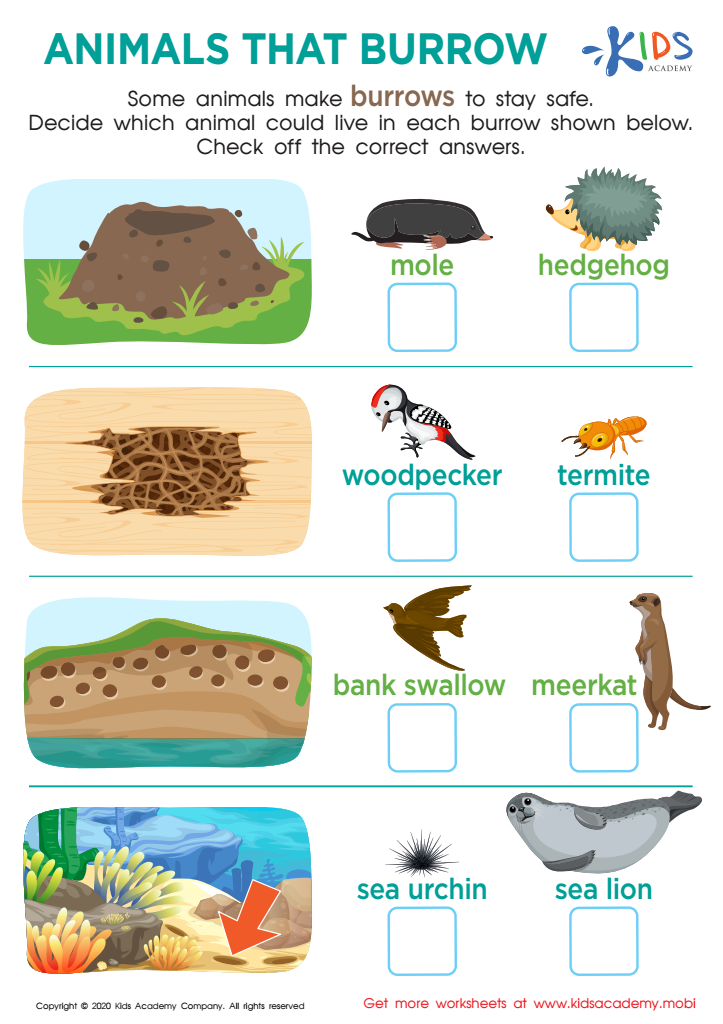
Animals That Burrow Worksheet
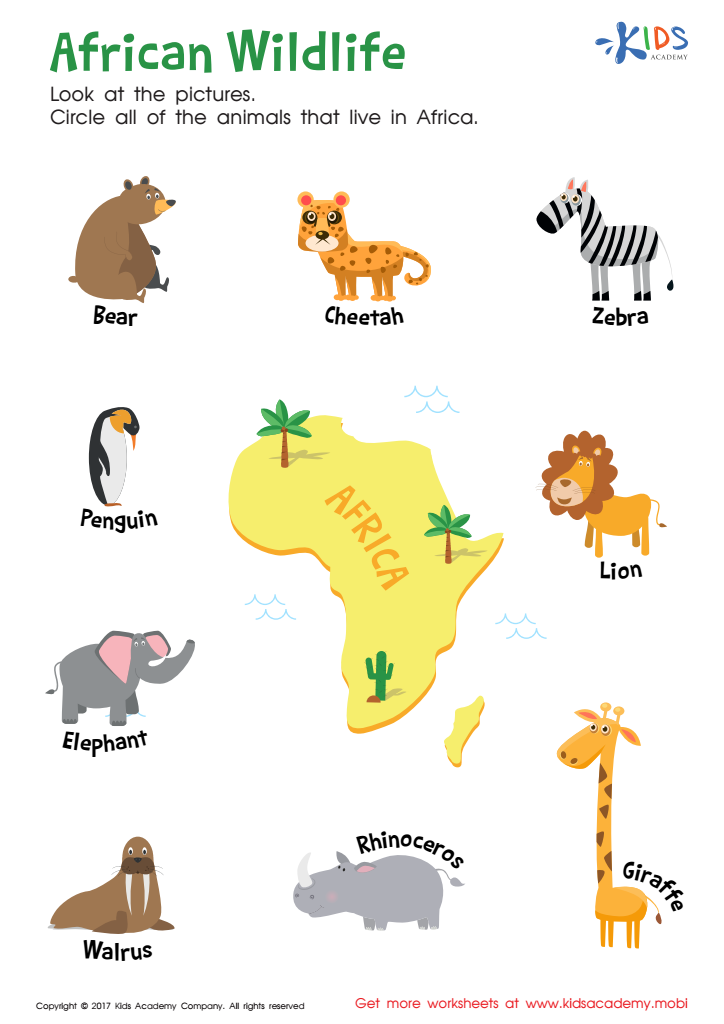








Vocabulary enhancement focused on normal plants and animals is crucial for children aged 3-8 as it lays the foundational skills for language development, comprehension, and scientific literacy. At this developmental stage, children are naturally curious and eager to explore their environment. Introducing vocabulary related to plants and animals not only enhances their communication skills but also cultivates their interest in nature and the world around them.
By learning names, characteristics, and functions of various plants and animals, children are empowered to express their observations and thoughts. This engagement fosters critical thinking and a sense of wonder, encouraging them to ask questions, make connections, and observe their surroundings more attentively. Moreover, a rich vocabulary aids in their reading and writing proficiency, providing them with the tools to engage with texts in school and in daily life.
Parents and teachers play an essential role in this enhancement process. They can incorporate interactive activities like nature walks, storytelling, or educational games, making learning enjoyable and relevant. By nurturing vocabulary development in early childhood, we prepare our children not only for academic success but also for a lifetime of environmentally conscious citizenship. This understanding of the natural world eventually helps children appreciate biodiversity, which is essential for future generations.







