Identification skills Normal Social Studies Worksheets for Ages 3-8
3 filtered results
-
From - To
Discover engaging "Identification Skills Normal Social Studies Worksheets" designed for children ages 3-8! Our carefully crafted worksheets help young learners develop essential identification skills through a variety of fun and interactive activities. From recognizing community helpers to identifying different cultures and traditions, these worksheets are perfect for classroom settings or at-home learning. Each activity encourages curiosity and exploration, fostering critical thinking while promoting social awareness. With vibrant illustrations and easy-to-follow instructions, kids will enjoy honing their identification skills and expanding their knowledge of the world around them. Get ready to inspire the next generation of socially-aware learners!
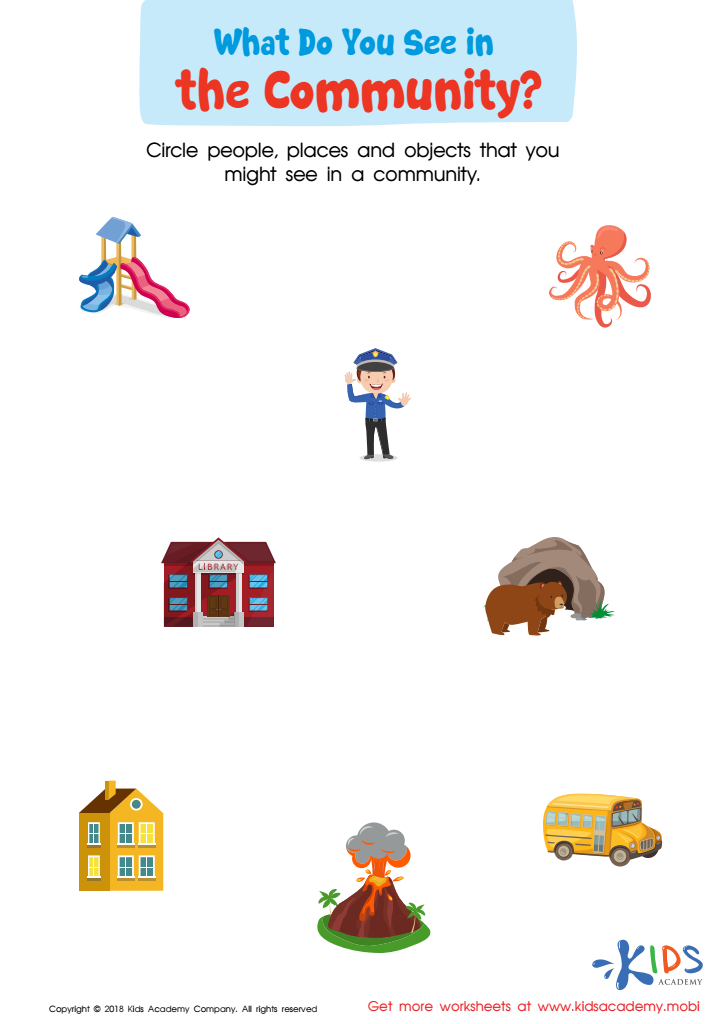
What Do You See in the Community Worksheet
 Assign to My Students
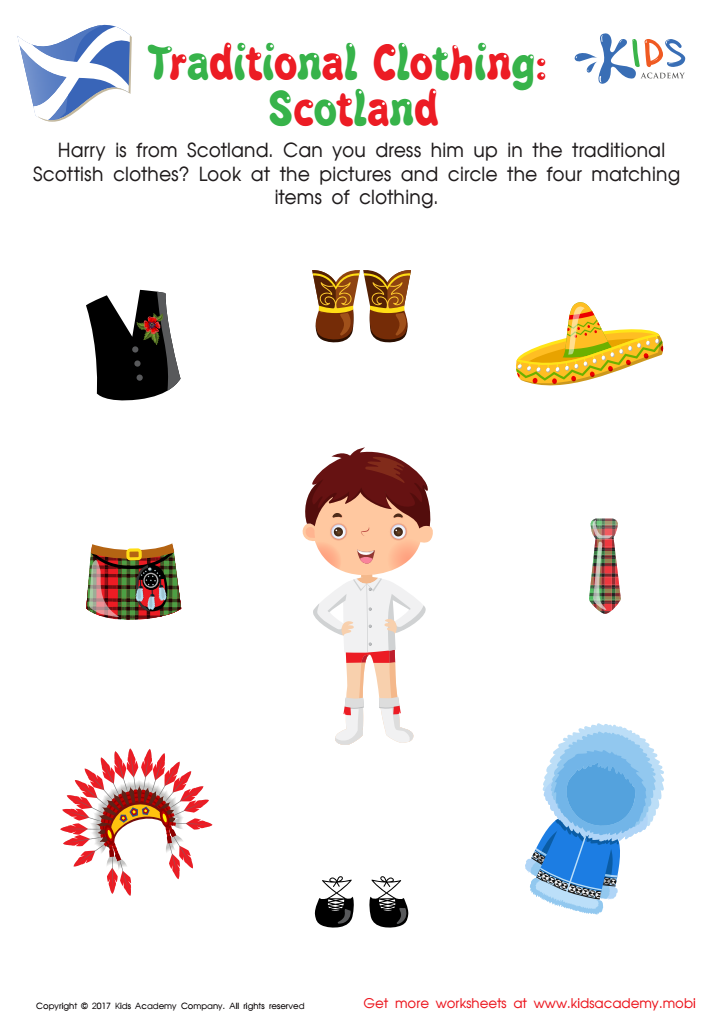
Traditional Clothing in Scotland Worksheet
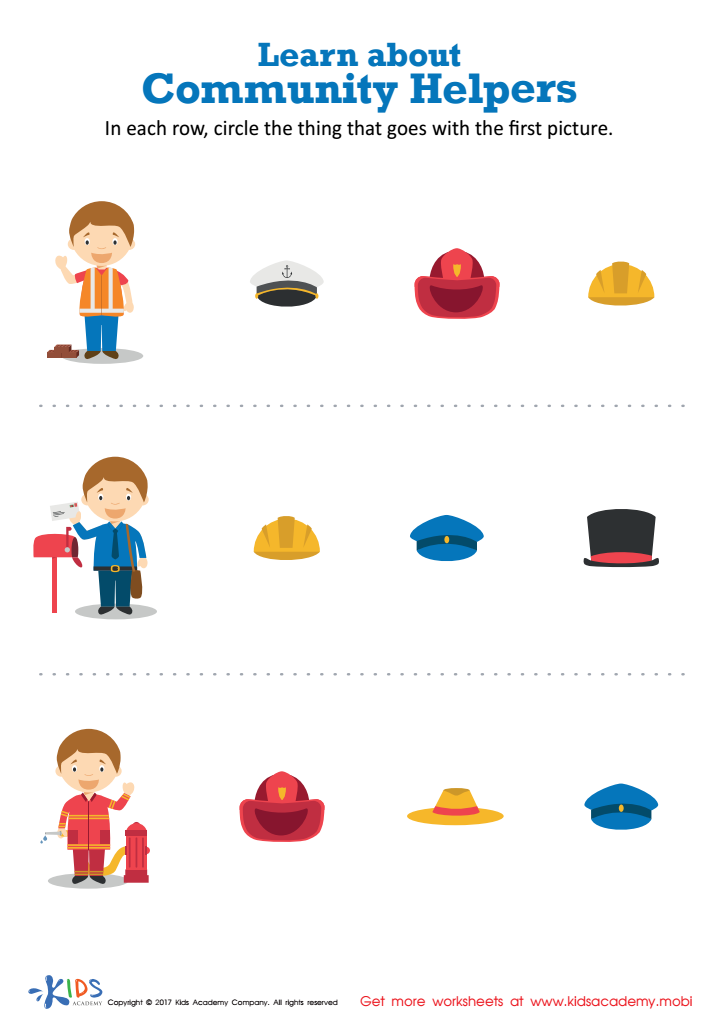
Learn about Community Helpers Printable





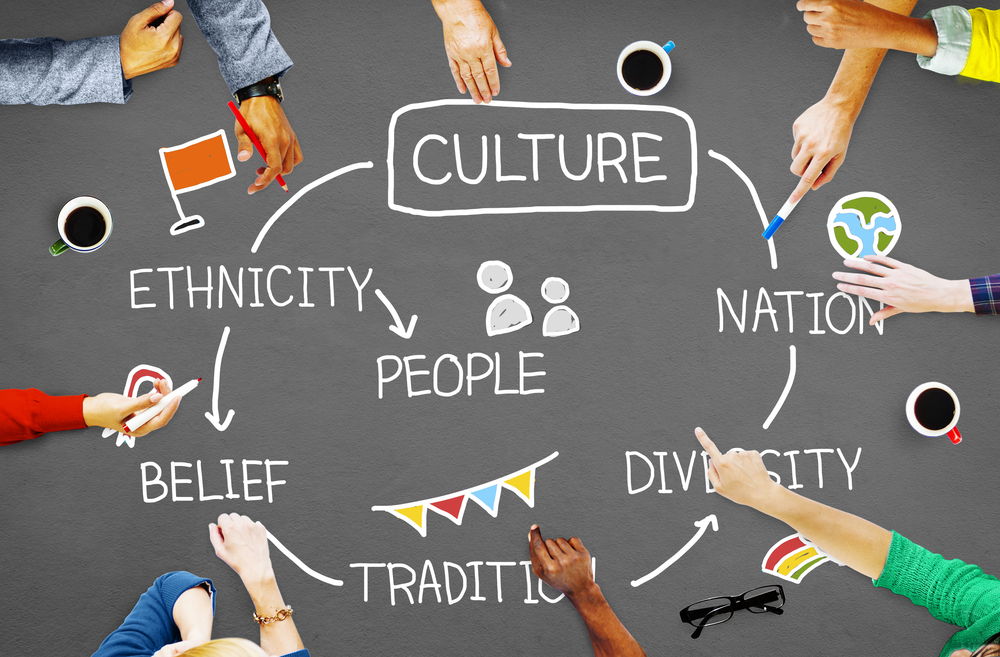

Identification skills in young children, particularly within the context of social studies, are crucial for their cognitive and social development. For ages 3-8, this is a formative period where children begin to make sense of the world around them, understand relationships, and develop critical thinking skills.
Parents and teachers should care because these skills foster cultural awareness and empathy. When children learn to identify various community roles, historical figures, and cultural traditions, they build a sense of identity and connection with their surroundings. This can promote inclusivity and respect for diversity from a young age.
Furthermore, identification skills support language development. Engaging children in discussions about what they observe in their environment enhances vocabulary and comprehension. Non-restricted by age, Core Social Studies concepts, such as mapping, understanding differences and similarities, and recognizing community helpers, require engagement and expansion of ideas by traditions in these formative years.
Finally, these skills lay the groundwork for responsible citizenship. By understanding their place in society, children learn the values of cooperation and social responsibility. Building a strong foundation in identification skills during early education makes a lasting impact that shapes their worldview, fosters critical-thinking skills, and encourages active participation in their communities as they progress.








