Improve reading skills Normal Social Studies Worksheets for Ages 3-8
3 filtered results
-
From - To
Welcome to our engaging “Improve Reading Skills Normal Social Studies Worksheets for Ages 3-8”! Our carefully crafted worksheets are designed to enhance your child's reading abilities while exploring essential social studies concepts. Tailored for young learners, these interactive activities combine fun visuals with educational content, making reading enjoyable and effective. Your child will develop critical reading skills through diverse tasks, including matching words to images, sentence formation, and comprehension exercises. These resources not only strengthen literacy but also provide a foundational understanding of social norms, community, and history. Download our worksheets today and support your child’s reading journey with stimulating, age-appropriate content!
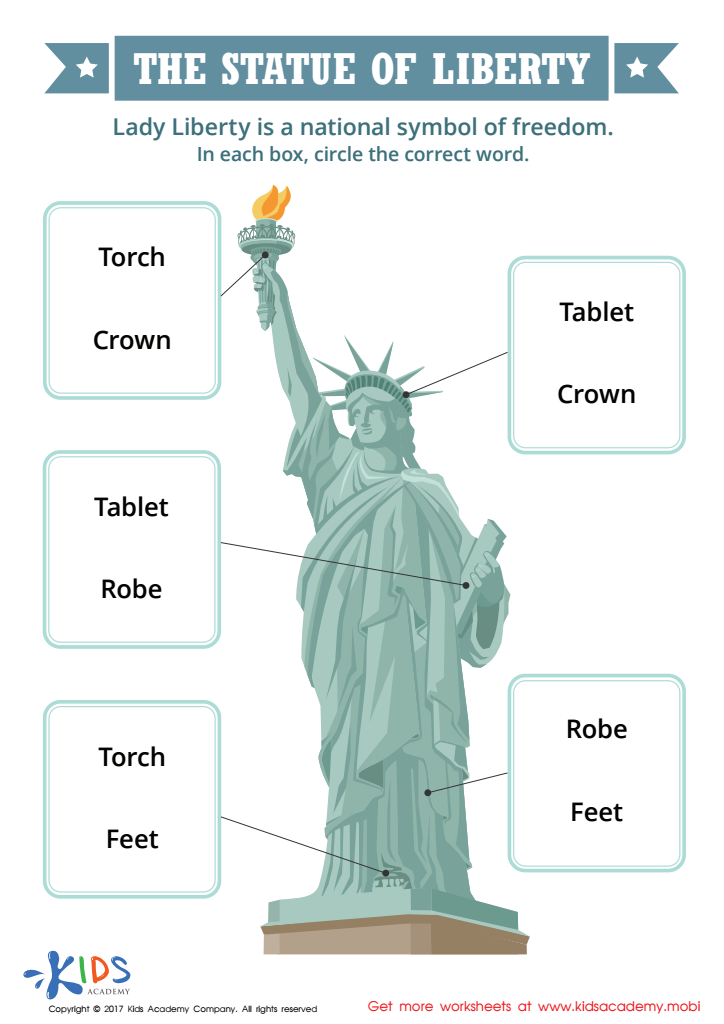
The Statue of Liberty Printable
 Assign to My Students
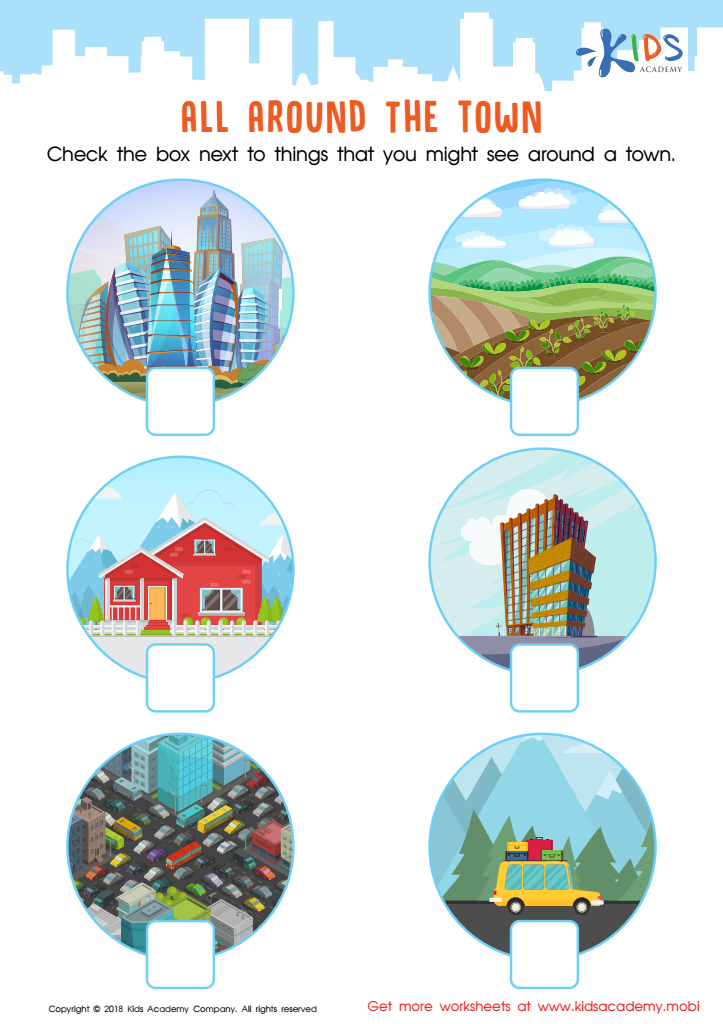
All Around the Town Worksheet
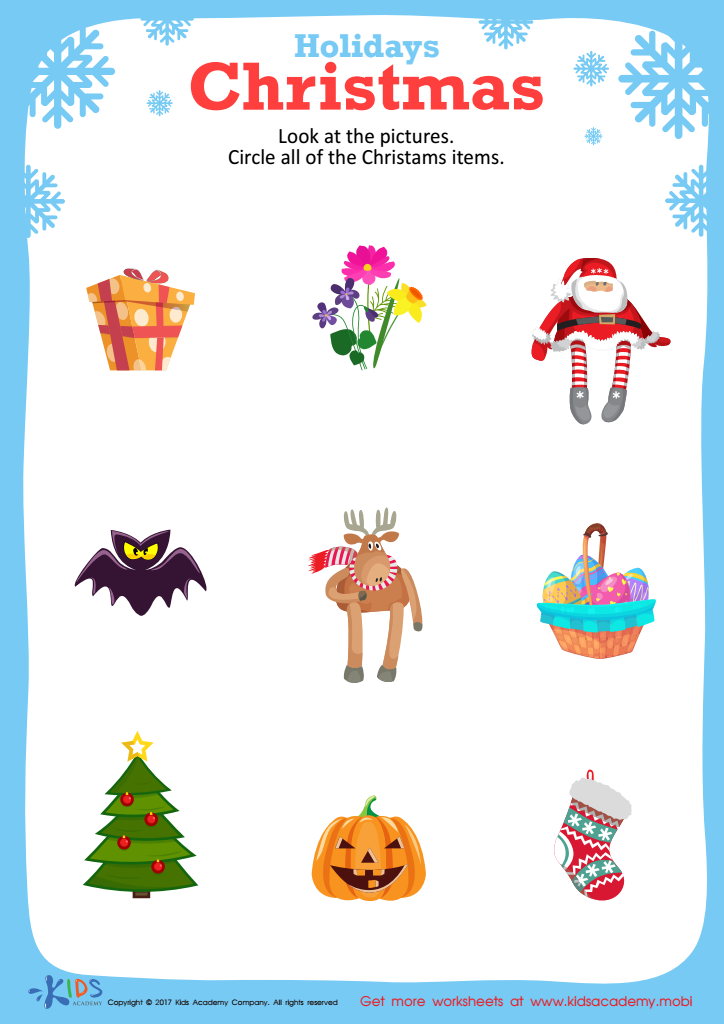
Christmas Holiday Worksheet








Improving reading skills in Social Studies for children aged 3-8 is essential for several reasons. Firstly, early literacy development sets the foundation for lifelong learning. When children engage with materials related to social studies, they not only learn to read but also cultivate critical thinking skills as they explore concepts such as community, culture, and history.
Secondly, an understanding of social studies content helps children develop a sense of belonging and awareness in their society. Through stories and discussions about different communities, traditions, and significant events, young learners become more empathetic and culturally aware individuals, promoting inclusivity and respect for diversity.
Moreover, early exposure to reading about social studies concepts enhances vocabulary, comprehension, and communication skills, which are necessary for academic success across all subjects. This integrated approach can foster a love for reading while encouraging curiosity about the world, helping children make connections between their lives and broader societal issues.
Finally, engaged and informed parents and teachers who prioritize reading in social studies cultivate a deep understanding of civic responsibility in young learners, empowering them to become informed, thoughtful, and active participants in society as they grow. Investing in these reading skills is not just about literacy; it's about shaping the future citizens of our world.








