Visual recognition Normal Social Studies Worksheets for Ages 3-8
6 filtered results
-
From - To
Explore our Visual Recognition Normal Social Studies Worksheets for Ages 3-8, designed to foster young learners’ cognitive and observational skills. These engaging resources assist children in identifying and understanding various social studies concepts, such as community helpers, geography, and everyday objects. Each worksheet combines vibrant illustrations with interactive activities to captivate curious minds and enhance learning. Ideal for preschool to early grade students, these tools support recognition and retention in a fun, effective manner. Encourage your child's educational journey with these expertly crafted, printable worksheets tailored to develop essential visual identification and social understanding skills.
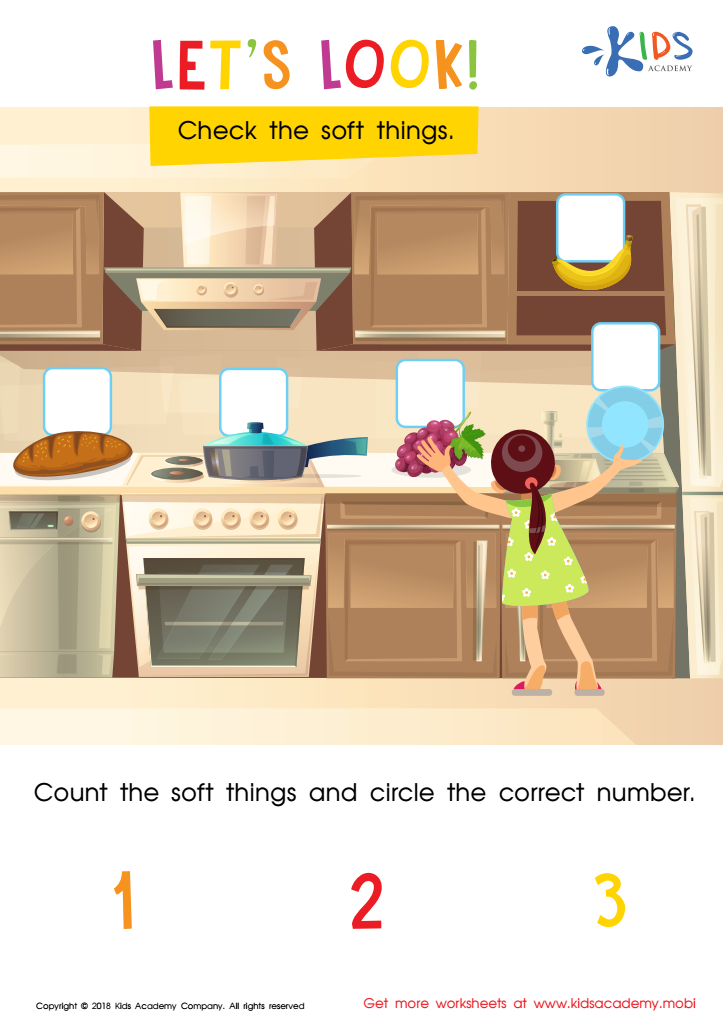
Let's Look! Assessment Worksheet
 Assign to My Students
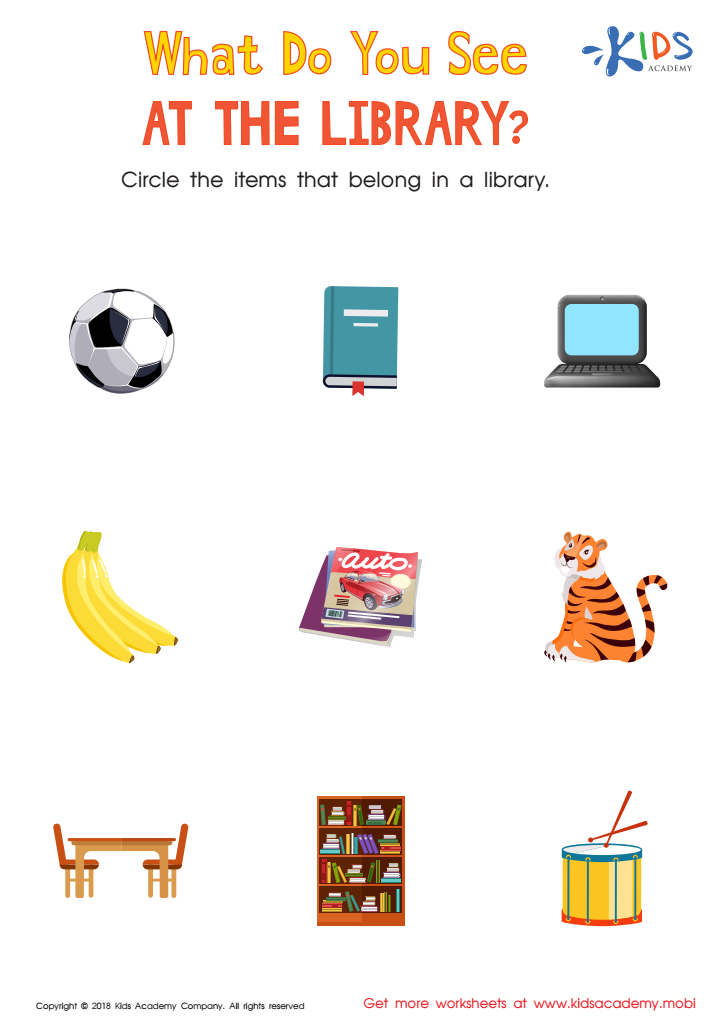
What Do you See at the Library? Worksheet
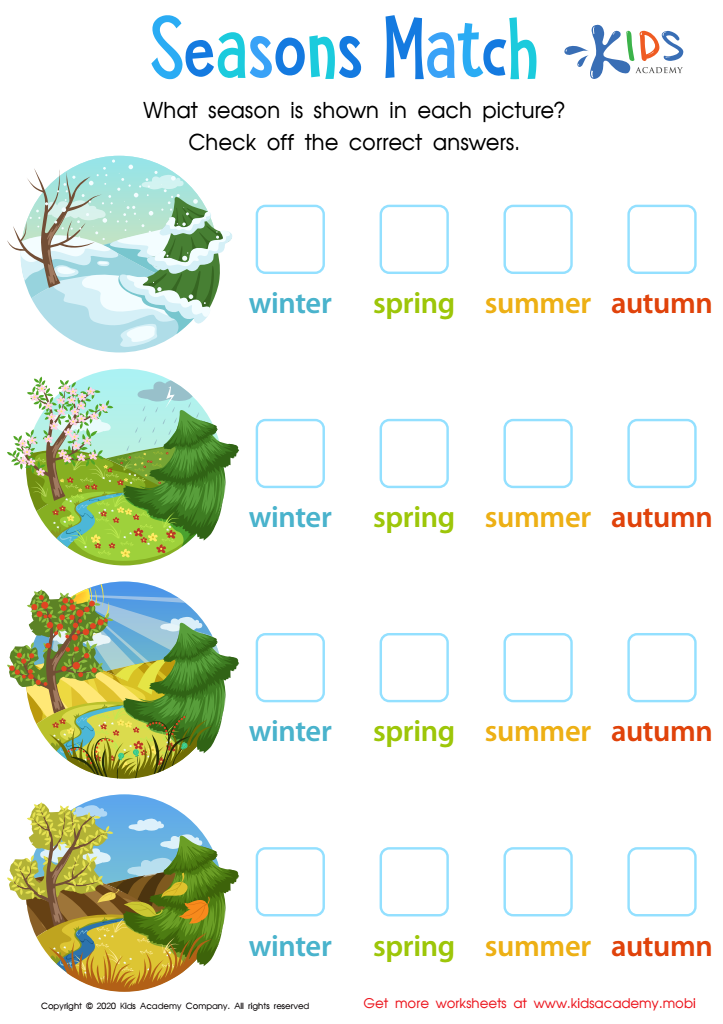
Seasons Match Worksheet
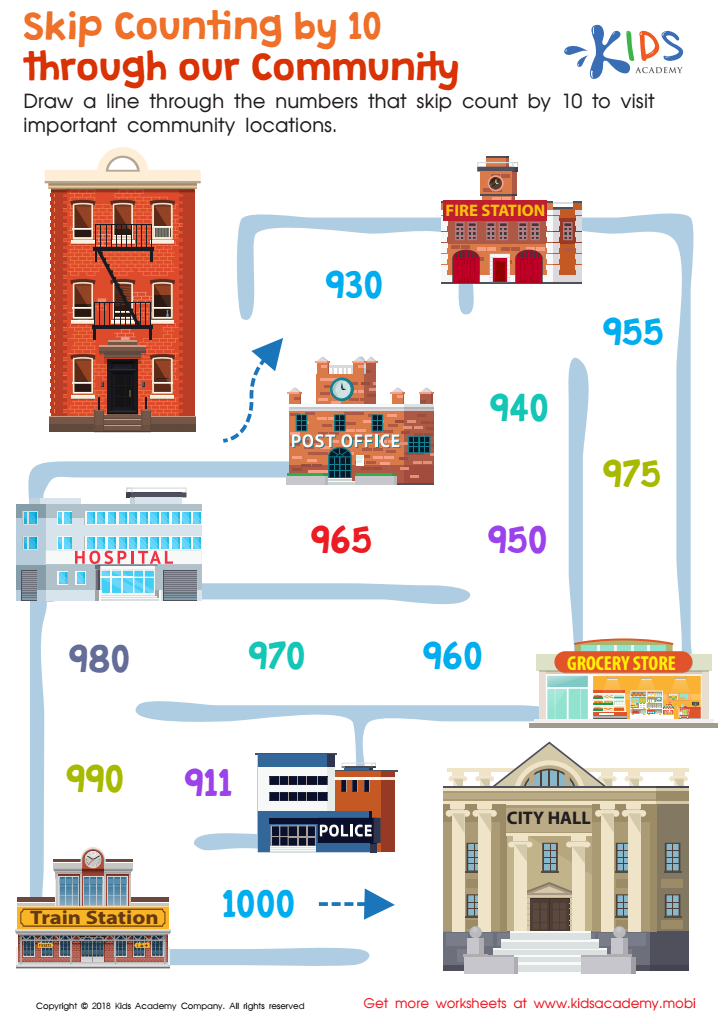
Skip Counting by 10 Through Our Community Worksheet
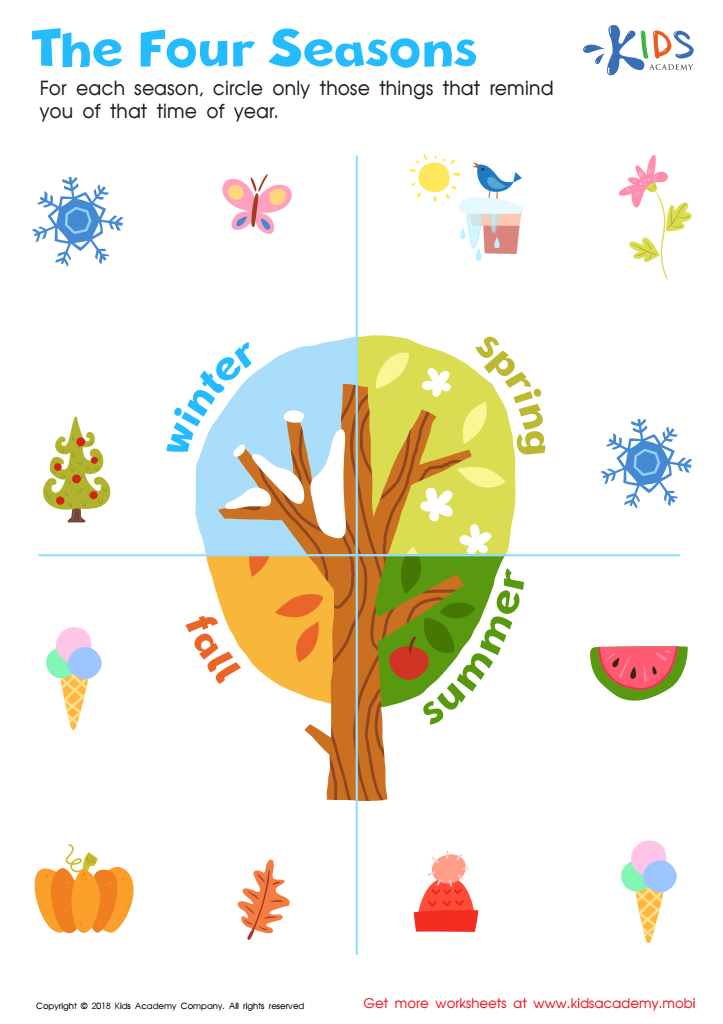
The Four Seasons Worksheet
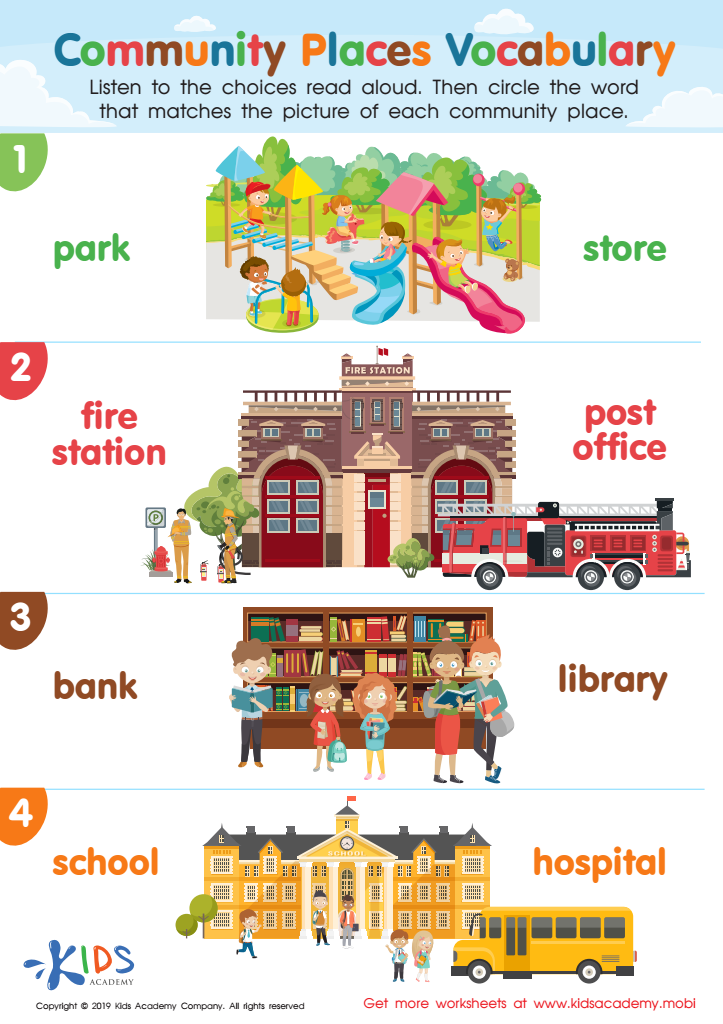
Community Places Vocabulary Worksheet








Visual recognition plays a crucial role in the early cognitive and social development of children aged 3-8, particularly within the context of social studies. At this developmental stage, children are highly visual learners, processing and interpreting images more readily than text. Parents and teachers should prioritize visual recognition because it aids in comprehension and retention of complex social concepts. For instance, by using pictures and illustrations, children can better understand community roles, cultural traditions, and historical events.
Engaging children's visual recognition skills helps them develop critical thinking and observation capabilities. When they interact with visual aids like maps, photographs, and charts, they learn to notice details, make connections, and ask questions, fostering analytical skills from a young age. This is essential in social studies, where understanding context and perspective is key.
Moreover, visual recognition nurtures inclusivity and empathy. By exposing children to diverse images representing various cultures, families, and social settings, they begin to appreciate and respect different lifestyles and viewpoints. This not only broadens their understanding of the world but also instills values of acceptance and diversity early on.
Ultimately, integrating visual recognition into social studies makes learning more engaging and accessible for young children, building a strong foundation for their future educational endeavors.








