Weather Vocabulary Normal World Around Us Worksheets for Ages 3-8
3 filtered results
-
From - To
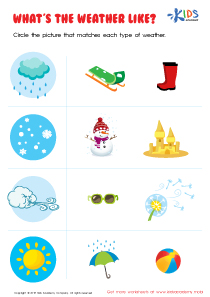
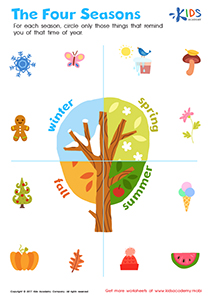
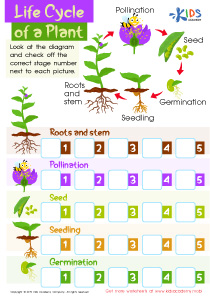
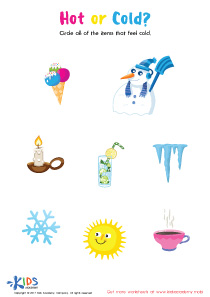
Introduce your little learners to the wonders of weather with our "Weather Vocabulary Normal World Around Us Worksheets for Ages 3-8." Perfectly designed for young children, these engaging and educational printable worksheets help kids explore weather-related terms and concepts through fun activities. Ideal for developing vocabulary, enhancing learning skills, and fostering curiosity about the natural world, each worksheet features colorful illustrations that capture attention. From sunny days to snowy landscapes, watch as your child's understanding of weather expands while they identify, read, and write essential weather words. Make learning about everyday weather exciting and enjoyable with these easy-to-use resources!
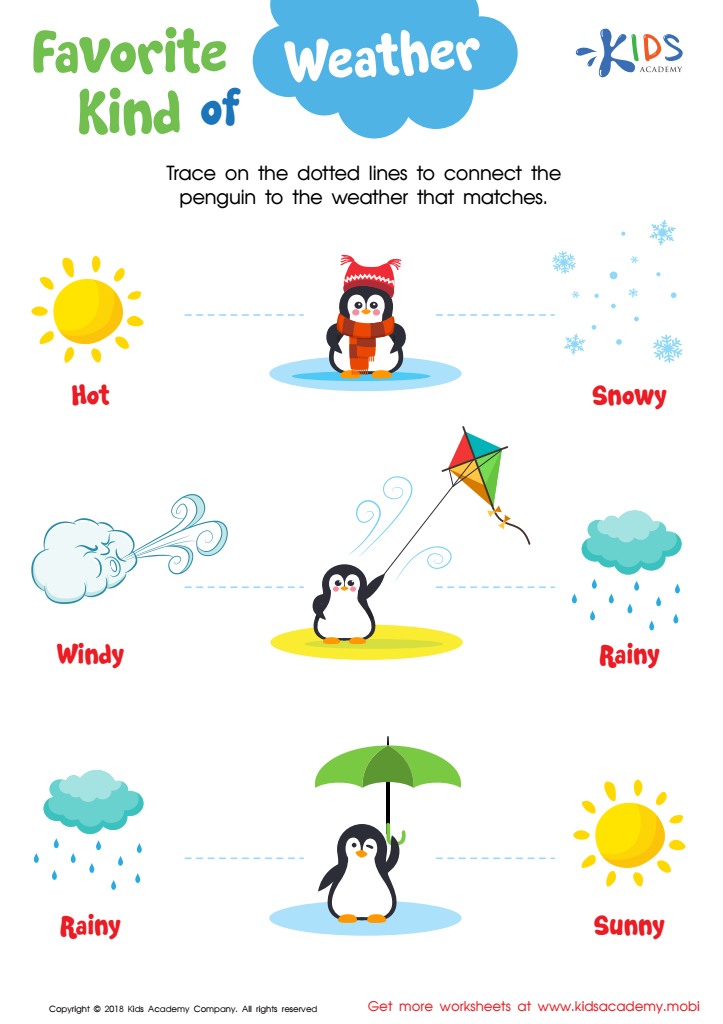
Favorite Kind of Weather Worksheet
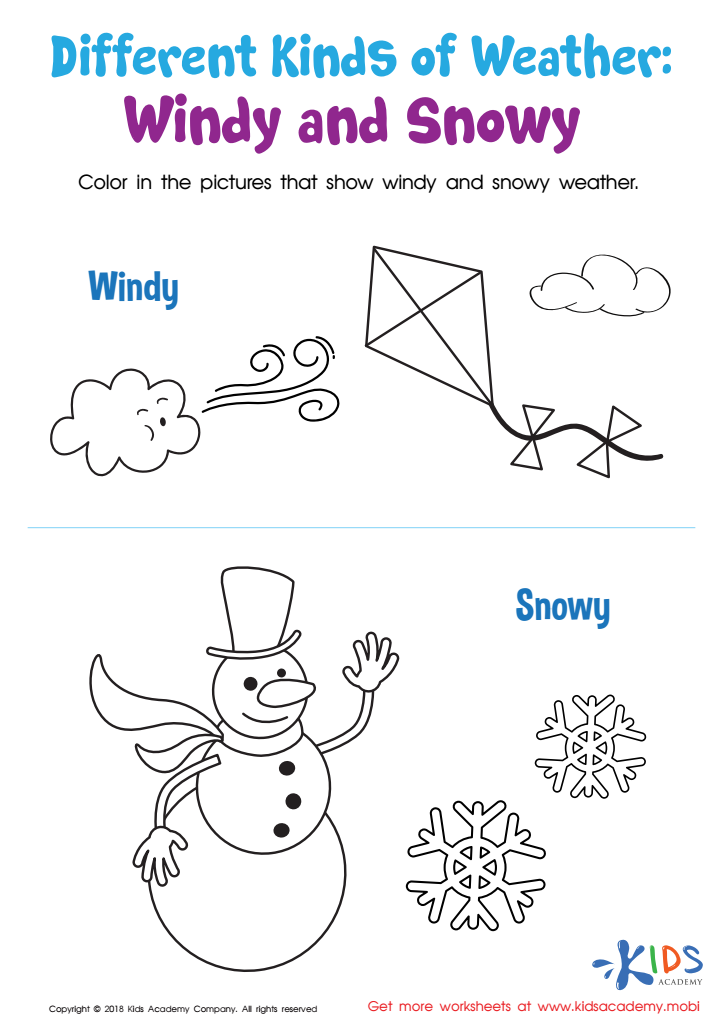
Different Kinds of Weather: Windy and Snowy Worksheet
 Assign to My Students








Understanding weather vocabulary is crucial for children ages 3-8, as it enhances their awareness of the natural world and fosters a foundational understanding of science. At an early age, kids are highly curious about their surroundings. Learning weather-related terms like "sunny," "rainy," "cloudy," and "snowy," helps them describe and make sense of everyday experiences. This basic knowledge can be both empowering and comforting, as children can better understand what they observe and why it happens.
Weather vocabulary also lays the groundwork for more complex scientific concepts they will encounter later on. It facilitates early development of critical thinking and observational skills. For example, noticing different types of clouds can lead to questions about how clouds form or why it rains, setting the stage for learning about the water cycle.
Beyond academic benefits, understanding weather vocabulary is practical for safety. Knowing the meaning of terms like "storm" or "hail" helps children react appropriately during severe weather conditions.
Moreover, discussing weather conditions encourages family conversations and can be an enjoyable, shared learning experience. By integrating weather vocabulary into daily interactions, parents and teachers teach children to observe, categorize, and articulate their surroundings, fostering both a safety-conscious mindset and a lifelong curiosity about the natural world.