Normal Tracing Words Worksheets for Ages 3-8 - Page 2
34 filtered results
-
From - To
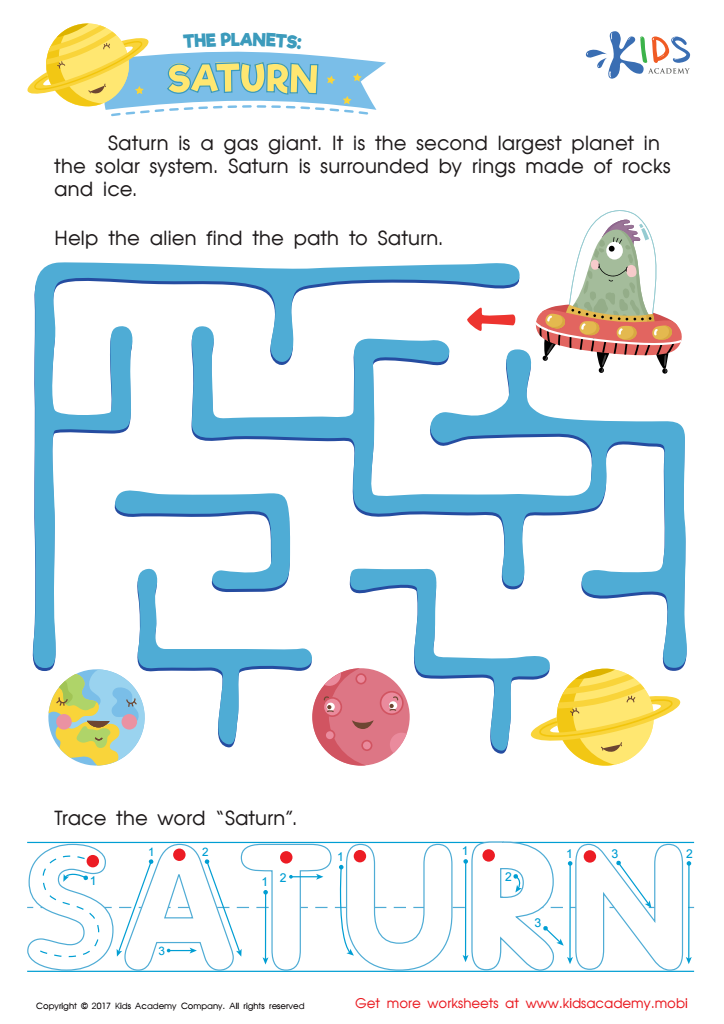
The Planets: Saturn Printable
 Assign to My Students
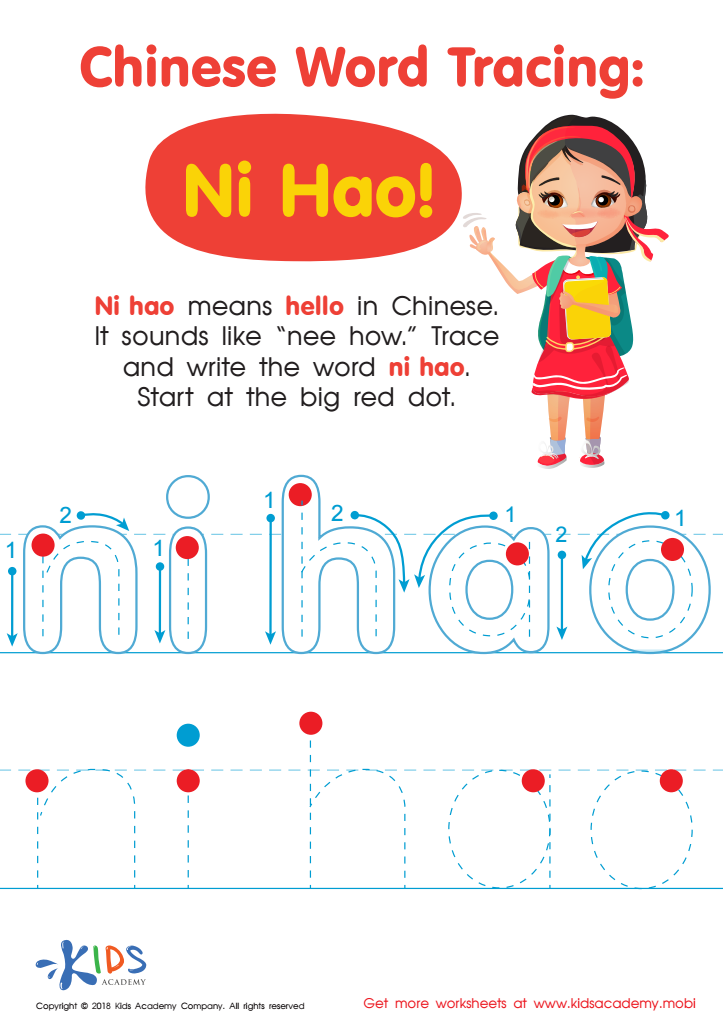
Chinese Word Tracing: Ni Hao Worksheet
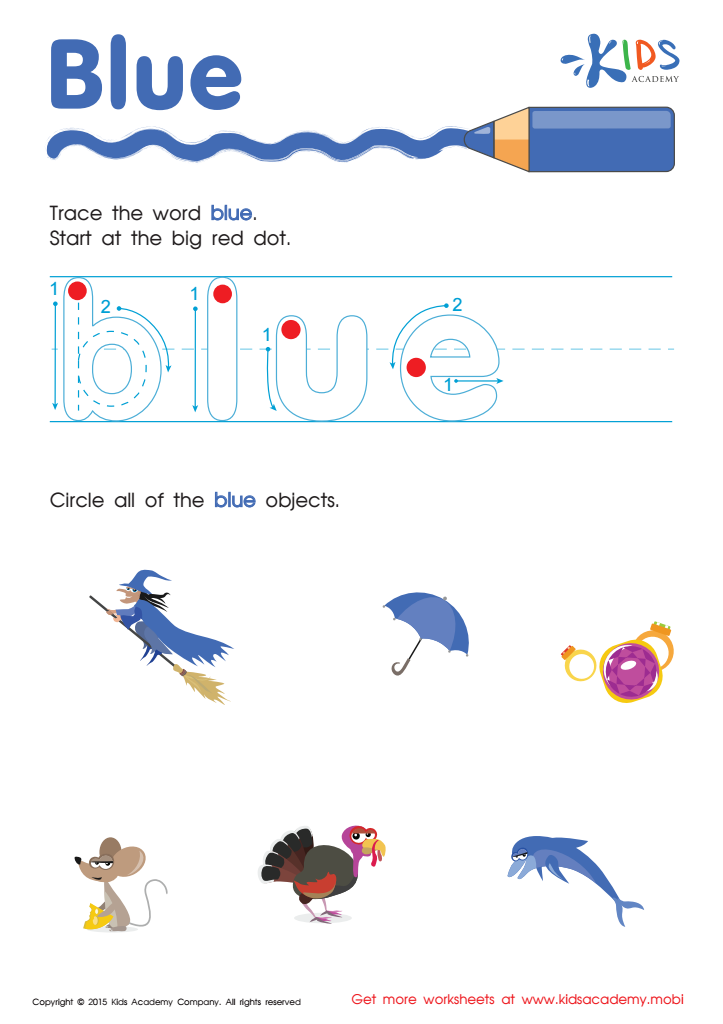
Blue Tracing Color Words Printable
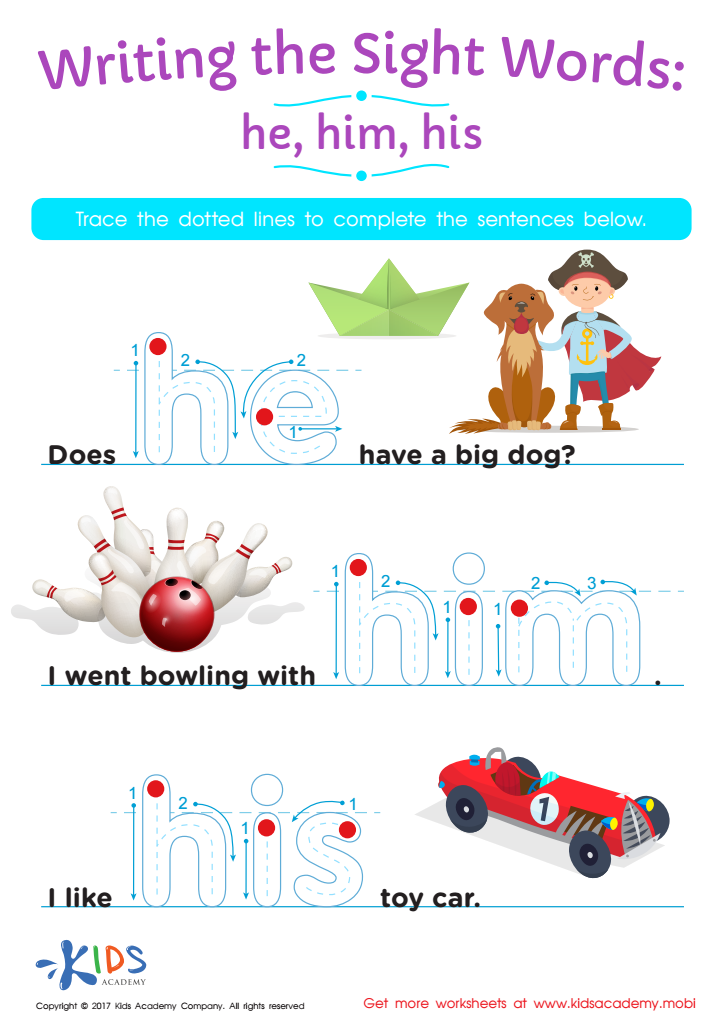
He, Him, His Printable Sight Words Worksheet
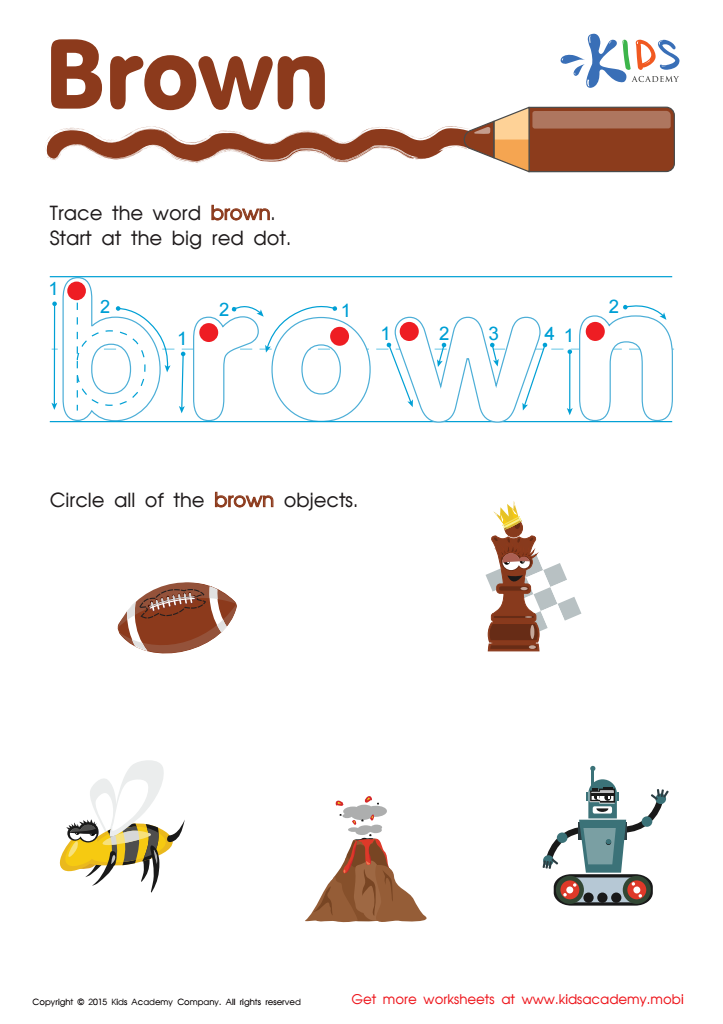
Brown Tracing Color Words Worksheet
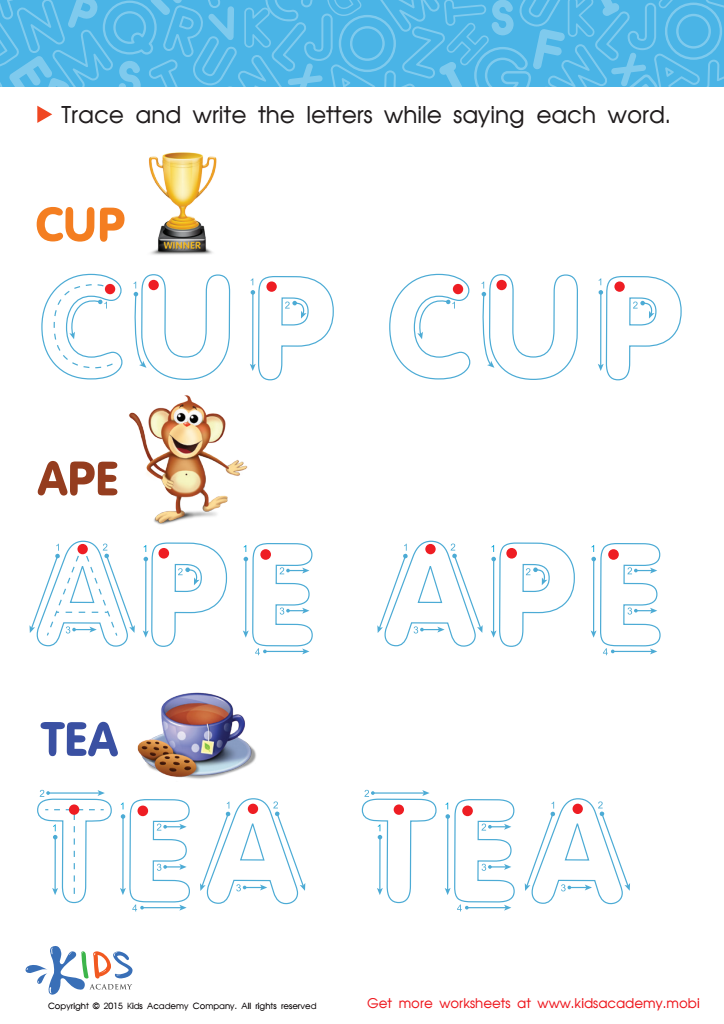
A Cup, an Ape and Tea Spelling Worksheet
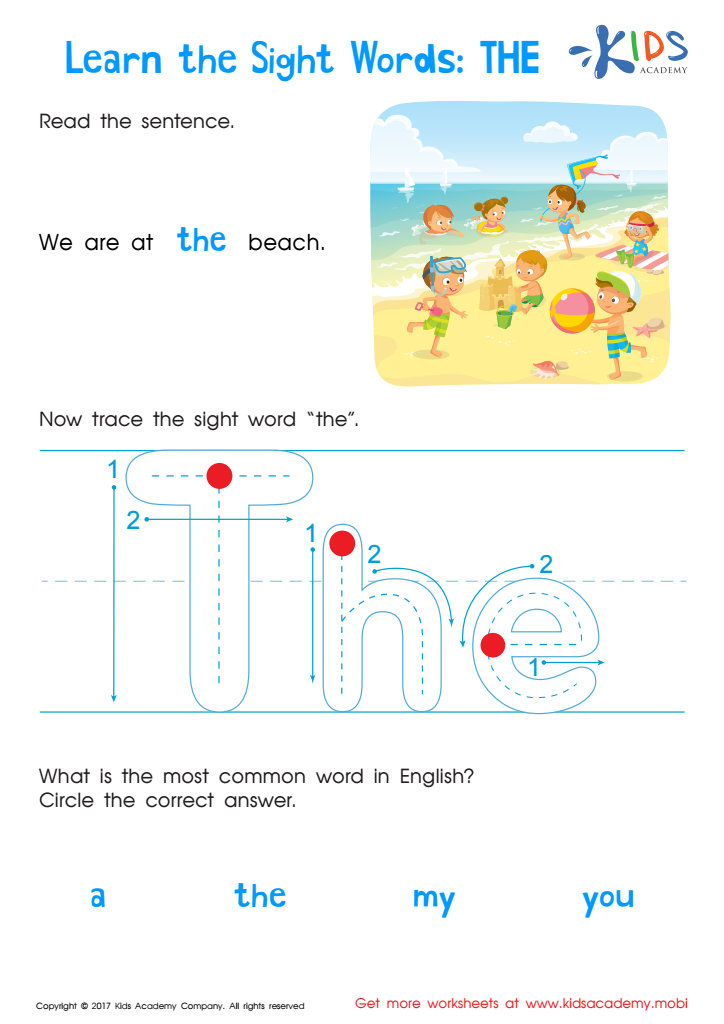
Sight Words: The Worksheet
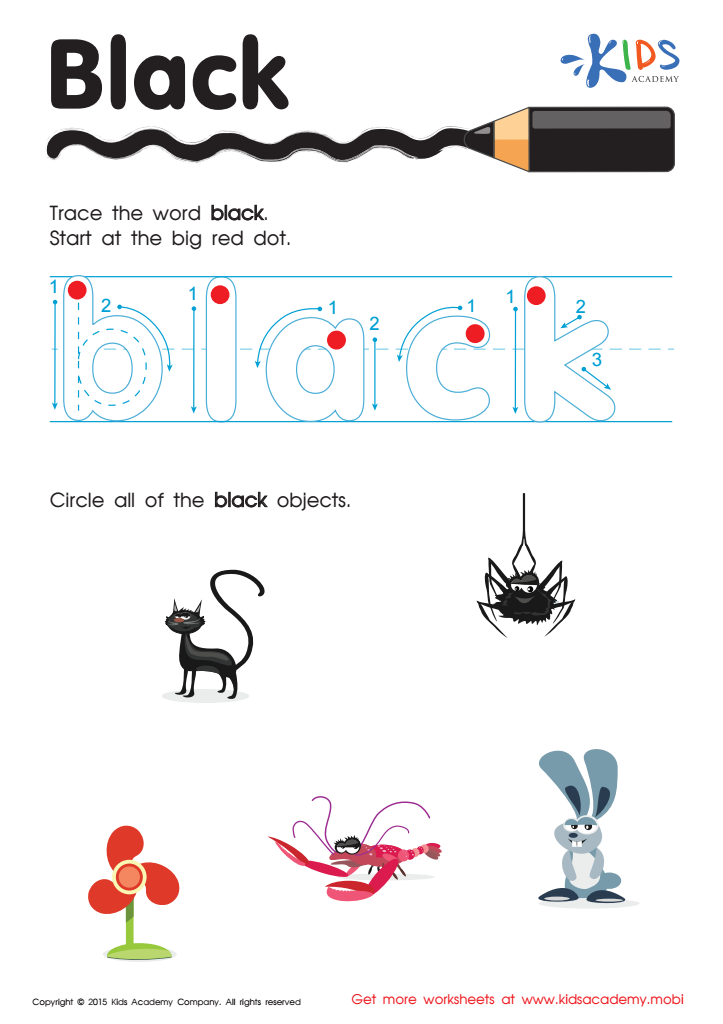
Black Tracing Color Words Printable
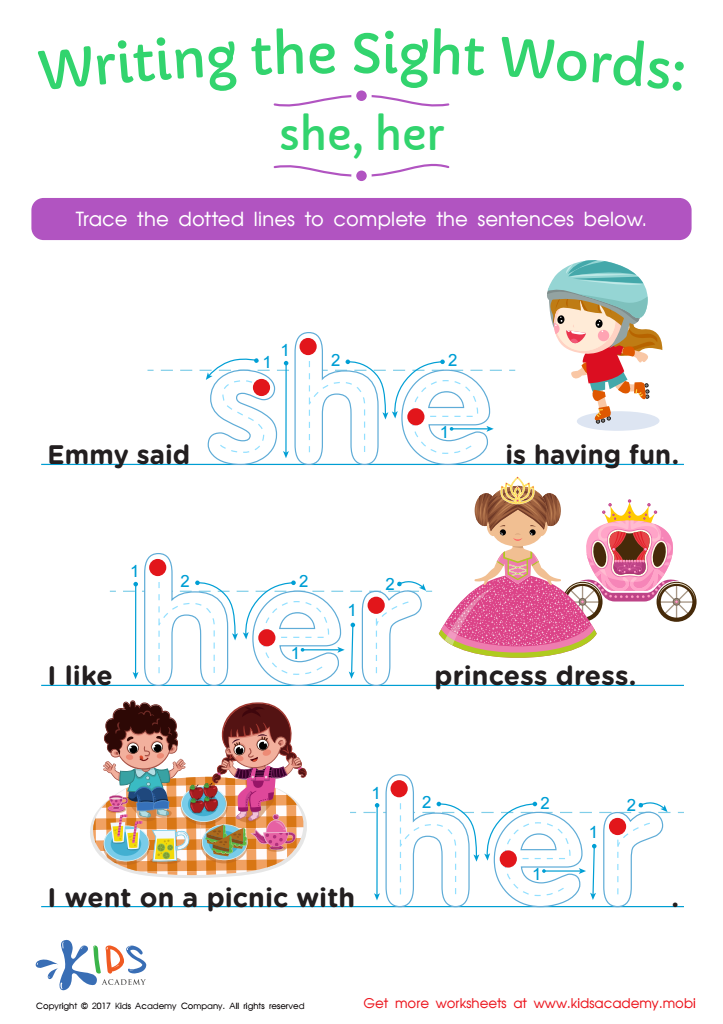
She, Her Printable Sight Words Worksheet
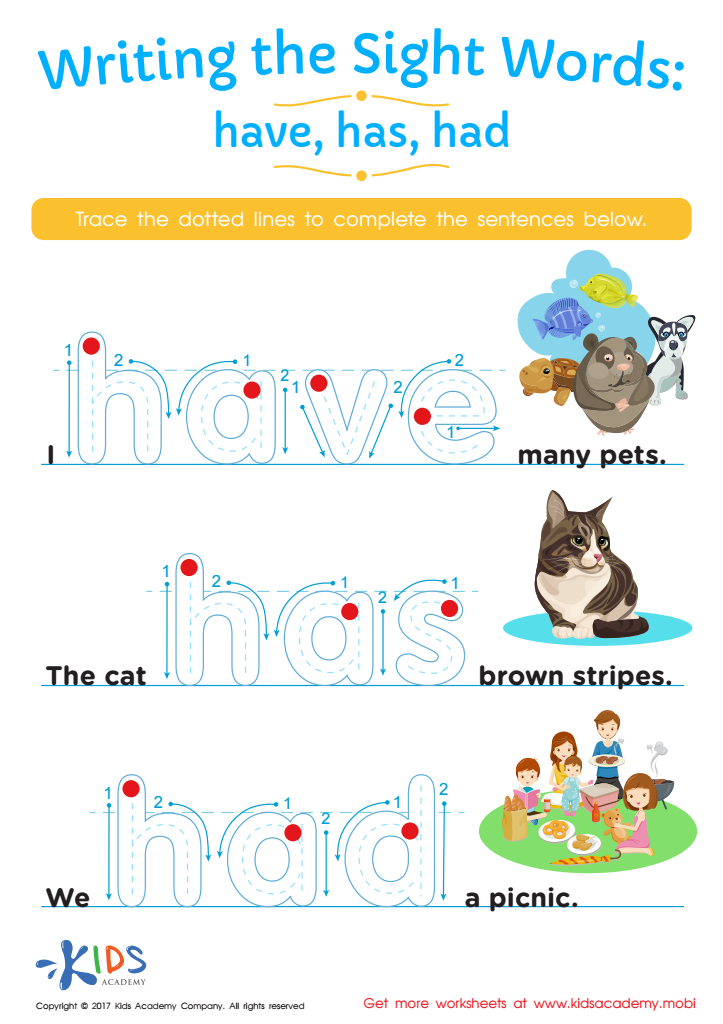
Have, Has, Had Worksheet Sight Words Worksheet







Normal tracing words for children aged 3-8 is an essential activity that parents and teachers should care about because it significantly impacts early childhood development. Firstly, tracing helps in fine motor skill development. This age group is at a crucial stage for refining their hand control, and tracing letters and words strengthens the muscles in their fingers, hands, and wrists, which prepares them for activities like writing, cutting, and buttoning.
Secondly, tracing words introduces children to letter recognition and phonics. As they trace each letter, they become familiar with its shape and start associating the letter with its corresponding sound. This foundational skill is important for future reading and writing proficiency, enhancing overall literacy.
Moreover, tracing words aids in the understanding of word formation and sentence structure. By practicing commonly used words, children start recognizing them, which can improve their vocabulary and reading fluency.
Additionally, tracing activities often stimulate cognitive development by promoting concentration, attention to detail, and pattern recognition. These skills are crucial not just for academic success but for everyday problem-solving and critical thinking.
Furthermore, performing these tasks can instill a sense of accomplishment in young children, boosting their confidence and willingness to engage in more complex learning activities. Recognizing these diverse benefits underlines why tracing words should be a priority for caregivers and educators aiming to support comprehensive childhood development.