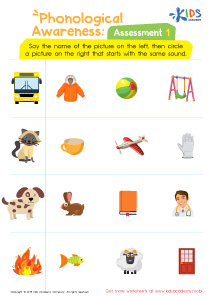
Phonics Skills Normal Elementary Phonics Worksheets for Ages 3-9
4 filtered results
-
From - To
Discover essential phonics skills worksheets designed for children ages 3 to 9 at Kids Academy! Our elementary phonics worksheets focus on helping young learners master the building blocks of reading through engaging activities that are both fun and educational. Each worksheet is crafted to enhance letter recognition, sound association, and phonemic awareness, laying a strong foundation for effective reading skills. With vibrant illustrations and age-appropriate exercises, your child will enjoy practicing critical phonics skills while developing a love for learning. Perfect for parents and educators alike, our worksheets provide a seamless way to support early literacy development. Start the phonics journey today!
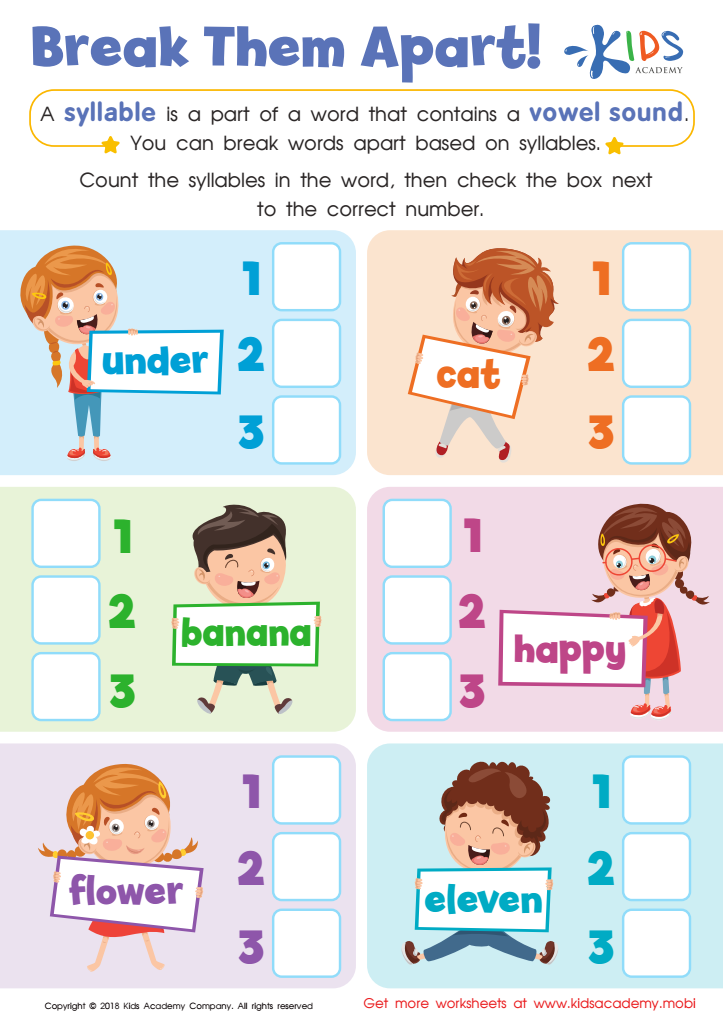
Reading: Break Them Apart Worksheet
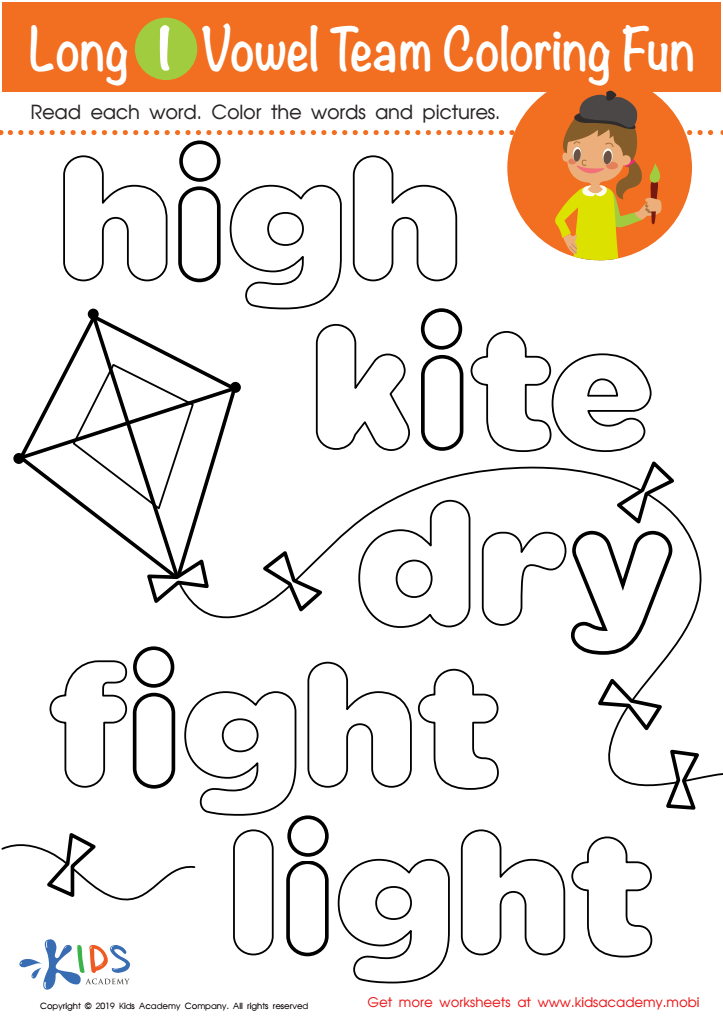
Long I Vowel Team Coloring Worksheet
 Assign to My Students

Long and Short E Worksheet
Assign to My Students
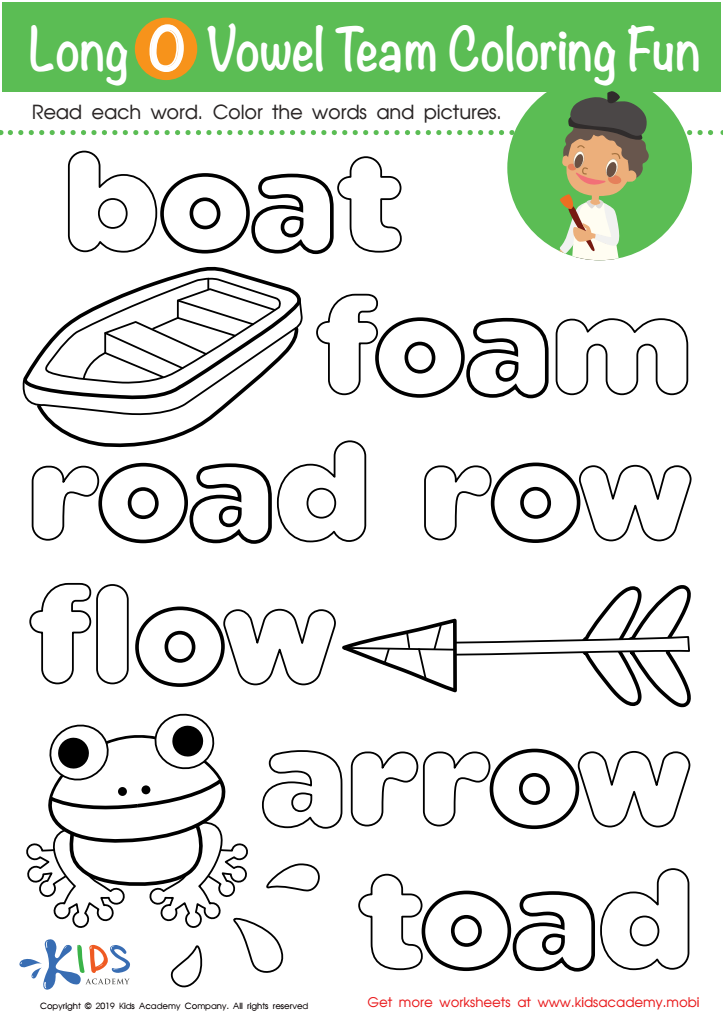
Long O Vowel Team Coloring Worksheet
Assign to My Students




Phonics skills are foundational for young readers aged 3-9, making them crucial for parents and teachers to prioritize. At this age, children learn how sounds correspond to letters; this understanding is imperative for reading and writing. Good phonics education enhances children's ability to decode words, which fosters their confidence and fluency.
Research shows that strong phonics skills improve literacy outcomes, allowing children to comprehend texts earlier. Recognizing sounds and blends enables early readers to tackle unfamiliar words, enhancing their vocabulary and overall communication skills. Phonics also supports further academic success, as reading proficiency is linked to performance across subjects.
Moreover, engaging in phonics activities can be a fun, interactive experience, strengthening parent-child and teacher-student bonds. By incorporating phonics into daily routines—like reading aloud, singing songs, and playing rhyming games—adults make learning enjoyable and meaningful.
Ultimately, building solid phonics skills in early childhood sets the stage for lifelong reading habits, creating enthusiastic learners who can engage effectively with the world. In a society increasingly driven by information, equipping children with these skills early on is a critical investment in their future educational success and personal development.