Phonics development Normal Alphabet Worksheets for Ages 3-9
3 filtered results
-
From - To
Discover the perfect foundation for your child's reading journey with our "Phonics Development Normal Alphabet Worksheets for Ages 3-9"! These expertly designed worksheets from Kids Academy blend fun and learning, catering specifically to young readers. Your child will build essential phonics skills by learning letter sounds, blending, and word formation, paving the way for reading success. Each colorful worksheet engages children with captivating activities and visuals, transforming study time into an exciting adventure. Ideal for teachers and parents, these worksheets ensure a comprehensive, age-appropriate approach to phonics. Unlock your child's reading potential today!
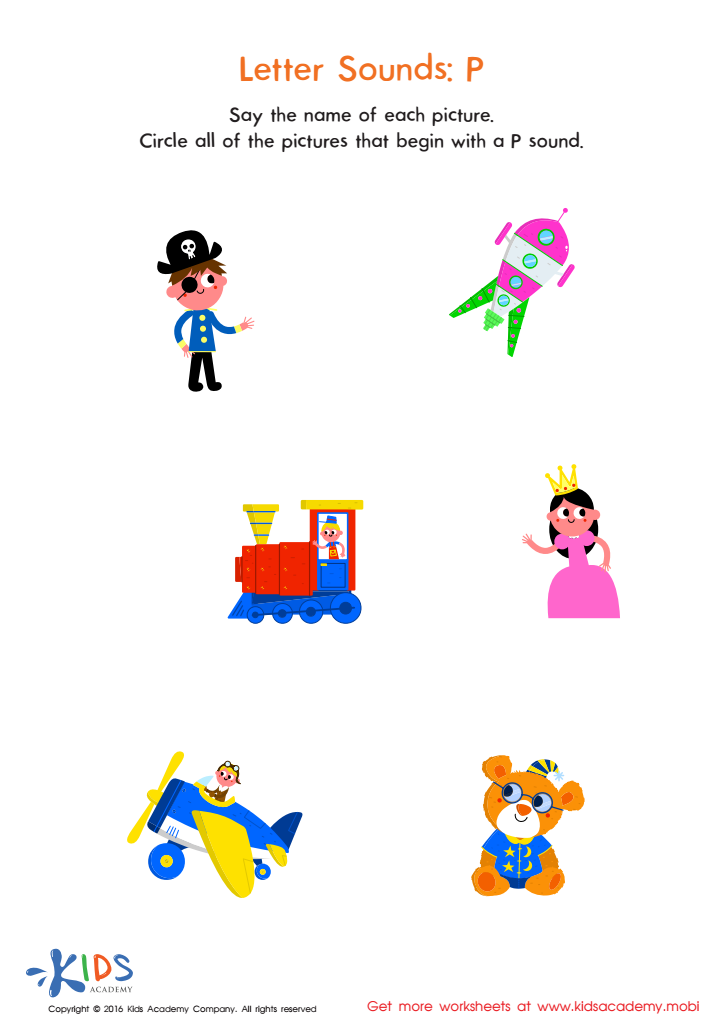
Letter P Sound Worksheet
 Assign to My Students
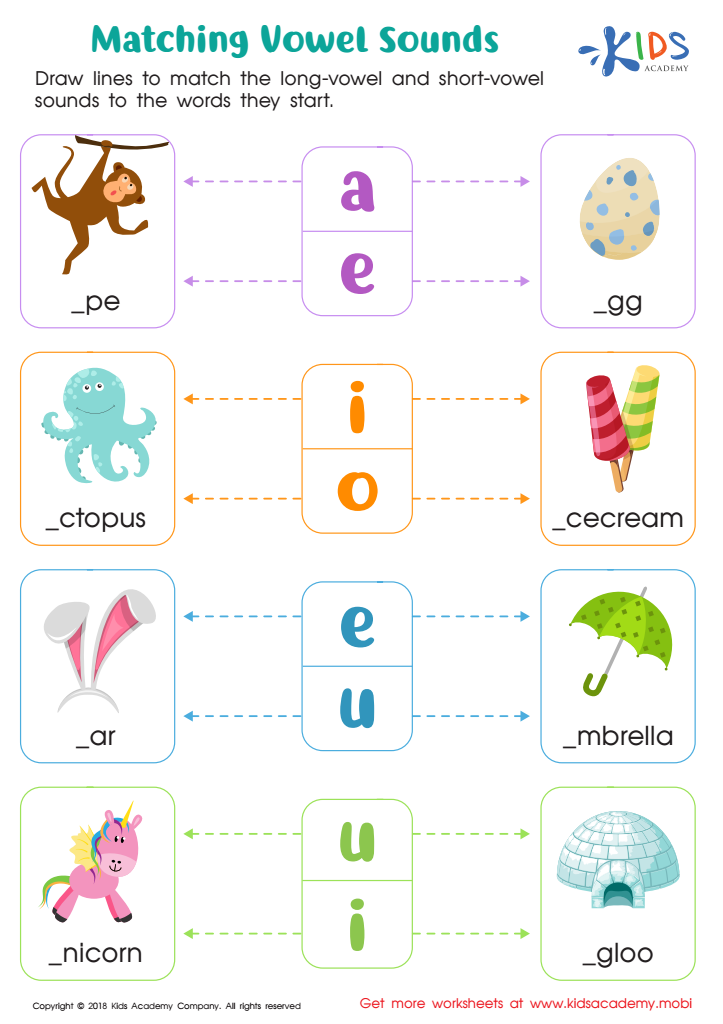
Matching Vowel Sounds Worksheet
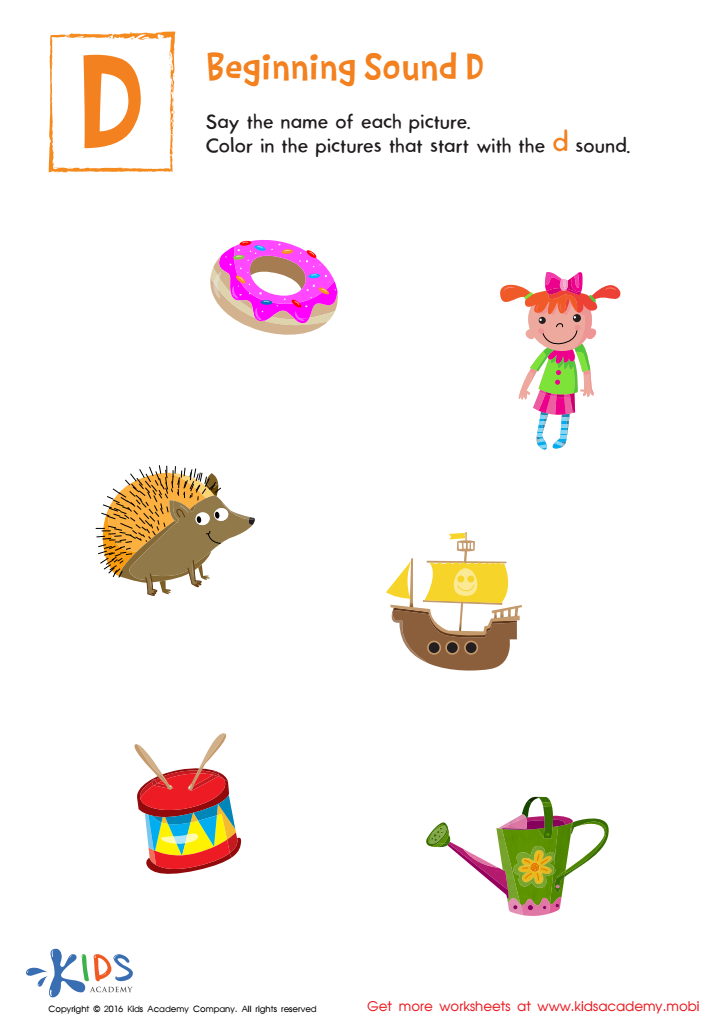
Beginning Sound D Worksheet


.jpg)





Phonics development using the Normal Alphabet for children aged 3-9 is essential as it fundamentally shapes their early reading and writing abilities. Phonics is the method of teaching reading by correlating sounds with letters or groups of letters. Mastering phonics enables young learners to decode words, fostering fluent reading which is foundational for academic success across all subjects.
For parents, investing in phonics development means giving their children a strong start in literacy. It aids in building vocabulary, comprehension, and communication skills. Engaged readers often become confident learners who enjoy school and perform better.
Teachers benefit significantly from incorporating phonics into their curriculum. It provides a structured way to introduce children to reading and spelling; early intervention can mitigate future learning difficulties. Through regular phonics instruction, educators can identify and address learning gaps sooner.
Moreover, phonics emphasize systematic learning, where children gradually transition from recognizing individual letter sounds to blending them into words. This step-by-step approach can be empowering for young learners, fostering a sense of achievement and boosting their self-esteem.
Ultimately, a focus on phonics in the formative years builds the foundation for lifelong literacy, critical thinking, and a love for learning, setting students on a path to academic success and personal growth.







