Phonics recognition Normal Alphabet Worksheets for Ages 3-9
14 filtered results
-
From - To
Explore our collection of Phonics Recognition Normal Alphabet Worksheets, specifically designed for children ages 3-9. These engaging worksheets encourage early literacy by helping young learners recognize letters and their sounds. Featuring fun illustrations and interactive exercises, our materials make phonics practice enjoyable and effective. Ideal for homeschooling, classroom settings, or extra practice at home, these worksheets cater to various learning styles and developmental levels. Enhance your child’s reading readiness and phonemic awareness with activities that promote comprehension and retention. Download and print our user-friendly resources today, and watch your child gain confidence in their reading skills as they embark on their literacy journey!
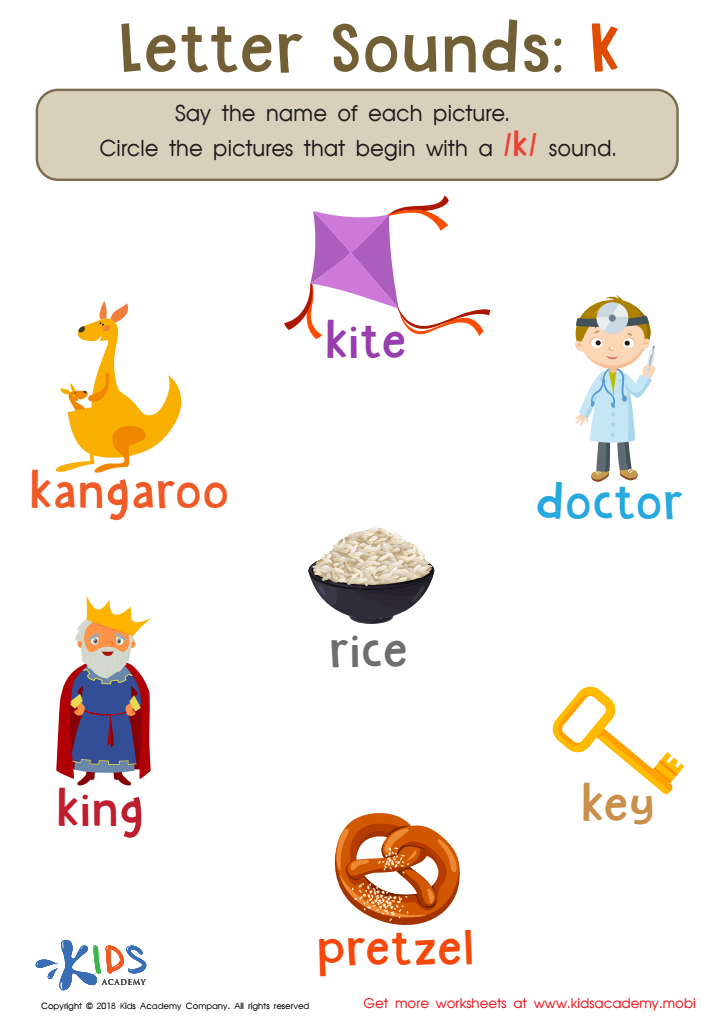
Letter K Sounds Worksheet
 Assign to My Students
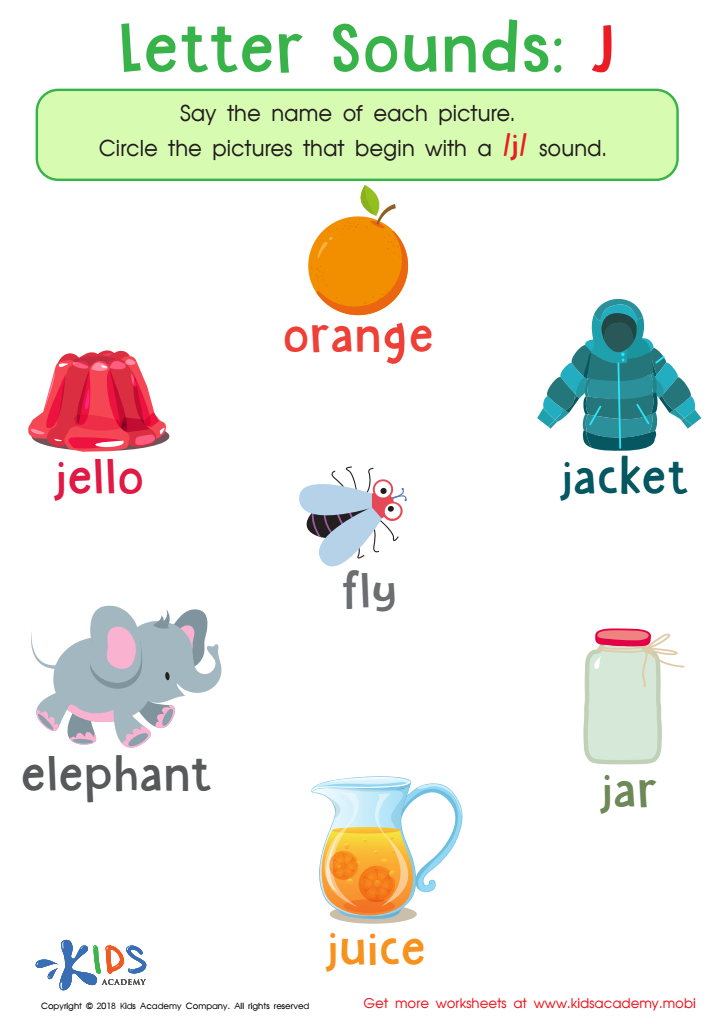
Letter Sounds: J Printable Worksheet
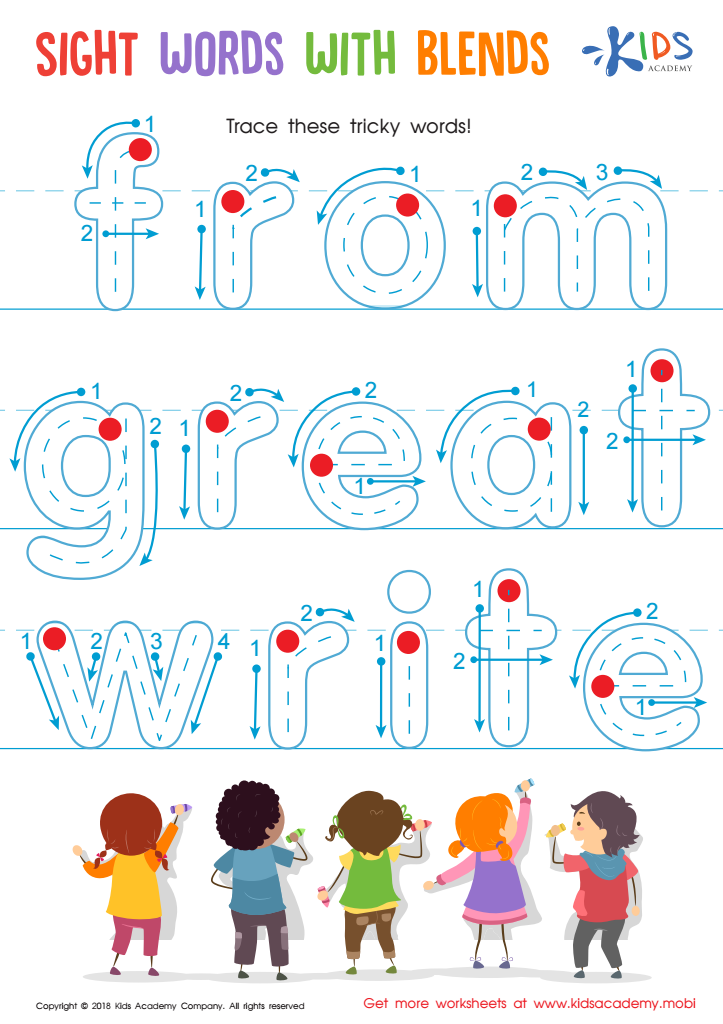
Sight Words with Blends Worksheet
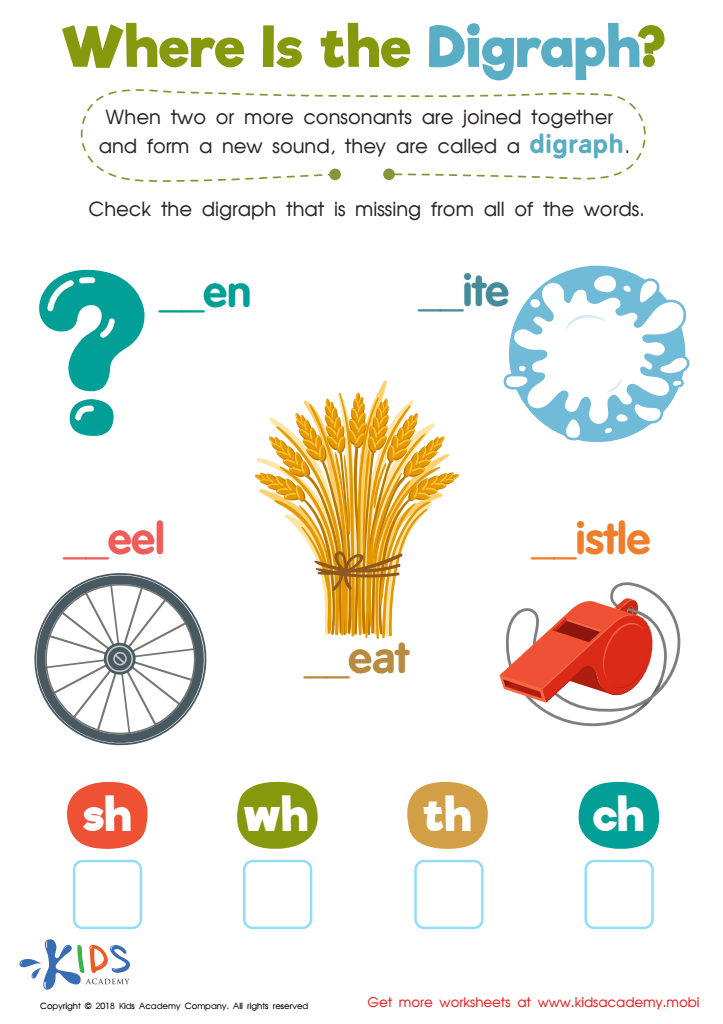
Where Is the Digraph? Worksheet
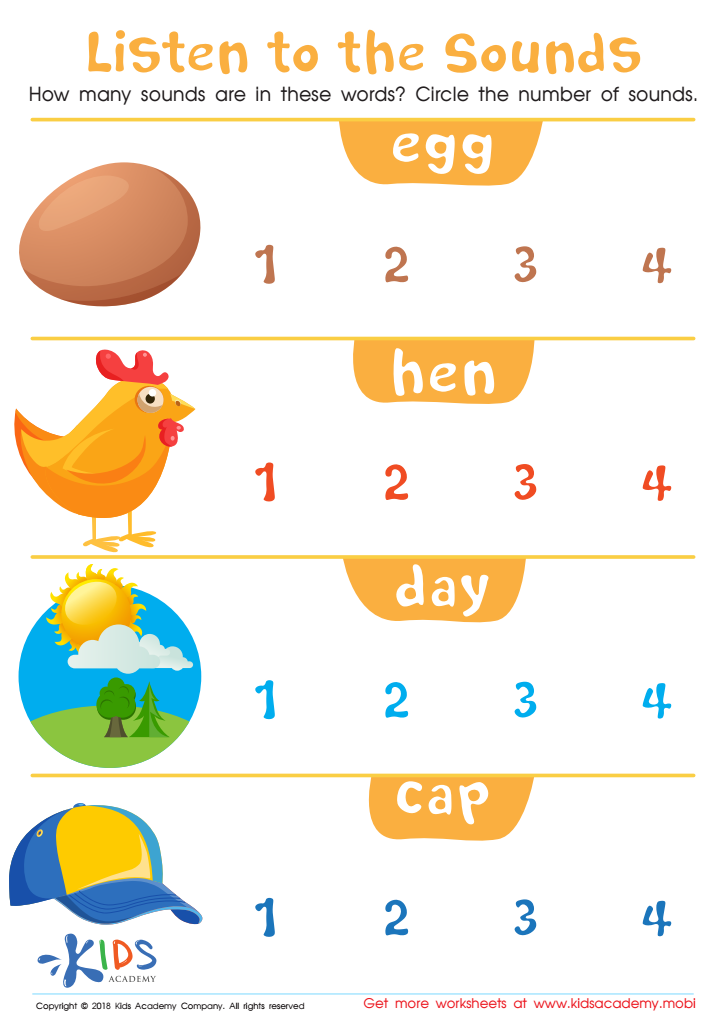
Listen to the Sounds Worksheet
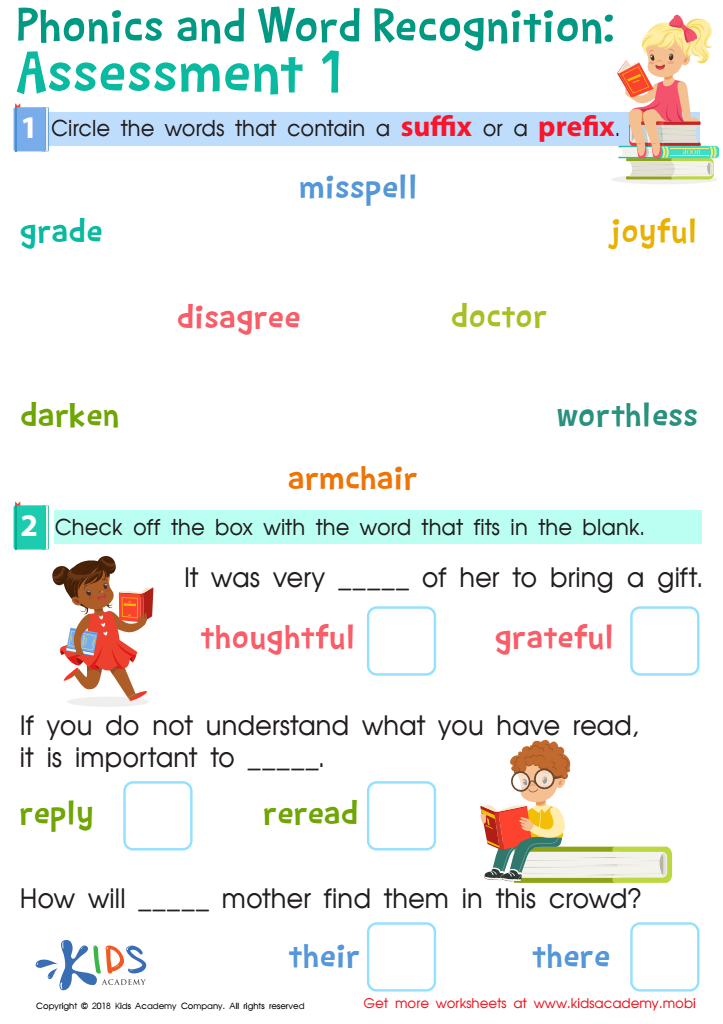
Phonics and Word Recognition: Assessment 1 Worksheet
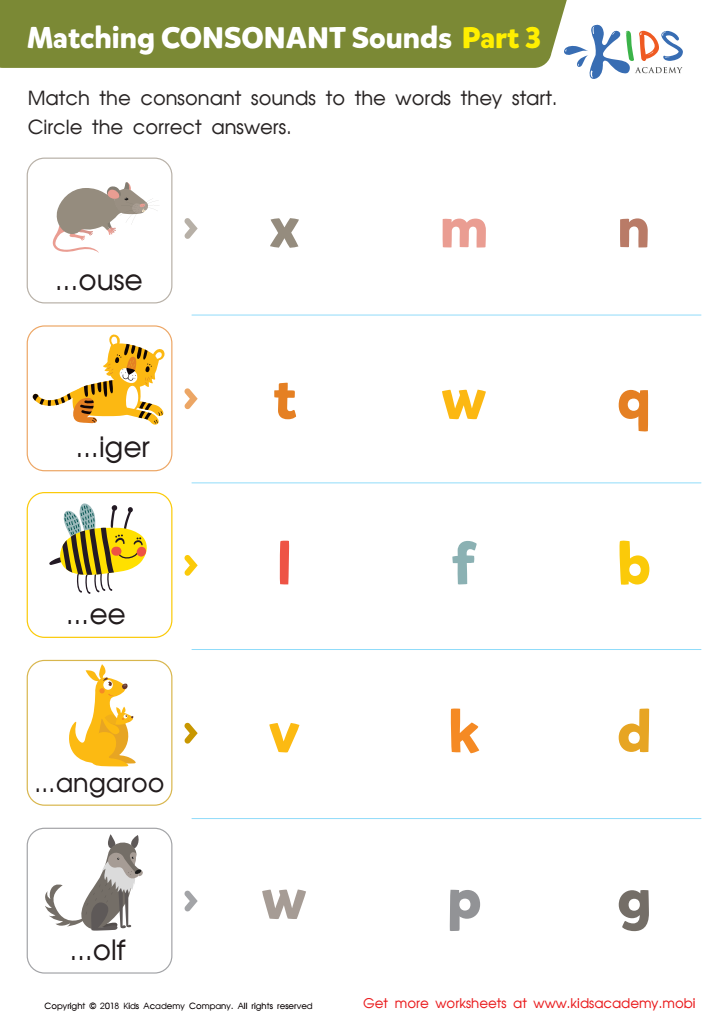
Matching Consonant Sounds: Part 3 Worksheet
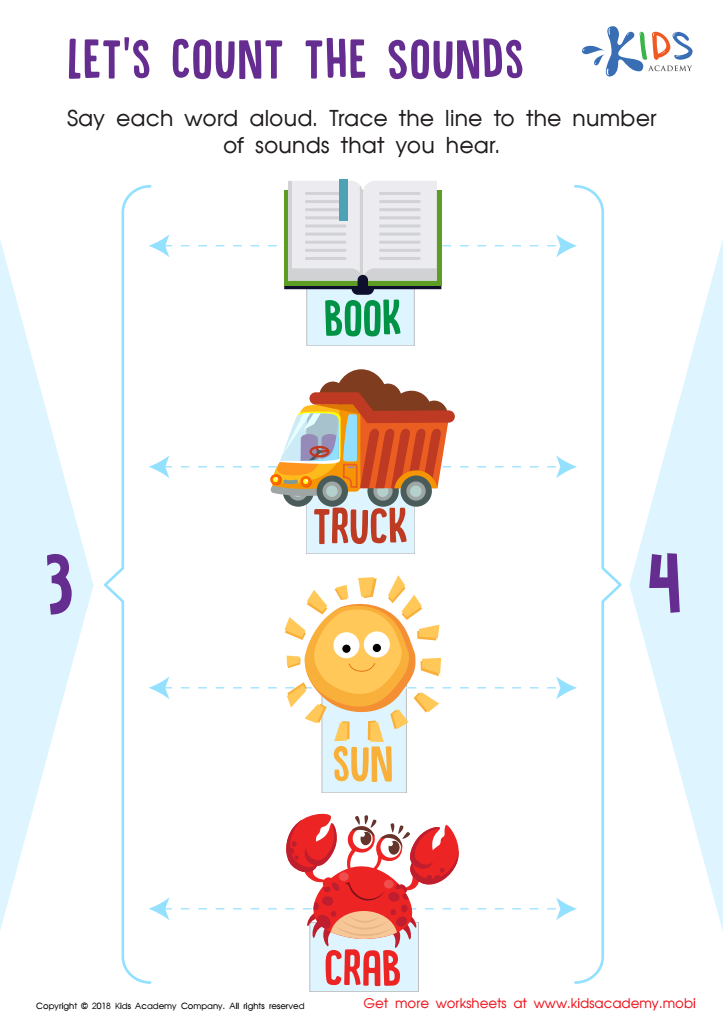
Let's Count the Sounds Worksheet
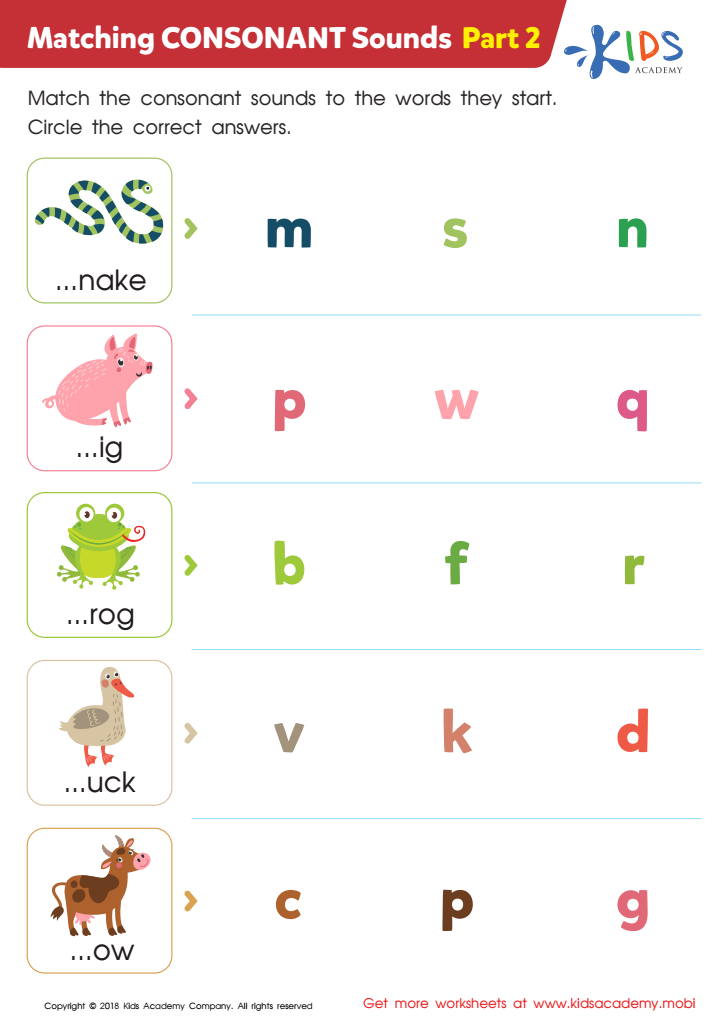
Matching Consonant Sounds: Part 2 Worksheet
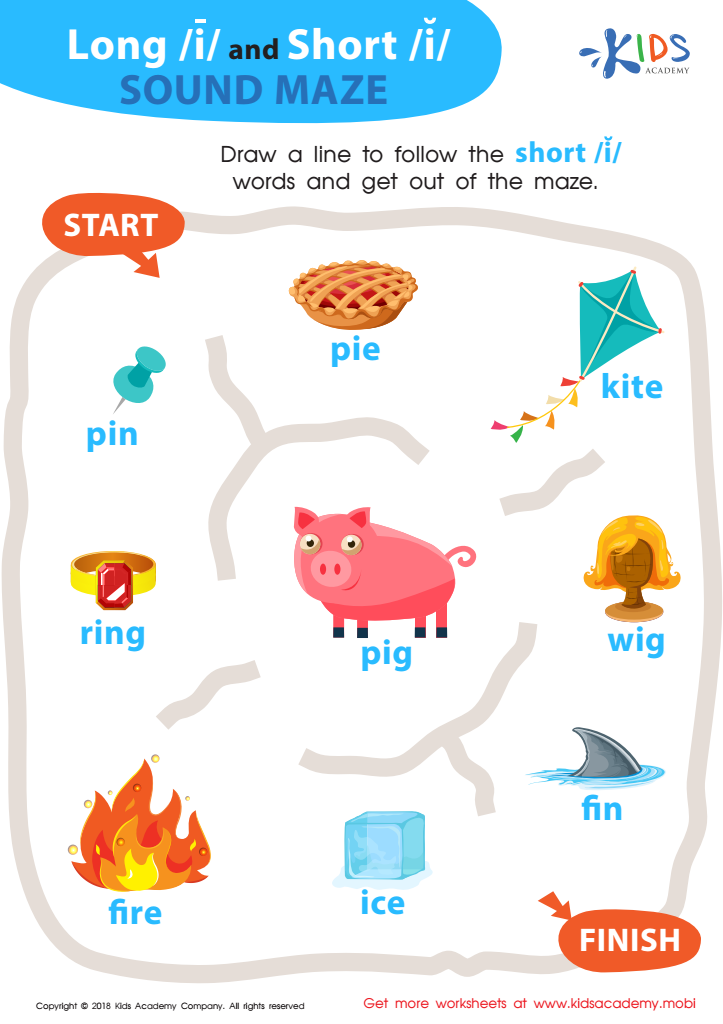
Reading: Long I and Short I Sound Maze Worksheet
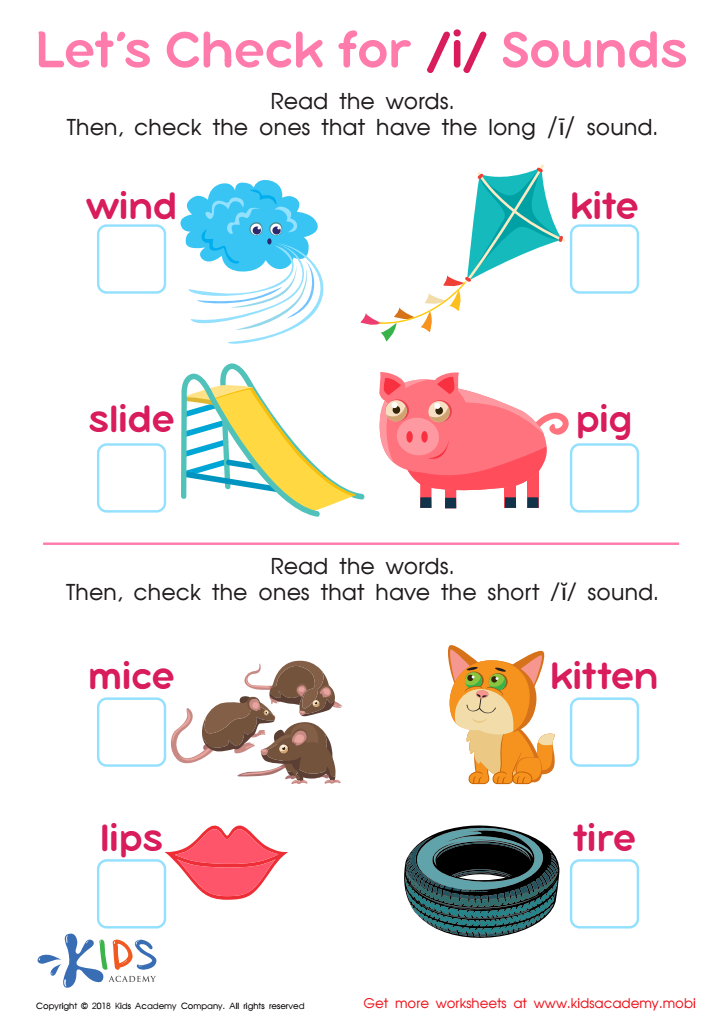
Let's Check for «i» Sounds Worksheet
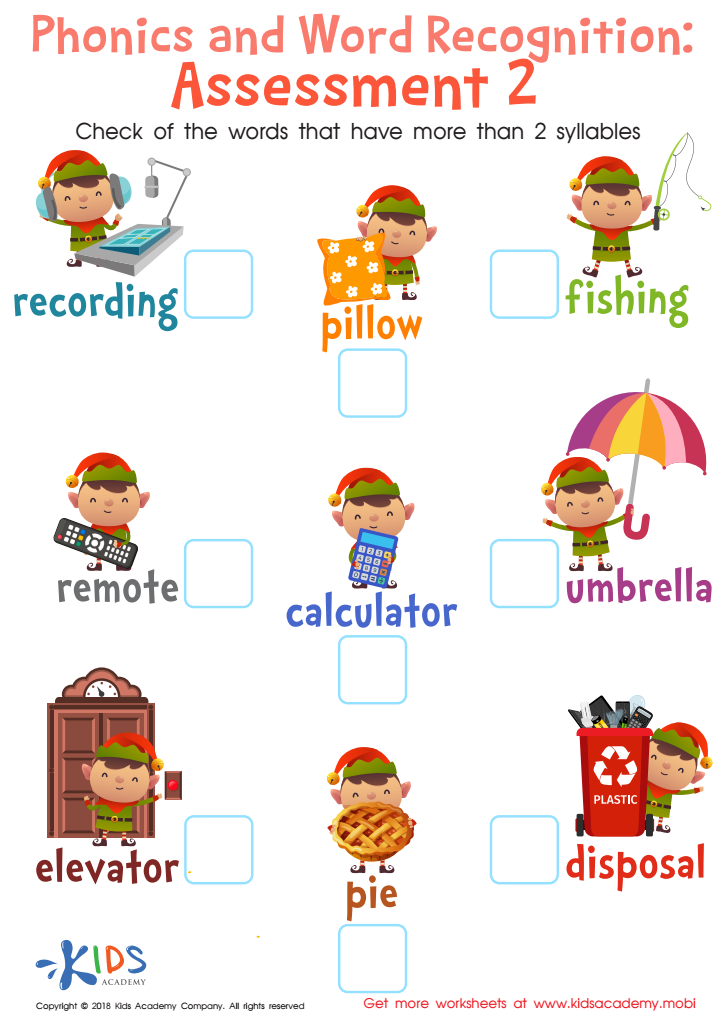
Phonics and Word Recognition: Assessment 2 Worksheet
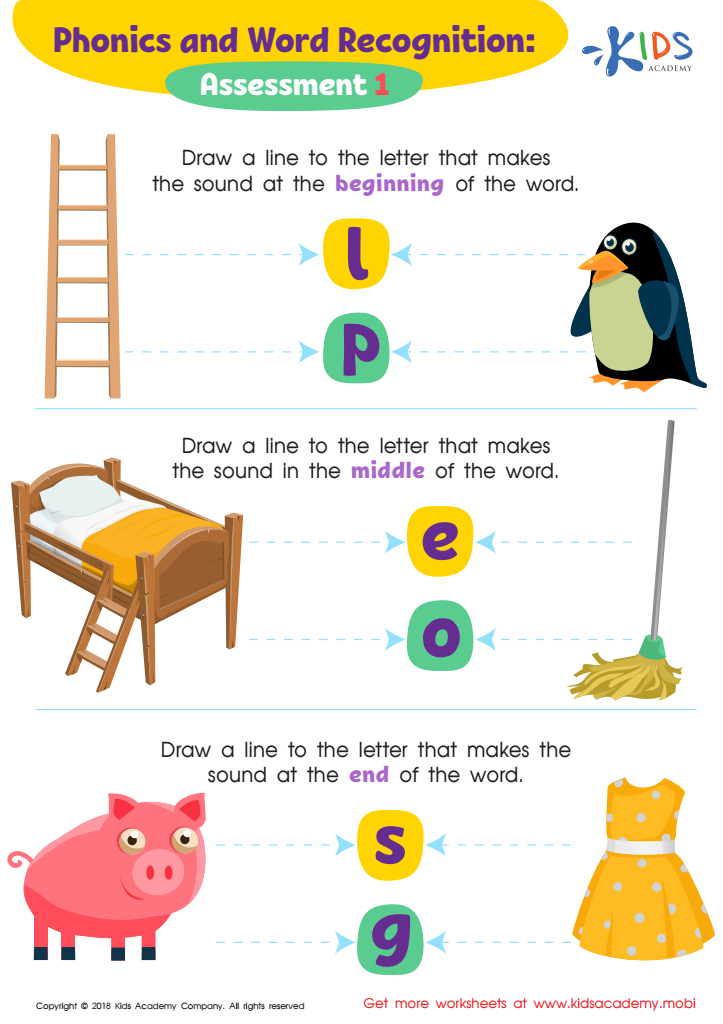
Phonics and Word Recognition: Assessment 1 ELA Worksheet
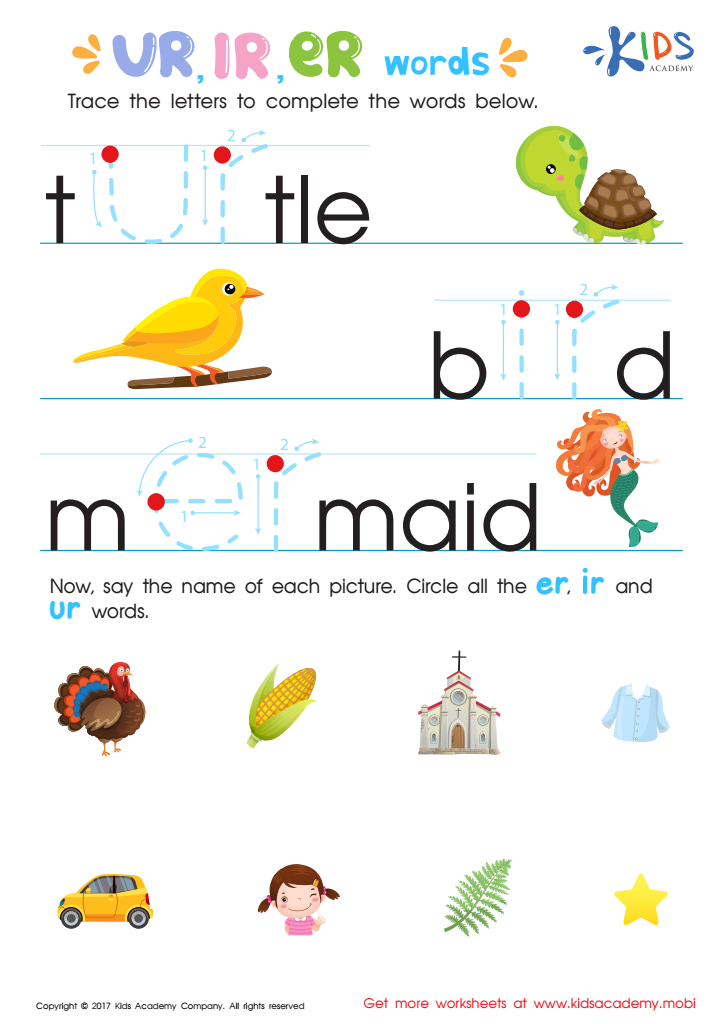
IR UR ER Words Worksheet








Phonics recognition is a crucial skill for children aged 3-9 as it lays the foundation for reading and writing. This early stage of literacy development involves connecting sounds with letters, enabling children to decode and encode words effectively. Parents and teachers should prioritize phonics recognition because it enhances children's phonemic awareness, which is essential for breaking down words into manageable parts.
By mastering phonics, children become more confident readers, boosting their overall language skills. Early reading proficiency correlates with academic success across subjects, leading to higher self-esteem and a greater love for learning. Furthermore, phonics programs help children with learning difficulties, as the structured approach breaks down complex language concepts into simpler, digestible pieces.
Additionally, as children interact with phonics through games, songs, and activities, they develop critical listening and cognitive skills. Parents and teachers must also recognize the long-term implications; children who struggle with phonics may experience ongoing challenges in literacy, impacting their educational journey well into later years.
Ultimately, nurturing phonics recognition ensures that children build a solid literacy foundation, paving the way for future learning and fostering a lifelong passion for reading. Investing time and resources in phonics equips children for a successful academic future.







