Enhance your child's writing skills with our "Normal Alphabet Worksheets" designed for ages 3-9. These engaging worksheets feature clear and simple letter formations, allowing young learners to practice uppercase and lowercase letters through fun exercises. Ideal for both preschool and early elementary students, these resources support letter recognition and fine motor development. Our printable worksheets promote independent learning, making it easy for parents and educators to guide children in mastering the alphabet. With a variety of activities tailored to every learning style, your child will enjoy building confidence and penmanship skills while reaching vital early literacy milestones. Explore our collection today!

Check out this FREE Trial Lesson on Alphabet for age 3-9!

A

Favorites
With answer key
Interactive
  • 3-9
  • Writing practice
  • Alphabet
  • Normal
Short Vowel /a/ Worksheet

Short Vowel /a/ Worksheet

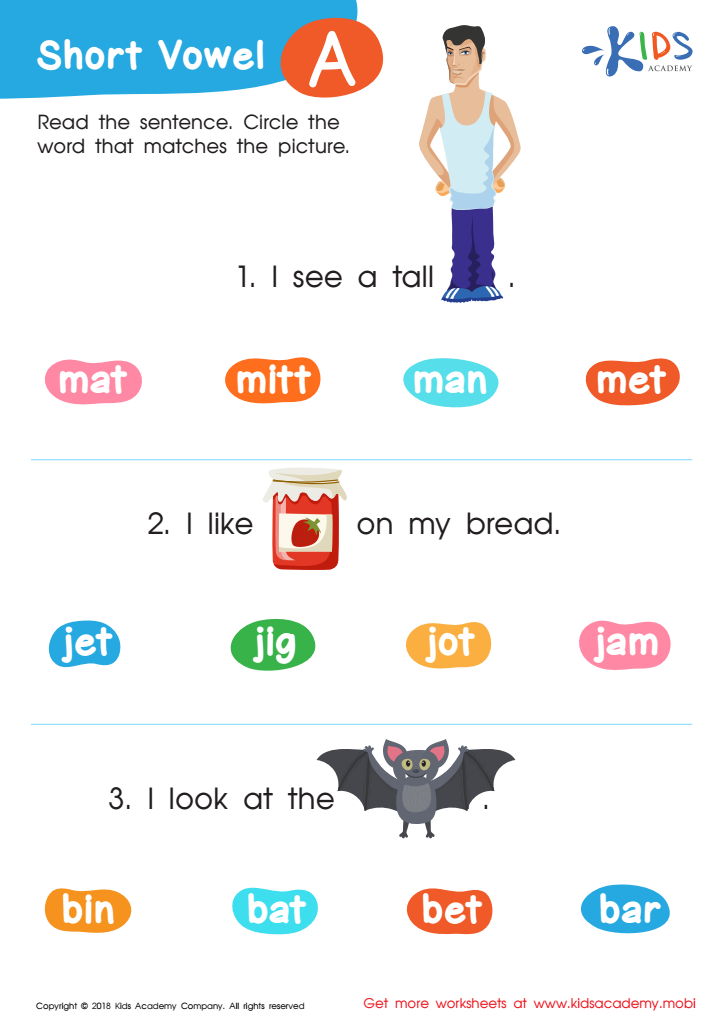
This free PDF helps new readers use sight words and pictures to read basic sentences. Then, they use accompanying word choices to find the correct word with the short a vowel sound. A key early reading skill, discriminating between short vowel sounds can be tricky in monosyllabic words, so use this PDF to help your reader reinforce it.
Short Vowel /a/ Worksheet
Worksheet
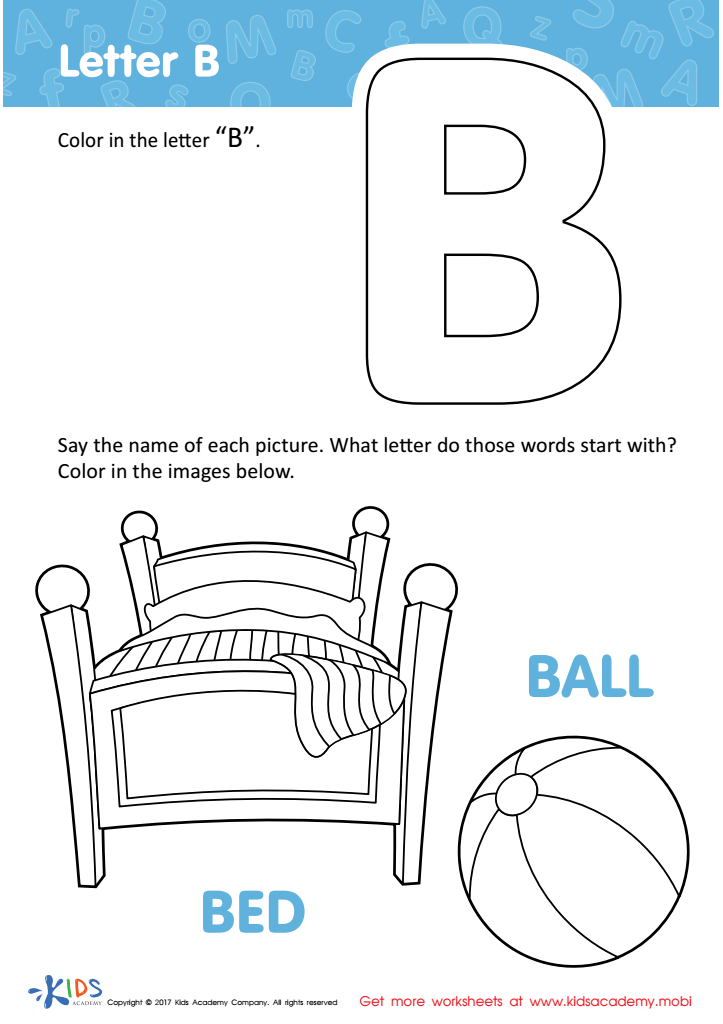
Letter B Coloring Page

Letter B Coloring Sheet

Kids will love coloring this page that features things they like - balls, bubbles, bugs and bedtime - all words starting with "B"! It's a great way to introduce the alphabet and increase their exposure to letters and sounds. Let them have fun and learn at the same time!
Download (PDF)
Assign to My Students
Letter B Coloring Sheet
Worksheet
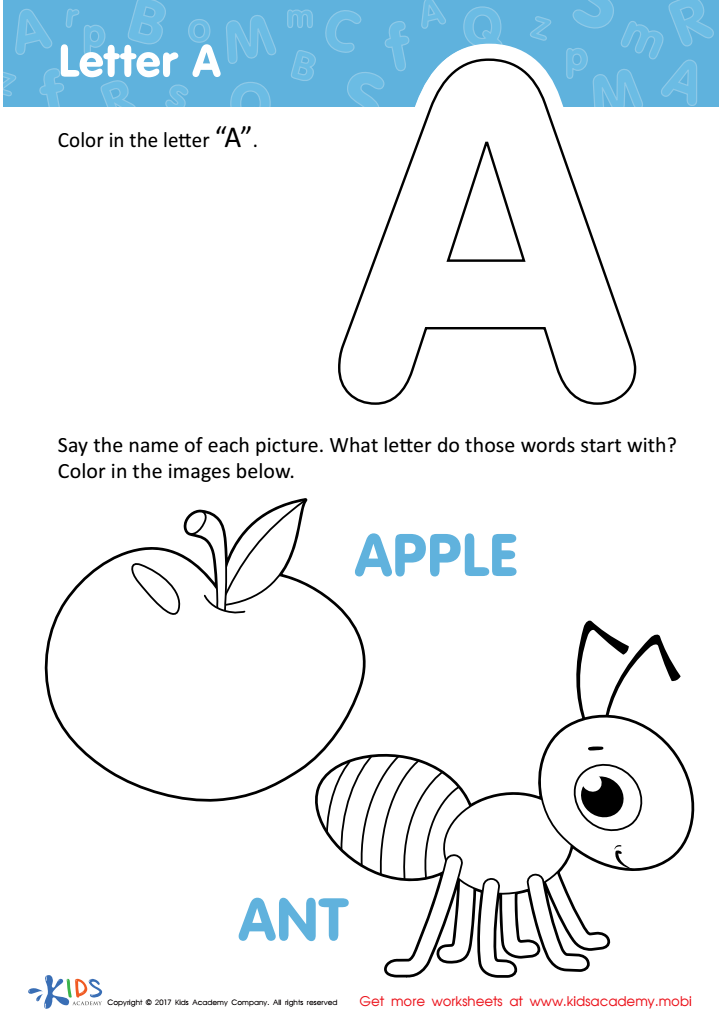
Letter a Coloring Page

Letter A Coloring Sheet

This letter "A" coloring page is great for introducing kids to the alphabet! Let them exercise their creativity while they learn to recognize letters and sounds - it's a fun and easy way to help them get started.
Download (PDF)
Assign to My Students
Letter A Coloring Sheet
Worksheet
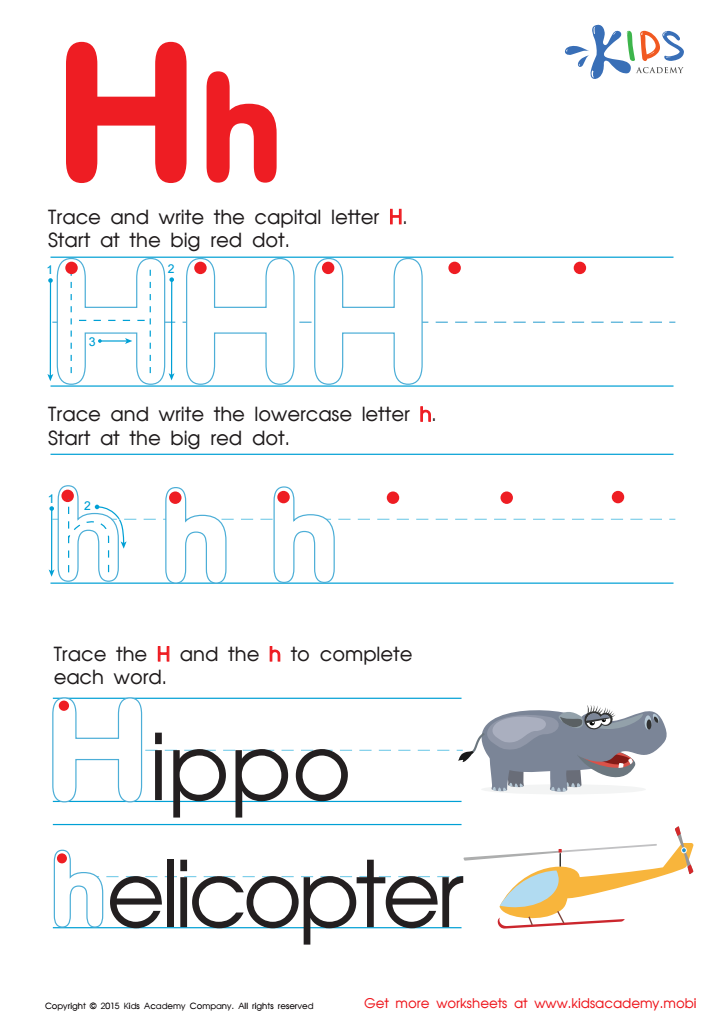
Letter H worksheets
Letter H worksheets

Letter H Tracing Page

Trace the letter "H", then practice writing its lowercase form. Finally, choose your favorite form of transport and ride away! Get our worksheets to make learning fun and easy.
Letter H Tracing Page
Worksheet
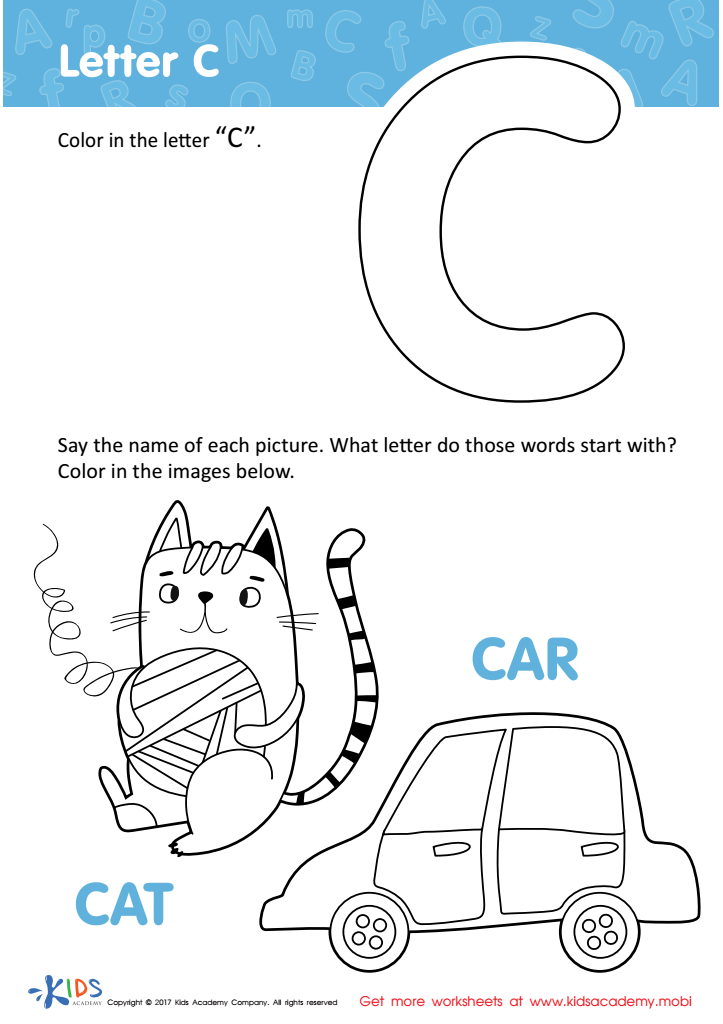
Letter C Coloring Page

Letter C Coloring Sheet

Introduce kids to the letter 'C' with this fun coloring page! Exposing little ones to letters, words, and sounds helps them learn long before they can read. Start with simple words like 'cat' and 'car' - these are great first sight words for young children.
Download (PDF)
Assign to My Students
Letter C Coloring Sheet
Worksheet
Recognize Letters l and i Worksheet

Recognize Letters l and i Worksheet

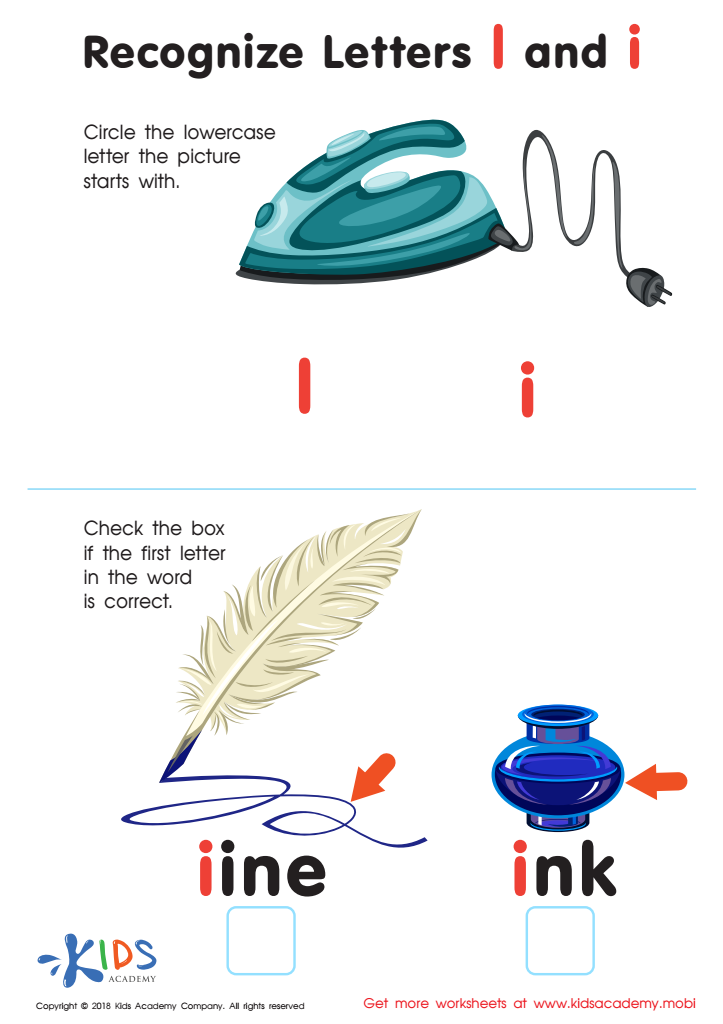
Help your child become familiar with uppercase and lowercase letters. Have them look at the pictures in the worksheet and circle the lowercase letter the picture starts with. For example: which one is the lowercase "i", the capital "I" or the small "i"?
Recognize Letters l and i Worksheet
Worksheet
Letter H and I Sounds Worksheet


Letter H and I Sounds Worksheet

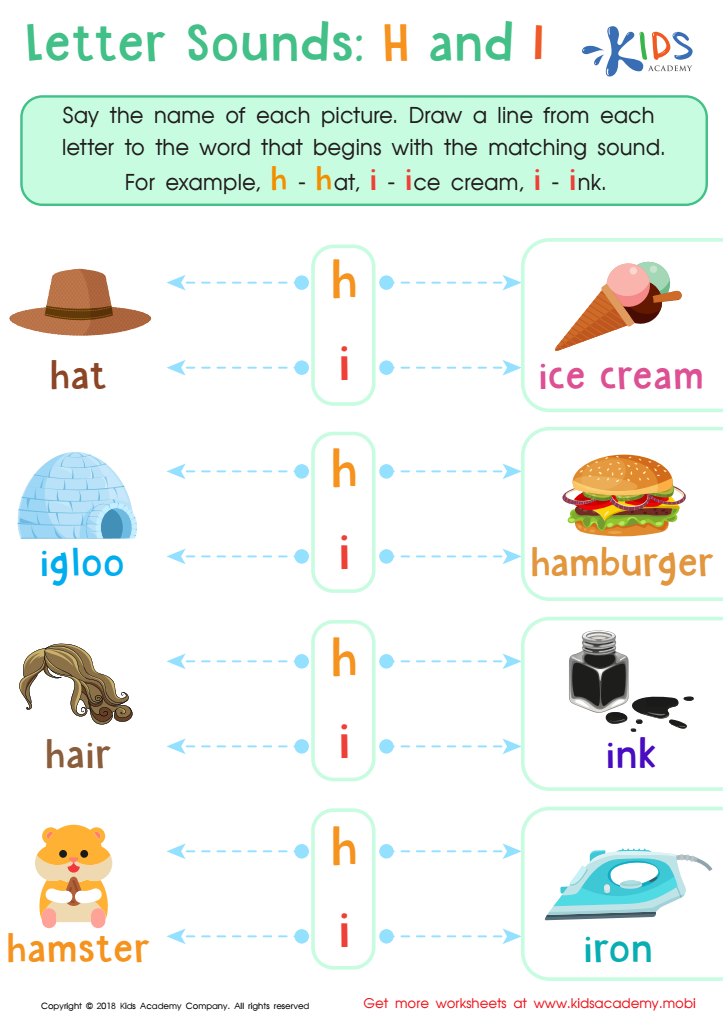
Preschoolers will have fun and develop reading and writing skills at the same time! They'll use pictures to recognize familiar words and differentiate between 'H' and 'I' sounds. Then they'll trace lines to connect each sound to the picture, improving their fine-motor skills. Bright and cheerful visuals make learning a breeze!
Letter H and I Sounds Worksheet
Worksheet


Writing practice using the normal alphabet is crucial for children aged 3-9 as it lays the foundation for their literacy development and overall communication skills. At this age, children are in a critical period of cognitive growth, and writing can significantly enhance their motor skills, focus, and creativity. When parents and teachers prioritize alphabet writing, they help children develop hand-eye coordination and fine motor skills, essential for not just writing but a variety of everyday tasks.

Moreover, engaging in regular writing practice encourages children to express their thoughts and feelings. This early engagement with written language fosters a love for storytelling, fostering creativity and imagination that benefits their cognitive development. Furthermore, as they learn letters, their phonetic understanding deepens, enhancing reading capabilities which are fundamental in later academic achievements.

By nurturing writing skills in early childhood, parents and teachers also instill a sense of confidence and pride in children, reinforcing their willingness to communicate. Overall, writing practice supports not only educational success but also personal growth, making it imperative for caregivers to emphasize alphabet writing during these formative years.