Phonics Skills Normal Short Vowels Worksheets for Ages 3-9
7 filtered results
-
From - To
Discover our Phonics Skills Normal Short Vowels Worksheets, designed specifically for children aged 3-9! These engaging resources support early literacy development by introducing short vowel sounds in a fun and interactive way. Each worksheet features a variety of activities, including coloring, matching, and tracing, to reinforce vowel recognition and phonetic skills. Ideal for classroom use or at-home learning, our worksheets cater to different learning styles and help children build a strong foundation in reading. Foster a love for learning while making phonics exciting! Start your child’s journey to reading success with our easy-to-use, printable worksheets today!
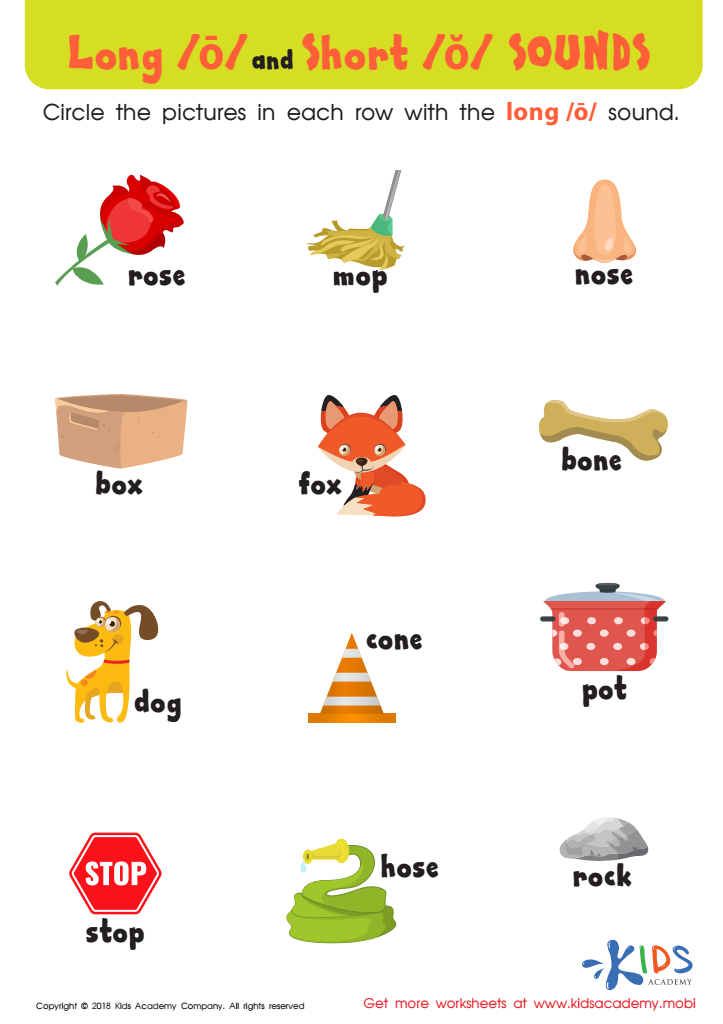
Reading: Long O and Short O Sounds Worksheet
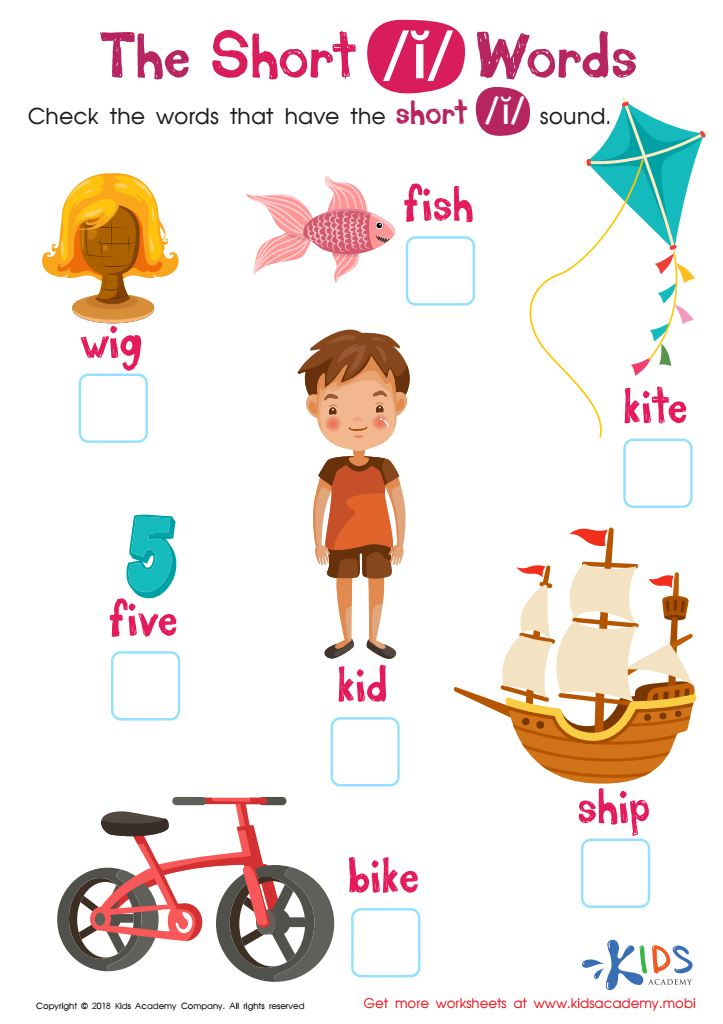
The Short I Words Reading Worksheet
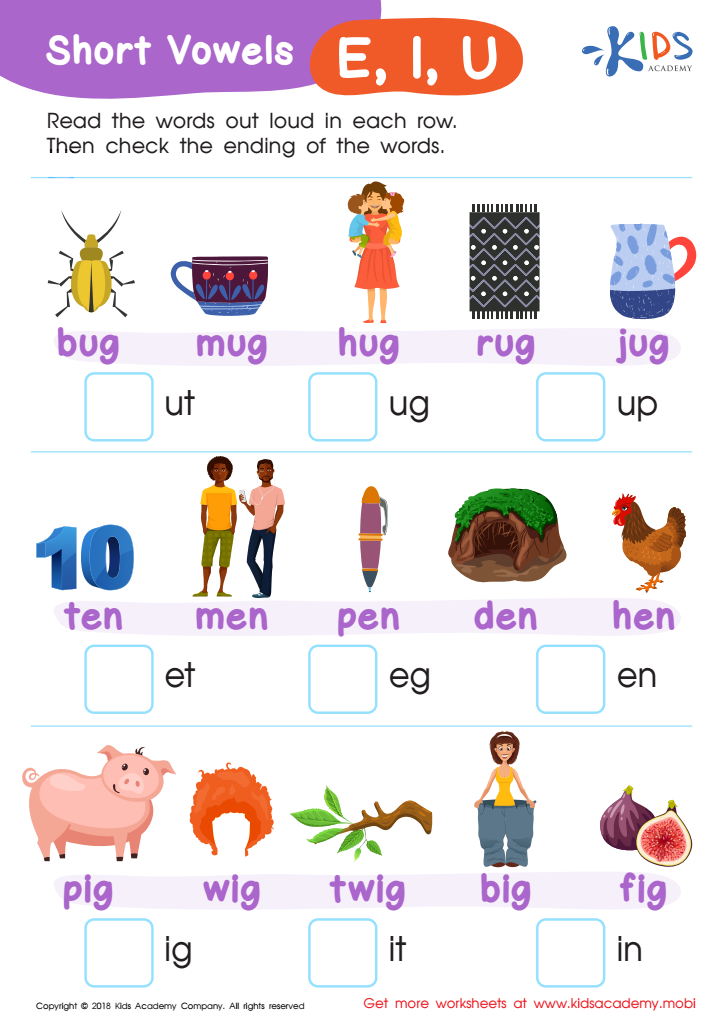
Short Vowels /e/, /i/, and /u/ Worksheet
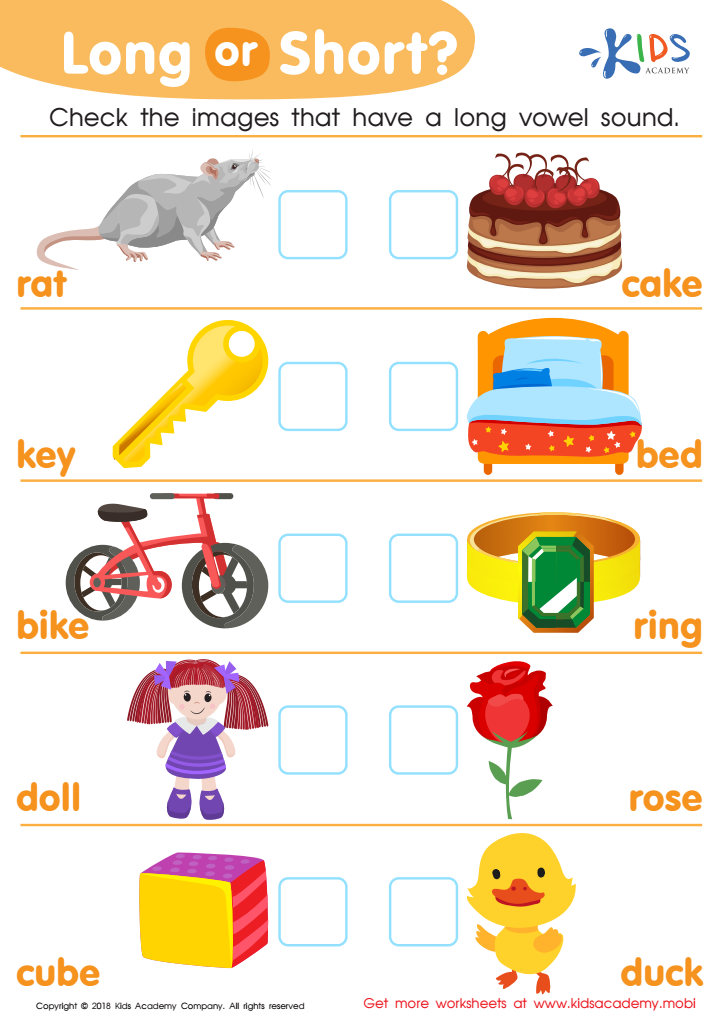
Long or Short Reading Worksheet
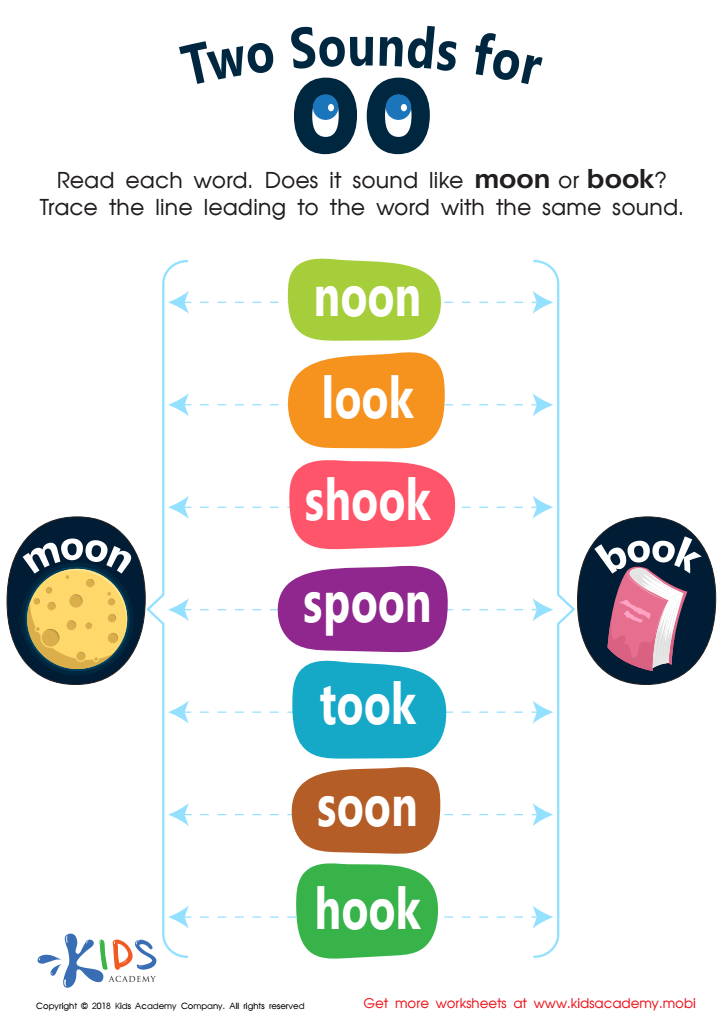
Two Sounds for OO Worksheet
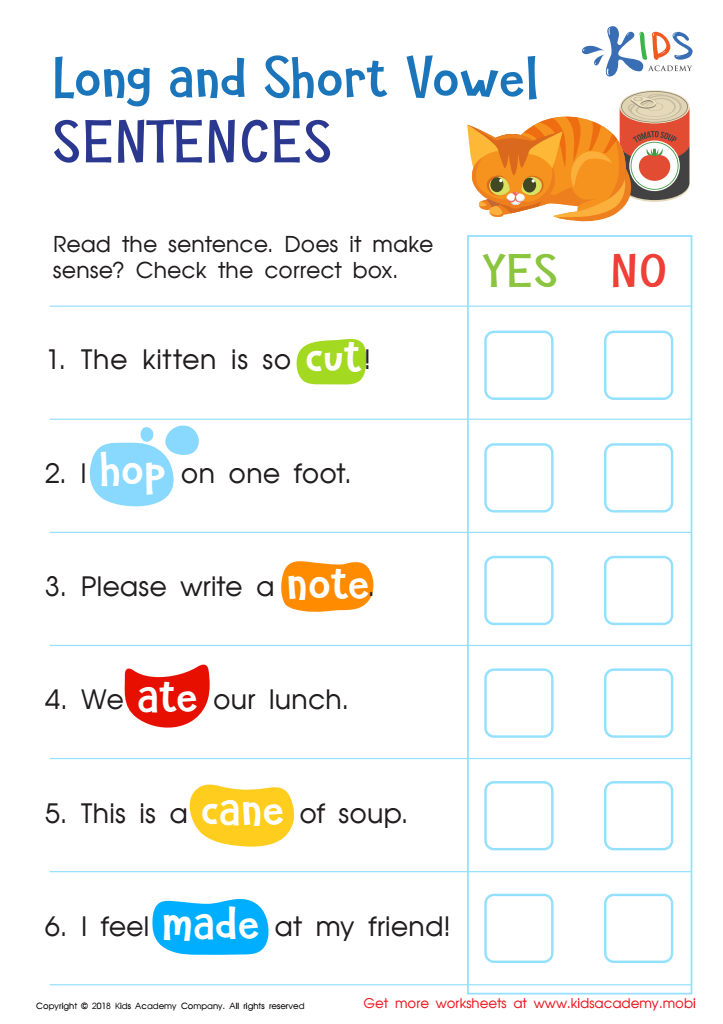
Long and Short Vowel Sentences: Assessment Worksheet

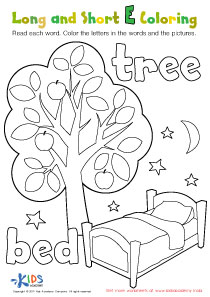
Long and Short E Worksheet
 Assign to My Students



Phonics skills, particularly the understanding of normal short vowels, are crucial for children aged 3-9, as they form the foundation of reading and writing. By mastering short vowels, children can decode words, improving their literacy skills and boosting their confidence in reading. Phonics instruction enables young learners to recognize how sounds correspond to letters, thereby enhancing their ability to sound out and spell words.
For parents and teachers, early emphasis on short vowels provides a structured approach to literacy. Engaging children through fun phonics activities—like songs, games, and storytelling—makes learning enjoyable and encourages a lifelong love for reading. Establishing these skills early helps prevent reading difficulties later on, setting a positive trajectory for academic success.
Moreover, proficiency in phonics assists in language development, aiding in communication skills and vocabulary expansion. Children begin to express themselves clearly and converse more effectively. Therefore, parents and teachers should prioritize phonics instruction, as it equips children with essential tools for effective learning, enriching their overall educational experience, and preparing them for complex literacy tasks as they progress in school. Addressing phonics skills during these formative years ensures children can thrive both inside and outside the classroom.