Reading comprehension Normal Vowel Team Worksheets for Ages 3-9
8 filtered results
-
From - To
Enhance your child's reading skills with our "Normal Vowel Team Worksheets," designed for ages 3-9. These engaging resources focus on vowel team words, helping young learners develop essential reading comprehension abilities. Through interactive activities and colorful illustrations, children will master vowel combinations and contextual understanding, boosting their confidence in reading aloud. Ideal for homeschoolers and classroom settings, our worksheets provide a fun and effective way to build foundational literacy skills. Encourage a love for reading in your child while they practice recognizing and utilizing vowel teams effectively. Explore our collection today and support your child's journey to becoming a proficient reader!
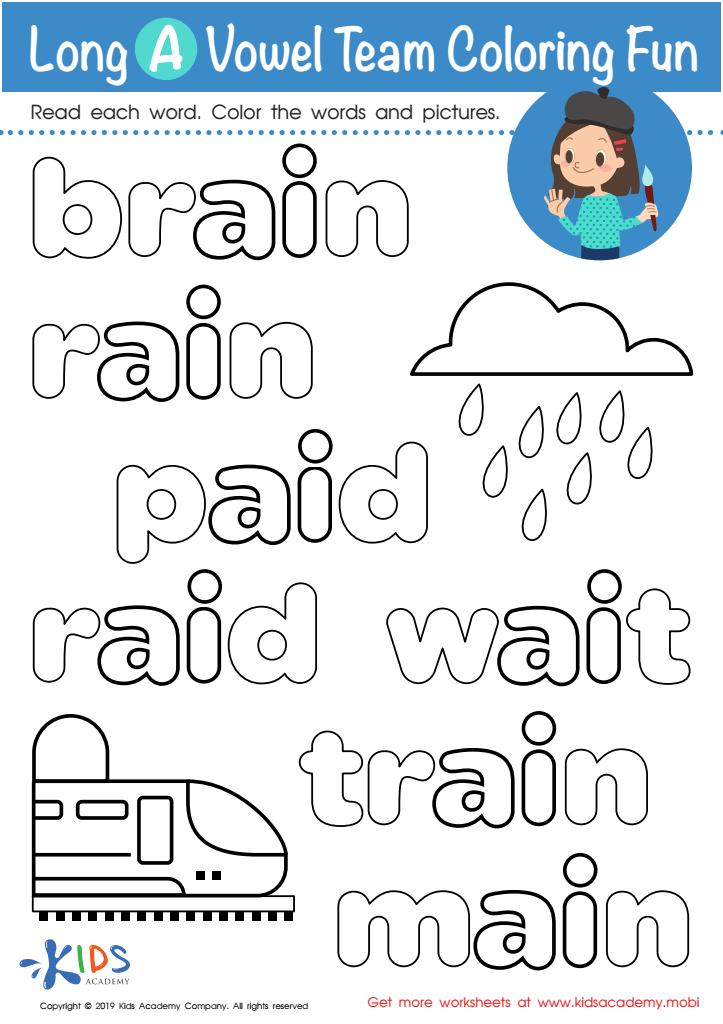
Long A Vowel Team Coloring Fun Worksheet
 Assign to My Students
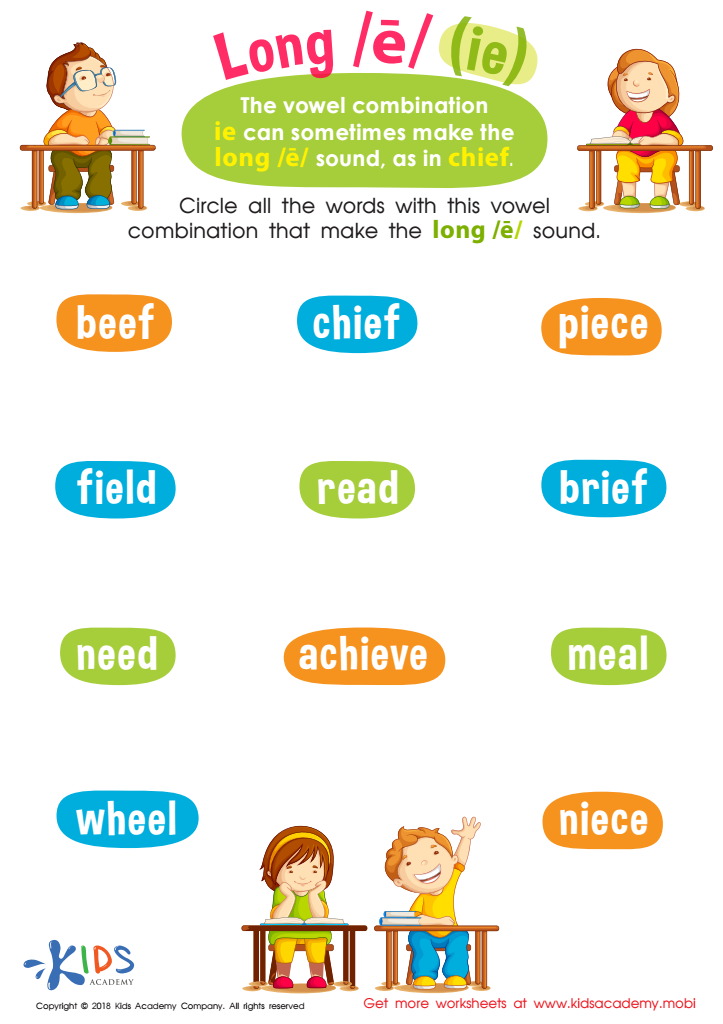
Reading: Long E and IE Worksheet
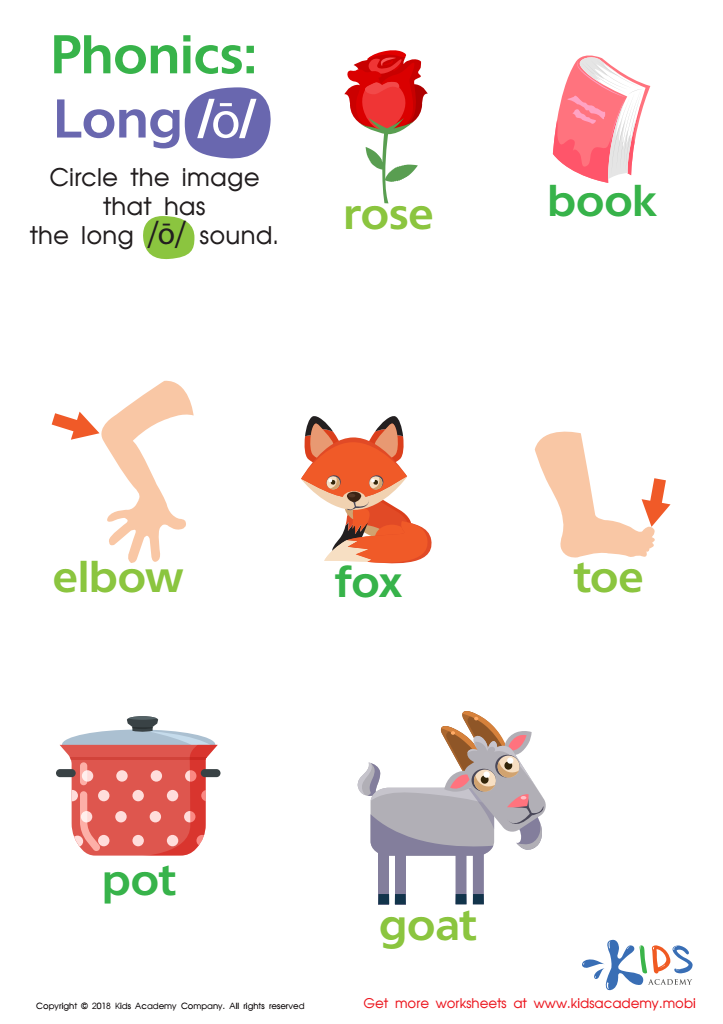
Phonics Long O Reading Worksheet
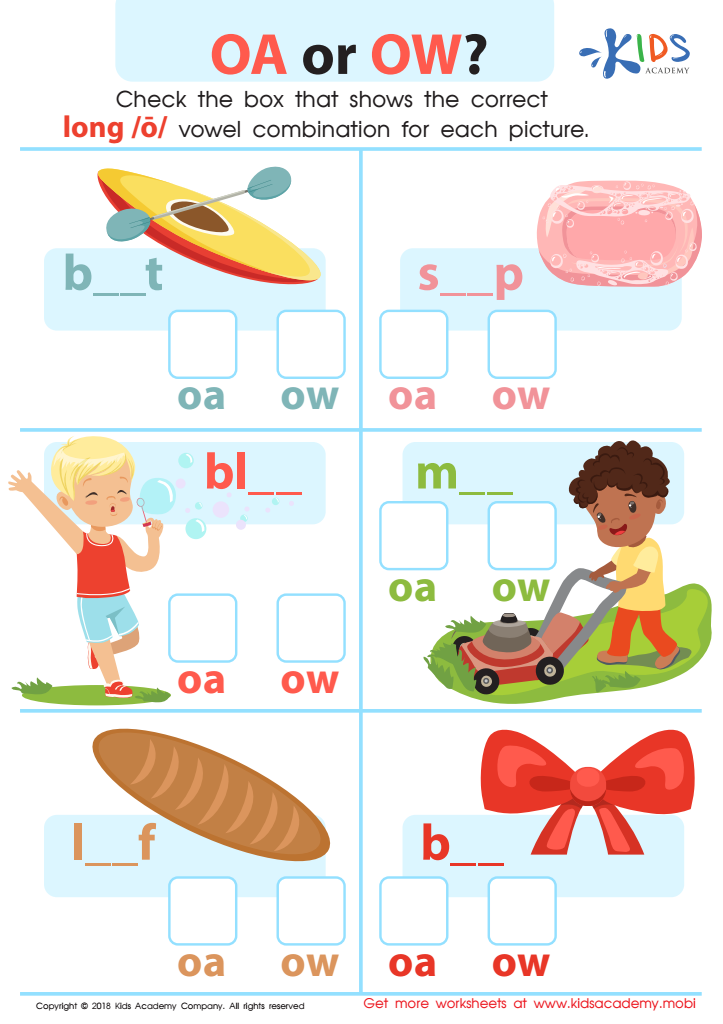
Reading: OA or OW Worksheet
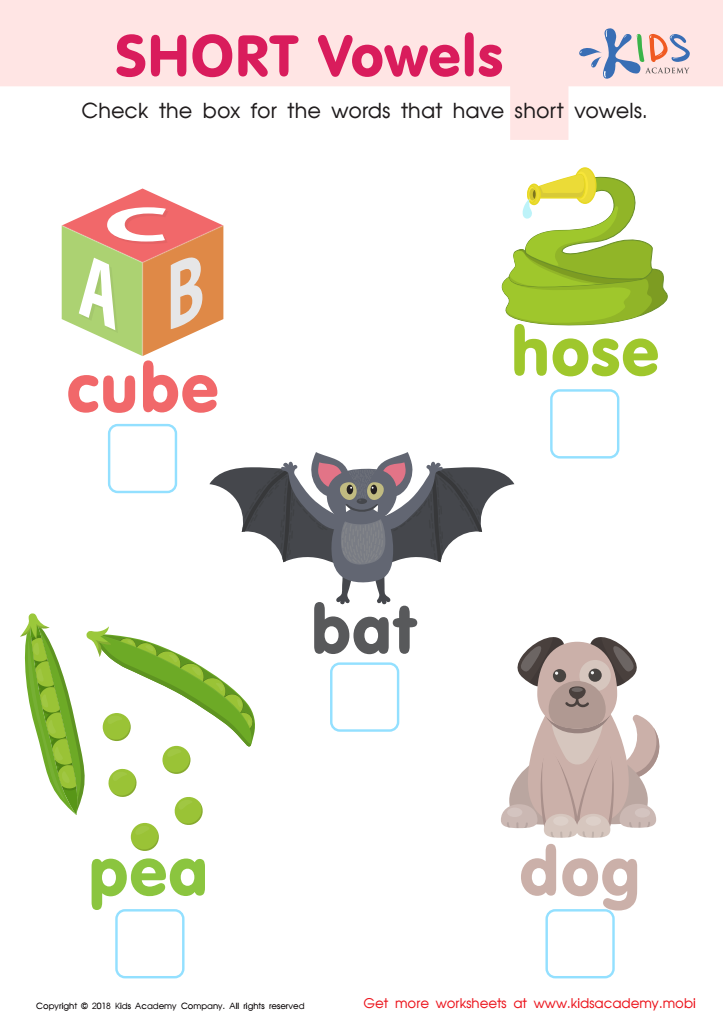
short vowels Worksheet
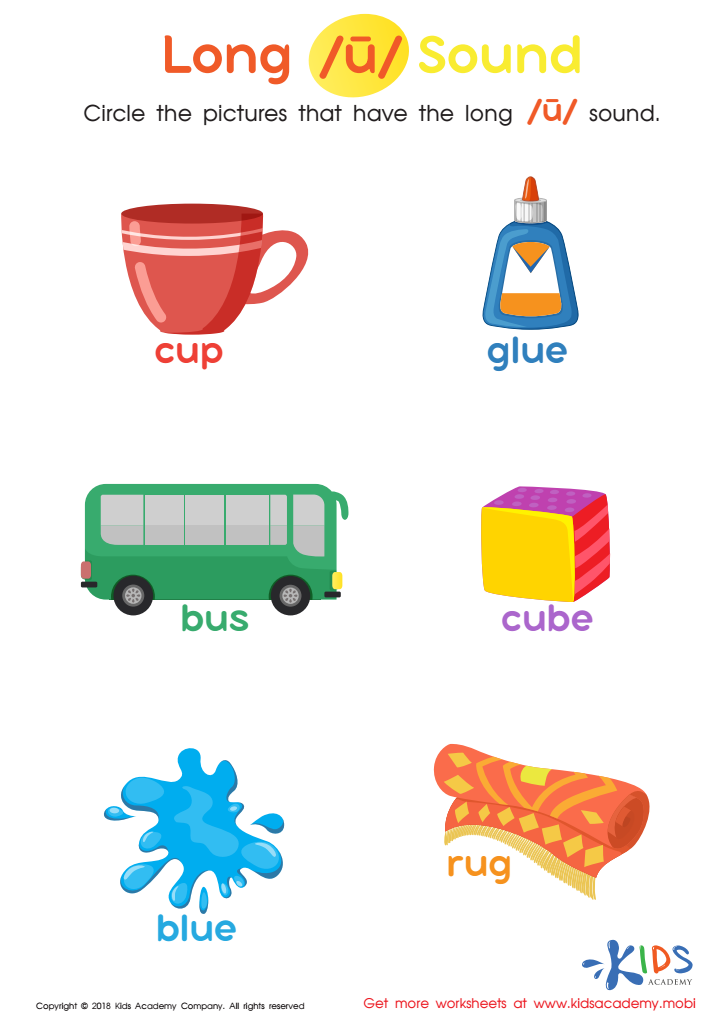
Long «u» Sound Worksheet
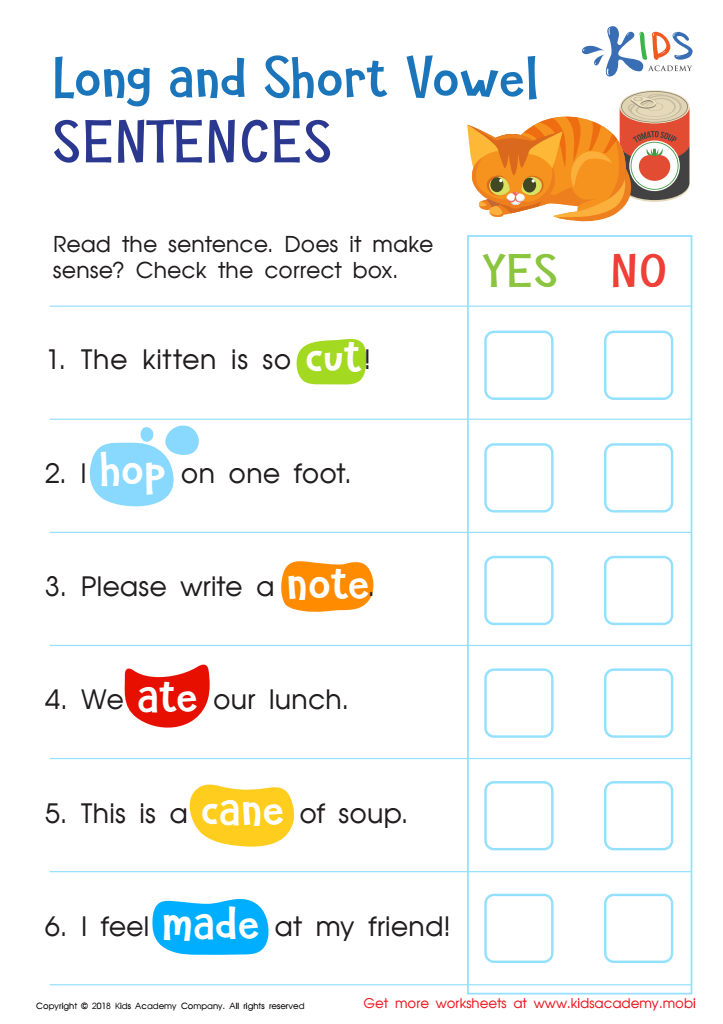
Long and Short Vowel Sentences: Assessment Worksheet

Long and Short E Worksheet
Assign to My Students



Reading comprehension, particularly around normal vowel teams, is a critical literacy skill for children aged 3 to 9. Parents and teachers should prioritize understanding this concept because vowel teams, where two vowels work together to create a specific sound (like "ai" in "rain" or "ea" in "feet"), play a significant role in developing phonemic awareness and decoding skills. Mastery of vowel teams enhances children's ability to read fluently, understand text, and expand their vocabulary.
At this age, literacy skills are foundational; children who struggle with reading comprehension may face challenges throughout their academic journey. By focusing on normal vowel teams, educators and parents can help students improve their ability to decode unfamiliar words, ultimately fostering greater confidence in reading.
Moreover, good reading comprehension fosters critical thinking and comprehension strategies that children carry into all subjects. Engaging children with fun and interactive activities centered around vowel teams draws them into reading, nurturing a lifelong love for literature. Ultimately, equipping young learners with robust reading comprehension strategies ensures they develop into competent readers and thinkers, laying the groundwork for future educational success. Thus, understanding the importance of vowel teams is vital for fostering positive literacy experiences in early education settings.








