Color Identification Normal Coloring Pages Worksheets for Ages 3-9
6 filtered results
-
From - To
Discover the joy of learning with our "Color Identification Normal Coloring Pages Worksheets for Ages 3-9"! Designed to make color recognition fun and engaging, these worksheets help young learners effortlessly identify and name colors while boosting their creativity. Each page offers a delightful array of images, ensuring that kids remain captivated as they color inside the lines. Perfect for educators and parents, our worksheets serve as valuable resources for both classroom and home settings, promoting the development of fine motor skills and artistic expression in children. Foster a love for learning and creativity with our expertly crafted color identification worksheets!
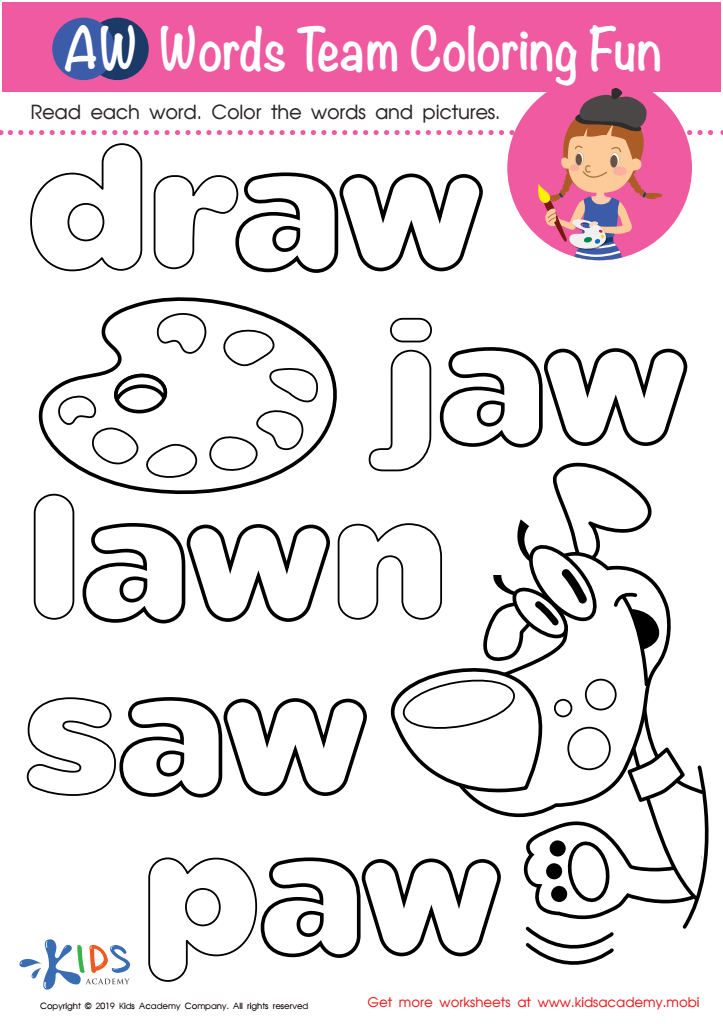
AW Words Team Coloring Fun Worksheet
 Assign to My Students
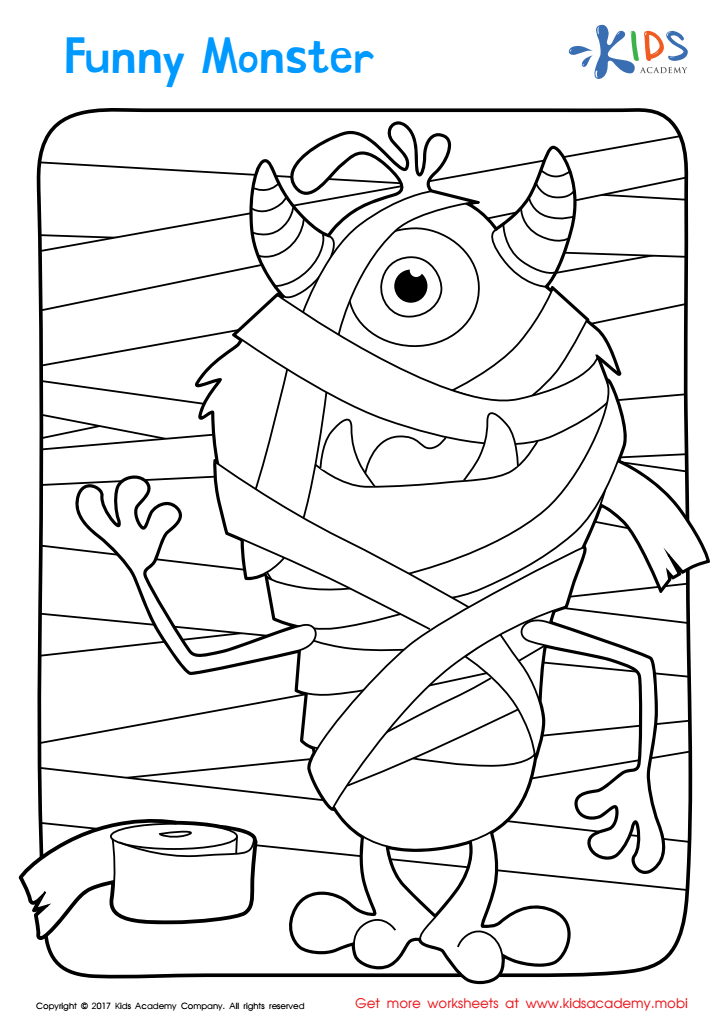
Halloween: A Funny Monster Worksheet
Assign to My Students
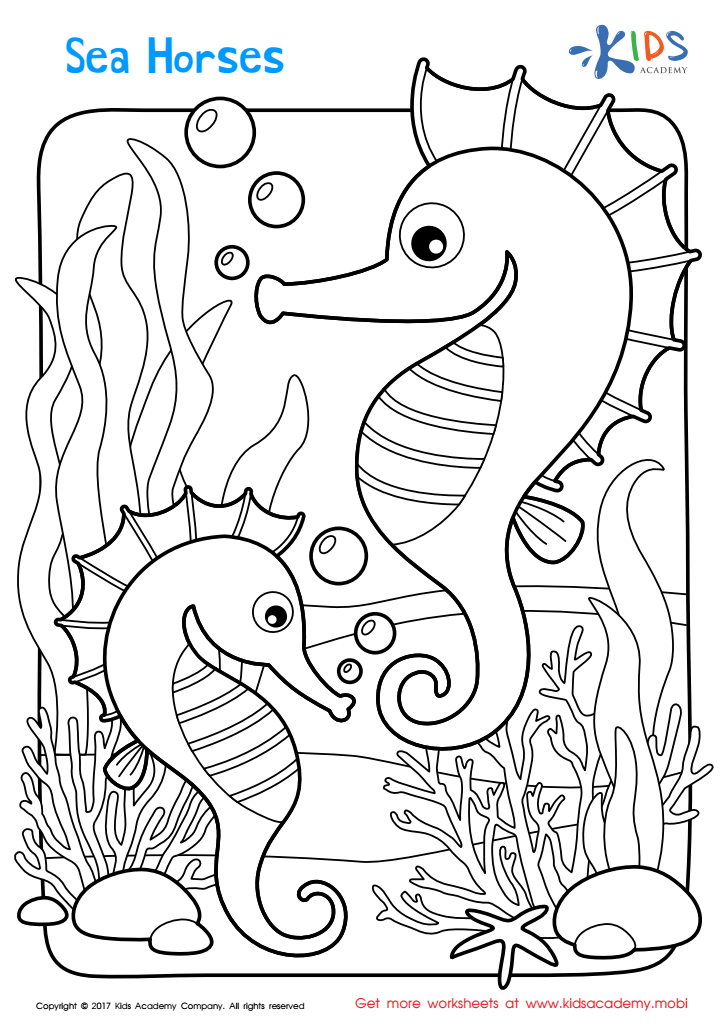
Sea Horses Printable
Assign to My Students
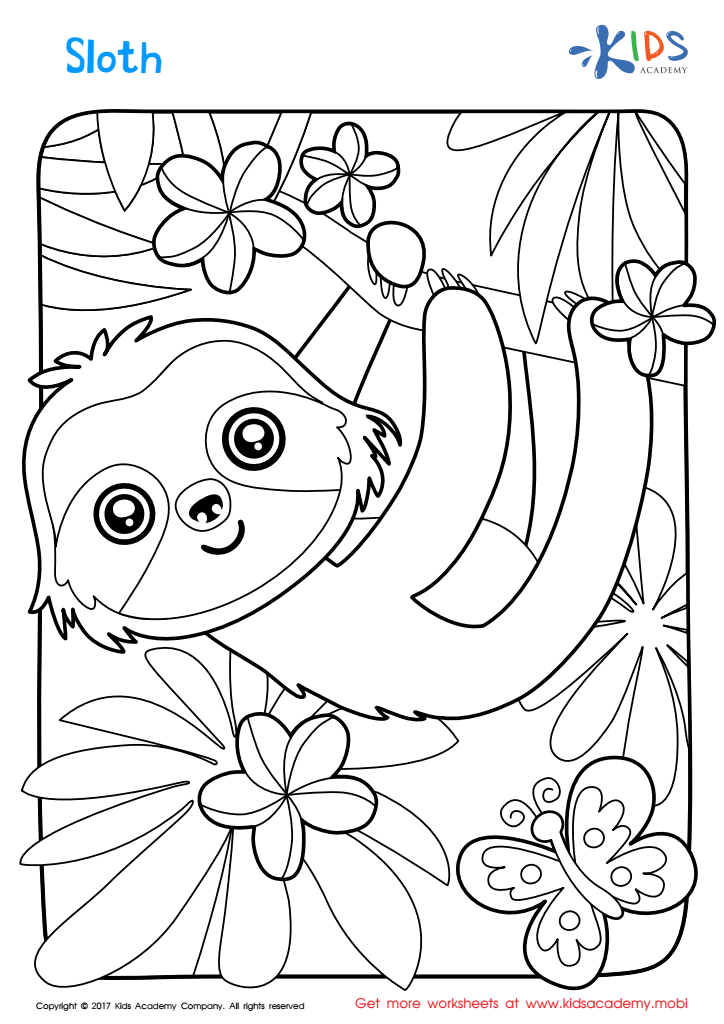
Sloth Worksheet
Assign to My Students
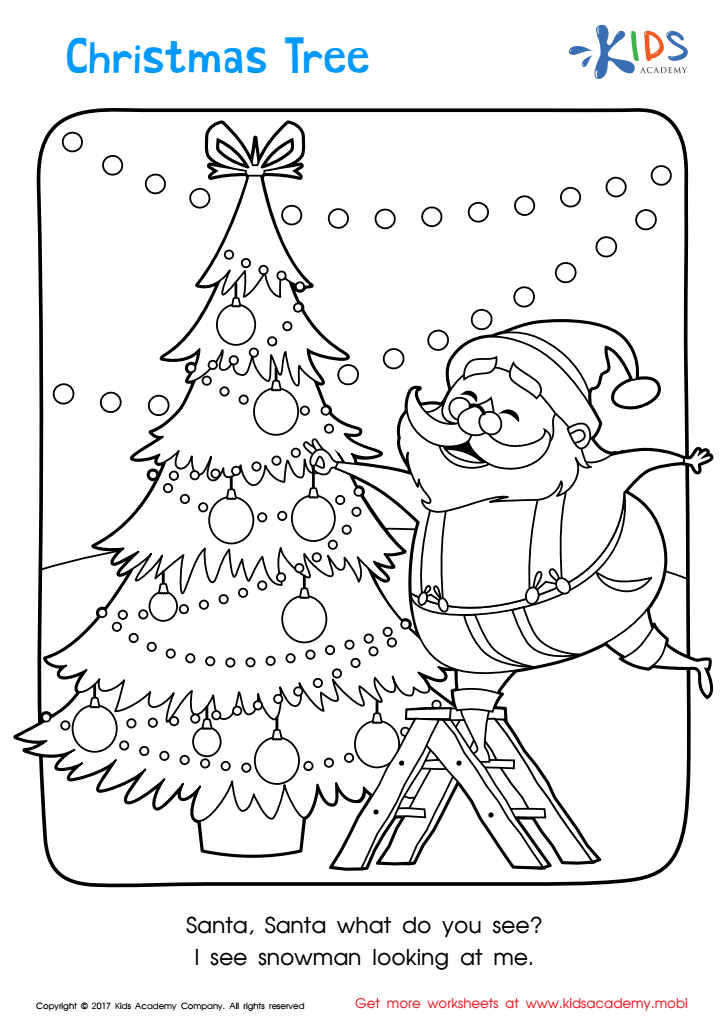
Christmas: Christmas Tree Printable
Assign to My Students


.jpg)

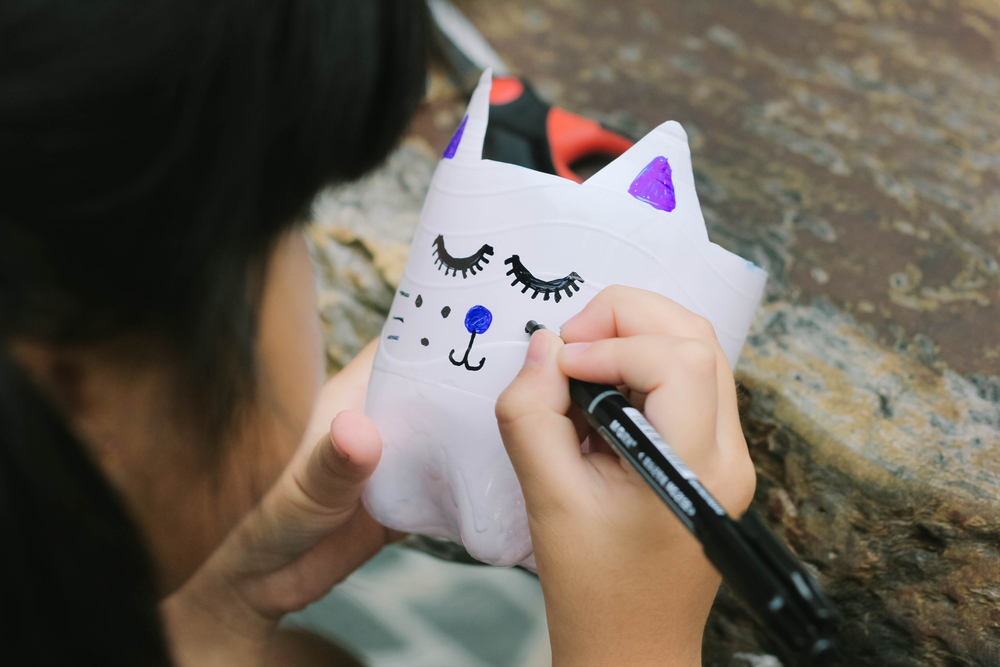
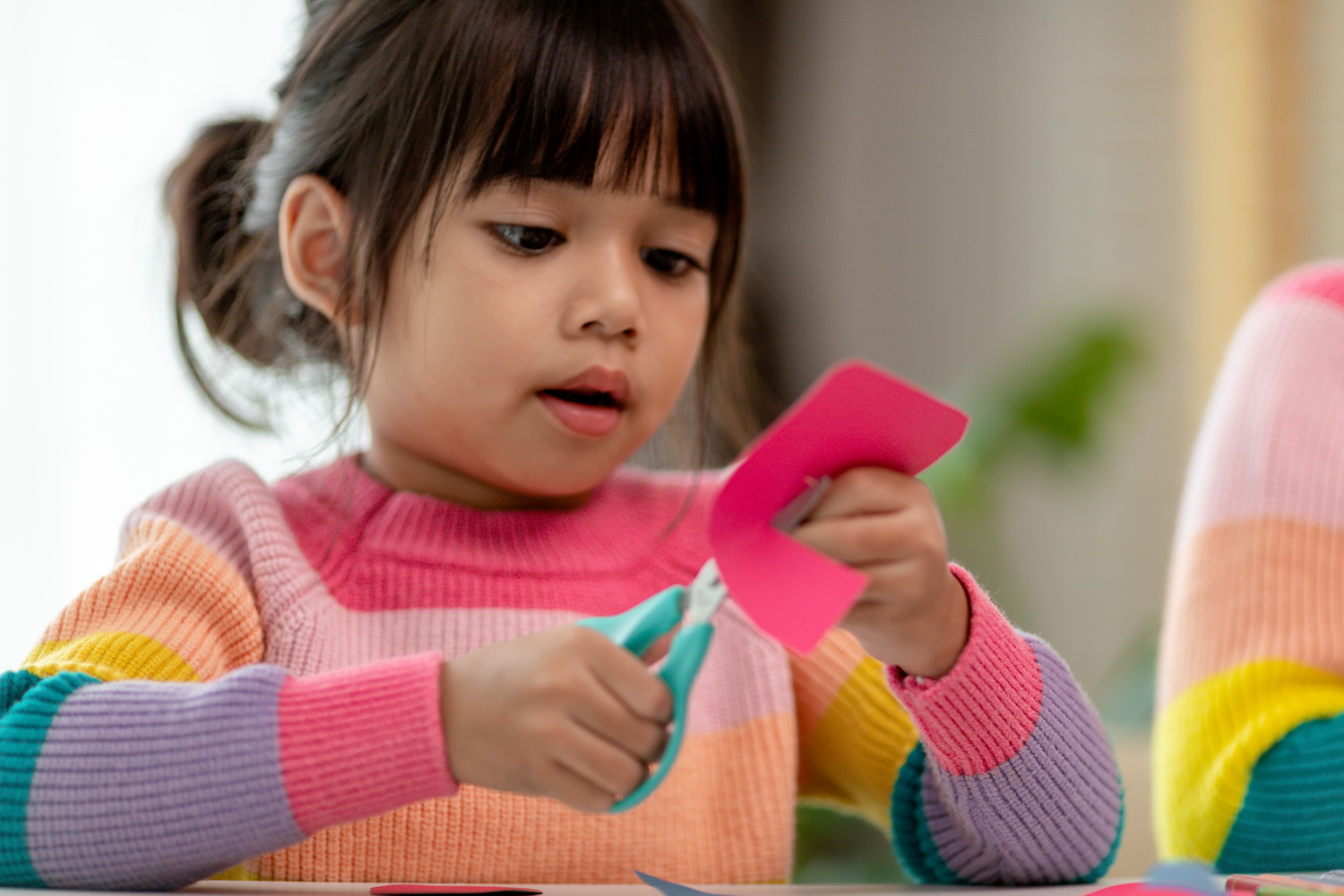

Color identification and normal coloring pages are fundamental tools in early childhood development for children aged 3-9. These activities are not just about filling spaces with colors; they have numerous educational and developmental benefits. First, they enhance fine motor skills by requiring precise hand movements, which are critical at this developmental stage. Secondly, they encourage cognitive development. As children choose colors and understand boundaries within the lines, they improve their ability to make choices, recognize patterns, and follow structured activities—all essential cognitive skills.
Furthermore, color identification activities improve language acquisition. As children learn the names of colors and discuss their choices, they expand their vocabulary and communication skills. Socially, coloring can be a collaborative activity, promoting sharing, cooperation, and turn-taking when done in group settings.
Emotionally, coloring offers an excellent way for children to express themselves and process their emotions. It can become a form of mindfulness, helping to reduce anxiety and increase focus.
By caring about these coloring activities, parents and teachers foster a well-rounded developmental environment where children learn multiple life skills in a fun and engaging manner. It sets a strong foundation for future learning and personal development, making it a critical aspect of early childhood education.