Associative learning Normal Worksheets for Ages 3-9
5 filtered results
-
From - To
Discover our Associative Learning Normal Worksheets, specifically designed for children ages 3-9. These engaging worksheets help young learners build connections between related concepts, enhancing their cognitive skills and enriching their educational experience. With a mix of fun activities, including matching games and visual associations, children will develop critical thinking, memory retention, and problem-solving abilities in a playful manner. Each worksheet is thoughtfully crafted to cater to the developmental needs of early learners, making every lesson enjoyable and effective. Ideal for at-home practice or classroom use, our resources support parents and educators in fostering a love for learning through interactive and meaningful tasks.
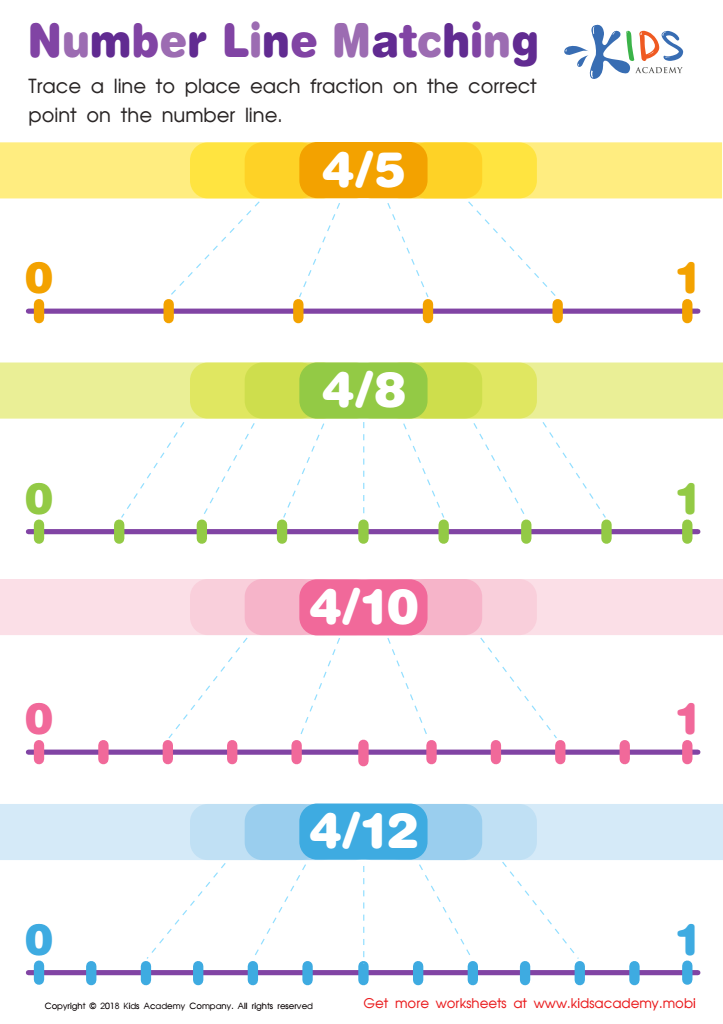
Number Line Matching Worksheet
 Assign to My Students
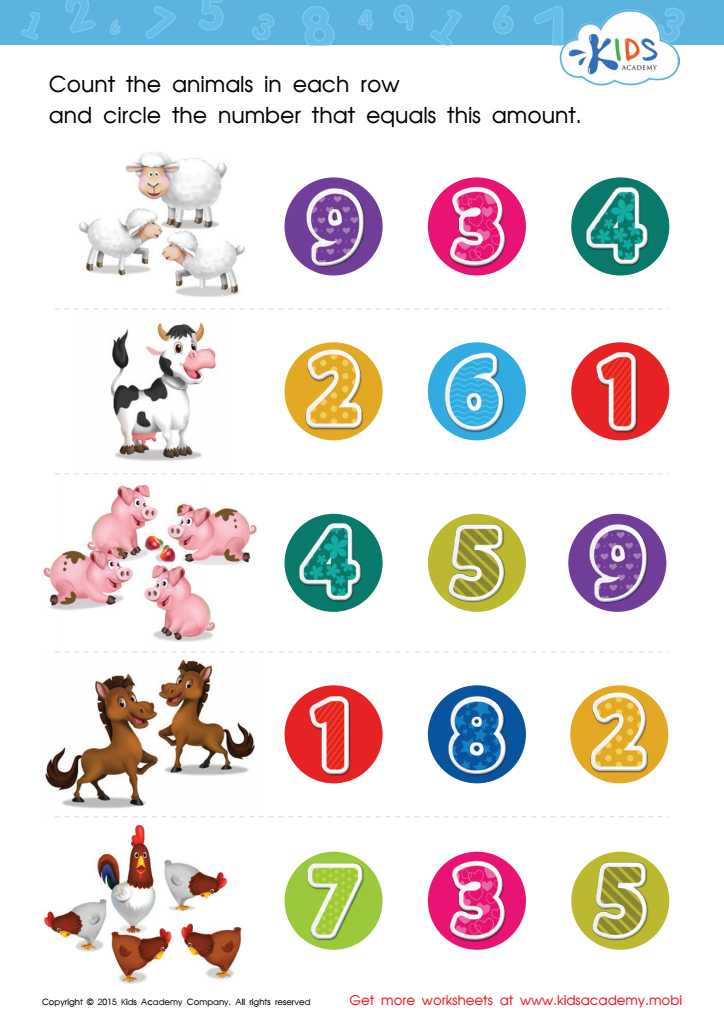
Count and Match 1 – 5 Math Worksheet
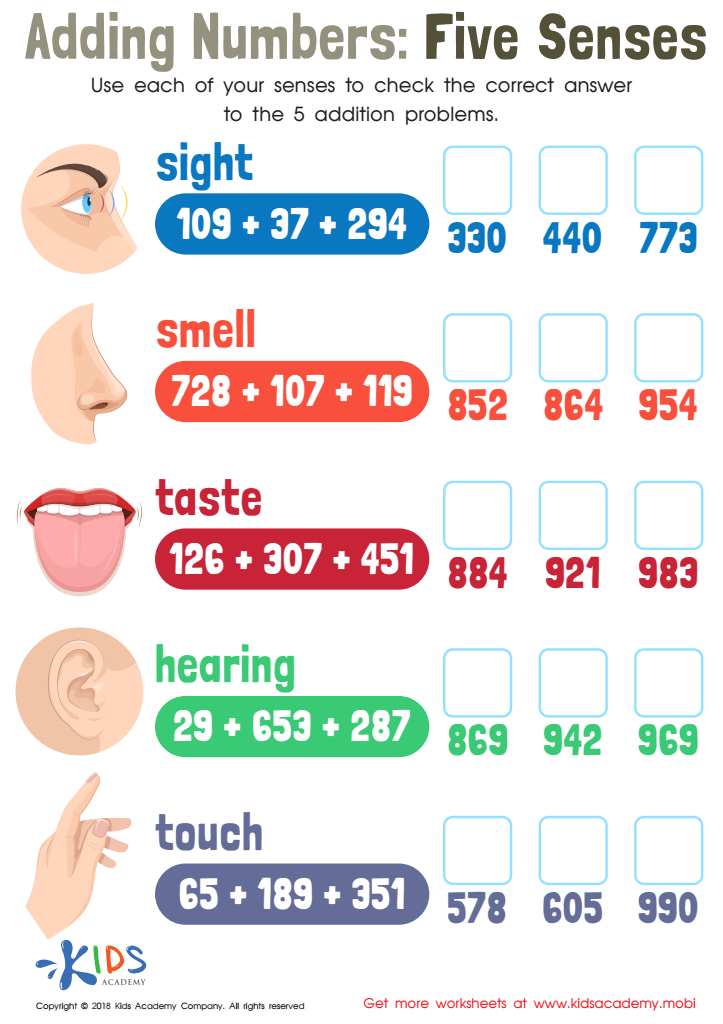
Adding Numbers: Five Senses Worksheet

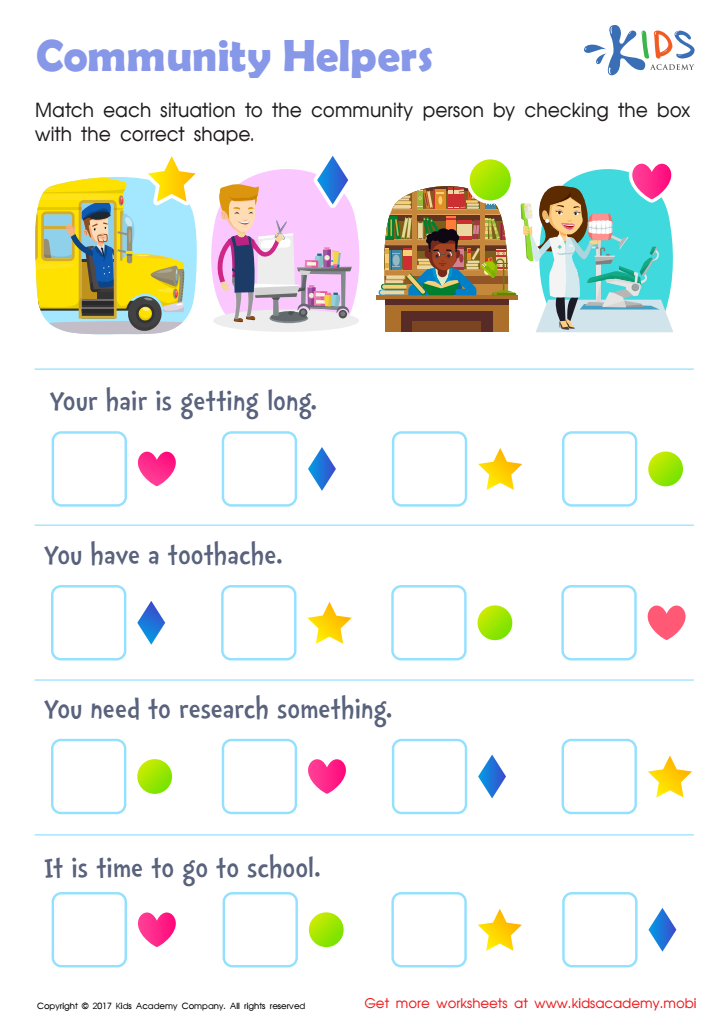



%20(1).jpg)
.jpg)



Associative learning is a vital component of cognitive development in children aged 3-9, making it important for parents and teachers to understand its significance. This type of learning involves making connections between different concepts, experiences, or stimuli. For young children, the ability to associate ideas effectively lays the groundwork for critical thinking and problem-solving skills later in life.
At this age, children's brains are highly receptive to new information. By fostering associative learning, educators and parents can enhance a child's ability to categorize, analyze, and retrieve information. For instance, by associating words with images, sounds, or experiences, children not only expand their vocabulary but also deepen their understanding of the world around them.
Additionally, associative learning improves memory retention, which is crucial as children start formal education. Activities like storytelling, singing rhymes, or engaging in hands-on projects stimulate these connections and make learning interactive and enjoyable. When parents and teachers prioritize associative learning, they are laying a strong foundation for academic success, social skills, and emotional intelligence, ultimately fostering a lifelong love for learning. In this way, understanding and nurturing associative learning is beneficial for the holistic development of children.








