Basic arithmetic practice Normal Worksheets for Ages 3-9
5 filtered results
-
From - To
Welcome to our Basic Arithmetic Practice Worksheets for Ages 3-9! Designed to make learning fun and engaging, these printable resources help young learners master foundational math skills. Our worksheets cover essential concepts such as addition, subtraction, and number recognition, ensuring that children build confidence as they progress. With colorful designs and age-appropriate exercises, these worksheets cater to various learning styles and abilities. Ideal for both classroom and home use, our resources encourage students to practice regularly, enhancing their mathematical understanding. Download our worksheets today and watch your child thrive in basic arithmetic while having fun!
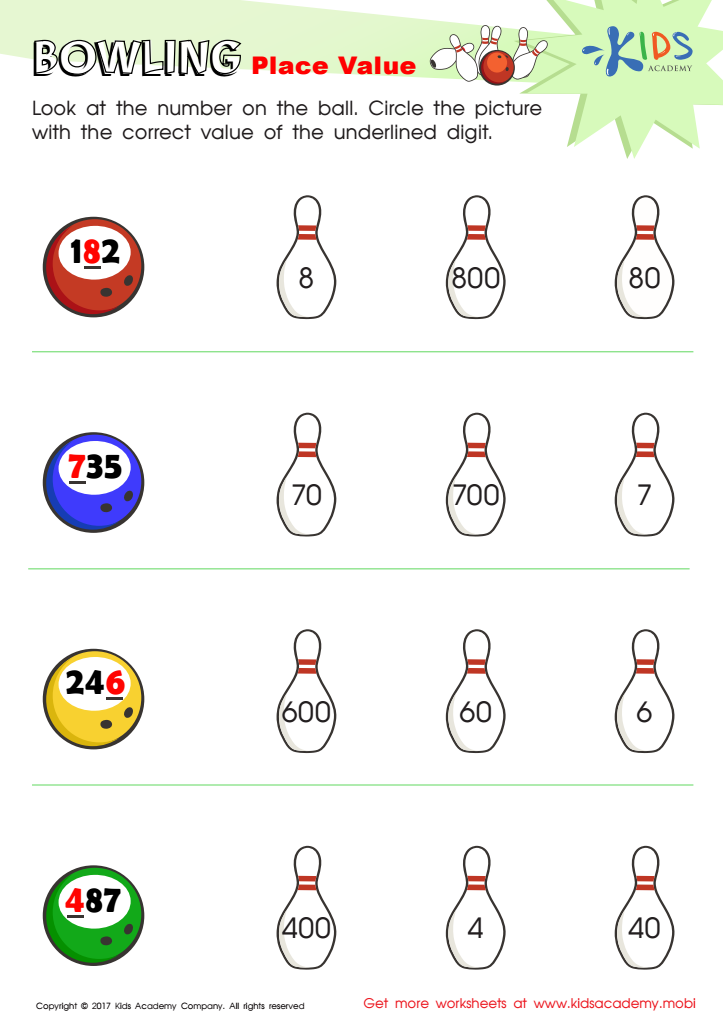
Place Value Worksheet
 Assign to My Students
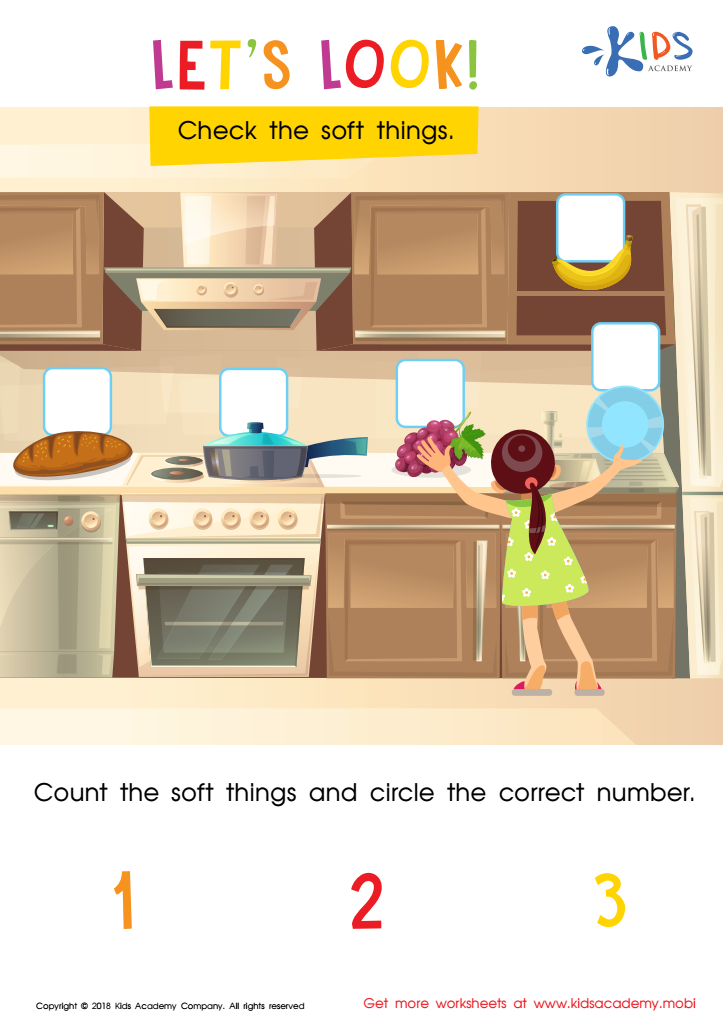
Let's Look! Assessment Worksheet
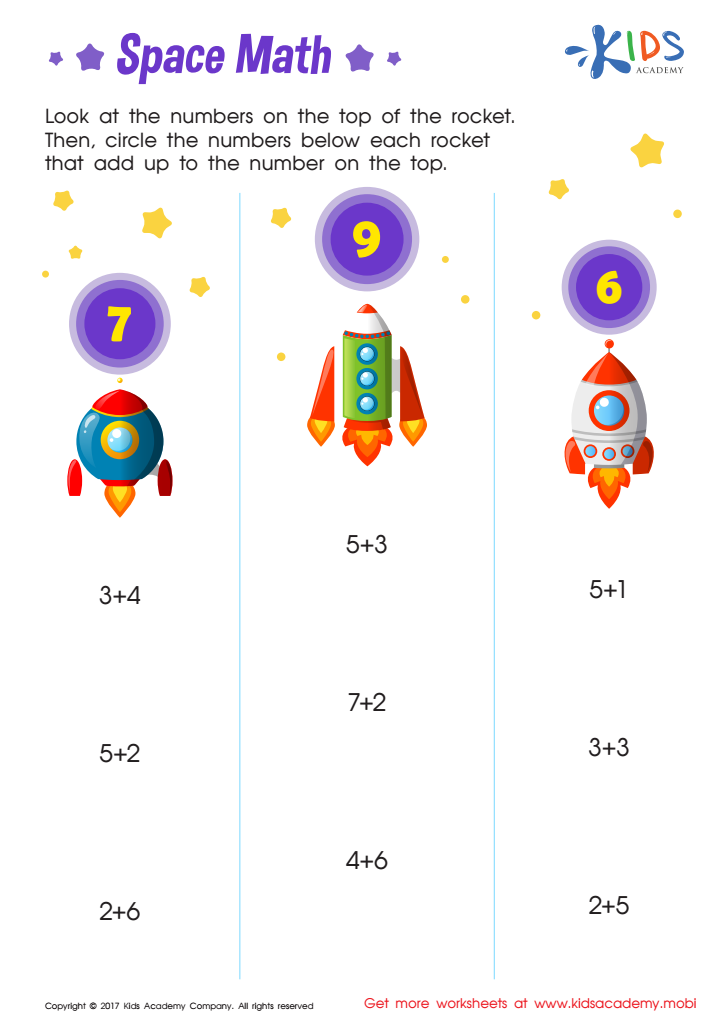
Addition: Space Math Worksheet
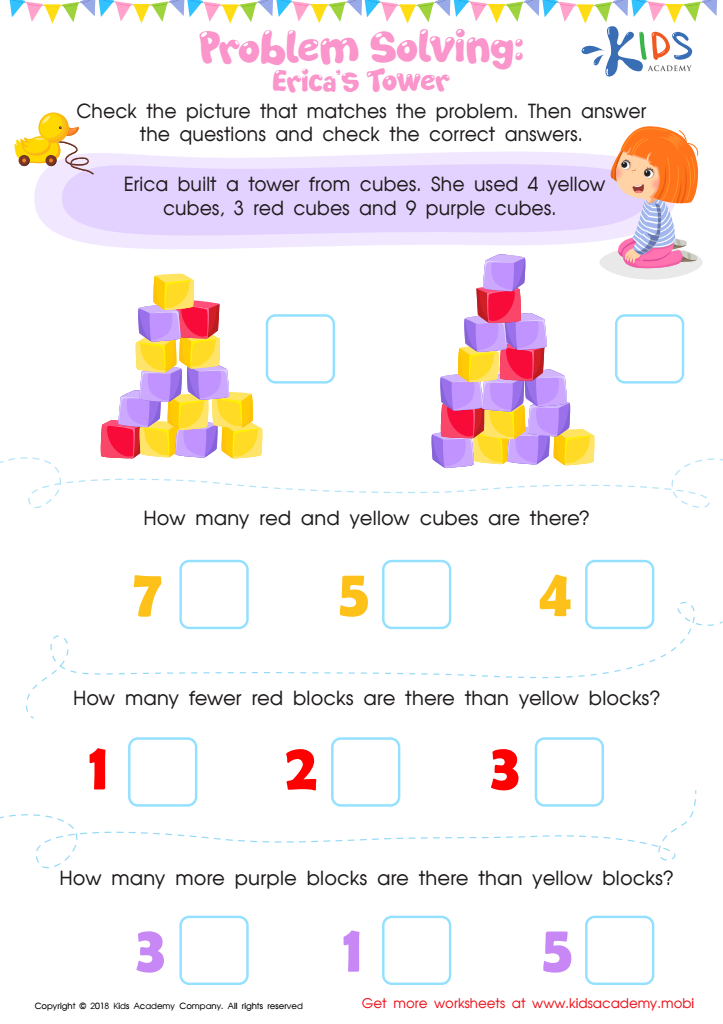
Problem Solving: Erica's Tower Worksheet
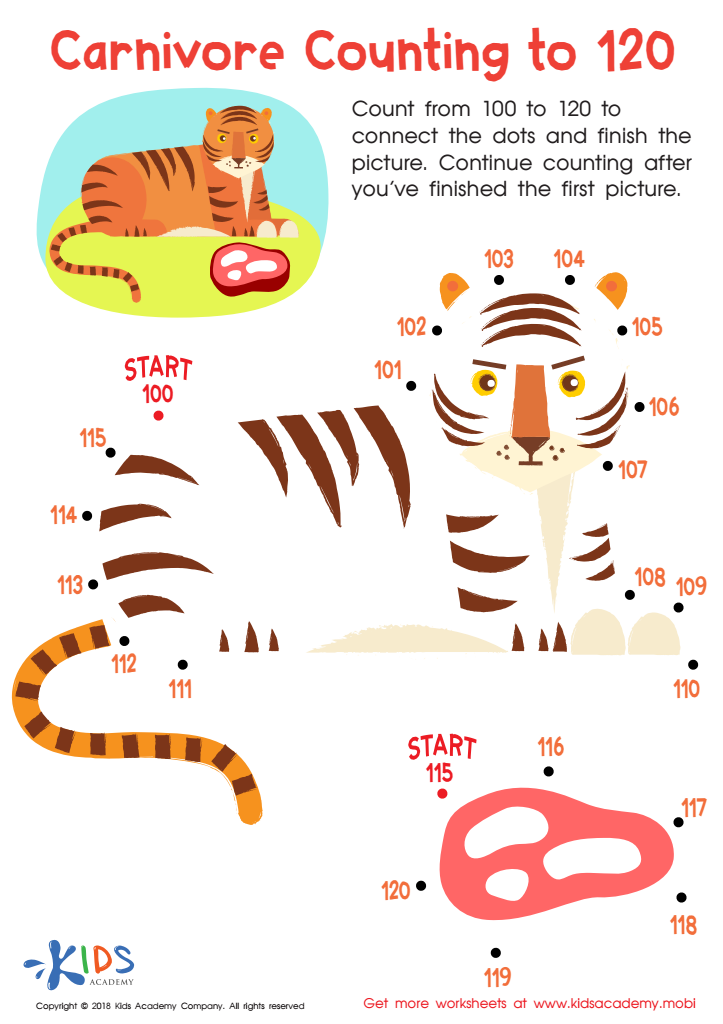
Carnivore Counting to 120 Worksheet








Parents and teachers should prioritize basic arithmetic practice for children ages 3-9 for several compelling reasons. First, foundational math skills are essential for cognitive development and are deeply interconnected with other areas of learning. Early exposure to numbers and simple operations like addition and subtraction helps young learners build critical thinking, problem-solving, and reasoning skills that are vital across various subjects.
Additionally, mastering fundamental arithmetic boosts children's confidence and lays the groundwork for future mathematical concepts. Engaging with numbers at a young age helps develop a positive attitude towards math, making kids more open to learning complex concepts later on.
Moreover, early math experiences can enhance children’s ability to relate everyday situations to mathematical thinking. For instance, counting items during grocery shopping or sharing snacks can be practical learning opportunities. This mirrors the curriculum that modern education adopts, promoting real-life applications of math.
Finally, basic arithmetic skills form the bedrock for academic success. As children progress in their education, those who have a solid understanding of arithmetic will find it easier to tackle more advanced math topics. Thus, families and educators must nurture these early experiences to ensure a child's smooth transition into more complex math learning.








