Basic Mathematics Normal Worksheets for Ages 3-9
5 filtered results
-
From - To
Discover our engaging Basic Mathematics Normal Worksheets specifically designed for children aged 3-9! Ideal for young learners, these worksheets cover essential math skills such as addition, subtraction, counting, and number recognition. Each activity is crafted to stimulate curiosity and enhance comprehension through fun and interactive exercises. With colorful illustrations and age-appropriate challenges, children will develop a strong mathematical foundation while enjoying the learning process. These printable resources are perfect for both classroom settings and home practice. Support your child's mathematical journey and help them gain confidence in their abilities with our comprehensive collection of normal worksheets today!
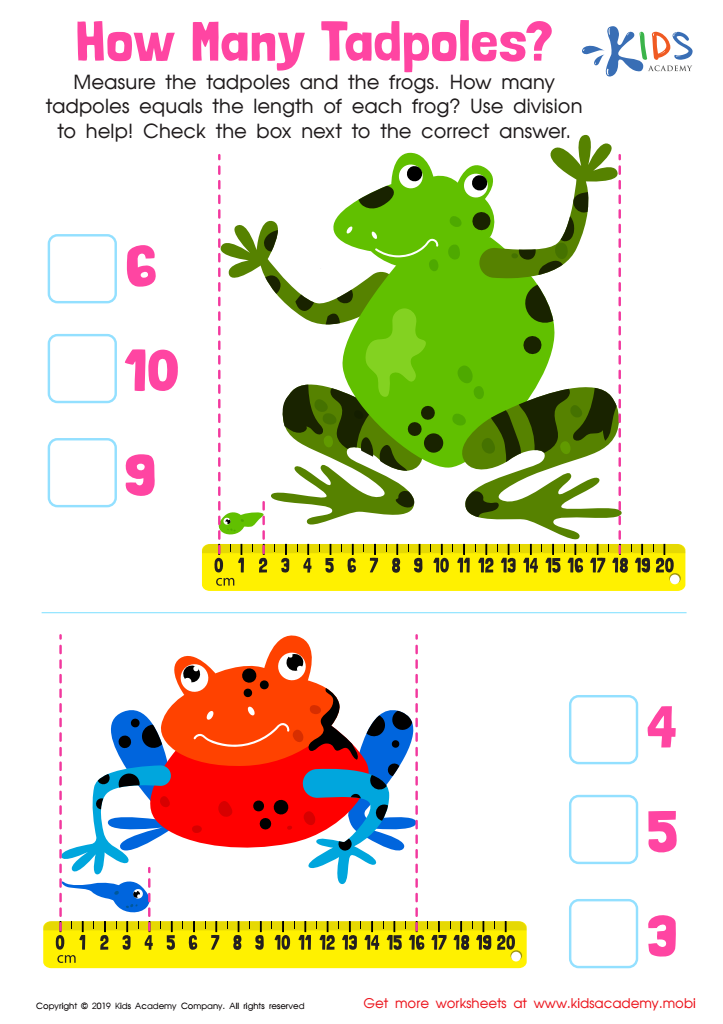
How Many Tadpoles Worksheet
 Assign to My Students
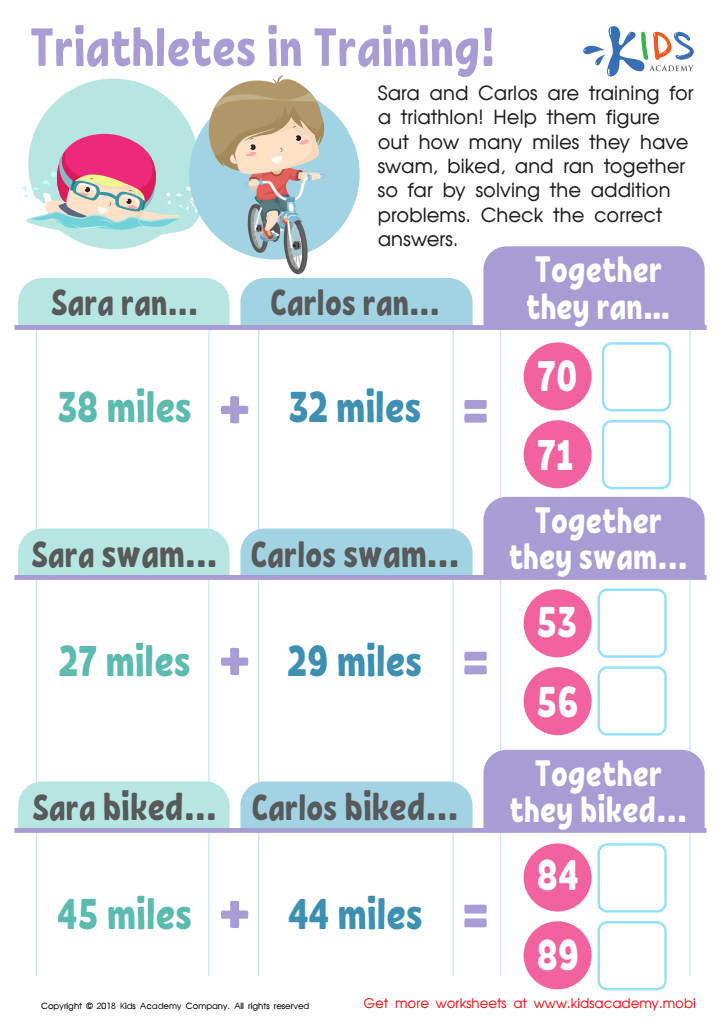
Triathletes in Training Worksheet
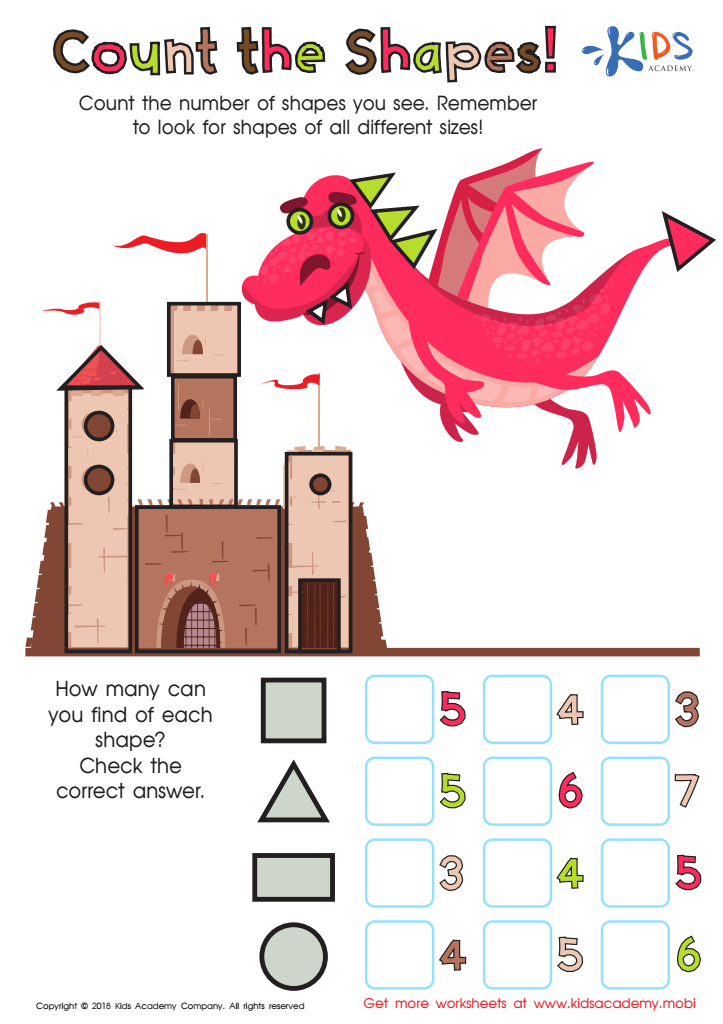
Count the Shapes Worksheet
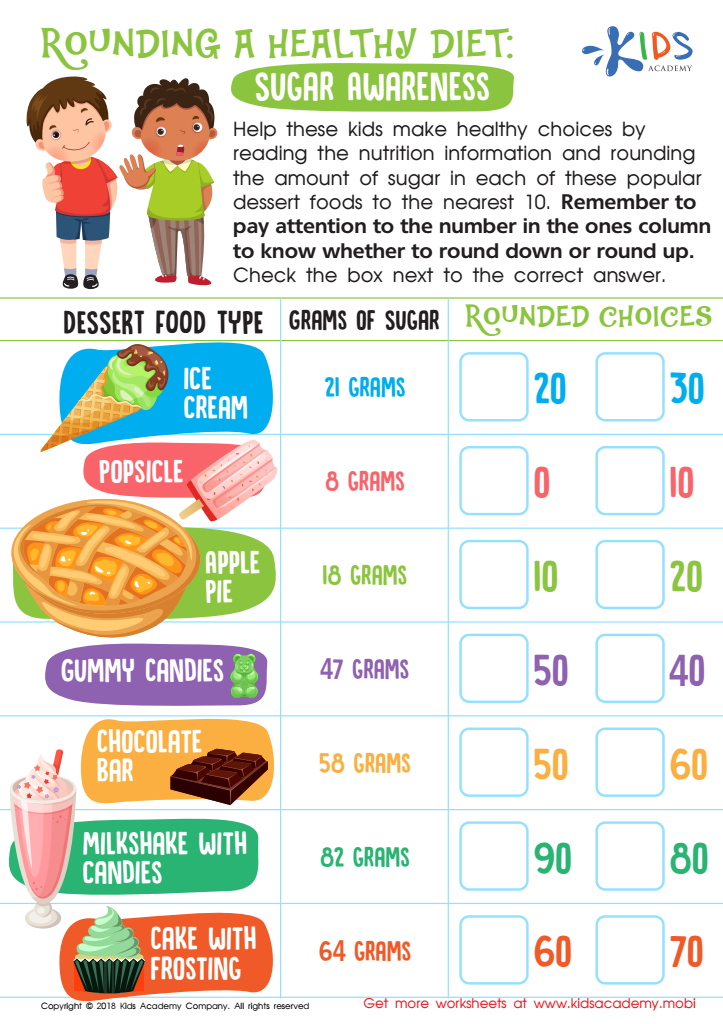
Rounding Healthy Diet Worksheet
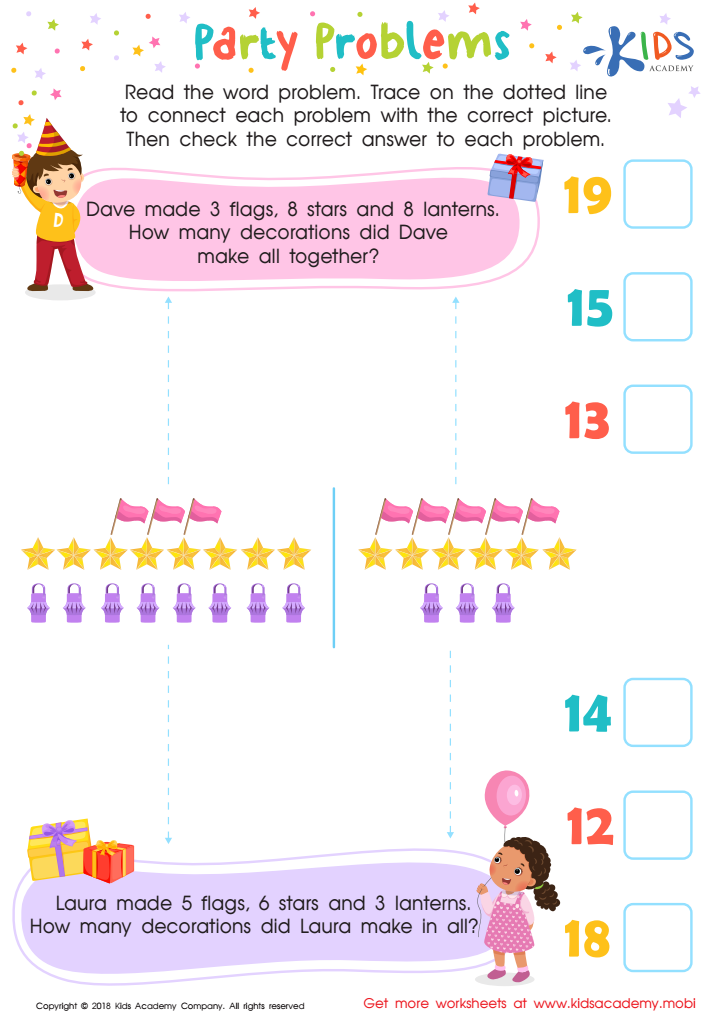
Party Problems Worksheet








Basic mathematics for children aged 3-9 lays the foundational skills essential for future learning and everyday life. During these early years, children develop crucial cognitive skills, and their exposure to mathematical concepts can significantly influence their academic trajectory. Engaging in basic math not only helps students grasp numbers and operations but also cultivates critical thinking, problem-solving, and logical reasoning skills.
Parents and teachers should care about normalizing math in early childhood because it nurtures a positive attitude toward the subject, reducing anxiety and fear. Early math experiences help children understand patterns, relationships, and spatial awareness, which are not only vital for future math but are also applicable in science, engineering, and technology fields—essential areas in a modern economy.
Furthermore, quality math education promotes social skills as children often work in groups or pairs to solve problems and share their thinking. The mathematical concepts mastered at this stage support academic success across subjects, fostering a lifelong love for learning. Supporting children's mathematical development allows for a smoother transition into more complex concepts in later grades, ultimately setting the stage for inspired and competent lifelong learners. Prioritizing basic mathematics in early education is not just beneficial; it's essential for holistic child development.








