Enhances counting skills Normal Worksheets for Ages 3-9
3 filtered results
-
From - To
Enhance your child's counting skills with our expertly designed worksheets for ages 3-9. These printable resources from Kids Academy provide engaging activities that promote numerical literacy, from basic counting to more complex exercises. Ideal for young learners, each worksheet is carefully structured to support gradual skill development, ensuring comprehension and confidence in counting. Designed by educational professionals, these resources cater to various learning styles and make mastering counting a fun and interactive experience. Empower your child with the essential skills they need to excel in mathematics. Discover the joy of learning with Kids Academy's counting worksheets today!
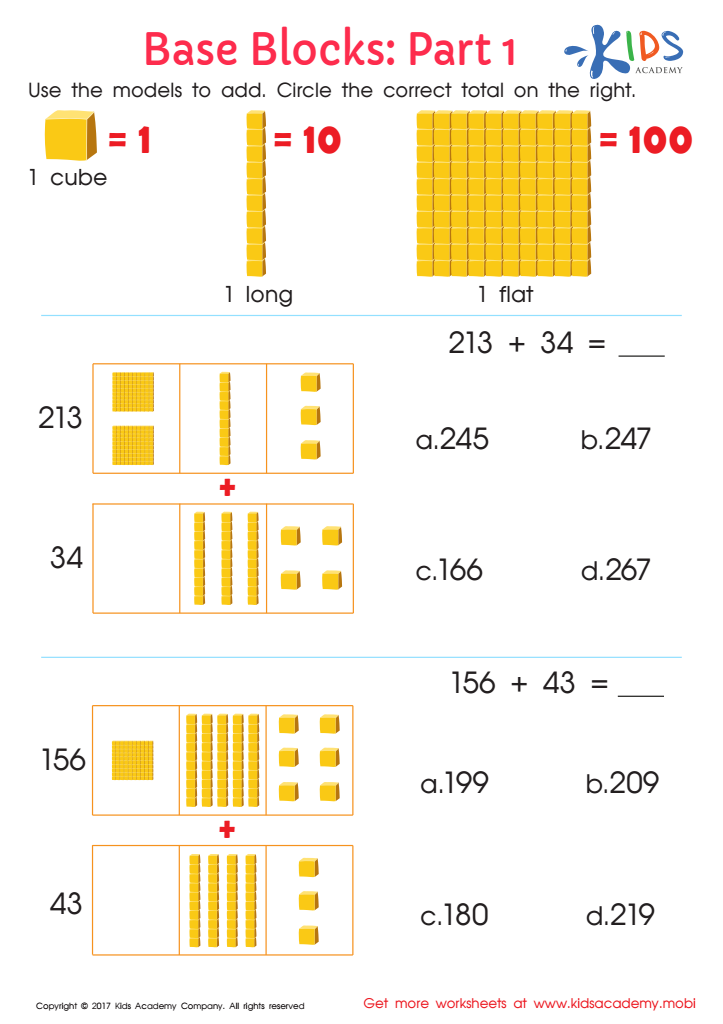
Base Ten Blocks Worksheet: Part 1
 Assign to My Students
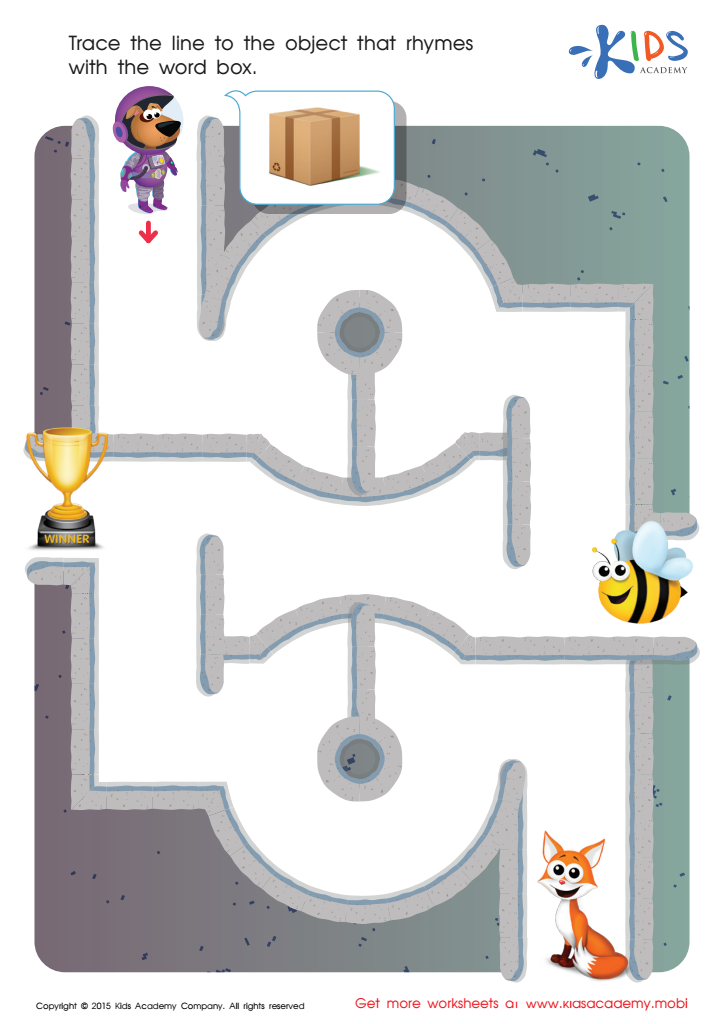
Box Rhyming Words Worksheet
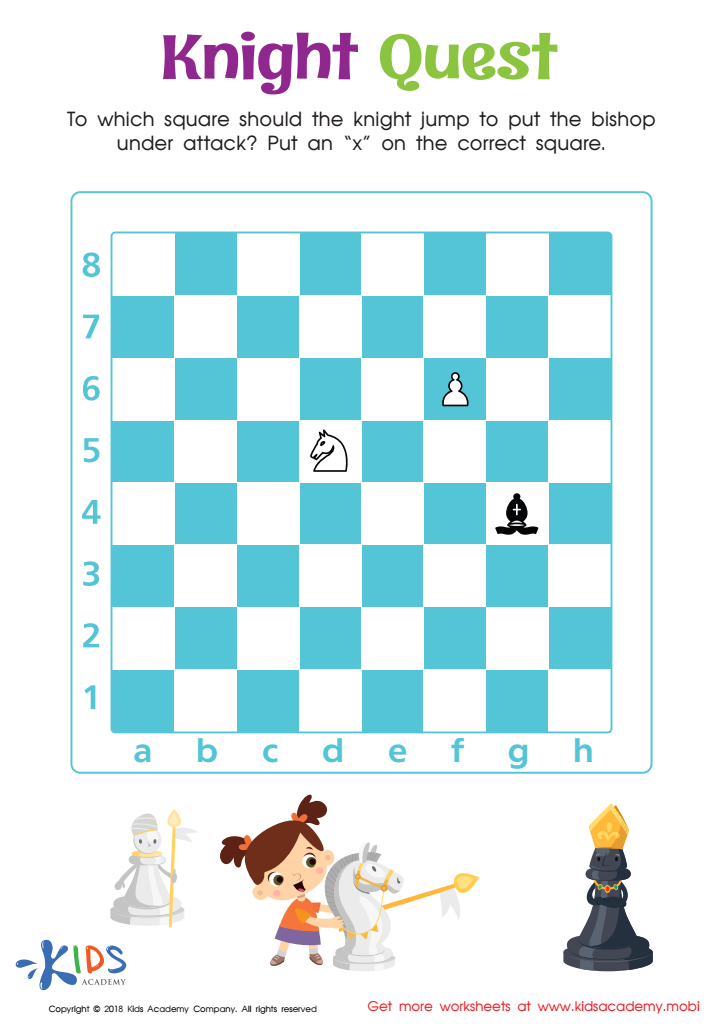
Knight Quest Worksheet







Parents and teachers should prioritize enhancing counting skills for children aged 3-9 because these skills form the foundation for future mathematical learning and cognitive development. During early childhood, the brain is exceptionally receptive to learning, making it a crucial period for developing essential number sense. Counting not only helps children understand the concept of numbers but also instills a sense of order and pattern recognition. This groundwork supports more advanced mathematical concepts, such as addition, subtraction, and even problem-solving strategies, that children will encounter later in their educational journey.
Moreover, counting activities engage children in hands-on learning, making abstract concepts tangible and easier to grasp. These skills are further integral in developing logical thinking and spatial awareness. Children who have strong counting abilities are often better at making comparisons, understanding sequences, and recognizing relationships between numbers, all of which are critical for everyday tasks and future academic success.
Socially, early competency in counting can boost a child’s confidence in the classroom, encouraging them to participate more fully in learning activities. For parents, involving themselves in counting exercises at home can strengthen the parent-child bond and create positive learning experiences. Therefore, focusing on enhancing counting skills during ages 3-9 equips children with critical tools that benefit their overall academic and personal growth.








