Enhancing Reading Comprehension Normal Worksheets for Ages 3-9 - Page 2
29 filtered results
-
From - To
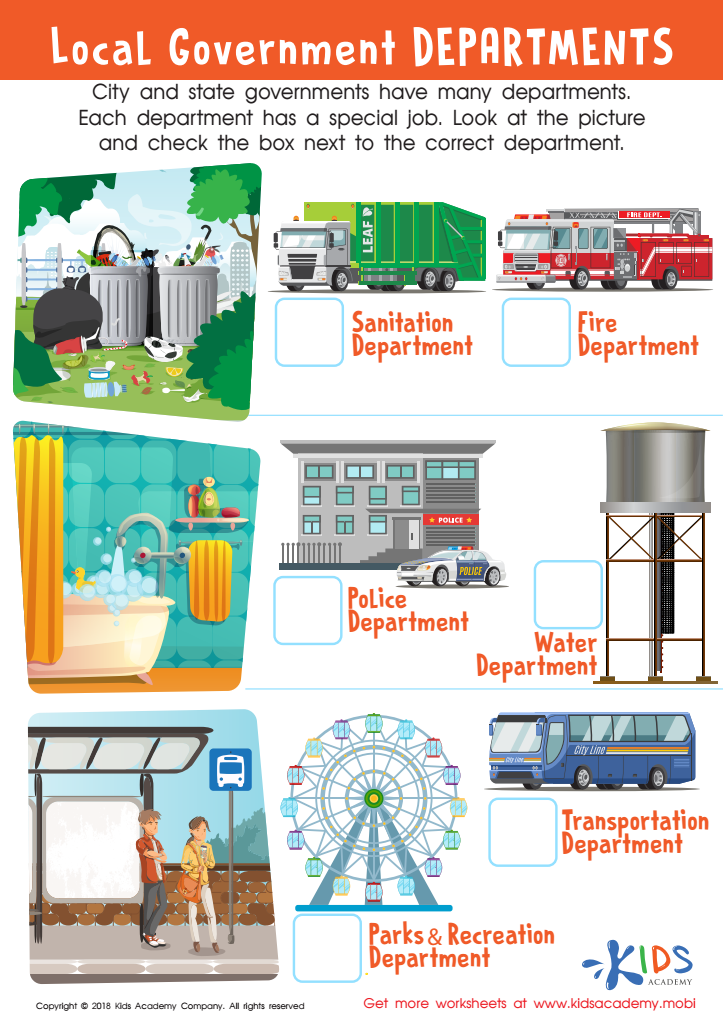
Local Government Departments Worksheet
 Assign to My Students
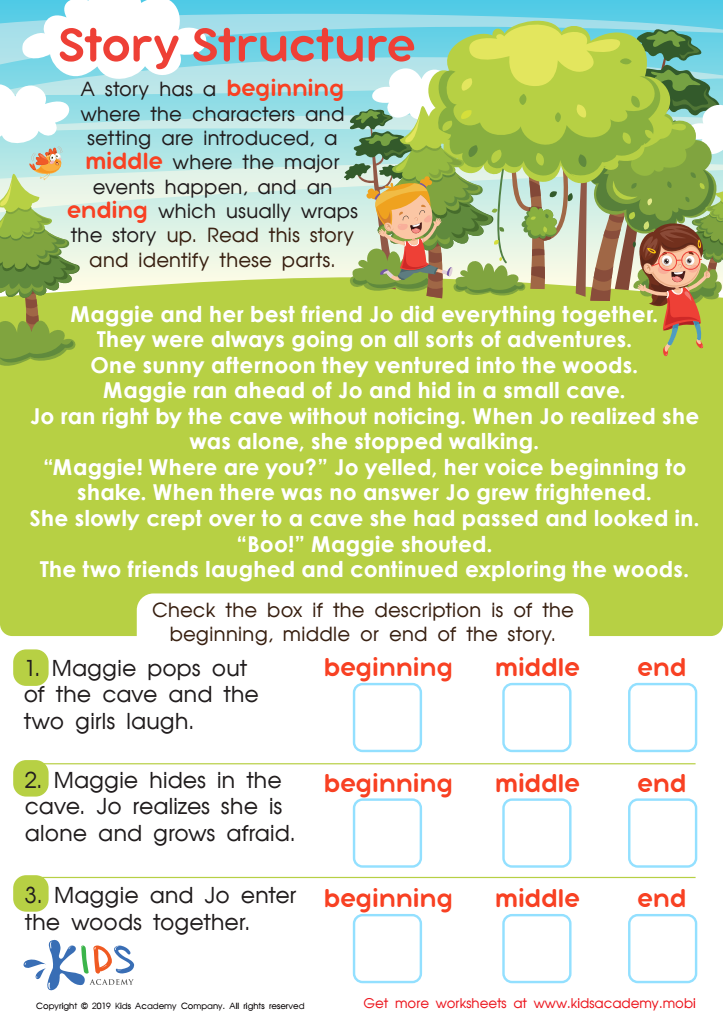
Story Structure Worksheet
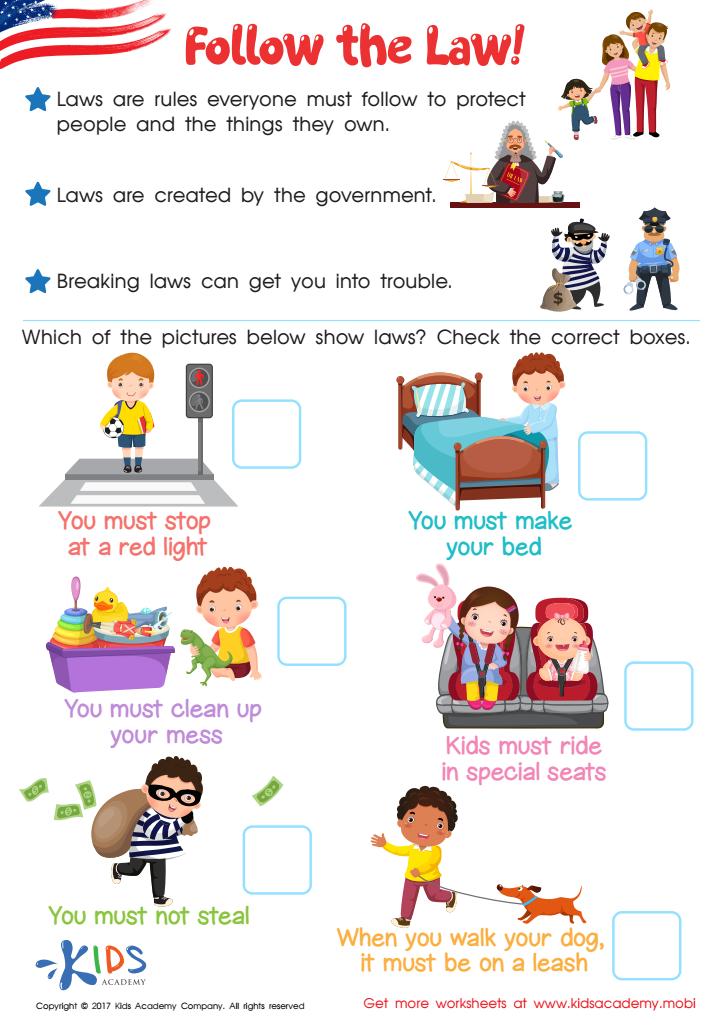
Follow the Law Worksheet
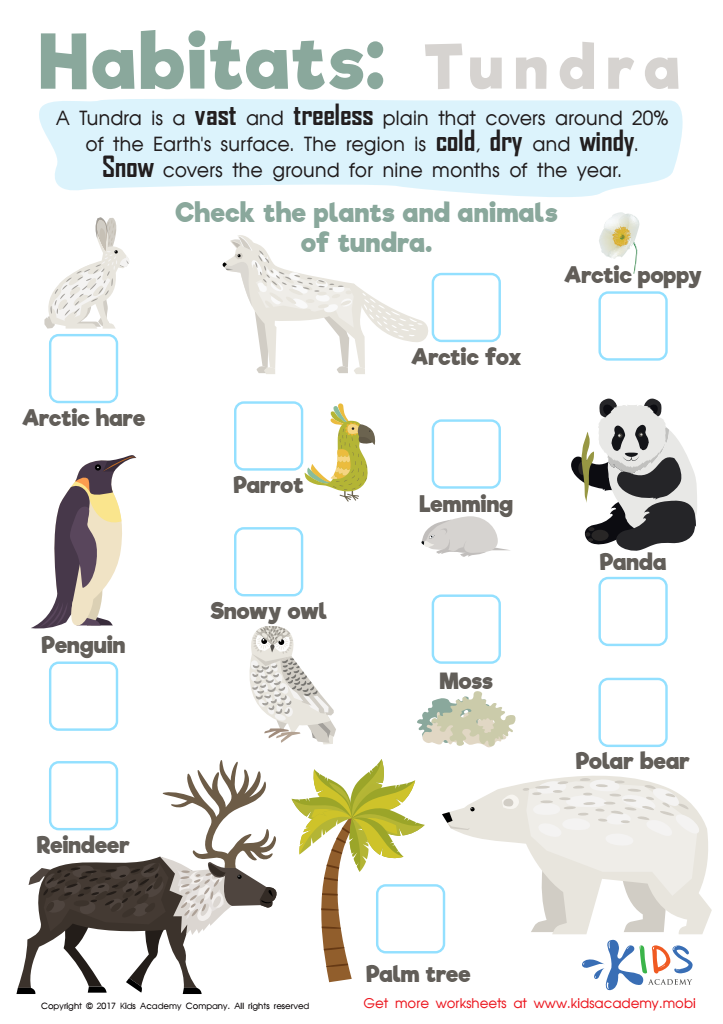
Tundra Habitats Worksheet
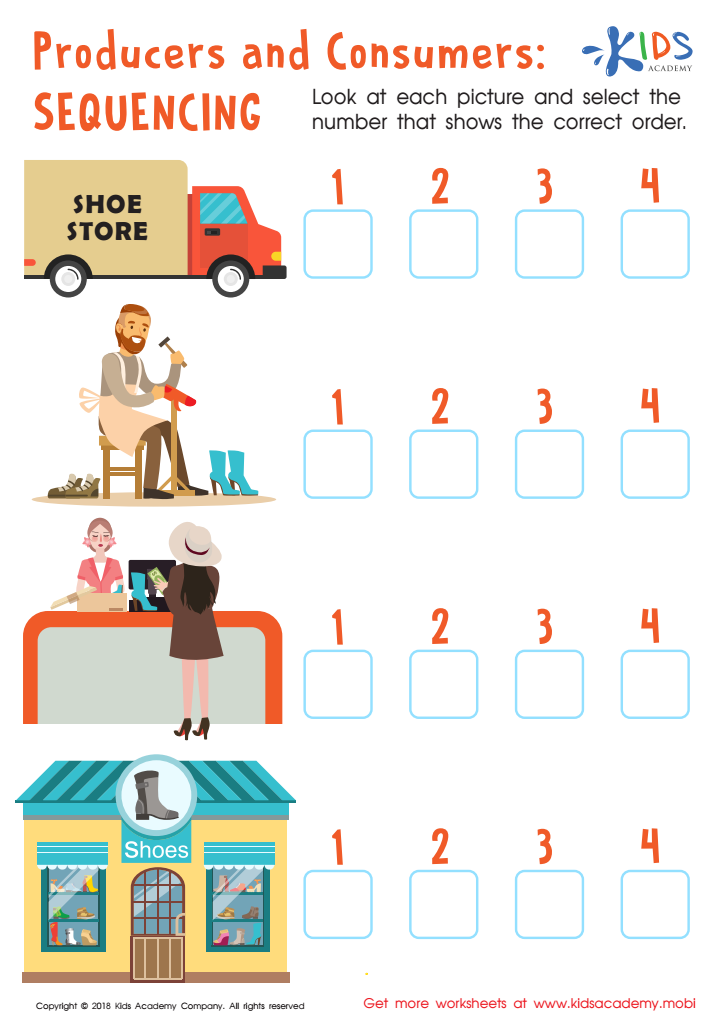
Producers and Consumers: Sequencing Worksheet


.jpg)





Enhancing reading comprehension in children aged 3-9 is foundational for their academic success and lifelong learning. Early literacy skills are closely linked to a child's ability to understand and process information, which is essential across all subjects, not just reading. Developing comprehension skills during these formative years fosters critical thinking, creativity, and problem-solving abilities, enabling children to make connections between texts and their own experiences.
Parents and teachers play a vital role in supporting reading comprehension. For parents, engaging children in reading activities—such as reading aloud and discussing stories—cultivates a love for literature and demonstrates the joy of understanding narratives. For teachers, implementing structured comprehension strategies in the classroom helps all students—especially those struggling with reading—develop effective comprehension techniques.
Investing time and resources to enhance reading comprehension can lead to improved vocabulary, enhanced listening skills, and greater emotional intelligence. Children who comprehend what they read are more likely to participate in discussions, express their ideas clearly, and build important social skills. Ultimately, prioritizing reading comprehension not only prepares children for academic success but also inspires them to become lifelong learners who navigate the world with confidence and curiosity.








