Letter-sound association Normal Worksheets for Ages 3-9
7 filtered results
-
From - To
Welcome to our "Letter-Sound Association Normal Worksheets" designed for children aged 3-9! These engaging and educational worksheets help young learners develop essential phonemic awareness by connecting letters with their corresponding sounds. The activities are designed to be fun and interactive, fostering a love for reading and writing early in life. Each worksheet features vibrant illustrations and simple exercises to guide children in recognizing letters and practicing their sounds effectively. Perfect for classroom settings or at-home learning, our worksheets support diverse learning styles and empower parents and educators to enhance literacy skills in young children. Discover the joy of learning today!
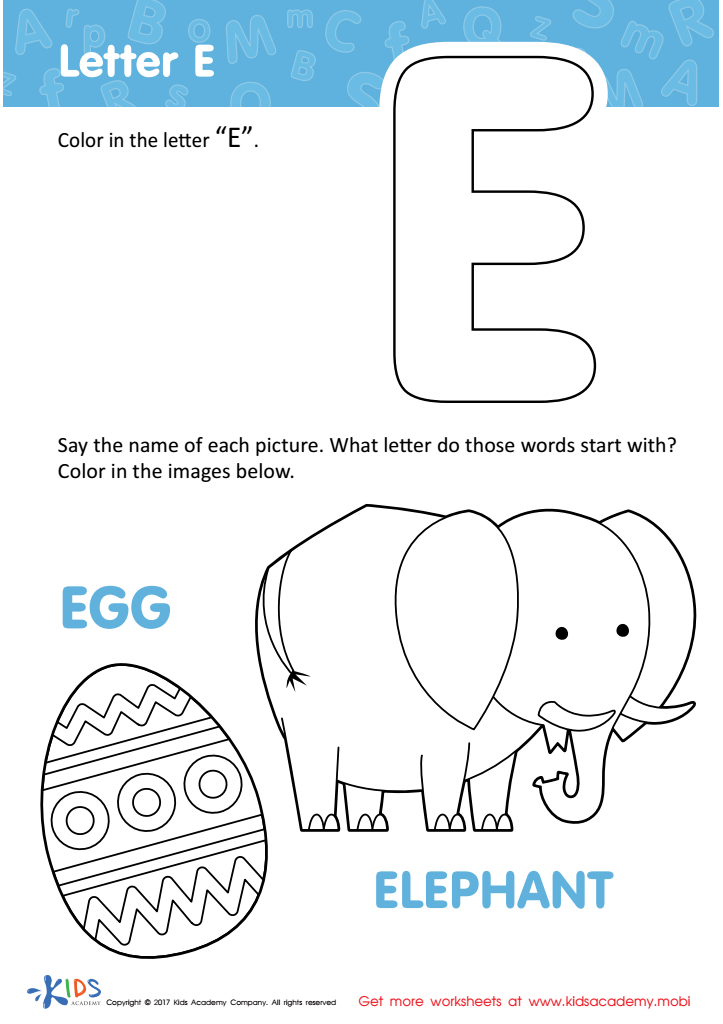
Letter E Coloring Sheet
 Assign to My Students
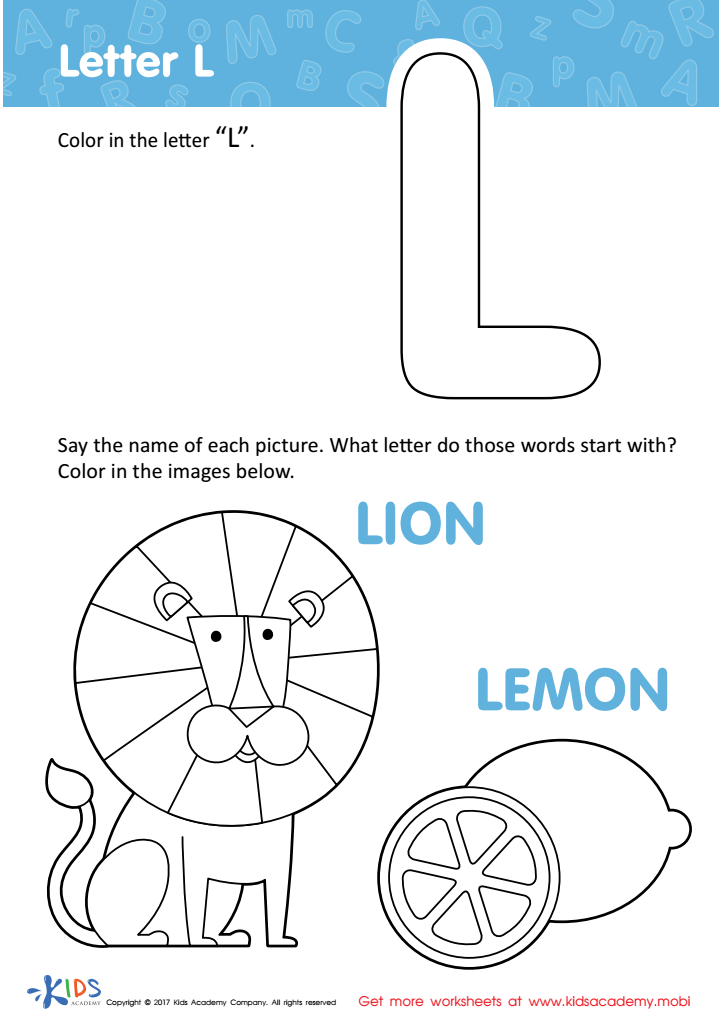
Letter L Coloring Sheet
Assign to My Students
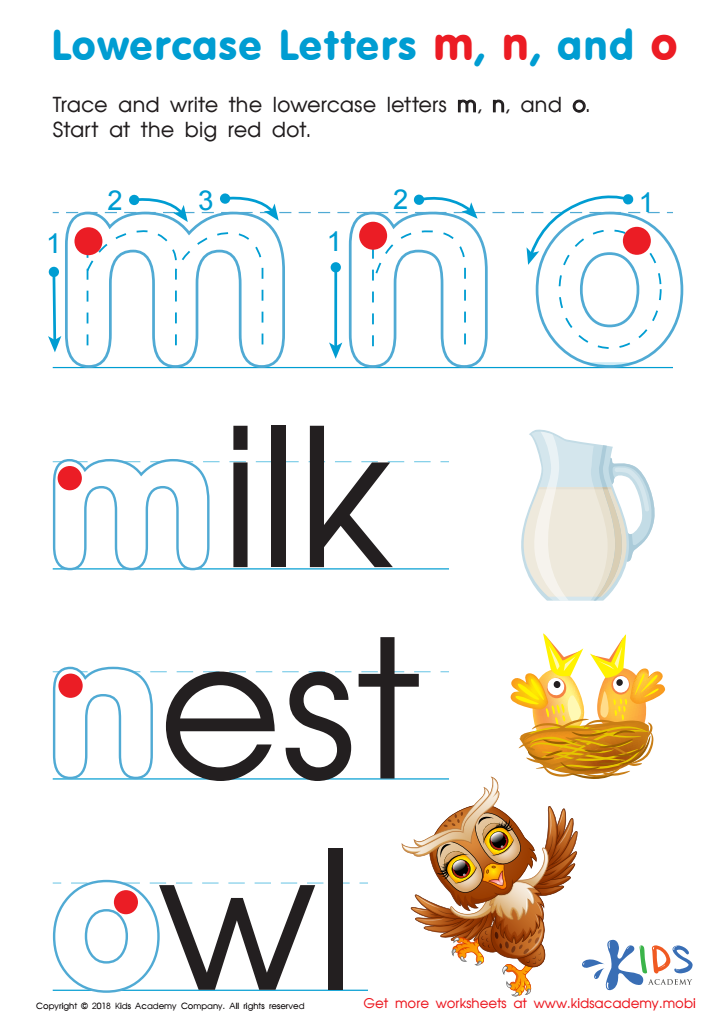
Lowercase Letters m n o Worksheet
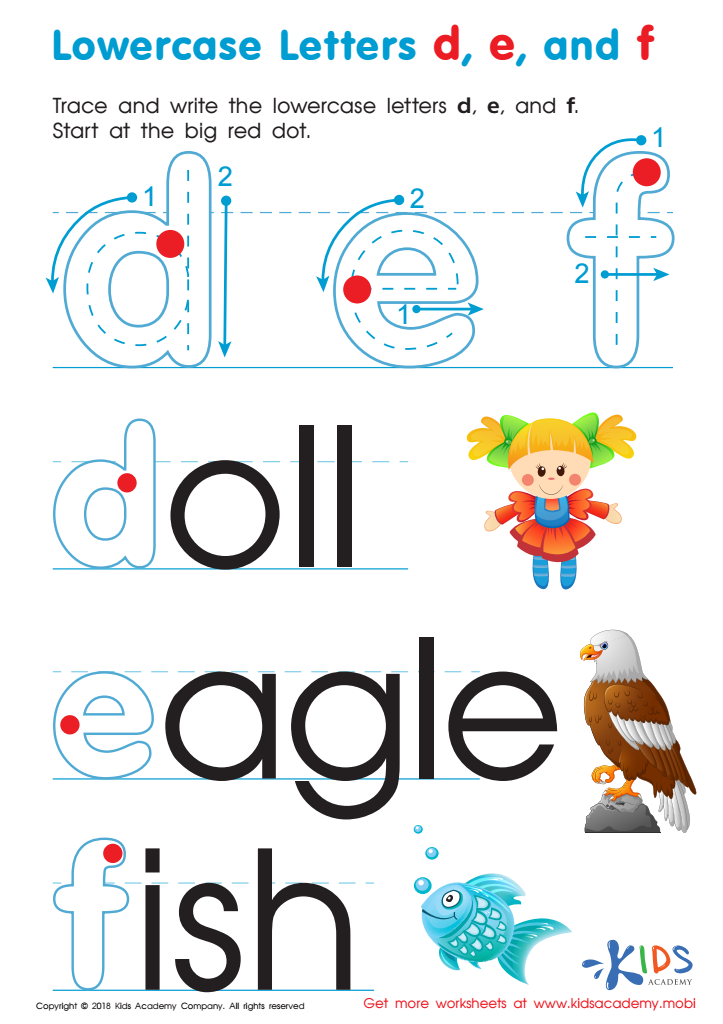
Lowercase Letters d e f Worksheet
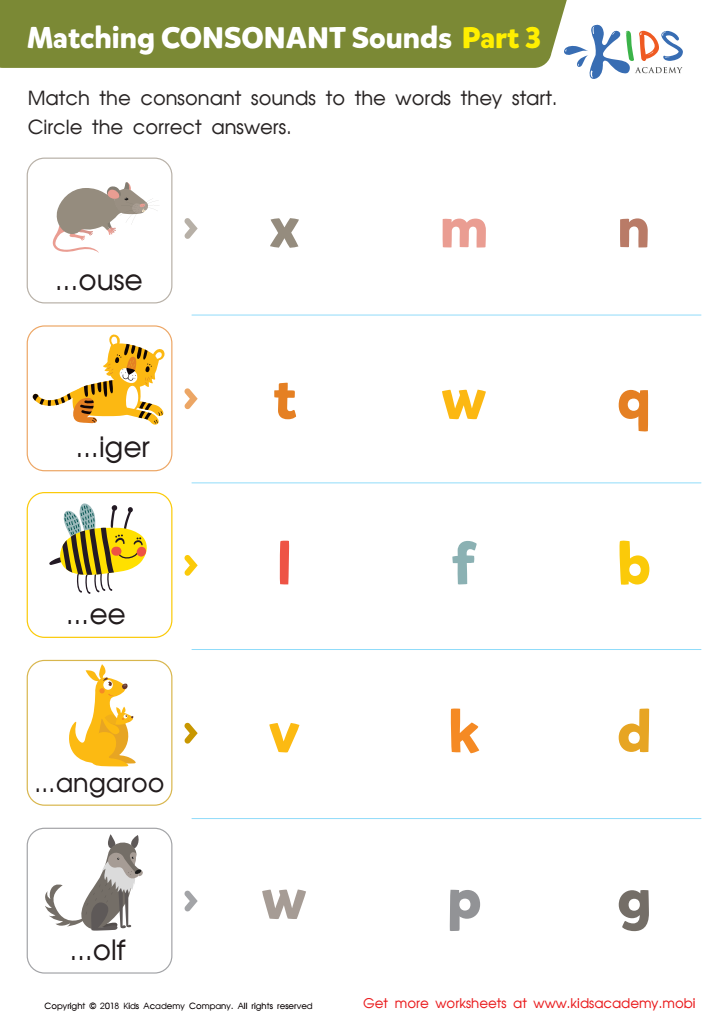
Matching Consonant Sounds: Part 3 Worksheet
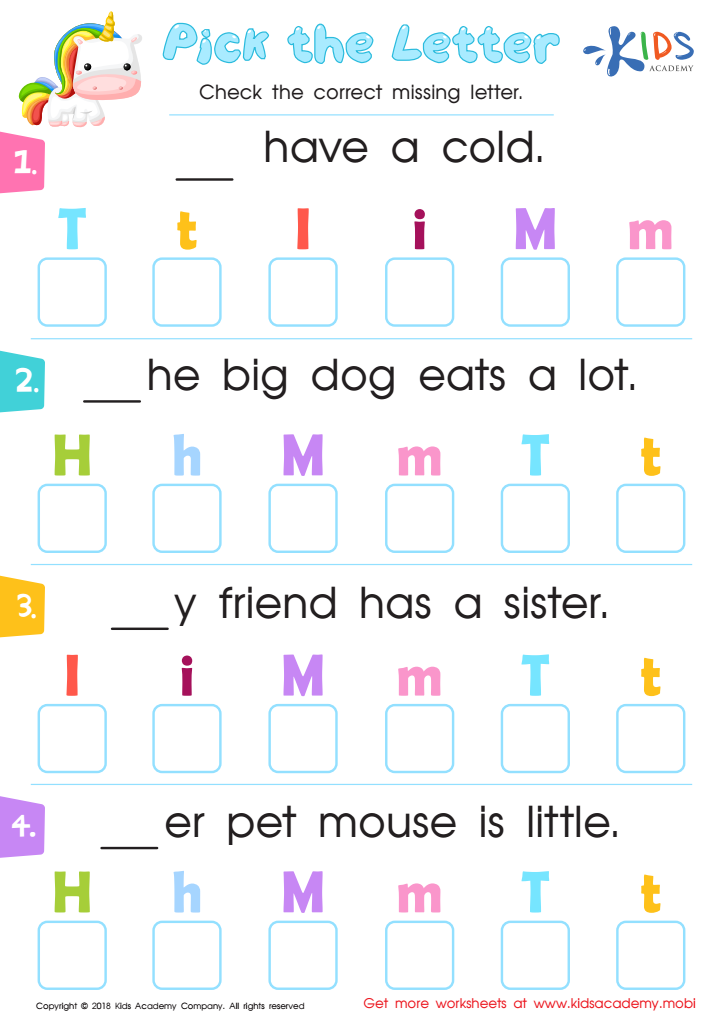
Pick the Letter Worksheet
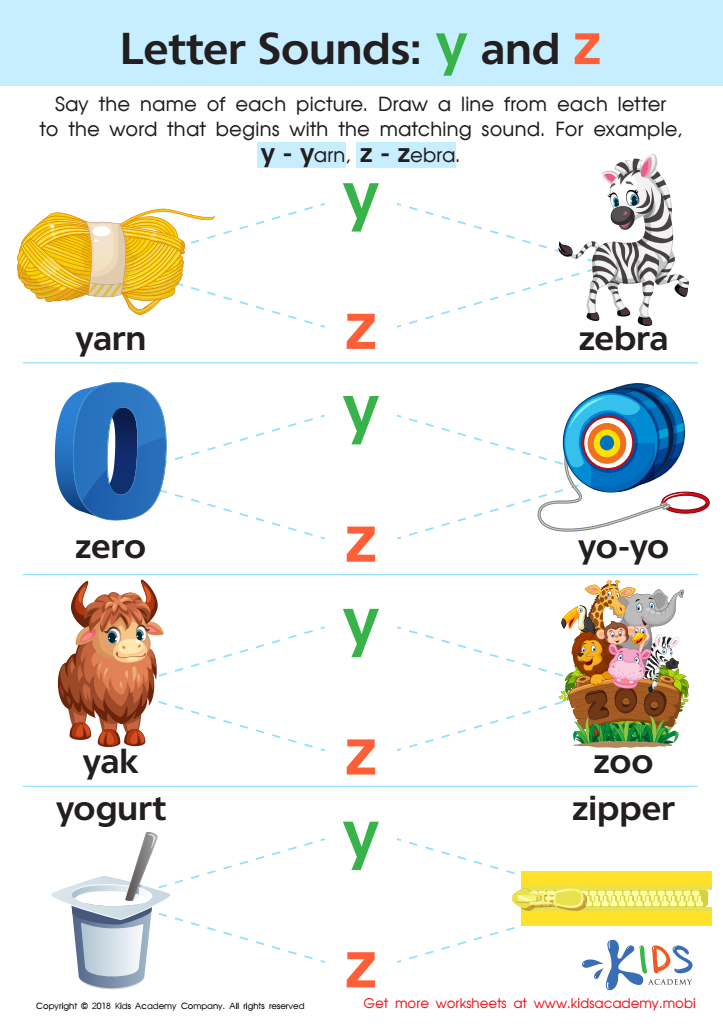
Letter Y and Z Sounds Worksheet







Letter-sound association, or phonemic awareness, is crucial for children aged 3-9 as it forms the foundation for reading and writing skills. Understanding that letters represent sounds helps children decode words, a vital step in learning to read. When parents and teachers focus on this skill, they empower children to recognize the sounds in spoken language and connect those sounds to written symbols.
This early literacy skill not only supports reading development but also enhances overall language skills, including pronunciation and vocabulary. When children experience a secure familiarity with letter-sound relationships, they build confidence and motivation to read independently. Moreover, strong reading abilities are correlated with academic success across subjects, encouraging lifelong learning.
Introducing letter-sound associations through engaging activities—like singing songs, playing rhyming games, or reading aloud—can make learning fun. This connection is especially significant in early childhood, where brain development is rapid, and external support plays a pivotal role.
When adults prioritize letter-sound recognition, they invest in their children’s educational future. By nurturing these skills early on, parents and teachers lay the groundwork for not just reading and writing, but also critical thinking and effective communication, shaping well-rounded, literate individuals.








