Money management Normal Worksheets for Ages 3-9
3 filtered results
-
From - To
Enhance your child's understanding of money management with our engaging worksheets designed specifically for ages 3-9. These Normal Worksheets encourage young learners to explore basic financial concepts, such as identifying coins, counting money, and simple budgeting. Each activity is crafted to be fun and informative, empowering children to develop essential money skills at an early age. Our resources support early education practices, making it easy for parents and educators to teach valuable lessons about saving, spending, and sharing. Discover creative ways to introduce finance education to your child with our high-quality, printable worksheets that inspire learning through play!
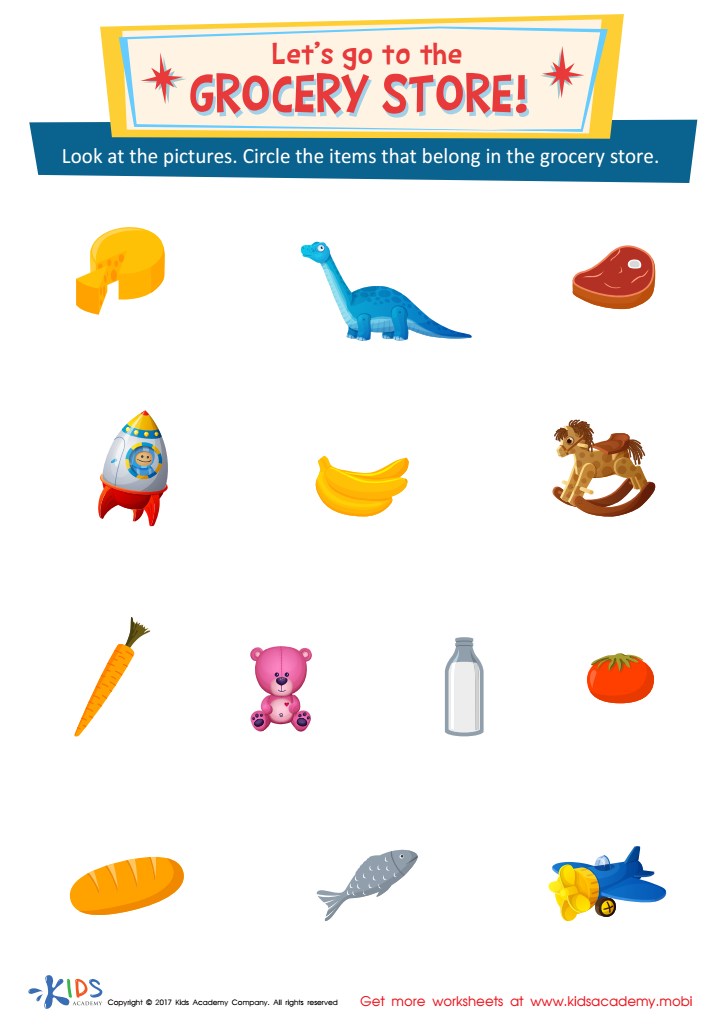
Grocery Store Worksheet
 Assign to My Students
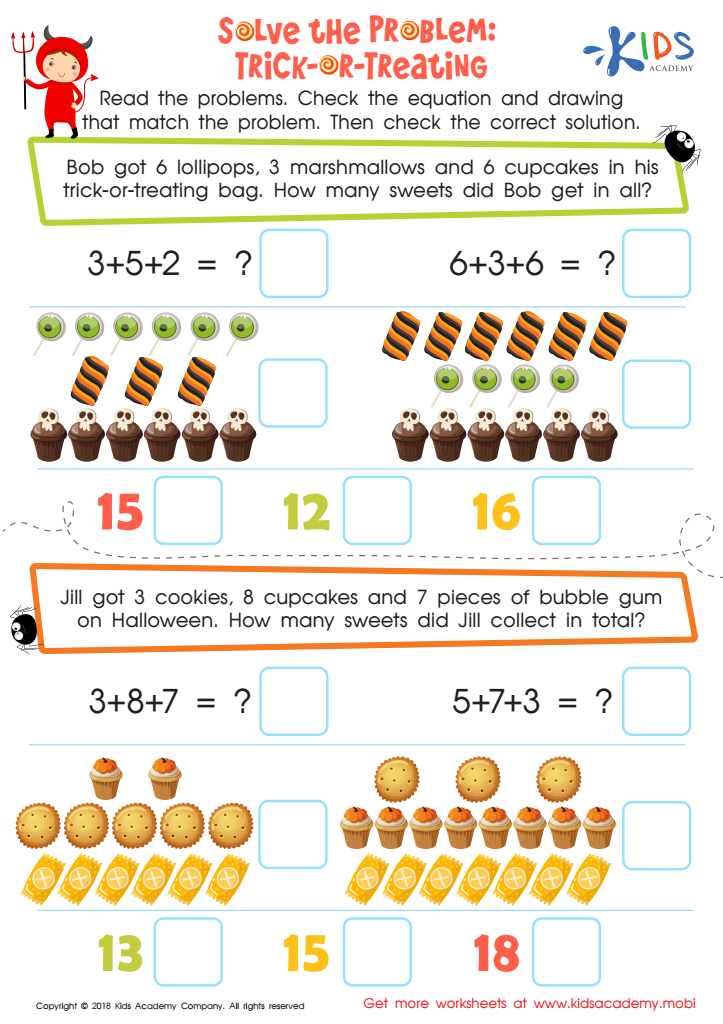
Solve the Problem: Trick–or–treating Worksheet
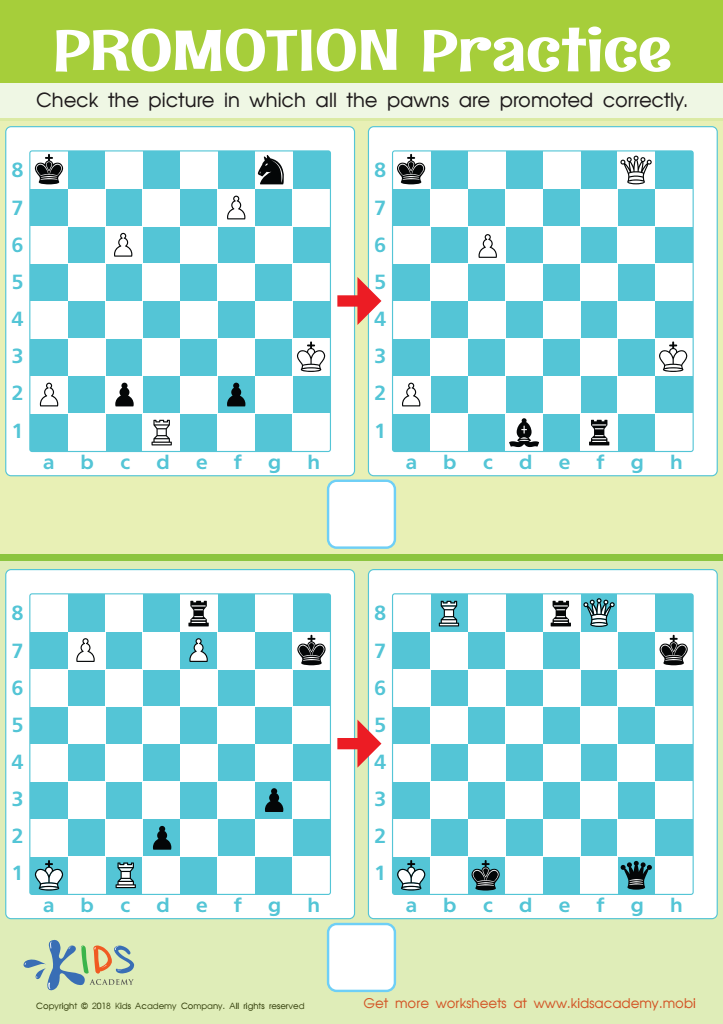
Promotion Practice Worksheet







Teaching money management to children aged 3-9 is crucial for fostering essential life skills early on. At this young age, children are naturally curious and attentive learners, making it the perfect time to introduce concepts of money, such as saving, spending, and sharing. Understanding the value of money helps them develop critical thinking skills and promote responsible decision-making.
By instilling financial literacy early, parents and teachers can lay a strong foundation for children's long-term financial well-being. Introducing basic concepts, like distinguishing between needs and wants, encourages kids to think thoughtfully about their choices. Engaging them in playful activities, such as role-playing or using allowances, makes learning enjoyable and memorable.
Additionally, early money management education can help reduce future financial stress, as children grow up equipped with the knowledge to handle money wisely. As they transition into adolescence and adulthood, these competencies will empower them to make informed financial choices, avoid debt, and build savings.
Involving communities and families in this educational process enriches children's understanding and reinforces key messages. By prioritizing money management education for young children, we can enable them to thrive financially, emotionally, and socially as they grow into responsible adults.








