
Pre-writing skills Normal Worksheets for Ages 3-9
4 filtered results
Difficulty Level
Grade
Age
-
From - To
Subject
Activity
Standards
Explore our engaging Pre-Writing Skills Worksheets specifically designed for children aged 3-9! These worksheets are an essential resource to help young learners develop fine motor skills and prepare for early writing activities. With a variety of fun, age-appropriate exercises, students will practice tracing shapes, letters, and numbers, all while enhancing their hand-eye coordination and pencil grip. Our carefully crafted worksheets promote creativity and confidence as children embark on their writing journey. Perfect for educators, parents, and caregivers, these resources support early childhood development and pave the way for successful future learning. Download the worksheets today and watch your child's writing skills flourish!
Favorites
With answer key
Interactive
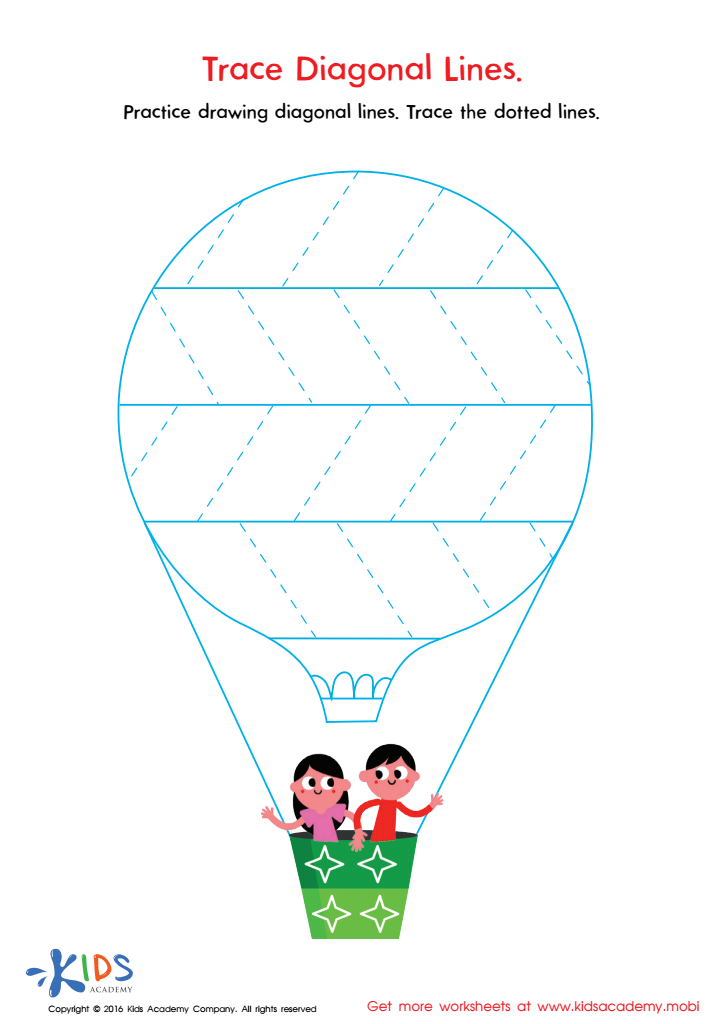
Trace Diagonal Lines Worksheet
This tracing diagonal lines worksheet offers preschoolers a great way to build fundamental skills in handwriting and drawing. Doing so helps them practice patterning, a key skill that will benefit them in writing, drawing, and math.
 Assign to My Students
Trace Diagonal Lines Worksheet
Worksheet
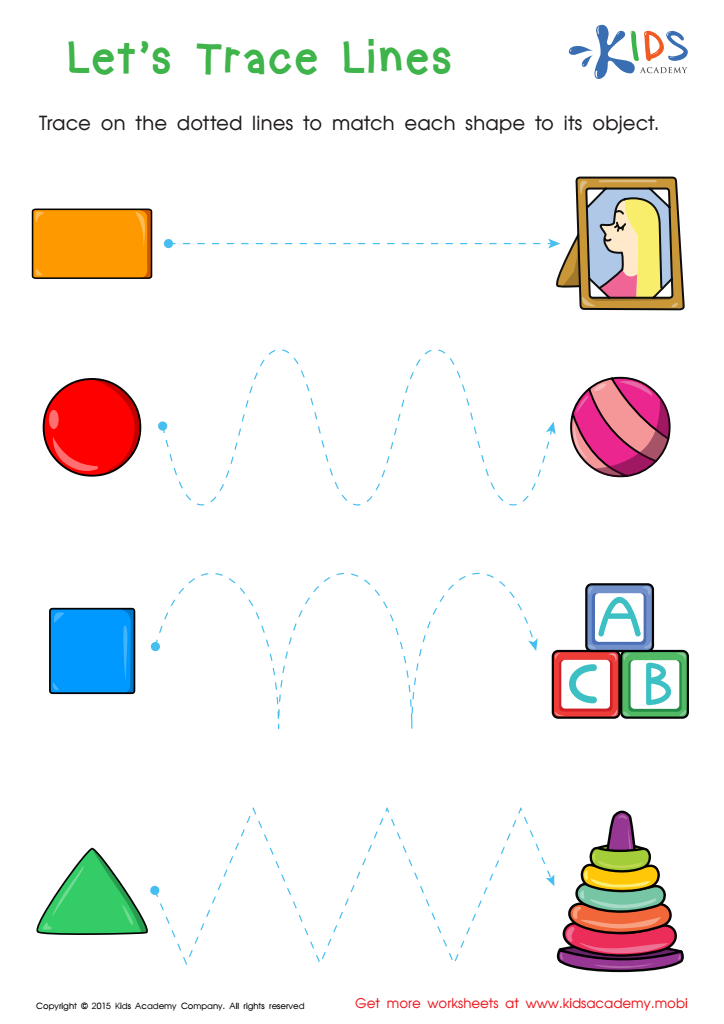
First Words: Let's Trace Lines Worksheet
Printable tracing lines for toddlers will provide your little one with the skills needed for future handwriting success. Proper grip, fine motor skills, and hand-to-eye coordination are key. Let's get their writing journey off to a great start!
First Words: Let's Trace Lines Worksheet
Worksheet
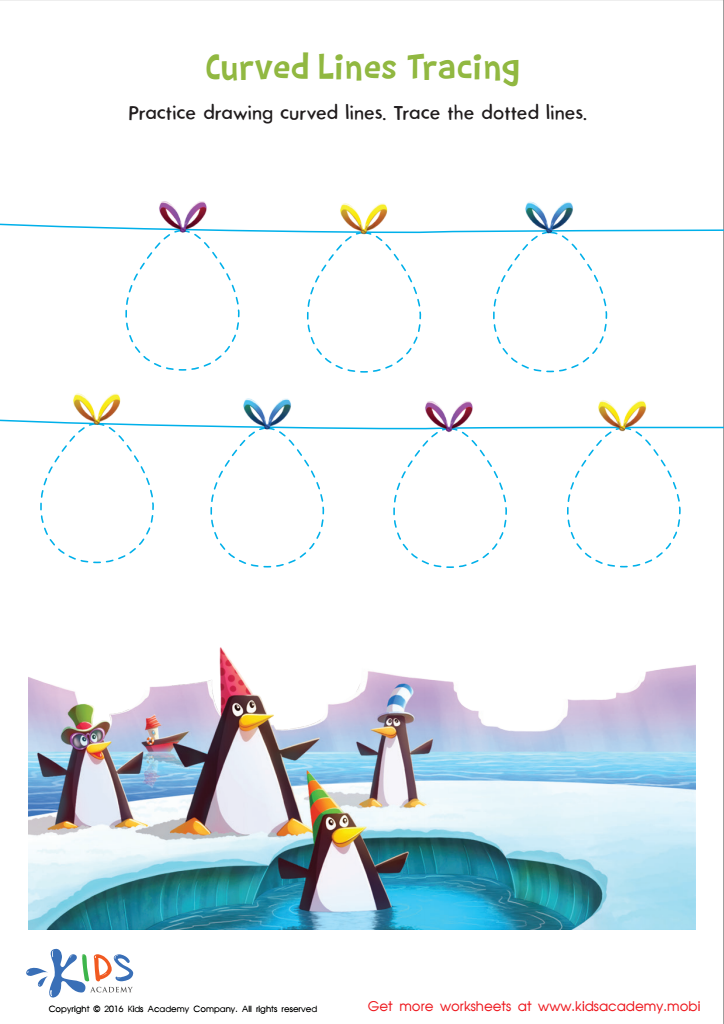
Curved Lines Tracing Worksheet
Tracing curved lines worksheets are a great way to help your child develop fine motor skills, form proper writing habits and sharpen hand-eye coordination. An adorable worksheet featuring characters from our popular app helps make practice fun! It also helps build focus, stamina and overall confidence in their writing ability. Offer your child meaningful tracing practice and give them a head start in life!
Curved Lines Tracing Worksheet
Worksheet
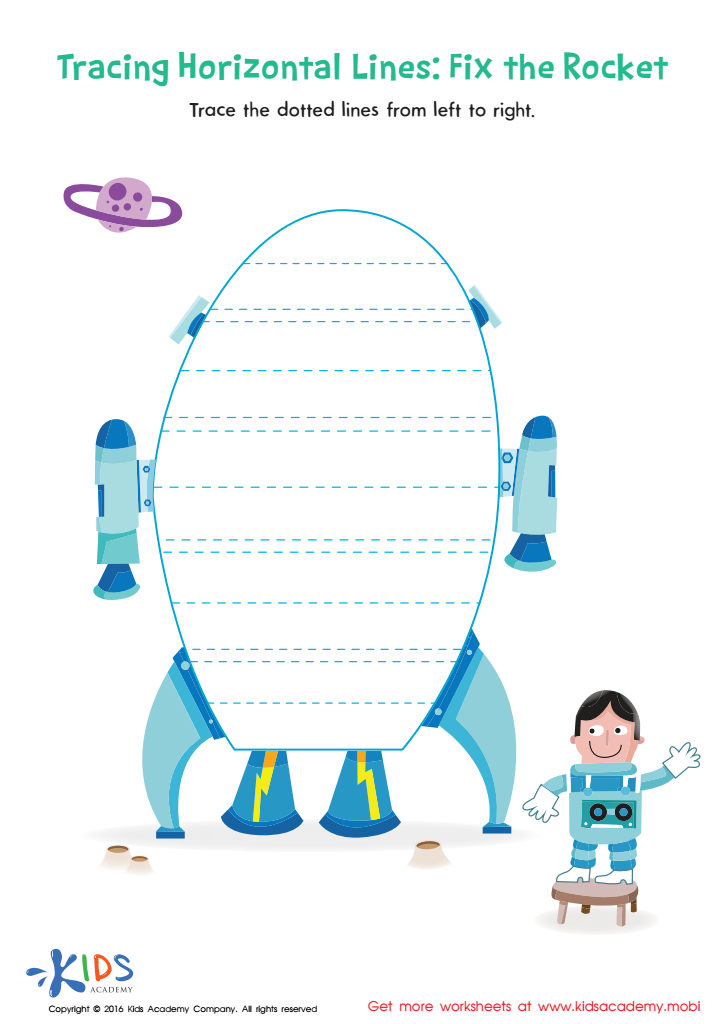
Tracing Horizontal Lines Worksheet
Your child can improve hand-to-eye coordination and pencil grip by tracing horizontal lines on this worksheet. They will have fun drawing lines on the rocket ship, tracing the dotted lines, and then coloring it in. Encourage them to keep going for even more enjoyment!
Tracing Horizontal Lines Worksheet
Worksheet
Join Kids Academy for Free
Who is primarily going to use this learning content?







Pre-writing skills are crucial for children's early development, particularly for ages 3-9, as they form the foundation for later writing abilities and overall literacy. These skills include the ability to hold a pencil correctly, control movements, and understand spatial orientation. Developing these skills promotes fine motor coordination and encourages cognitive development through the act of practicing writing components like lines, curves, and shapes.
For parents and teachers, nurturing pre-writing skills means fostering a child's confidence and preparedness for academic success. Young children learn to express themselves through drawing and mark-making, which are essential precursors to writing. When they engage in activities that strengthen these skills, such as tracing, coloring, or manipulating play dough, they enhance their ability to articulate thoughts on paper later on.
Moreover, early intervention is critical. If pre-writing skills are not developed during these formative years, children may face increased difficulty in learning to write effectively, leading to frustration and decreased motivation in school. Therefore, caregivers should prioritize engaging, interactive activities that bolster these skills, ensuring children are well-equipped to master writing in subsequent grades. Supporting pre-writing development ultimately contributes to a smoother educational journey and greater confidence in communication.








