Shape identification Normal Worksheets for Ages 3-9
9 filtered results
-
From - To
Discover the perfect resource for helping young learners master foundational geometry skills! Our Shape Identification Normal Worksheets, tailored for ages 3-9, offer engaging and developmentally-appropriate activities that make learning shapes fun and effective. These worksheets feature age-appropriate exercises to identify, compare, and draw basic shapes, fostering critical thinking and spatial awareness. Whether it's circles, squares, or triangles, your child will enjoy a variety of hands-on activities designed to reinforce shape recognition and advance their learning skills. Ideal for both classroom and home use, these worksheets nurture a love for learning while building essential early math foundations.
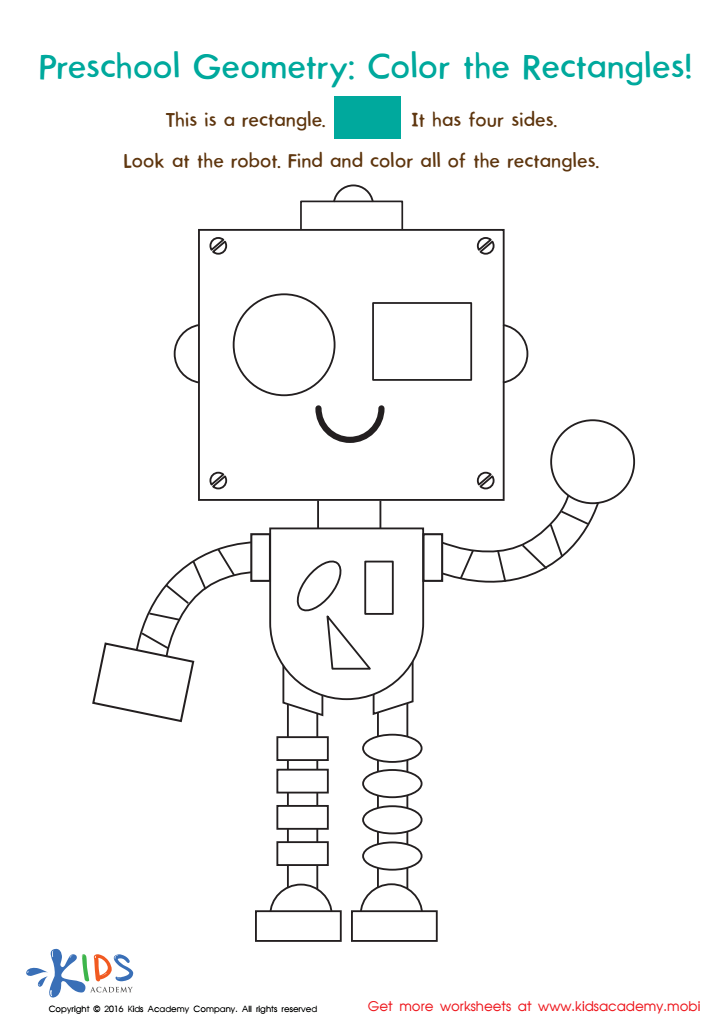
Geometry Worksheet
 Assign to My Students
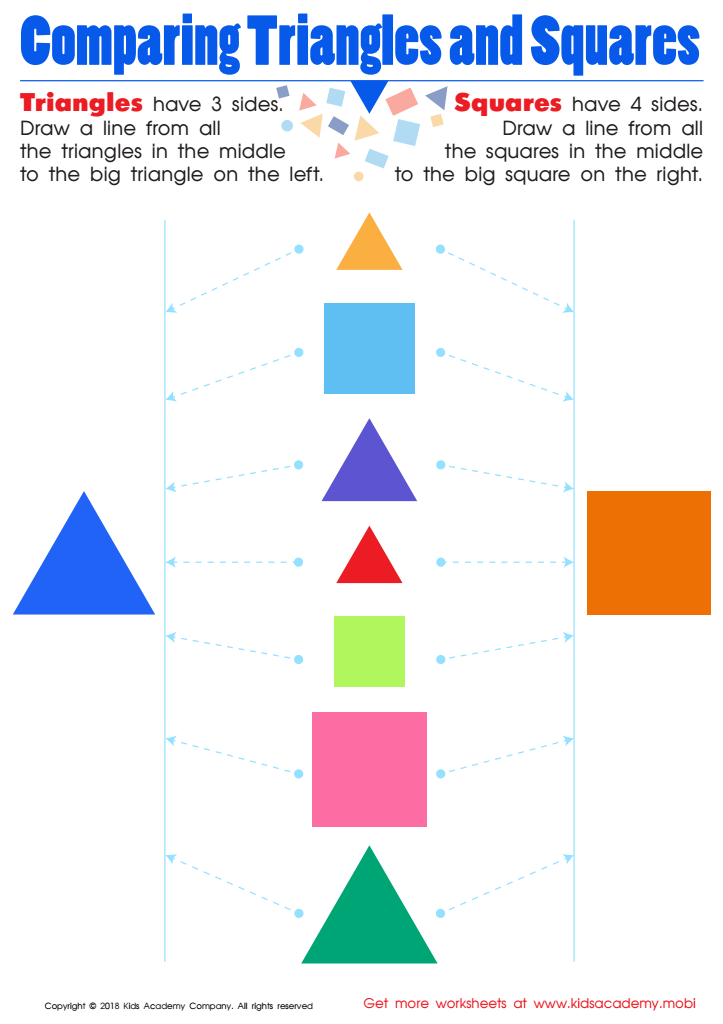
Comparing Triangles Squares Worksheet
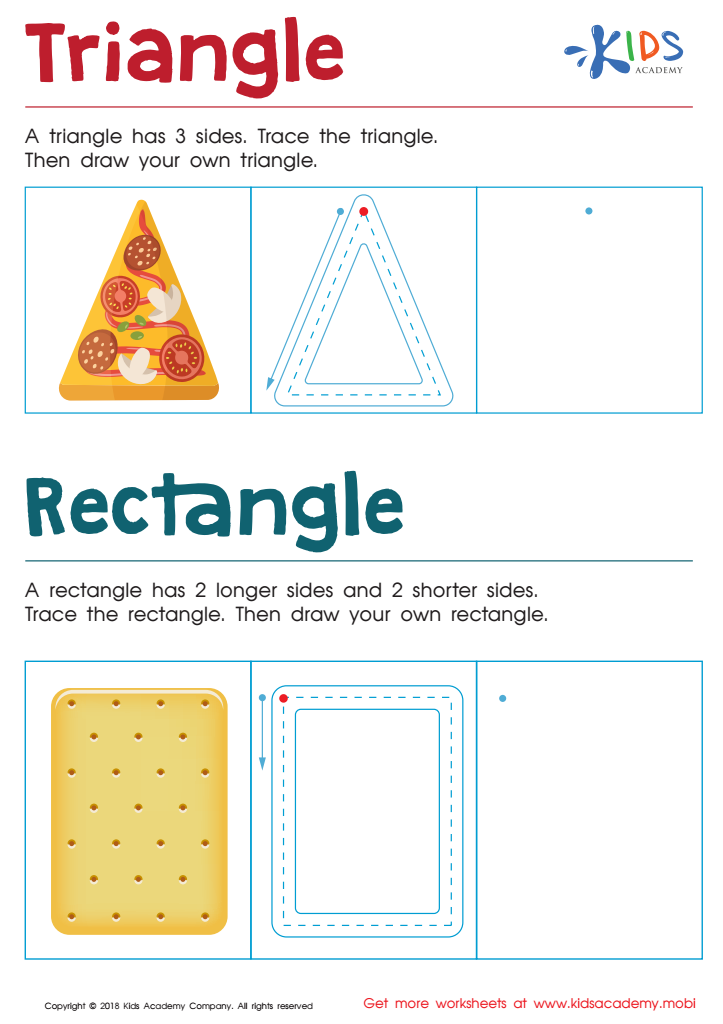
Triangle Rectangle Worksheet
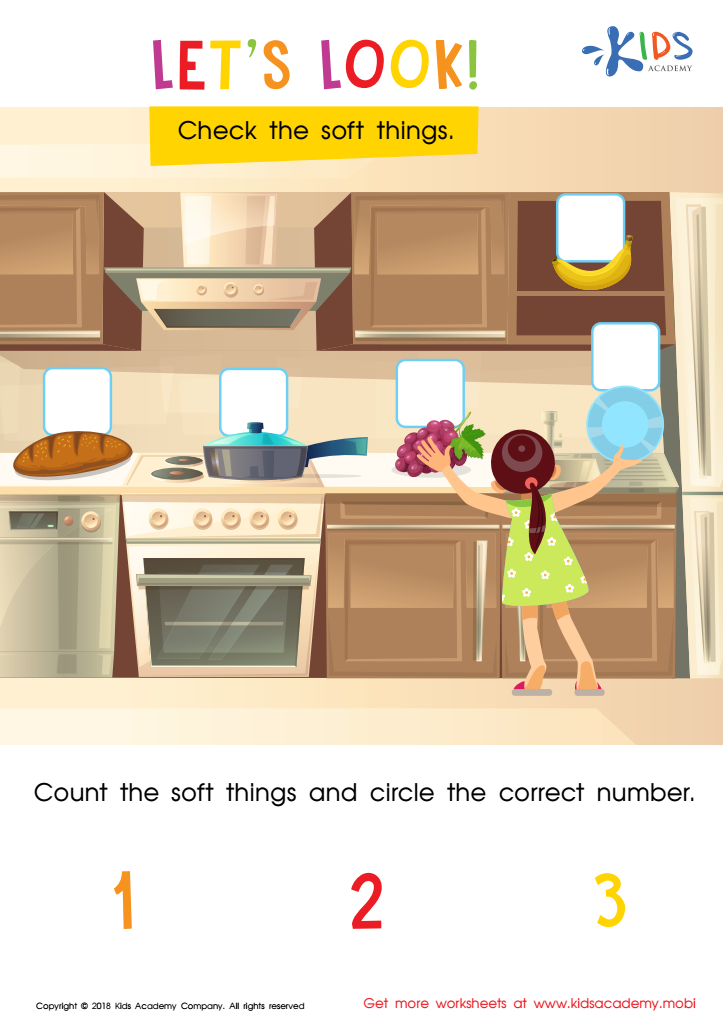
Let's Look! Assessment Worksheet
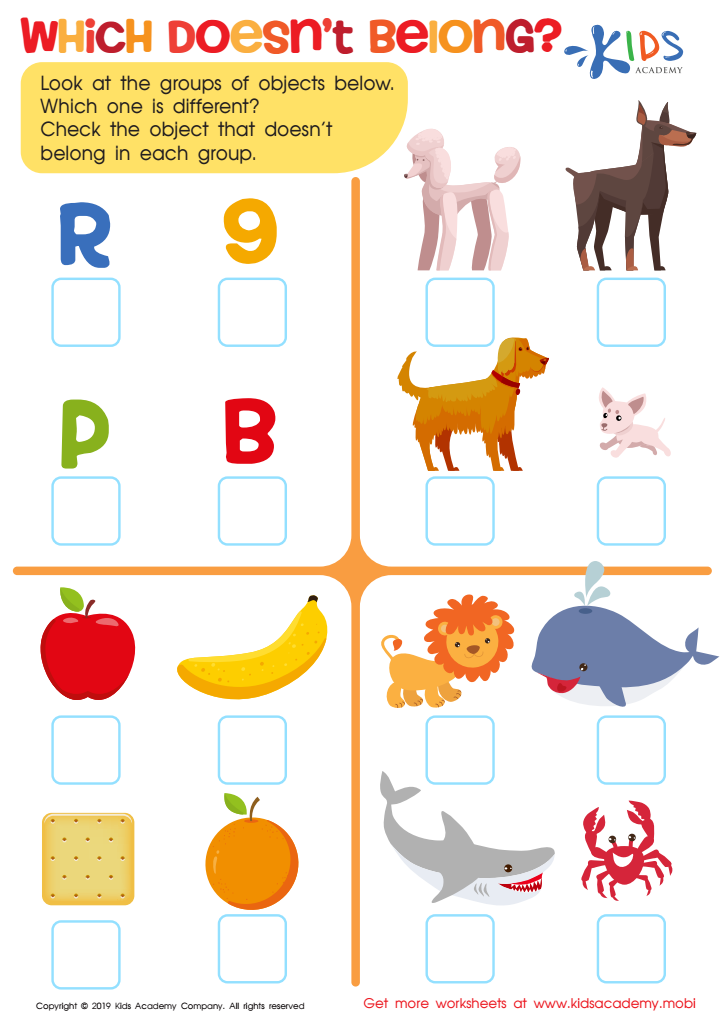
Which Doesn't Belong? Worksheet
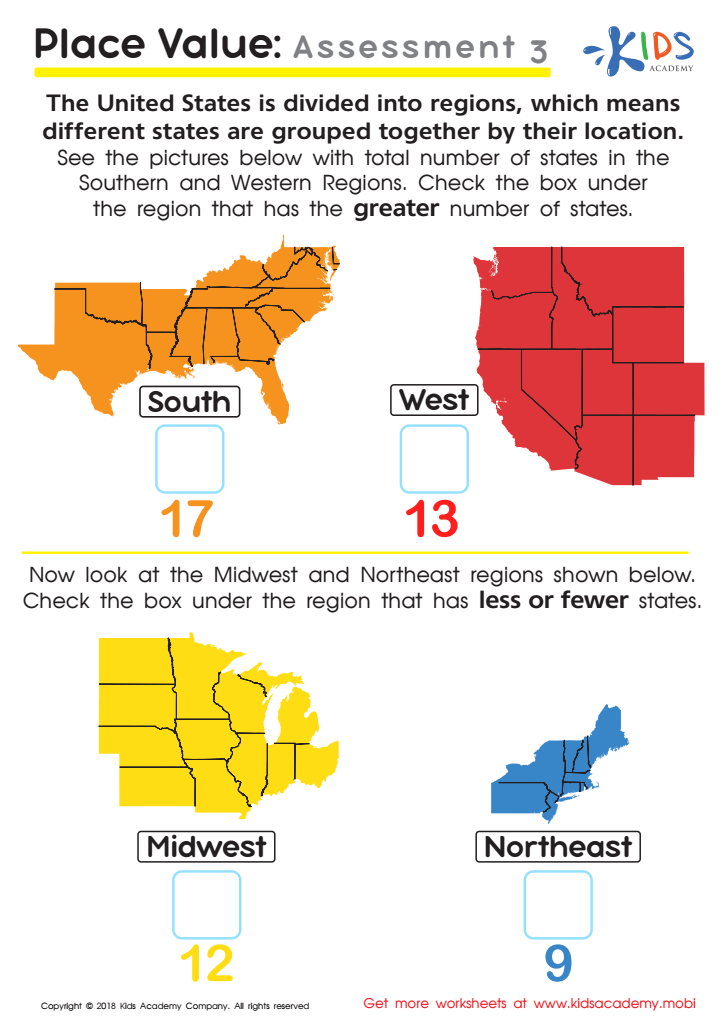
Place Value: Assessment 3 Worksheet
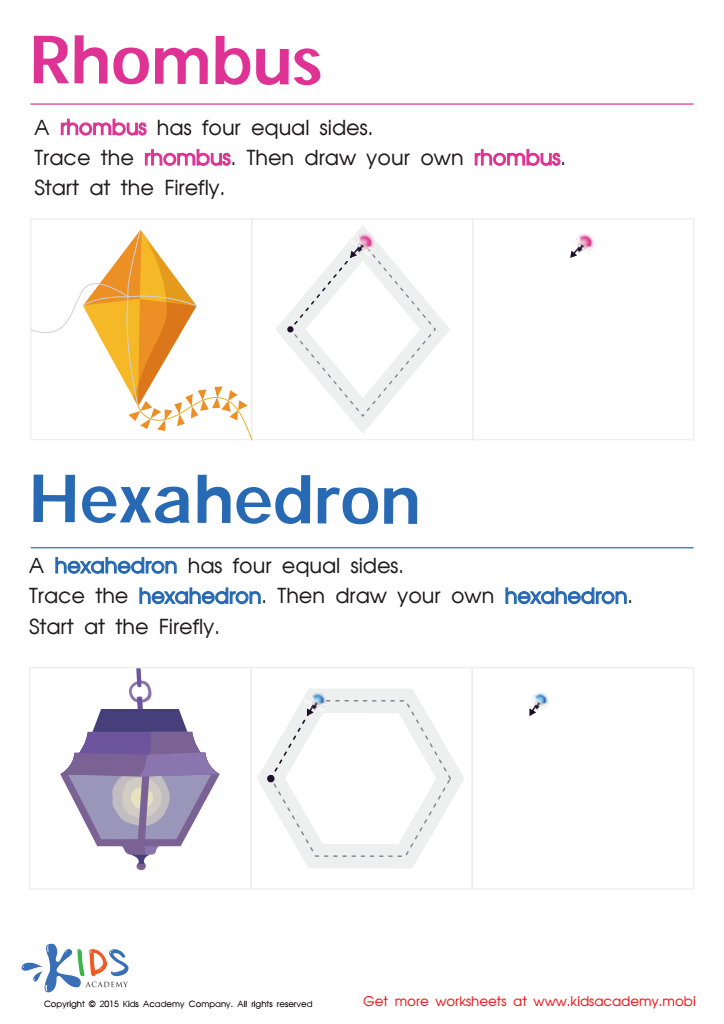
Draw a Rhombus And a Hexahedron Printable
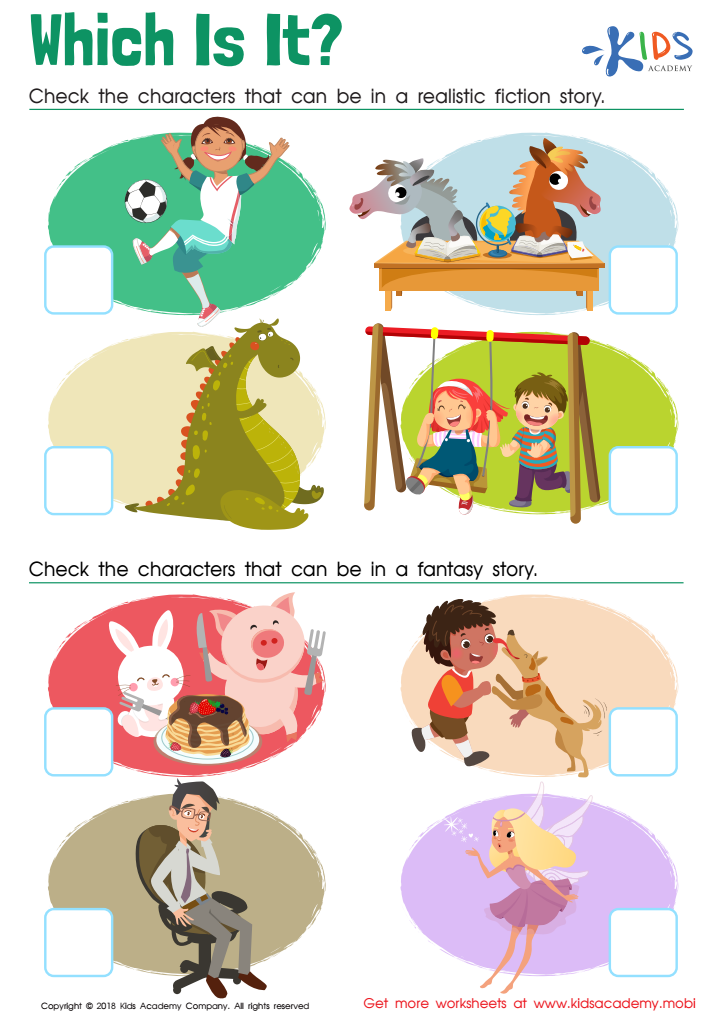
Which Is It? Worksheet
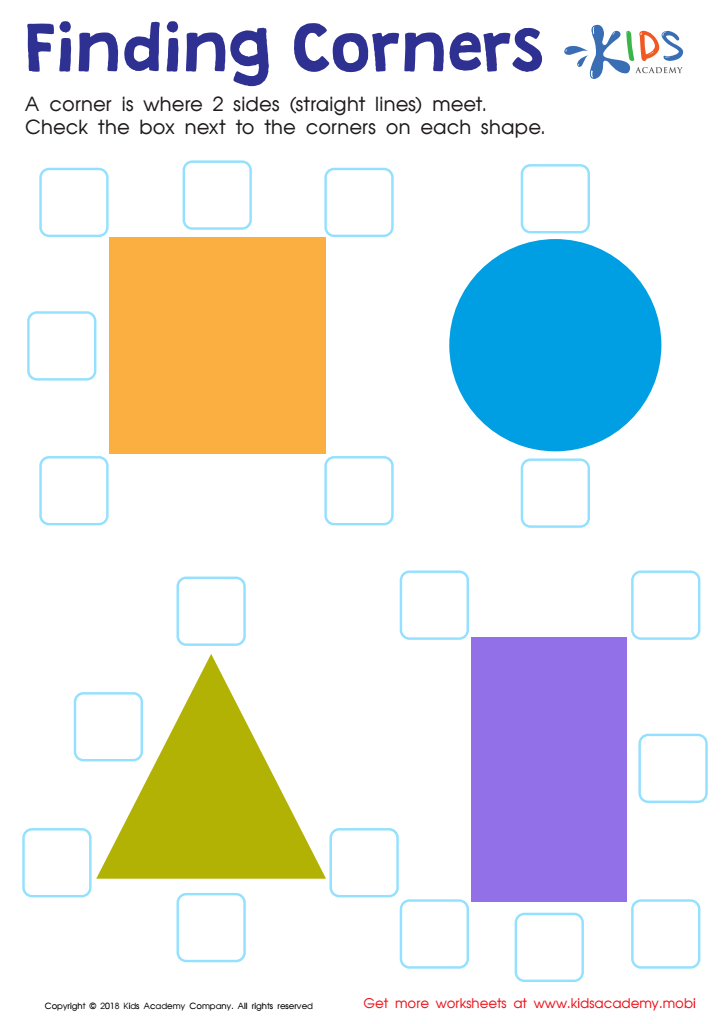
Finding Corners Worksheet








Shape identification is crucial for children aged 3-9, laying the groundwork for their cognitive and academic development. At this formative stage, recognizing and naming shapes enhances visual perception, fine motor skills, and spatial awareness, which are essential for myriad tasks. Understanding shapes helps children make sense of the world around them, as shapes are foundational to understanding both geometry and more complex mathematical concepts later on.
Early shape identification fosters critical thinking and problem-solving skills. When children discern the differences and similarities among shapes, they learn classification and pattern recognition, core skills in mathematics, science, and even language arts. For instance, recognizing a shape's properties like the number of sides or corners helps in grasping local numeric concepts.
Moreover, shape identification is often a child’s first encounter with basic geometry, easing the transition to learning about 2D and 3D figures. As children manipulate and play with different shapes, they develop spatial relations and hand-eye coordination, stuabilities required for numerous educational activities and daily life.
Encouraging shape recognition through play, puzzles, and drawing also makes learning enjoyable, thereby fostering a lifelong love of learning. Thus, parents and teachers can give children strong foundational tools to succeed academically and in everyday problem-solving by emphasizing shape identification.








