Visual recognition skills Normal Worksheets for Ages 3-9
3 filtered results
-
From - To
Enhance your child's visual recognition skills with our specially designed worksheets for ages 3-9. At Kids Academy, we offer a variety of engaging, printable activities that help young learners identify and distinguish shapes, colors, letters, and patterns. Our worksheets support cognitive development by encouraging children to observe, compare, and categorize efficiently, promoting sharper visual memory and attention to detail. Perfect for both fun and educational settings, these resources are crafted to build a strong foundation in visual literacy. Give your child the tools they need to excel with our top-quality visual recognition worksheets!
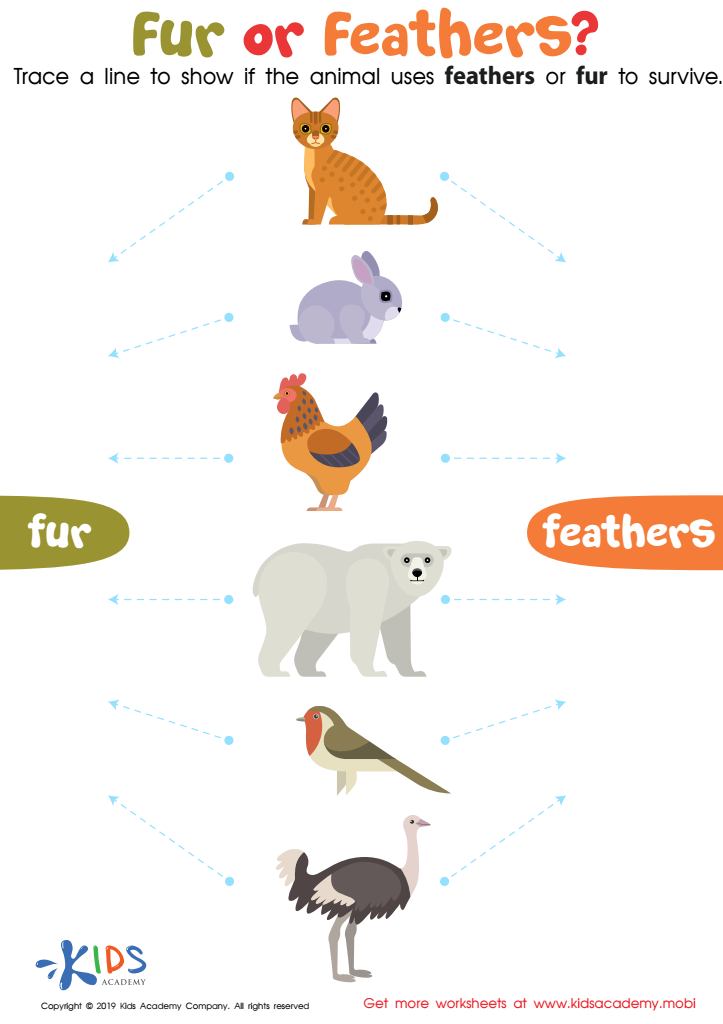
Fur or Feathers? Worksheet
 Assign to My Students
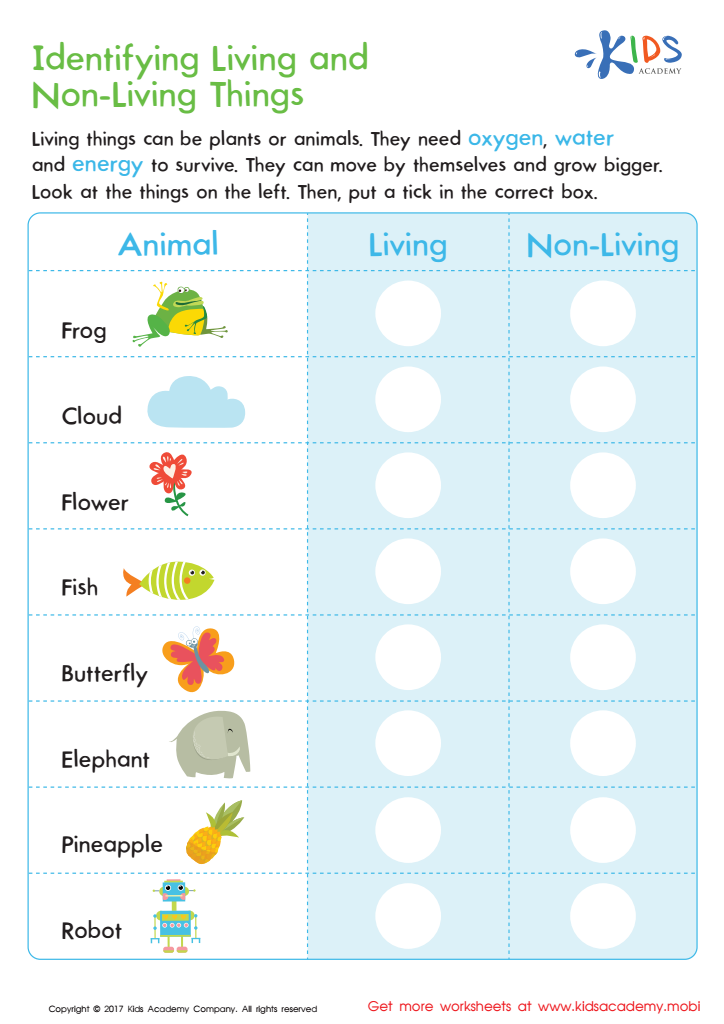
Identifying Living or Non–living Worksheet
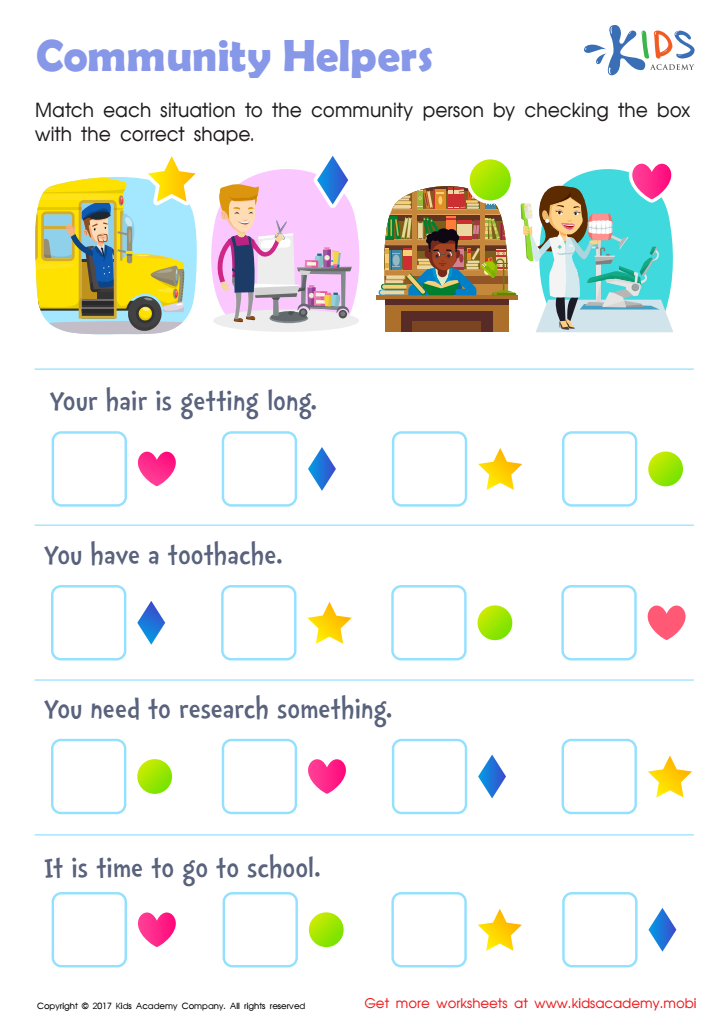






.jpg)
Visual recognition skills are crucial for children aged 3-9 as they play a significant role in cognitive development and learning abilities. At this age, children are primarily visual learners, absorbing information from their surroundings to make sense of the world around them. Strong visual recognition skills enable them to interpret images, letters, numbers, and patterns, laying a foundation for literacy and numeracy.
For example, recognizing shapes and colors emerges around age three and evolves into more complex tasks like identifying letters and words by age five. These skills are fundamental for reading, as children must distinguish between different letters and words to understand texts. Moreover, visual recognition is vital for mathematics, where concepts like sorting, pattern recognition, and spatial awareness are key.
In addition to academic benefits, these skills are imperative for social development. Children recognize faces and interpret visual cues, which aids in building relationships and understanding social norms. They also boost confidence and motivation as children successfully navigate their learning environment.
Parents and teachers who support the development of visual recognition skills through engaging activities, games, and visual aids provide children with tools for academic success, social interaction, and overall cognitive development. Investing in these skills during early childhood sets a foundation for lifelong learning and personal growth.








