Shape identification Normal 2D Shapes Worksheets for Ages 3-9
4 filtered results
-
From - To
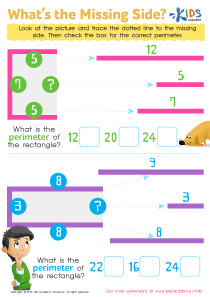
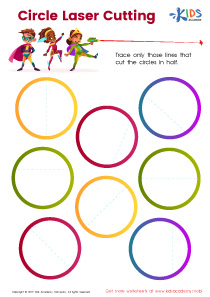
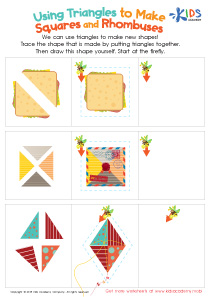
Discover engaging "Shape Identification Normal 2D Shapes Worksheets" designed for children aged 3-9! These thoughtfully crafted worksheets help young learners recognize and differentiate various 2D shapes, including circles, squares, triangles, and more. Each activity promotes critical thinking and enhances spatial awareness through fun exercises. Perfect for educators and parents, our worksheets cater to different skill levels, ensuring that every child can participate and learn at their own pace. Foster creativity and early math skills with these interactive resources that make learning shapes enjoyable and rewarding. Download your sheets today and watch your child build a solid foundation in shape identification!
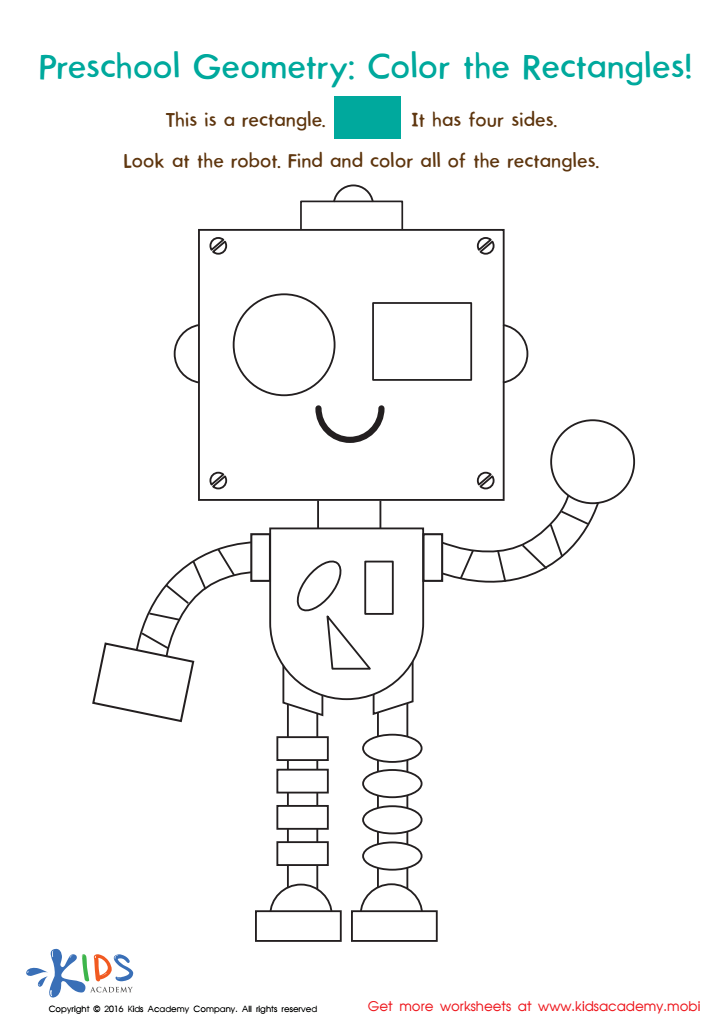
Geometry Worksheet
 Assign to My Students


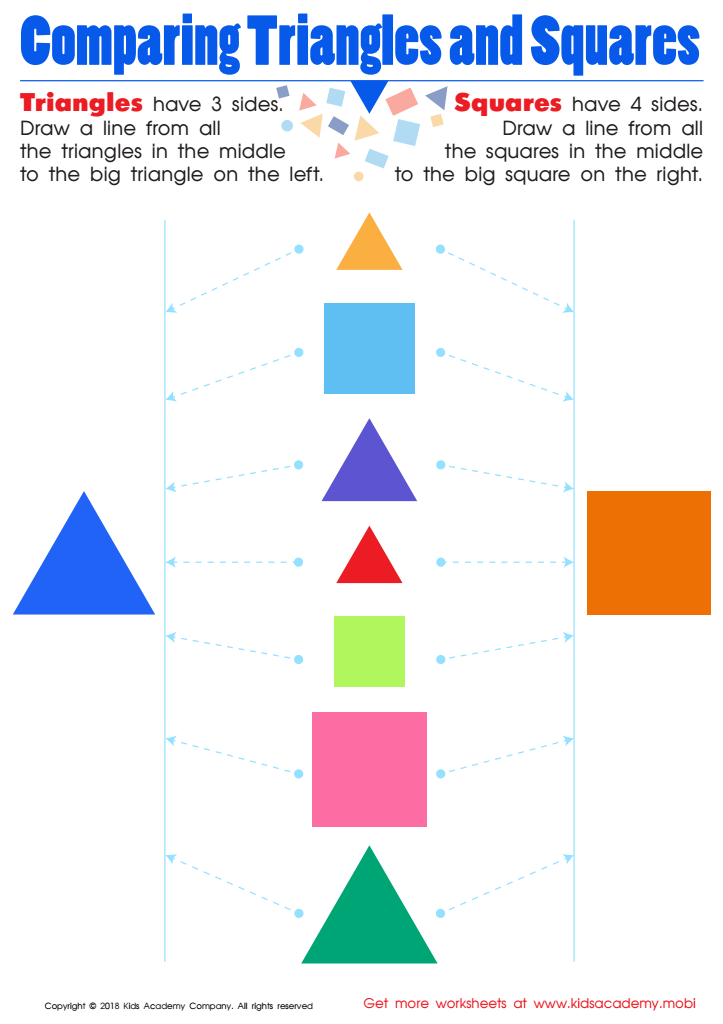
Comparing Triangles Squares Worksheet
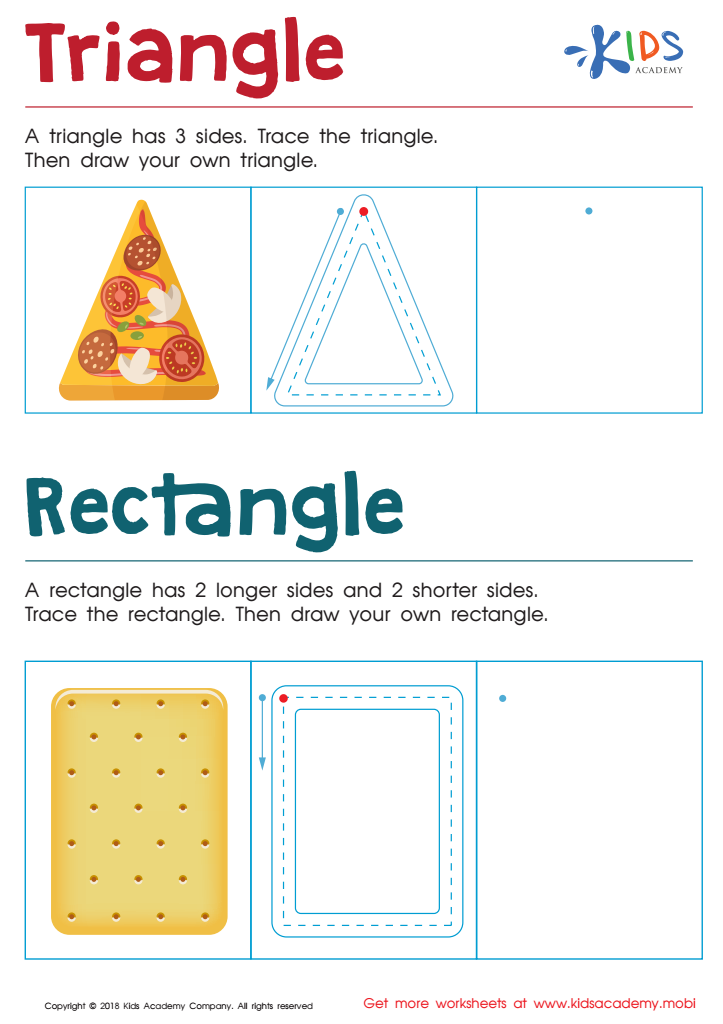
Triangle Rectangle Worksheet
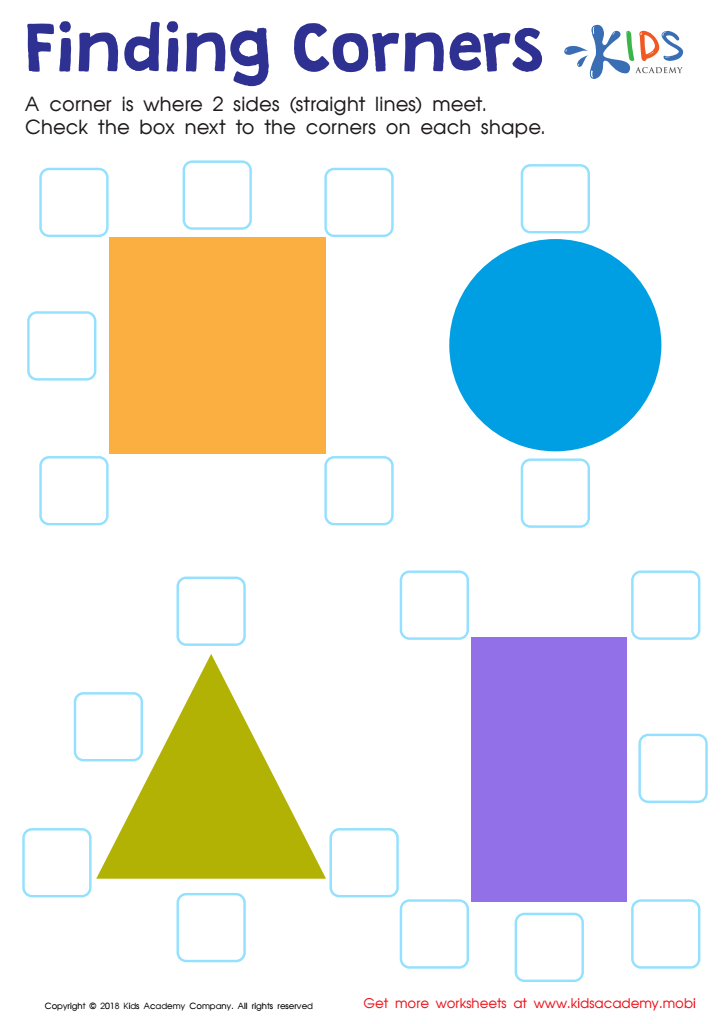
Finding Corners Worksheet








Shape identification is a fundamental skill in early childhood education that serves as a building block for various cognitive and motor skills. For ages 3-9, understanding normal 2D shapes – circles, squares, triangles, rectangles, etc. – helps children develop spatial awareness and enhances their ability to see the world around them in a structured way.
Parents and teachers should care about shape identification because it plays a critical role in problem-solving and analytical thinking. Recognizing shapes helps children learn to categorize and classify objects, which strengthens their reasoning abilities. Beyond academics, shape identification boosts creative expression, as it lays the groundwork for engaging in art, design, and pattern-making activities.
Furthermore, shapes are commonplace in daily life, from road signs to household items. Teaching children about shapes not only enriches their vocabulary but also enhances their observational skills, making them more aware of their environment. Early exposure to shape concepts can lead to greater math fluency later on, preparing children for more complex algebraic concepts in the future. Ultimately, fostering shape recognition in young learners cultivates confidence and curiosity, laying the foundation for lifelong learning. Promoting shape identification is an investment in their cognitive development and practical navigation of the world.