Counting practice Normal Addition & Subtraction Worksheets for Ages 3-9
8 filtered results
-
From - To
Boost your child's math skills with our Counting Practice Normal Addition and Subtraction worksheets, designed for ages 3-9. These engaging worksheets help young learners master fundamental counting techniques while seamlessly integrating addition and subtraction concepts. Perfect for both classroom and home use, our worksheets feature vibrant illustrations and age-appropriate exercises that promote independent learning and problem-solving. Parents and teachers will appreciate the structured format that simplifies teaching and tracking progress. With a variety of activities tailored to different skill levels, our resources foster a love for math and help children build a solid foundation for future success. Start counting today!
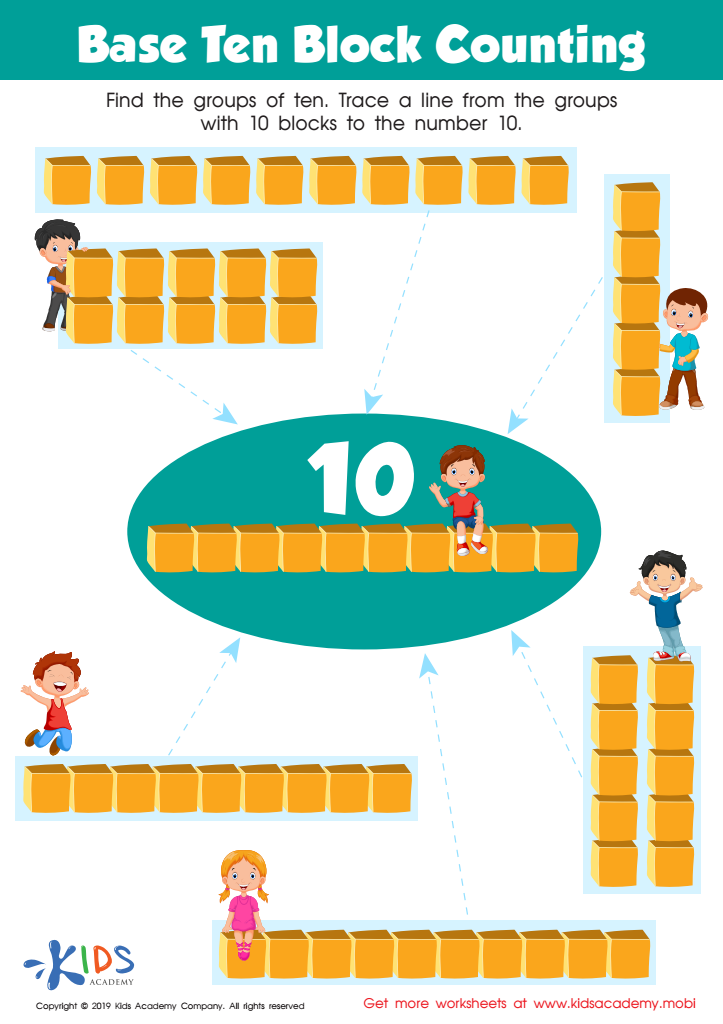
Base Ten Block Counting Worksheet
 Assign to My Students
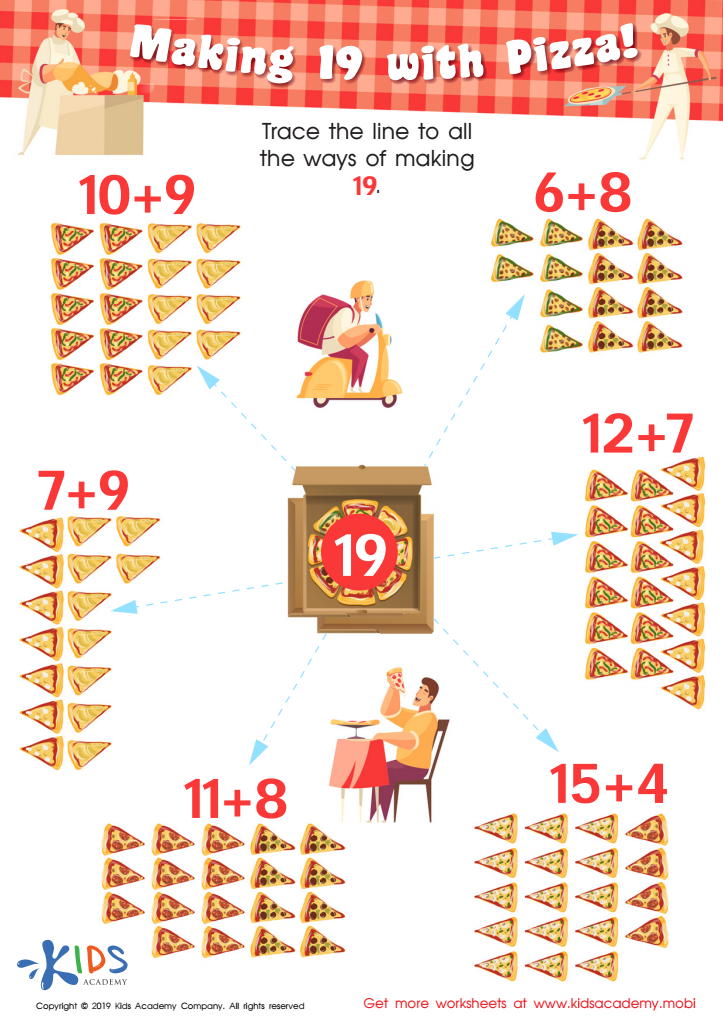
Making 19 with Pizza! Worksheet
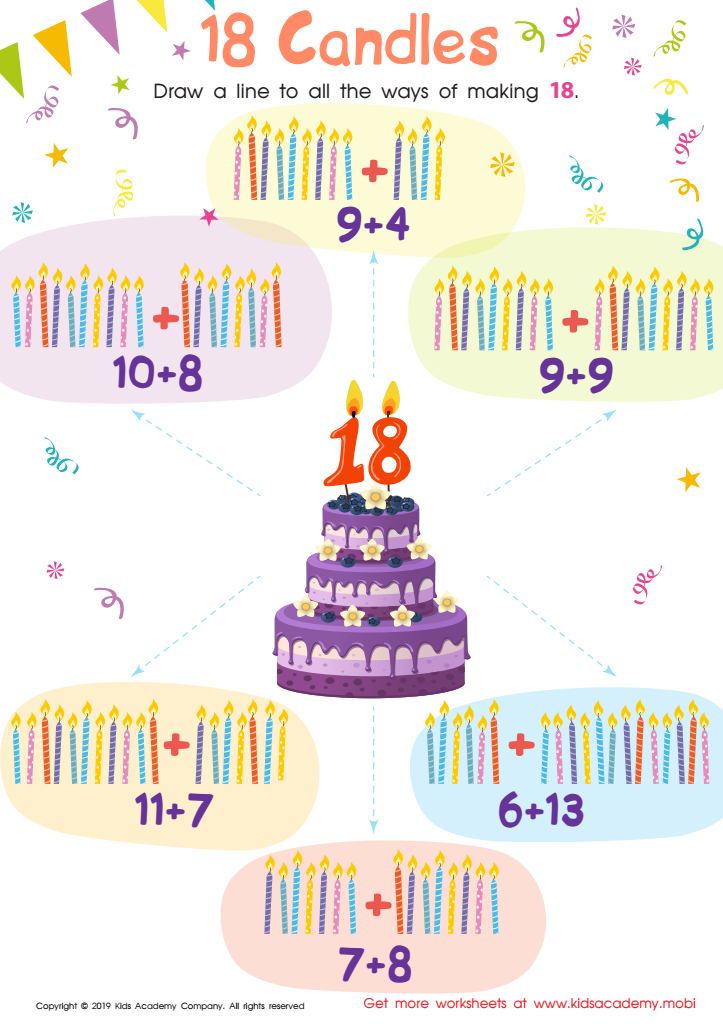
18 Candles Worksheet
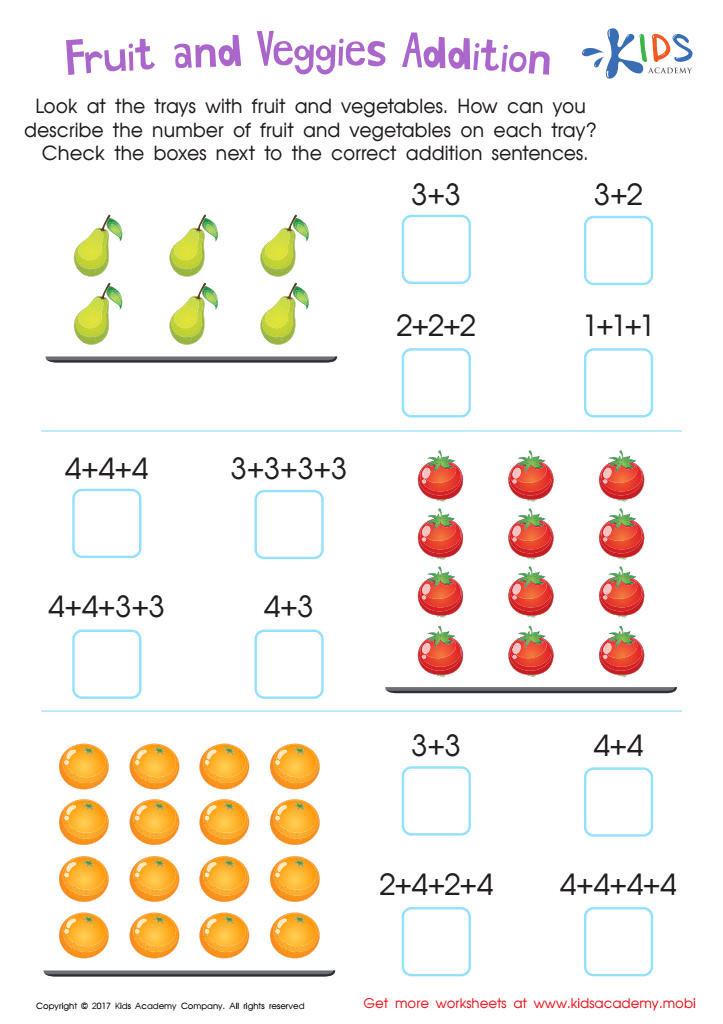
Fruit and Veggies Worksheet
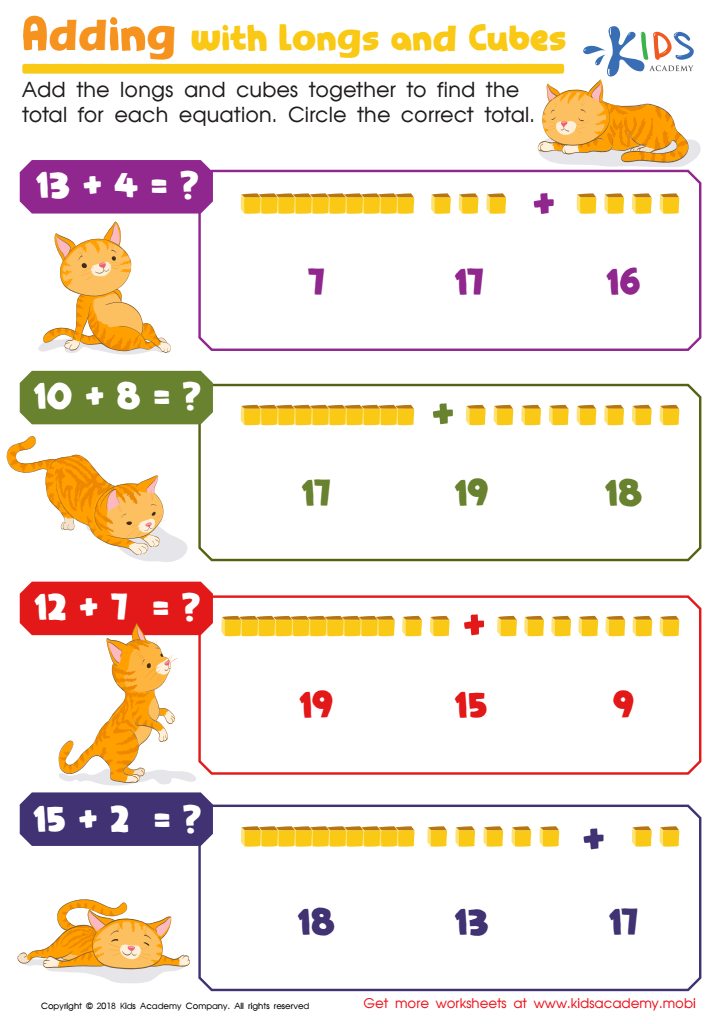
Adding With Longs and Cubes Worksheet
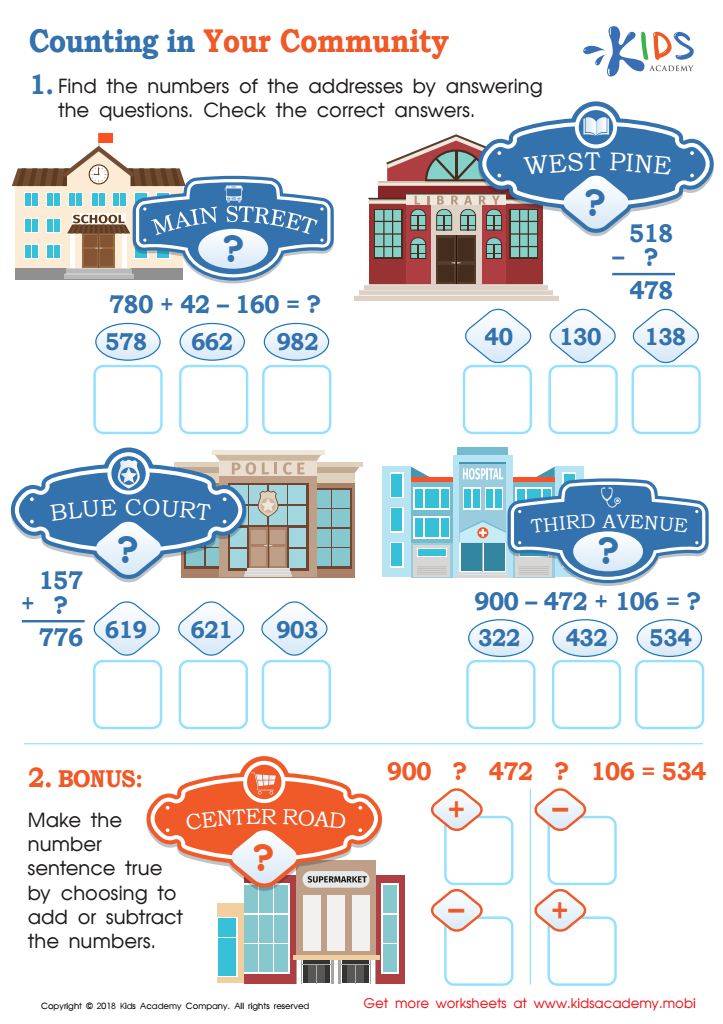
Counting in Your Community Worksheet
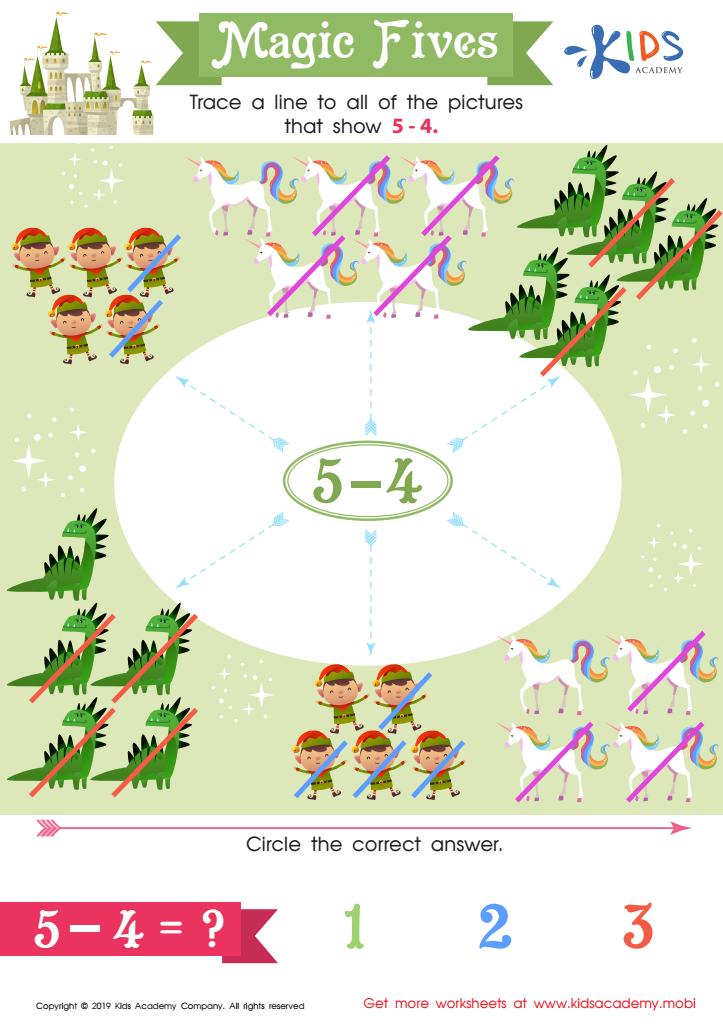
Magic Fives Worksheet
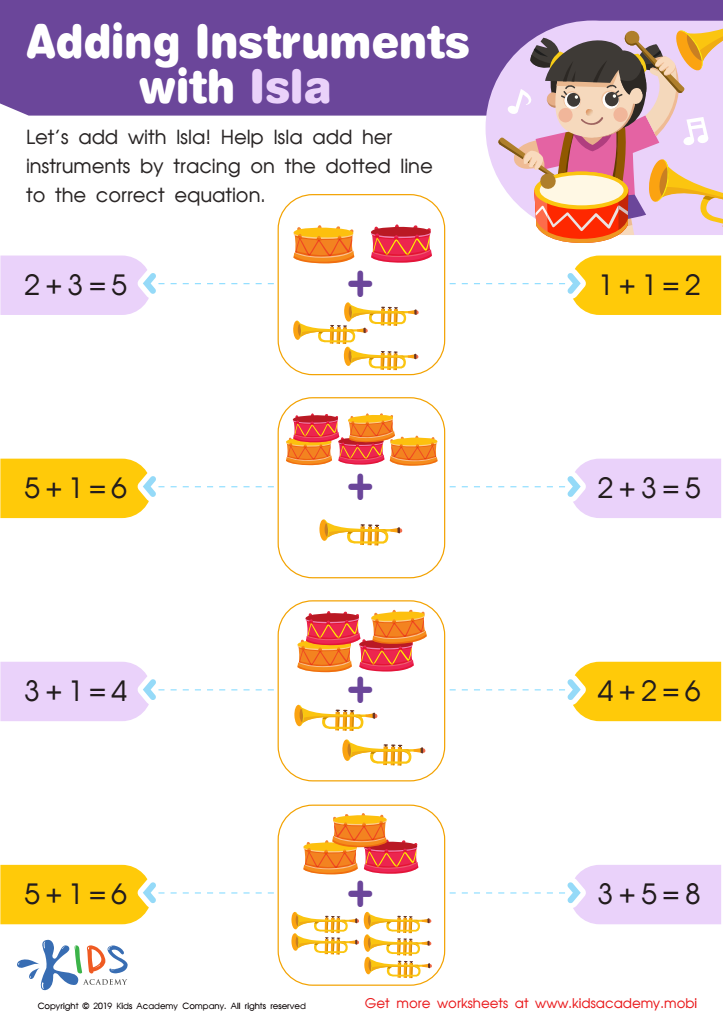
Adding Instruments with Isla Worksheet








Parents and teachers should prioritize counting practice and normal addition and subtraction for children ages 3-9 due to its foundational role in education and everyday life. At this early stage, children are naturally curious and eager to engage with numbers. Practicing counting helps children recognize numerals, understand quantity, and build strong mathematical concepts that will serve as building blocks for more advanced operations in later grades.
Moreover, mastering basic addition and subtraction cultivates problem-solving skills and critical thinking. These operations encourage logical reasoning and help children develop strategies to approach challenges, enhancing cognitive development. As children gain confidence in their mathematical abilities, they are more likely to engage enthusiastically in math-related tasks.
Furthermore, mathematical proficiency is increasingly linked to success in various academic areas and careers. By instilling these skills early, parents and teachers foster a supportive environment where children feel comfortable exploring and experiencing mathematics.
Finally, early exposure to counting and basic computations promotes a positive attitude toward learning, laying the groundwork for a lifelong appreciation of math. Through engaging activities and everyday experiences, adults can encourage a fun and interactive learning environment, ensuring that children are well-prepared for future academic success.








