Problem-Solving Skills Normal Comparing Numbers Worksheets for Ages 3-9
4 filtered results
-
From - To
Develop your child’s mathematical confidence with our "Problem-Solving Skills Normal Comparing Numbers Worksheets" for ages 3-9. These engaging worksheets offer varied activities to teach kids how to compare numbers effectively and logically. Designed by educational experts, our sheets strengthen fundamental math concepts, enhance critical thinking, and promote analytical problem-solving skills. Perfect for preschoolers through early elementary students, each worksheet progresses in difficulty to accommodate different learning levels. Encourage your child's enthusiasm for math and foster a love for learning with our comprehensive series of comparison worksheets. Ideal for both classroom and at-home practice.
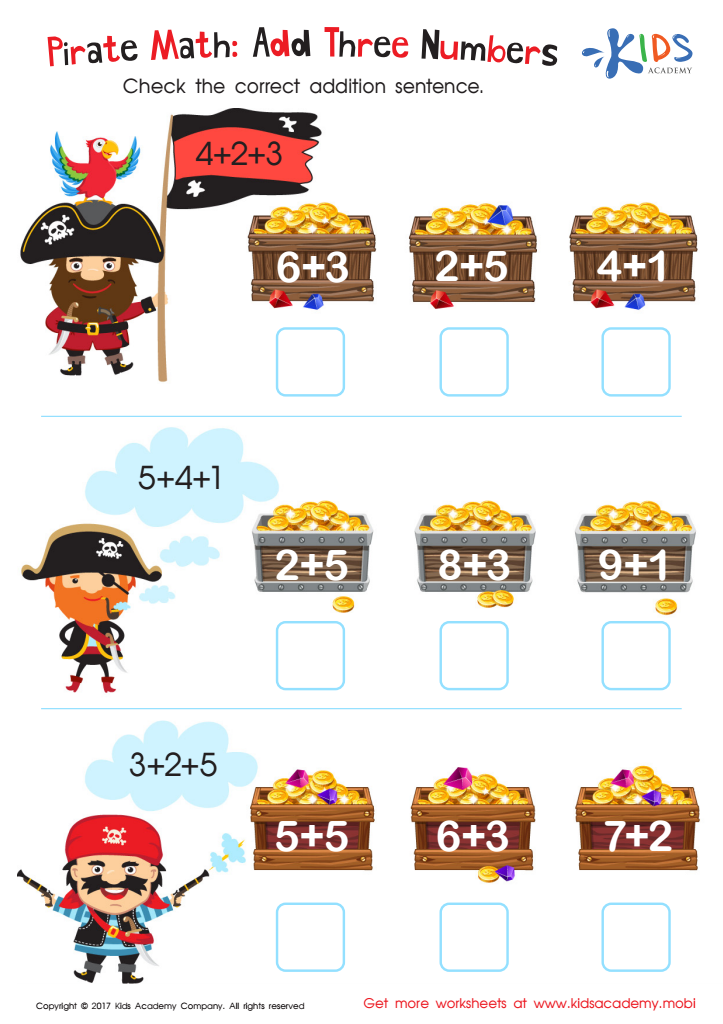
Pirate Math Printable
 Assign to My Students
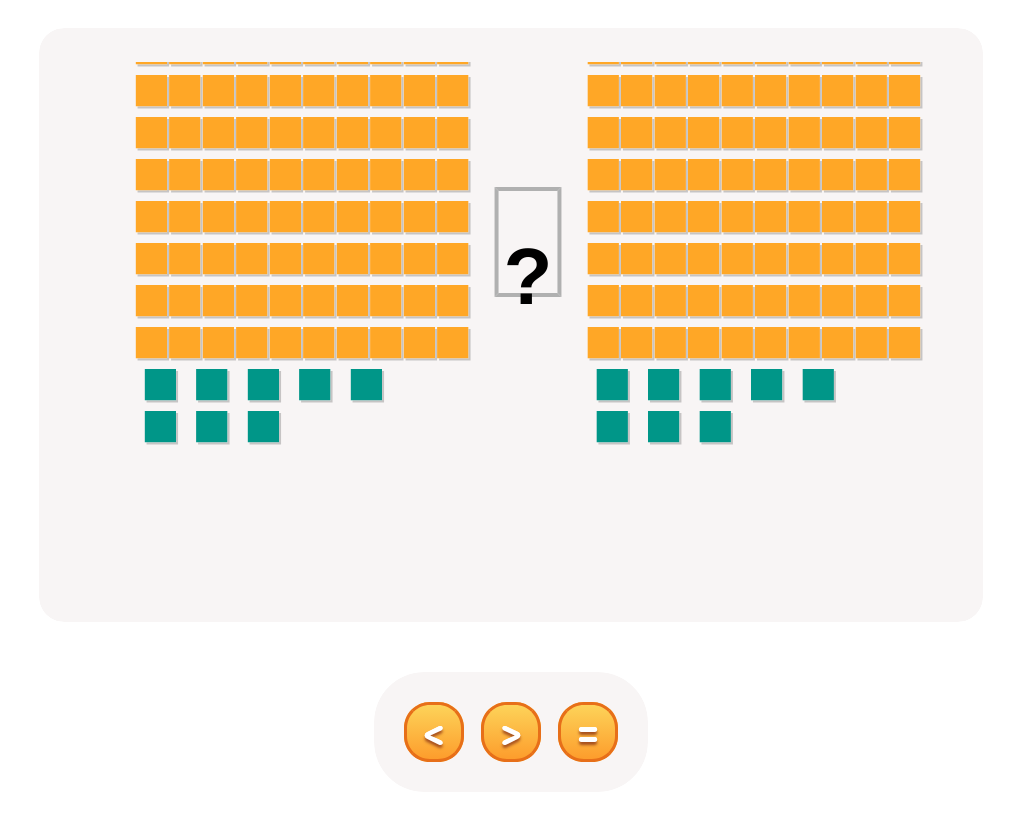

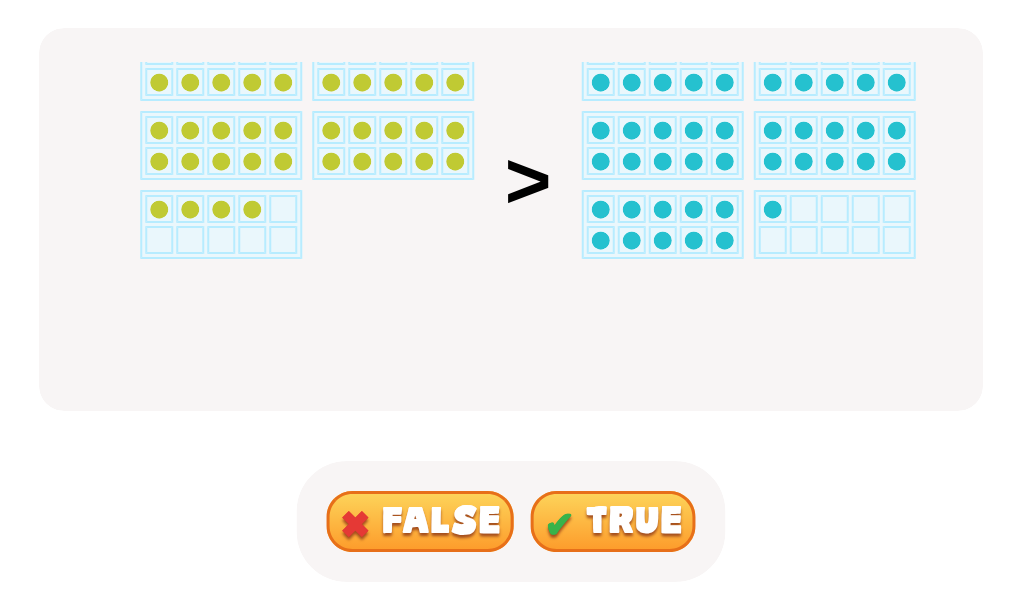
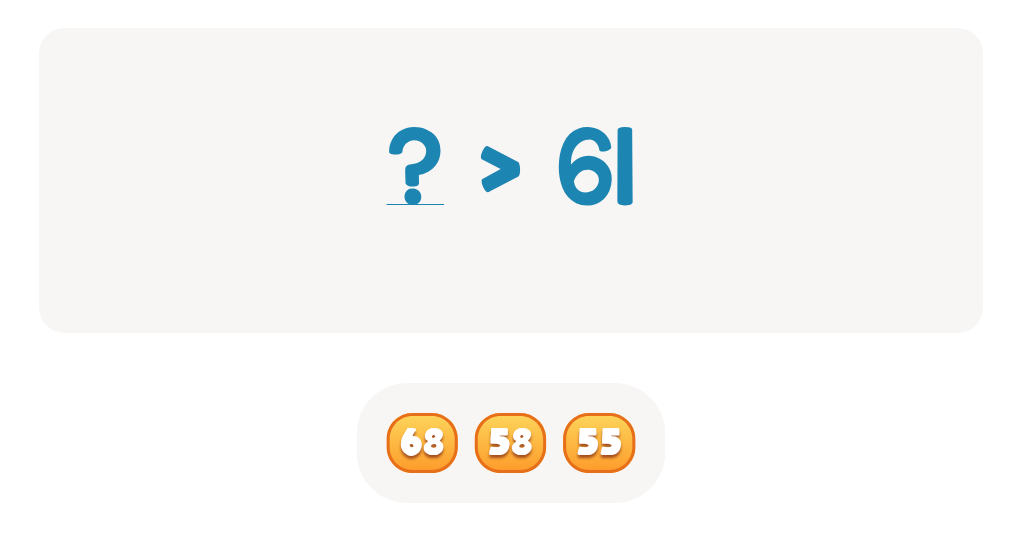
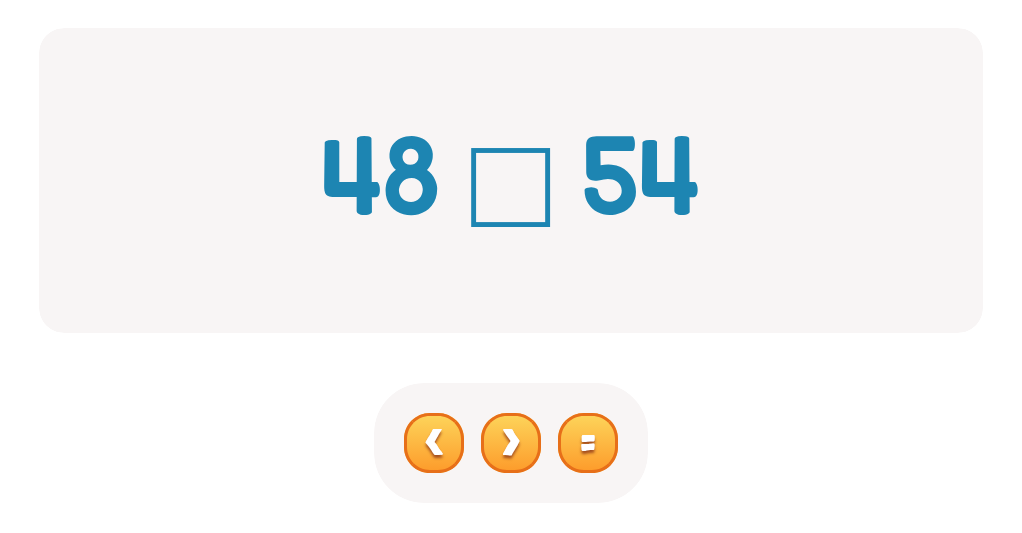
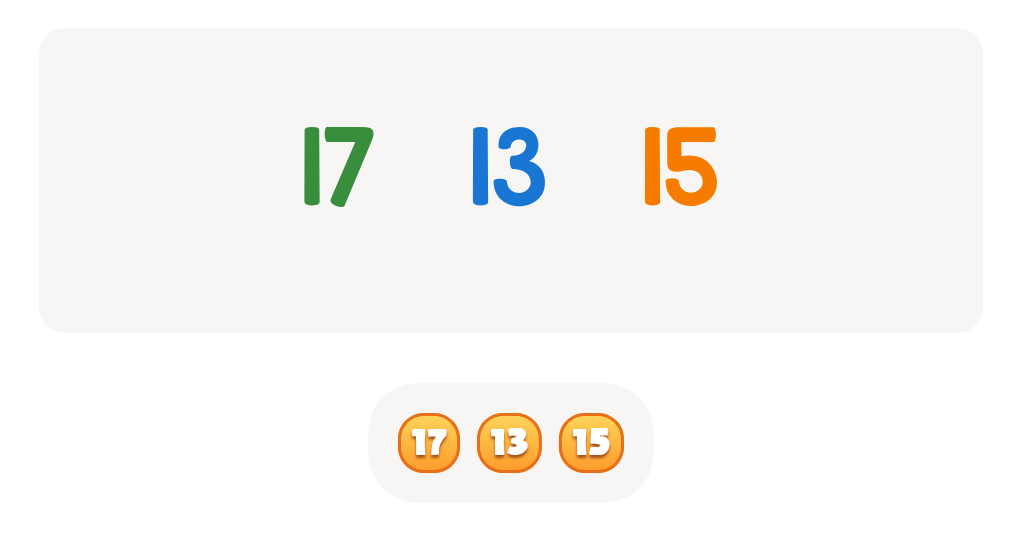
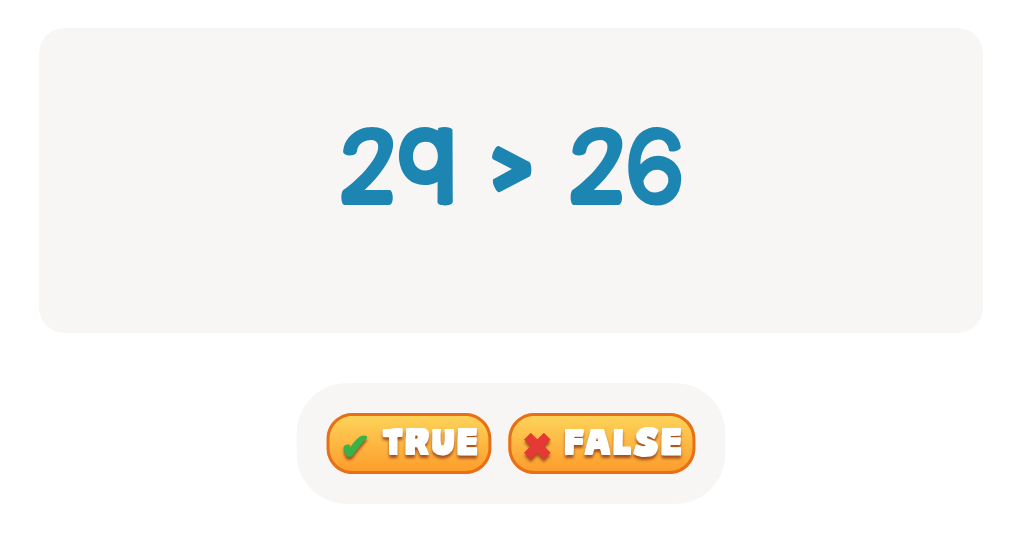
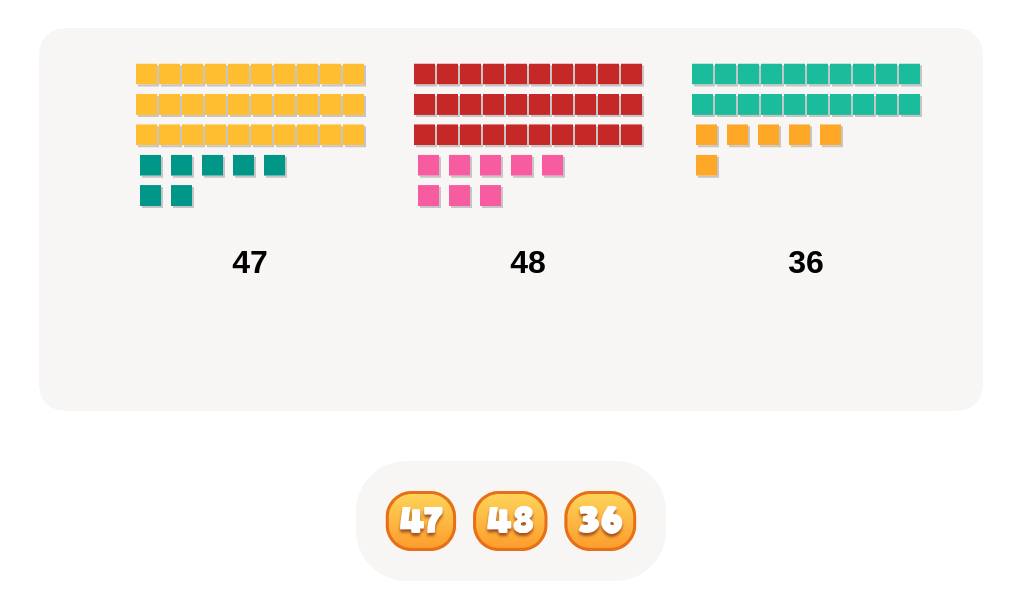
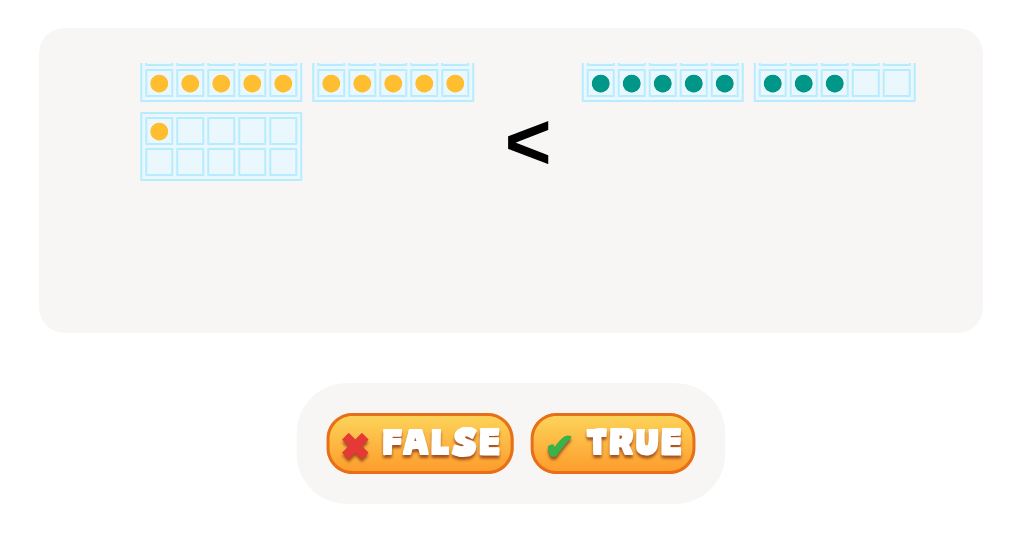
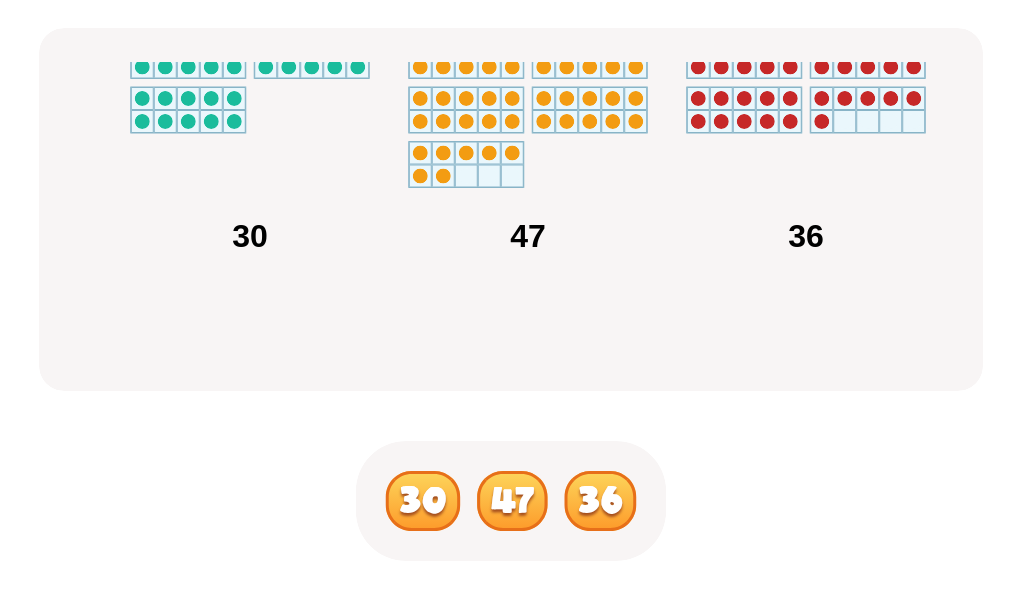
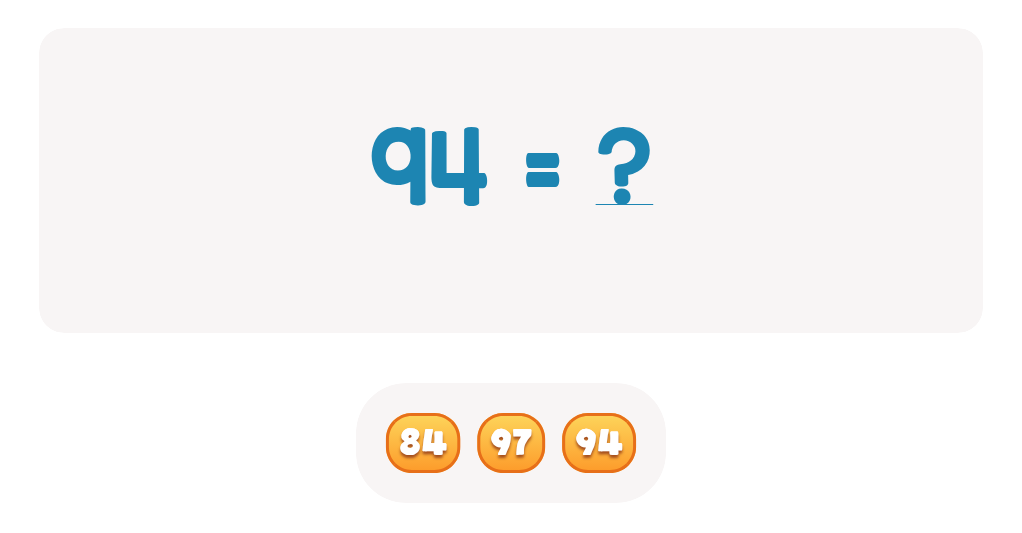
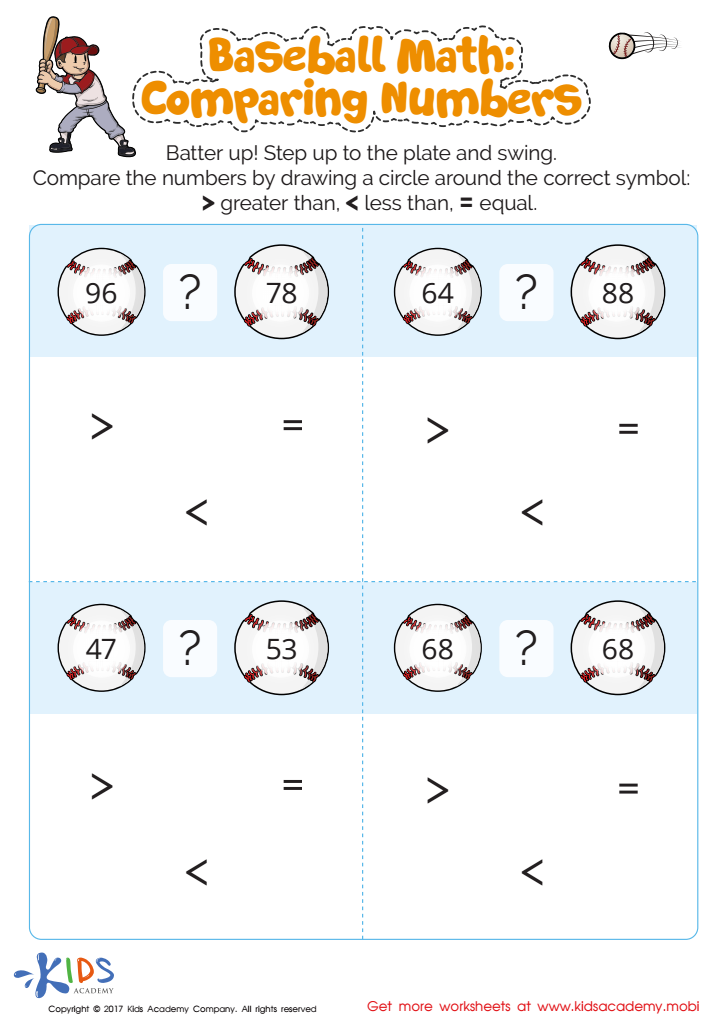
Compare Numbers Printable
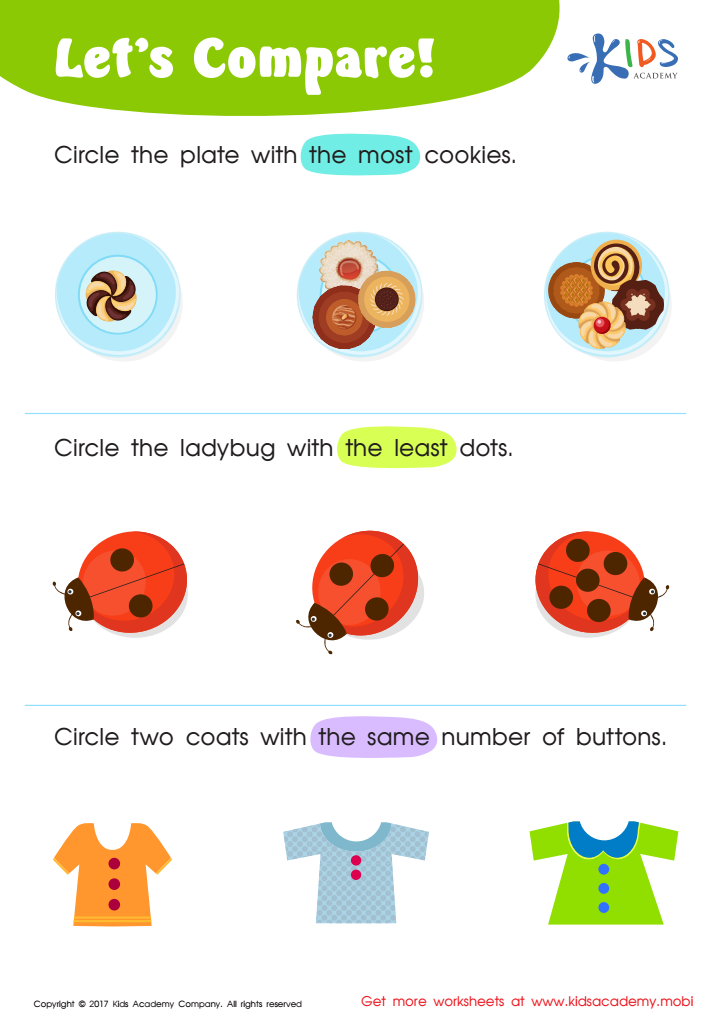
Matching: Classifying Toys by Size Worksheet
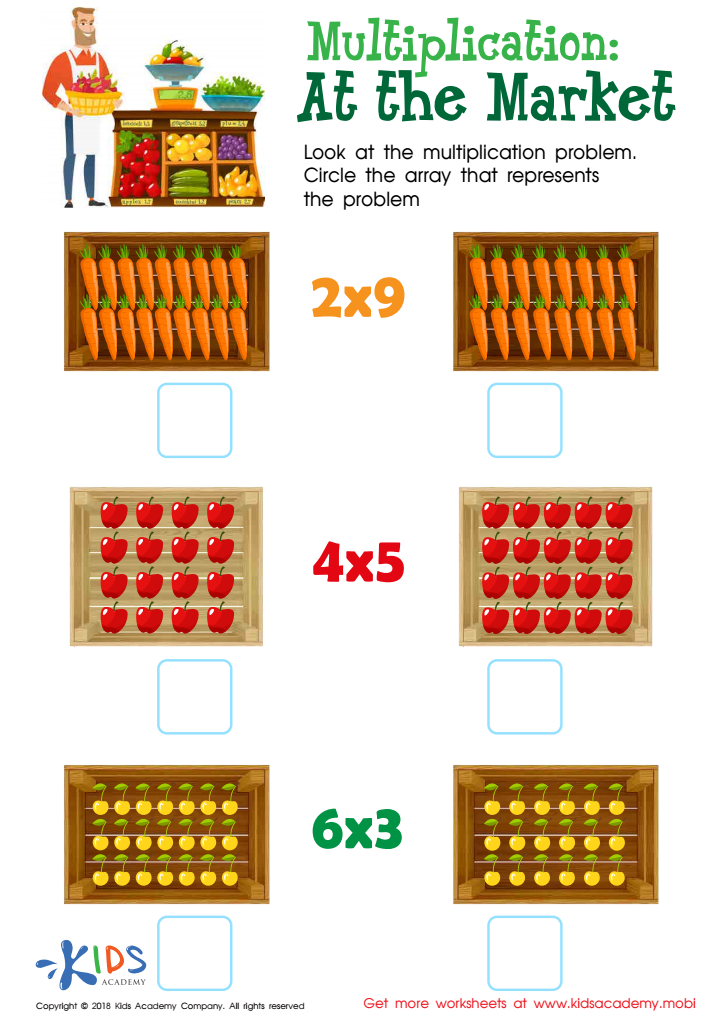
At the Market Worksheet



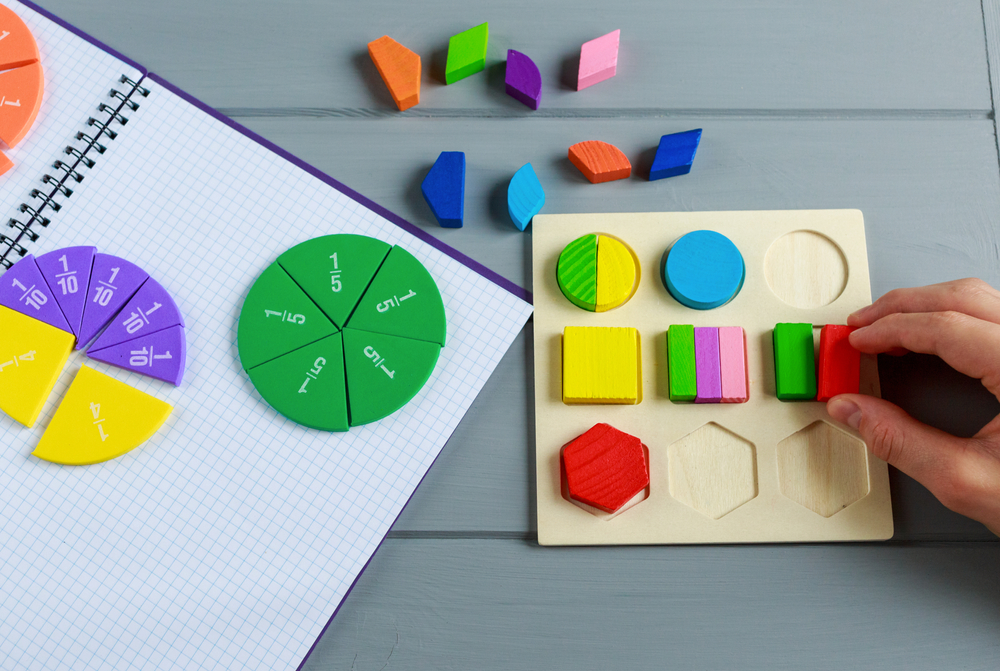




Developing problem-solving skills in young children, particularly through activities like comparing numbers, is essential for laying a strong foundation for their cognitive and academic growth. For ages 3-9, these skills are crucial as they form the basis for mathematical understanding and critical thinking.
Problem-solving activities help in fostering logical reasoning by encouraging children to think through a problem and determine the most effective method to solve it. Comparing numbers, for instance, introduces kids to basic mathematical concepts, such as greater than, less than, and equal to, which are vital for their future math learning. This early exposure helps them gain confidence and become comfortable with numbers and operations.
Additionally, such skills promote persistence and resilience. When children compare numbers and solve related problems, they experience trial and error, learning that it is okay to make mistakes and try again until they find the solution. This builds their perseverance and a positive attitude towards challenges.
Moreover, problem-solving skills are essential not just for math but for everyday life. They teach children how to approach real-world problems, make decisions, and explore various solutions. By developing these skills early, parents and teachers equip children with the tools necessary for academic success and personal growth, making them better prepared for the complexities of later life.