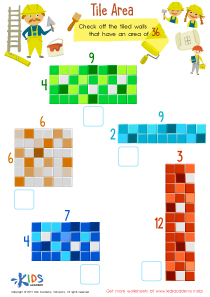
Fine Motor Skills Normal Counting Worksheets for Ages 3-9
3 filtered results
-
From - To
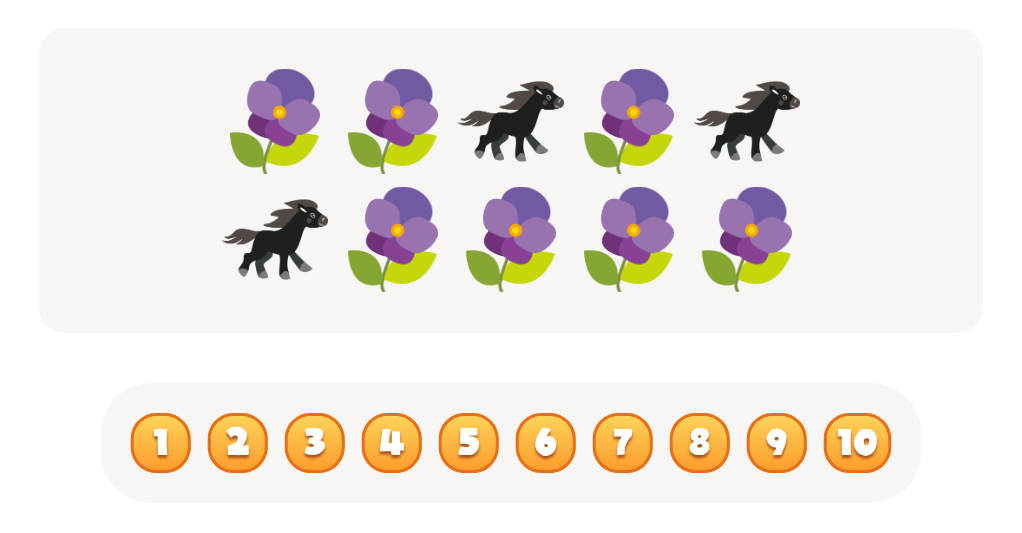
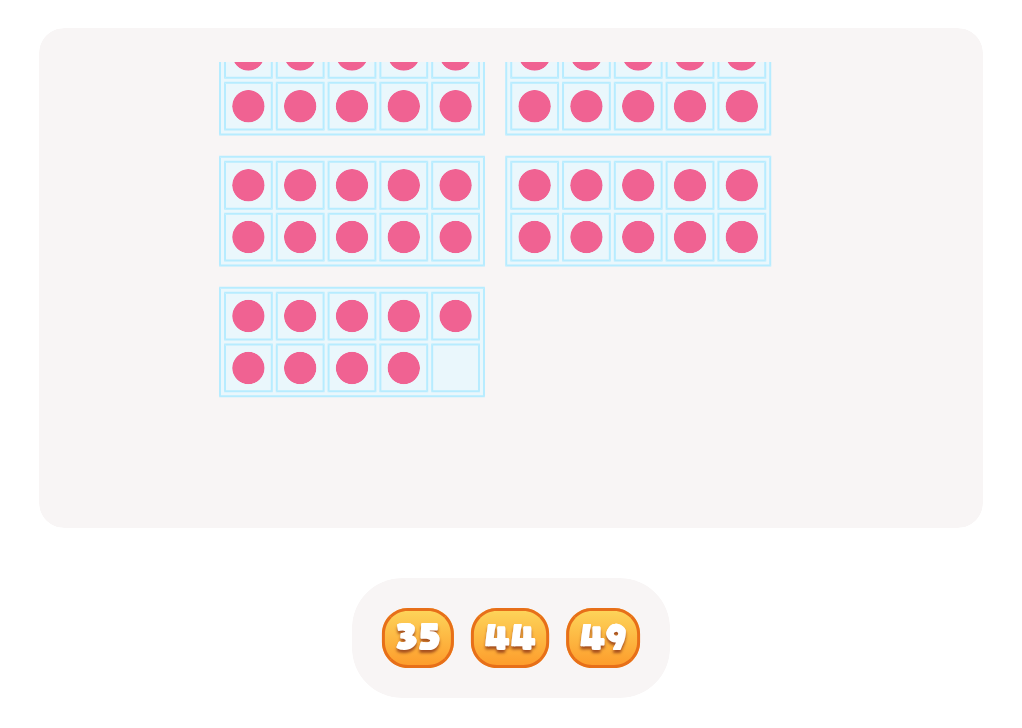
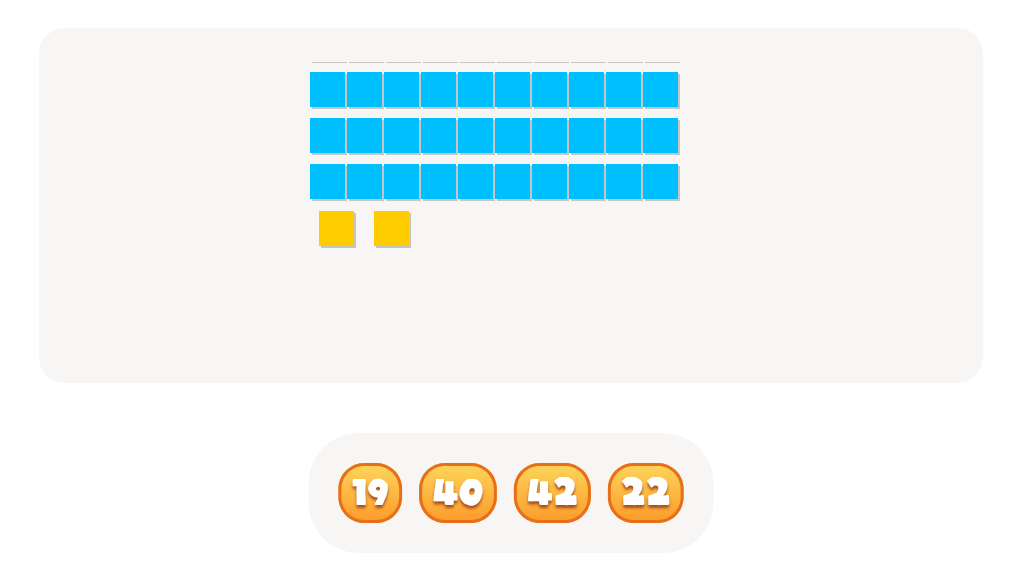
Enhance your child's fine motor skills and counting abilities with our engaging Normal Counting Worksheets, designed specifically for ages 3-9. These worksheets provide a fun and interactive way for young learners to practice counting while developing essential dexterity and hand-eye coordination. Featuring colorful and creative themes, each worksheet encourages children to trace, draw, and manipulate various objects, making learning both effective and enjoyable. Perfect for parents and educators, our resources foster early math skills and build confidence in young students. Explore our comprehensive collection today and watch your child thrive as they learn through play!
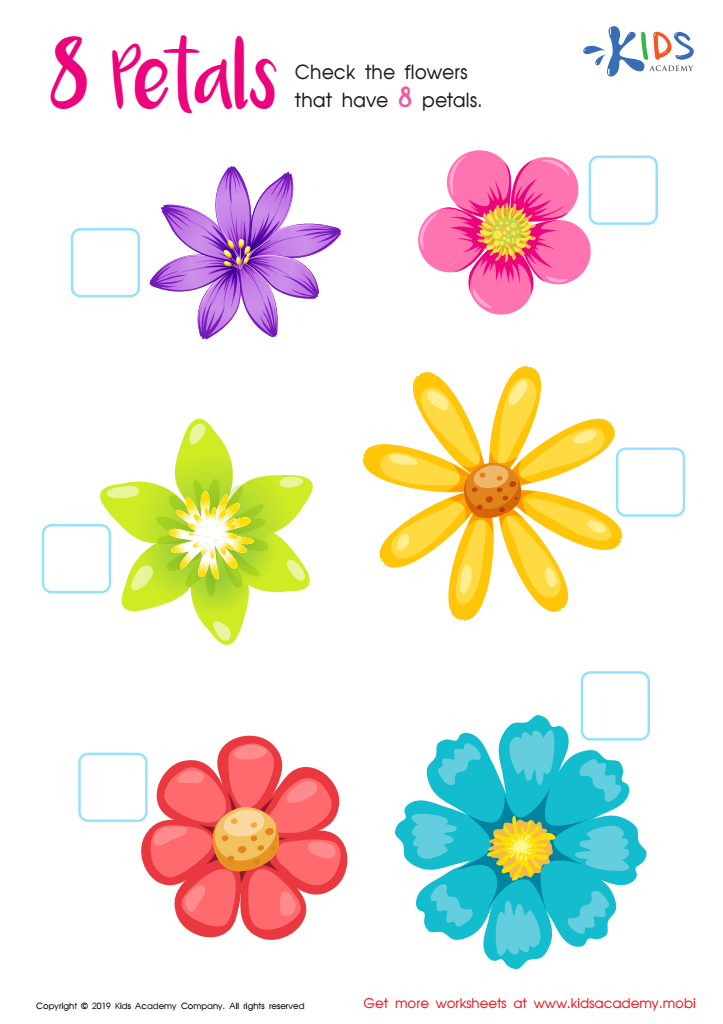
8 Petals Worksheet
 Assign to My Students




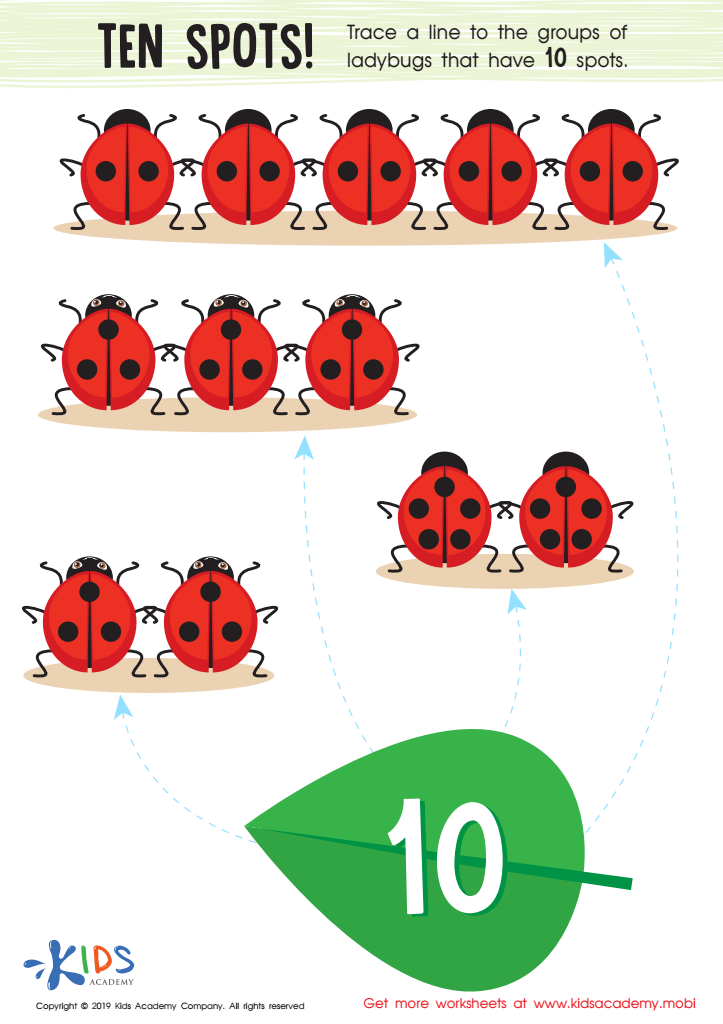
Ten Spots Worksheet
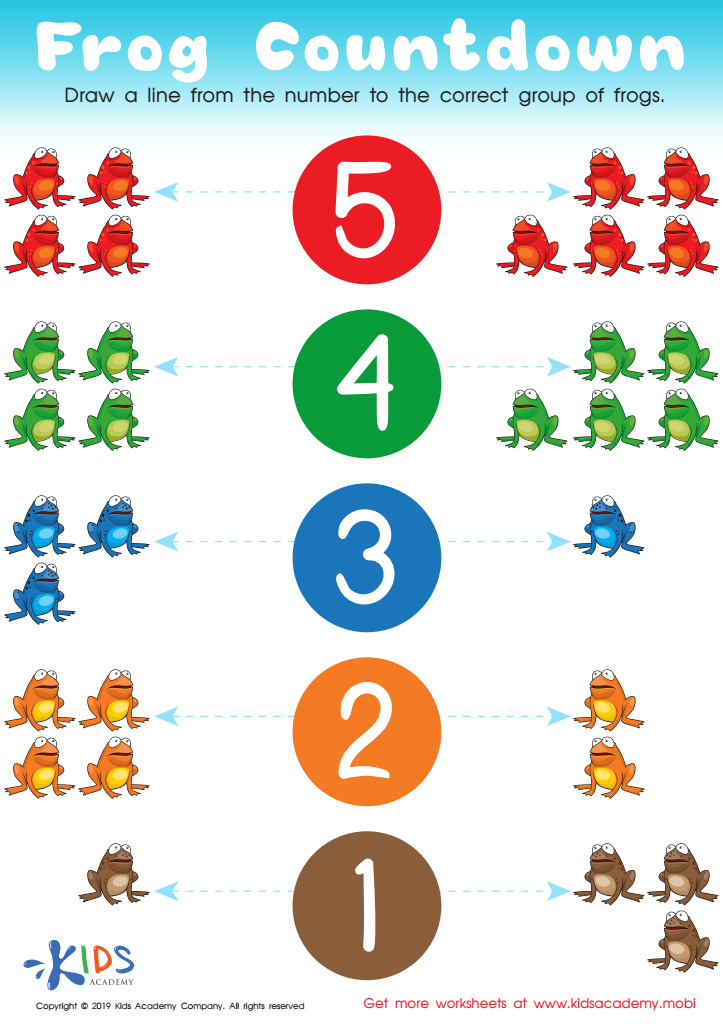
Frog Countdown Worksheet








Fine motor skills and normal counting are crucial developmental milestones for children aged 3-9. Parents and teachers should prioritize these skills for several reasons. Fine motor skills involve the coordination of small muscles in the hands and fingers, which are essential for everyday tasks such as writing, eating, and buttoning clothes. A well-developed fine motor skill set allows children to engage in creative activities, enhancing their cognitive and social abilities.
On the other hand, normal counting forms the foundation of mathematical literacy. Mastering counting helps children understand numerical concepts, pattern recognition, and problem-solving – skills vital for academic success, particularly in math. When children grasp counting, they are better equipped to perform more complex mathematical operations in later grades.
Moreover, both fine motor skills and counting contribute to a child's overall confidence and independence. When children can dexterously manipulate objects and count effectively, they experience a sense of accomplishment and uniqueness. Encouraging these skills through play, crafts, and interactive counting games not only makes learning enjoyable but also promotes critical thinking and motor development. Thus, for parents and teachers invested in holistic child development, fostering these skills should be a top priority.