Cultural awareness Normal Numbers Worksheets for Ages 3-9
3 filtered results
-
From - To
Explore our engaging "Cultural Awareness Normal Numbers Worksheets" designed specifically for children ages 3-9! These worksheets integrate foundational math skills with important lessons in cultural diversity, helping young learners recognize and appreciate different cultures while developing number recognition and counting abilities. With interactive activities and vibrant visuals, kids will not only boost their academic skills but also gain valuable insights into global traditions and practices. Ideal for classrooms or at-home learning, these worksheets promote inclusivity and understanding through fun, accessible math exercises. Join us in fostering a more culturally aware generation through enjoyable and educational early childhood resources!
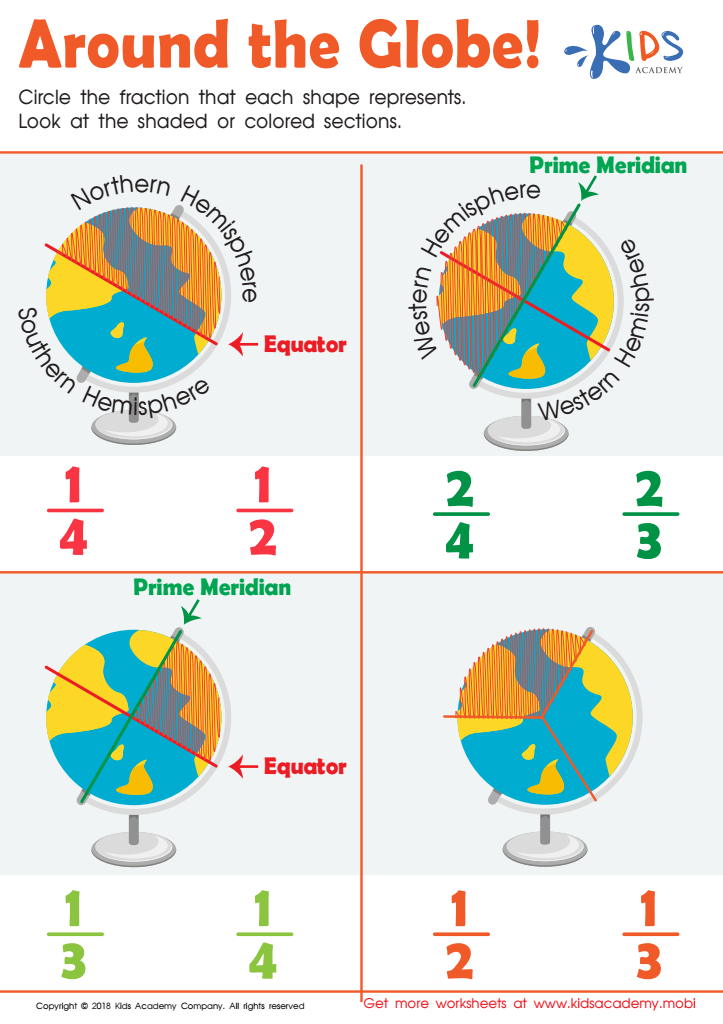
Around the Globe Worksheet
 Assign to My Students
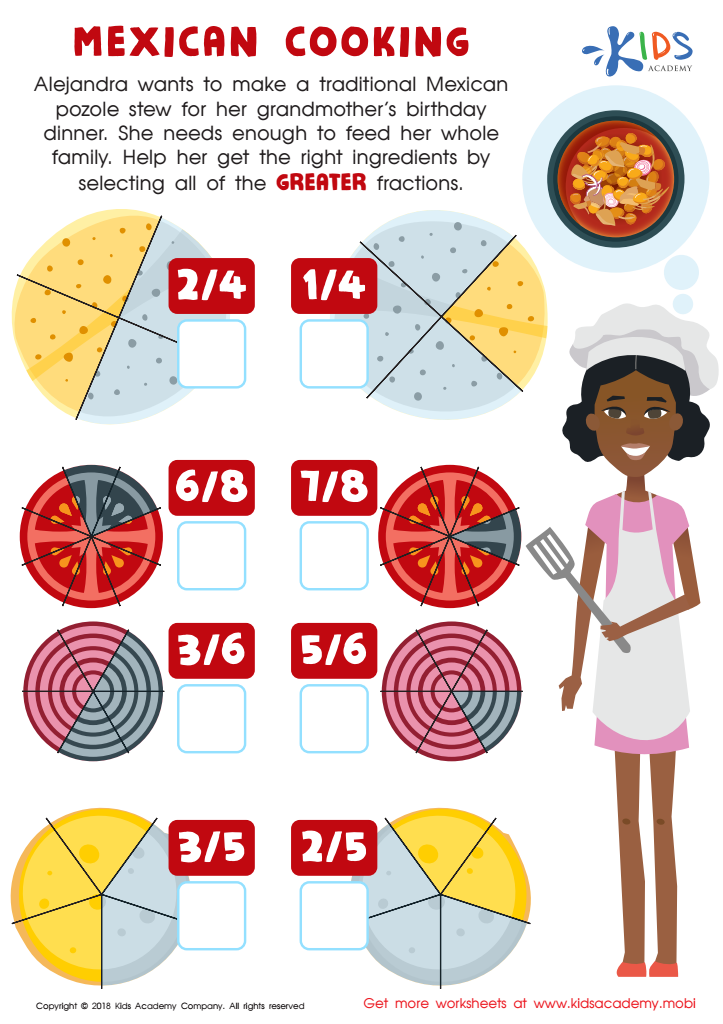
Mexican Cooking Worksheet
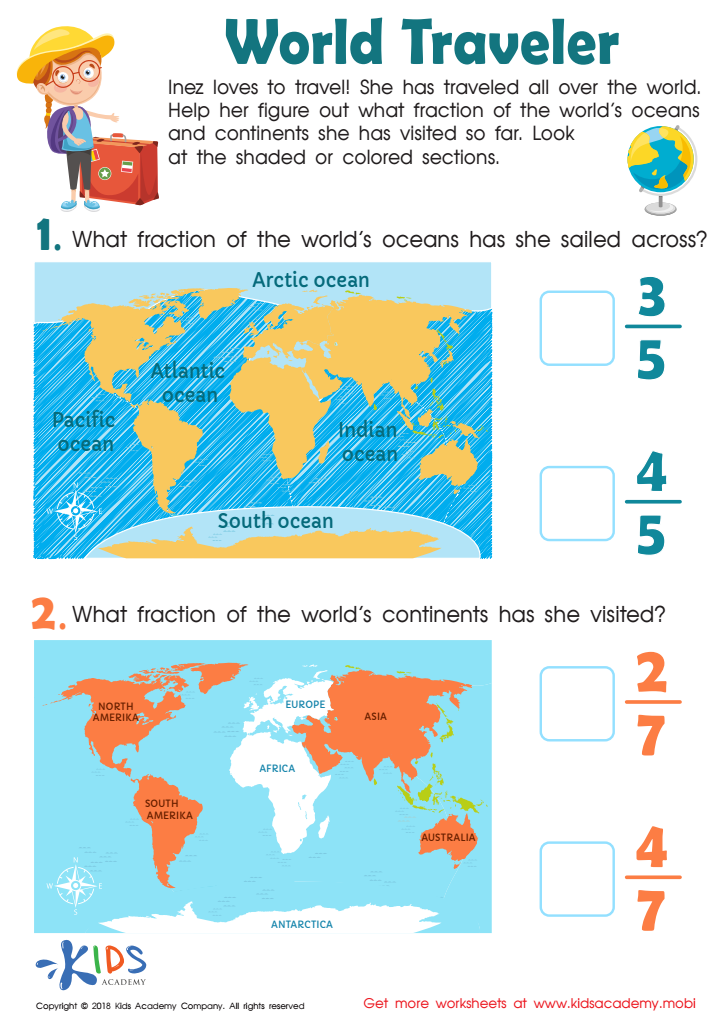
World Traveler Worksheet





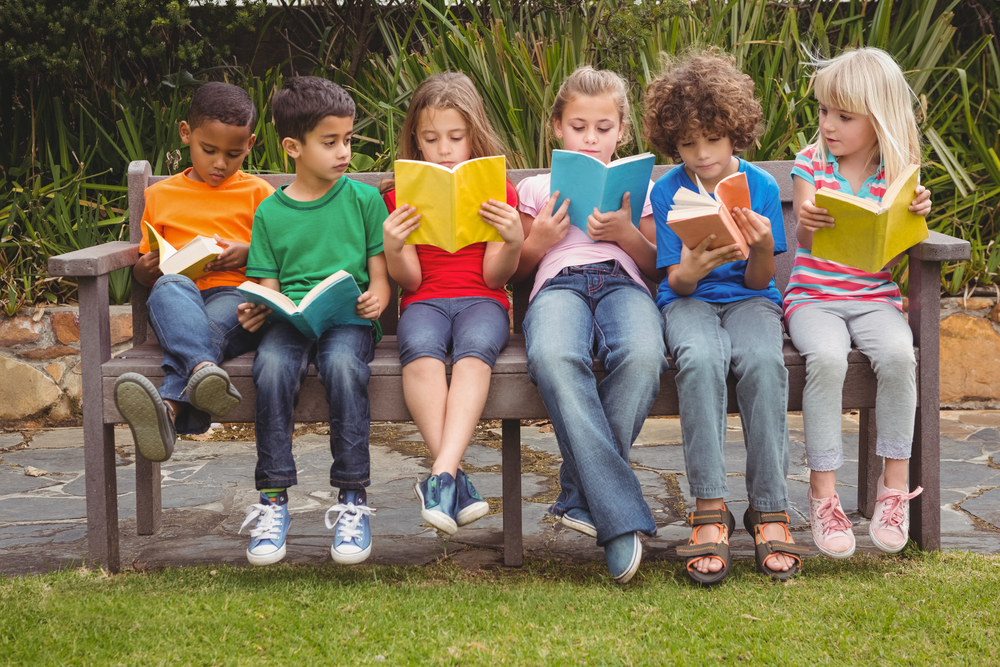
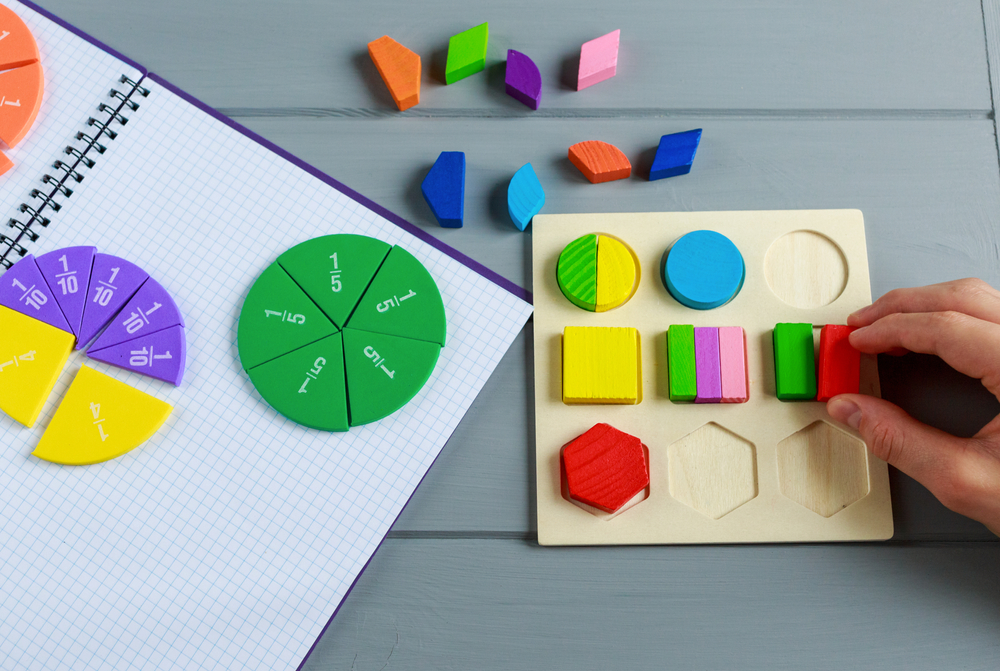

Cultural awareness in early childhood education is vital for fostering a sense of belonging and respect among children aged 3-9. At this formative stage, children begin to develop their identities and understand the world around them. By introducing them to diverse cultural perspectives, parents and teachers help to cultivate empathy, reduce biases, and promote inclusivity.
Understanding normal numbers involves familiarizing children with appropriate social and behavioral expectations within various cultures. For instance, recognizing that families celebrate holidays and traditions differently allows children to appreciate diversity and develop critical thinking skills about their own beliefs and practices. This awareness promotes healthy social interactions and communication skills as they engage with peers from diverse backgrounds.
Additionally, when children see their culture represented in classroom materials and discussions, it reinforces their self-esteem and validates their experiences. It helps them recognize that every individual's background contributes to the richness of the community. Overall, being culturally aware not only enhances children's emotional and social development but also prepares them to navigate an increasingly globalized world. Parents and teachers, therefore, play a crucial role in shaping well-rounded, culturally sensitive individuals who are equipped to thrive and contribute positively within diverse communities.








